URBAN CARTOGRAPHER

CORK CITY AND COUNTY

SELECT AN OPTION BELOW

PRESENTED BY THE URBAN CARTOGRAPHER

MARCH 2026 PHOTO DIARY

LET US TELL YOU ABOUT OUR MISSION

DON’T FORGET TO MUTE THE VIDEO PRESENTATION BELOW
Urban_Cartographer_s_Diary.mp4

THE MOXY HOTEL

I WAS VERY IMPRESSED BY THIS HOTEL AND HOPE TO VISIT AGAIN

EXCELLENT LOCATION

LOCATION LOCATION

VISIT THE PHOTO CATALOG THE HISTORY THE STORY OF NAN AND STREET ART

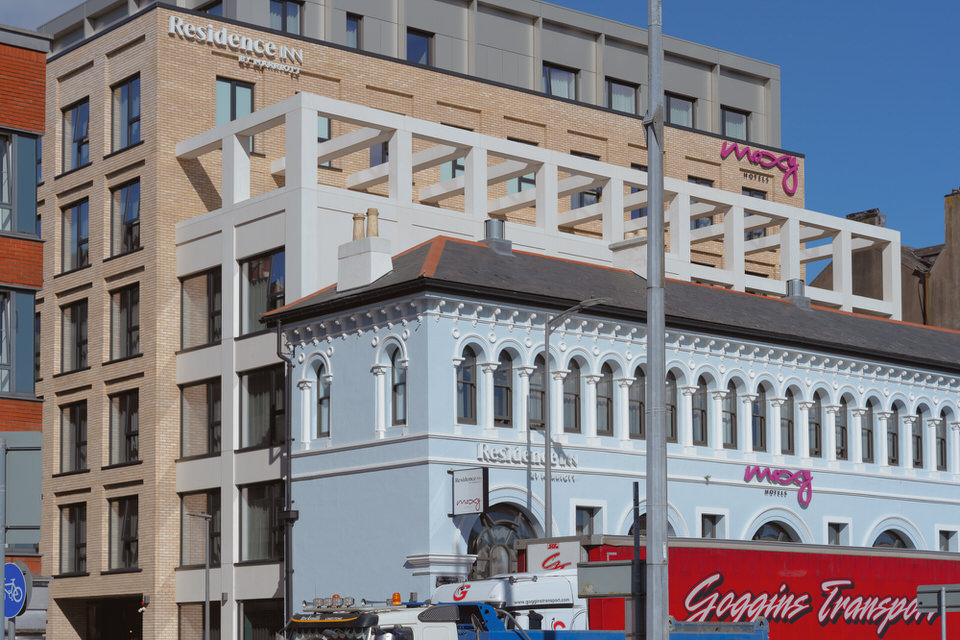
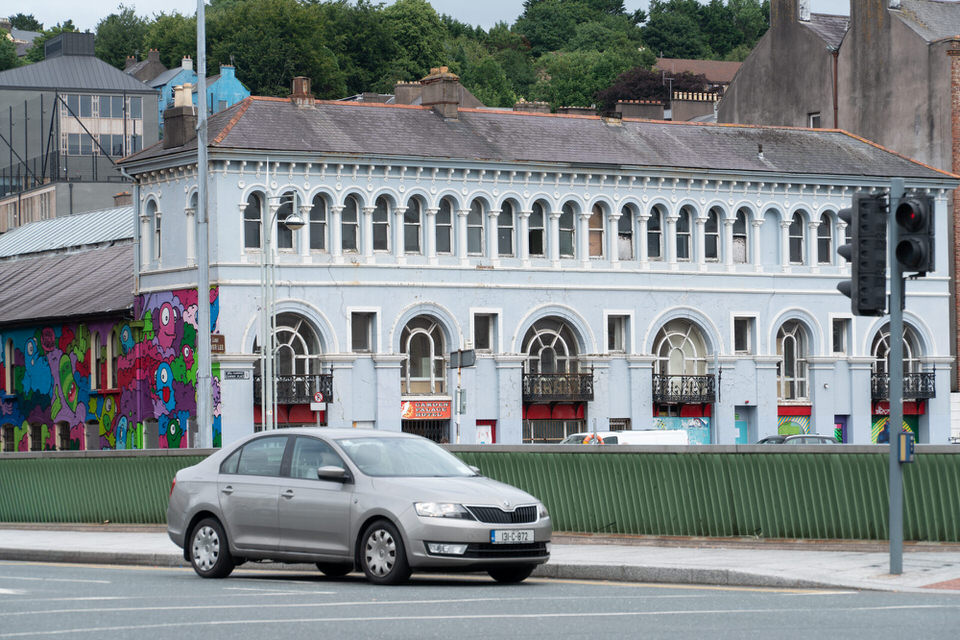
The journey of the building on Camden Quay is a remarkable microcosm of the evolving relationship between architecture, commerce, and culture. It began life as a monument to Ruskinian ideals, a physical treatise on the moral power of architecture and the nobility of handcrafted beauty. For a century, it served the city in practical commercial and civic roles before its ornate complexity, once a source of pride, became an economic burden that led to its neglect.

Its rebirth as the Moxy Hotel is a masterclass in 21st-century branding and urban regeneration. The Moxy brand, with its laser focus on the Millennial and Gen Z "Fun Hunter," has repurposed the building's historic shell not as a moral lesson to be revered, but as an authentic, textured backdrop for social experience and digital self-expression. The careful retention of original fireplaces, floorboards, and windows is not an act of pure preservation, but a strategic integration that lends the global brand a priceless local authenticity.


The Moxy Hotel On Camden Quay In Cork

THE MOXY SEPTEMBER 2025

The Camden Palace 2016

THE CAMDEN PALACE 2016

THE DEAN HOTEL HOTEL

I HAD TO SELECT THIS HOTEL OR THE MOXY

EXCELLENT LOCATION

NEAR THE TRAIN STATION

VISIT THE PHOTO CATALOG THE HISTORY

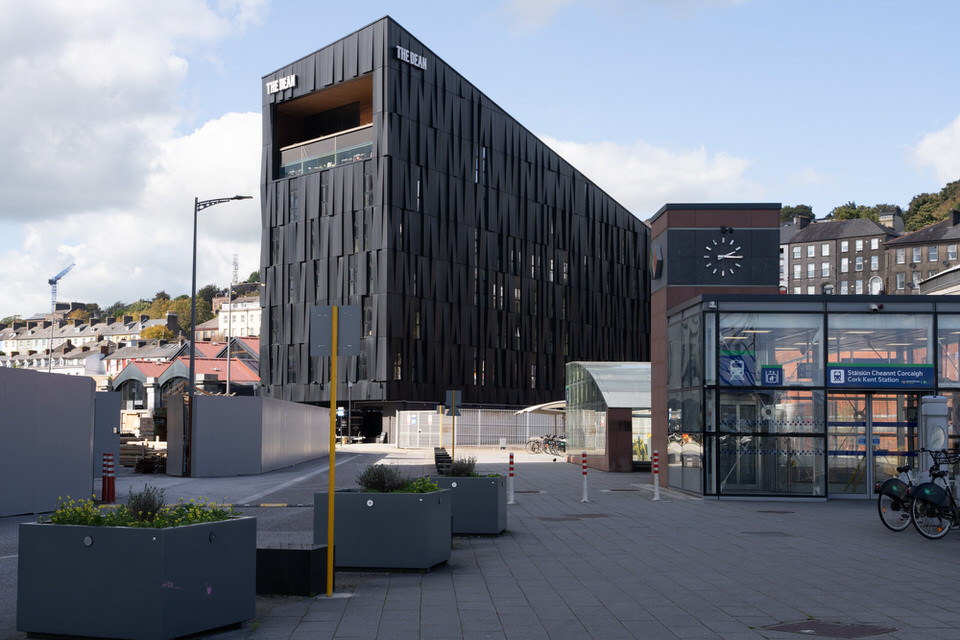
The DEAN hotel in Cork City has quickly established itself as a vibrant and fashionable destination, emblematic of the city's forward-looking development. Located at Horgan's Quay in the burgeoning Northern Quarter, adjacent to Kent Station, the hotel is a key feature in the extensive redevelopment of this historically significant area. Its presence signifies a new era for Cork's docklands, blending contemporary design with a nod to the area's industrial heritage.


HISTORIC RAILWAY VENTILATION SHAFT

I USED A LEICA Q3

THIS CAUGHT ME BY SURPRISE

UNEXPECTED

VISIT THE PHOTO CATALOG THE HISTORY THE DISCUSSION INTERACTIVE OVERVIEW

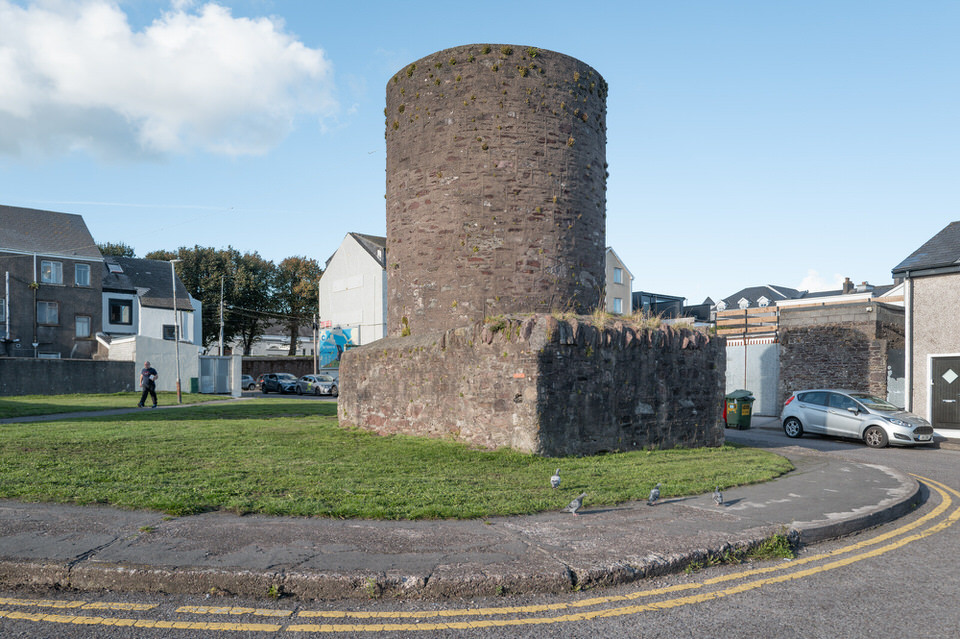
Given the ventilation shaft's clear architectural and historical significance, as formally identified by the National Inventory of Architectural Heritage, its prominent location as a local landmark, and its current lack of specific legal protection, it is a prime candidate for formal designation. The discrepancy between its national recognition and its omission from the local protective list represents a gap that could be addressed to ensure its long-term preservation.


WELLINGTON ROAD IN CORK

I ONLY PHOTOGRAPHED A SECTION OF THIS STREET

INCLUDING SIDNEY PLACE

VIEW THE PHOTOGRAPHS ABOUT THE STREET

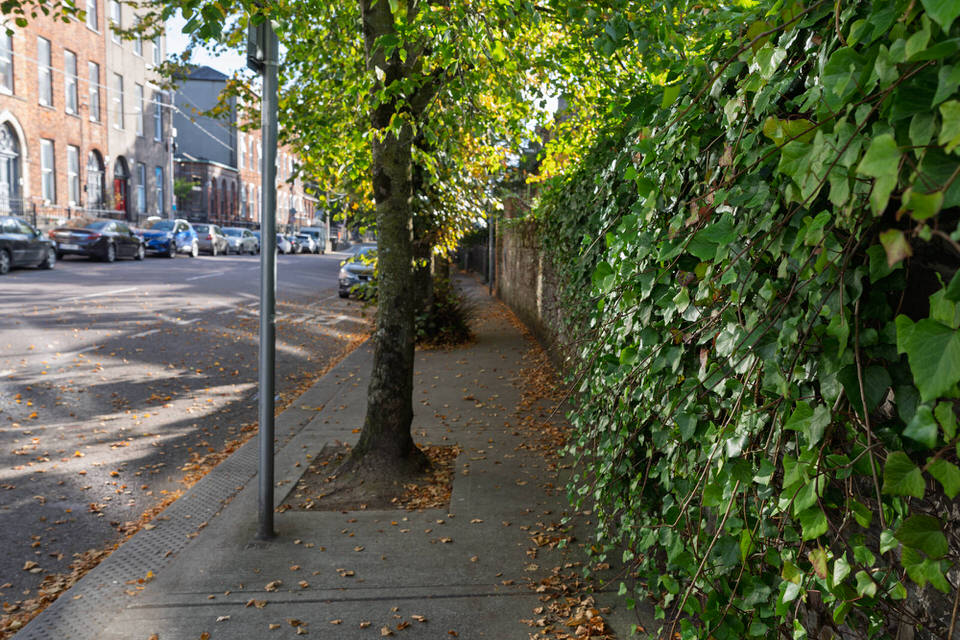
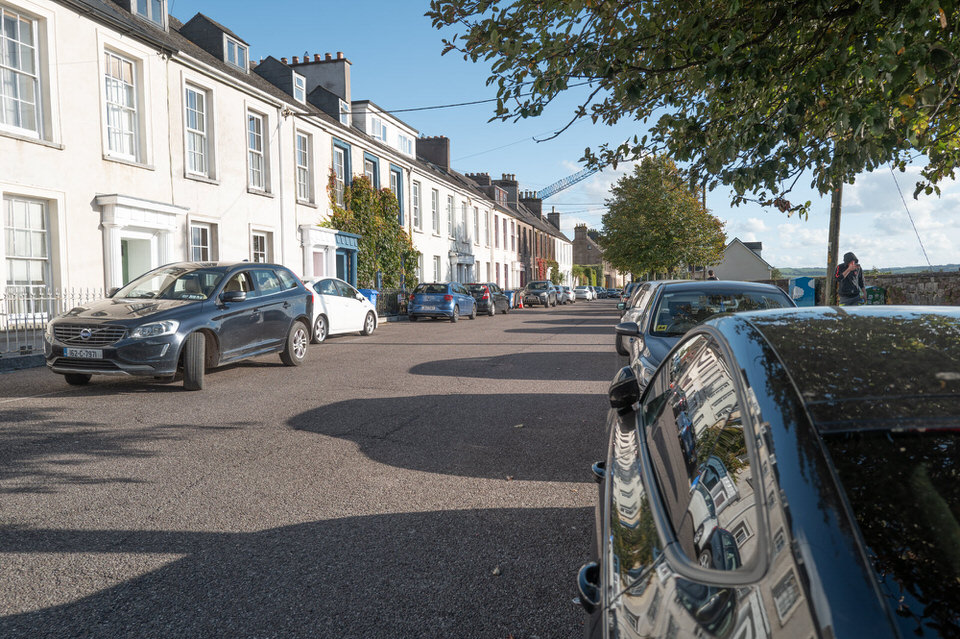
Wellington Road is one of Cork's most distinguished and historically significant residential thoroughfares. Ascending steeply from the city centre's northside, beginning near St. Patrick's Bridge and MacCurtain Street, it serves as a remarkable showcase of 19th-century urban development and architecture. The road is not just a single entity but is famously characterised by its composition of several individually named terraces, a feature that adds immense character and a sense of historical layering to the neighbourhood.


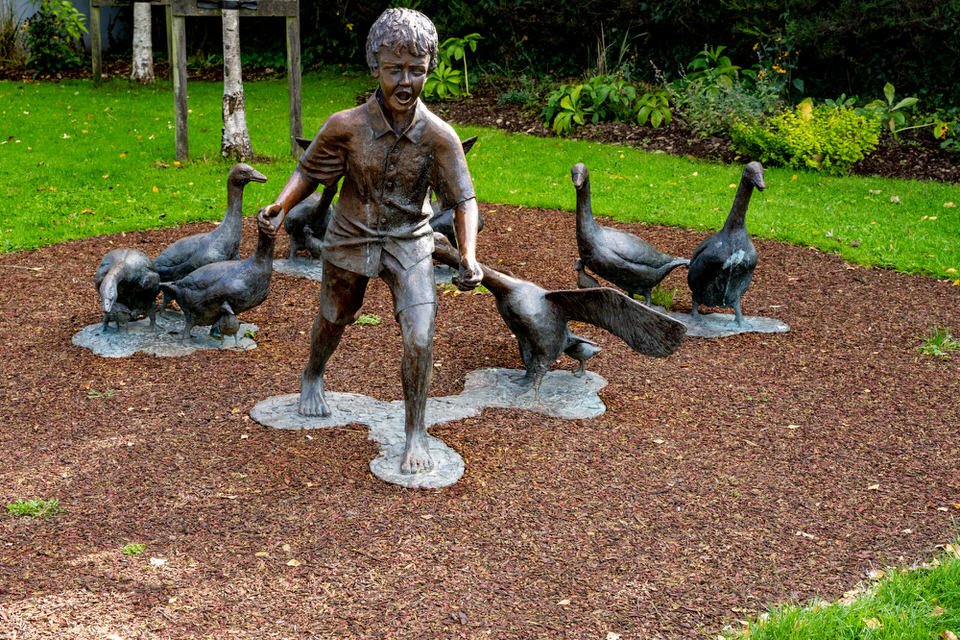
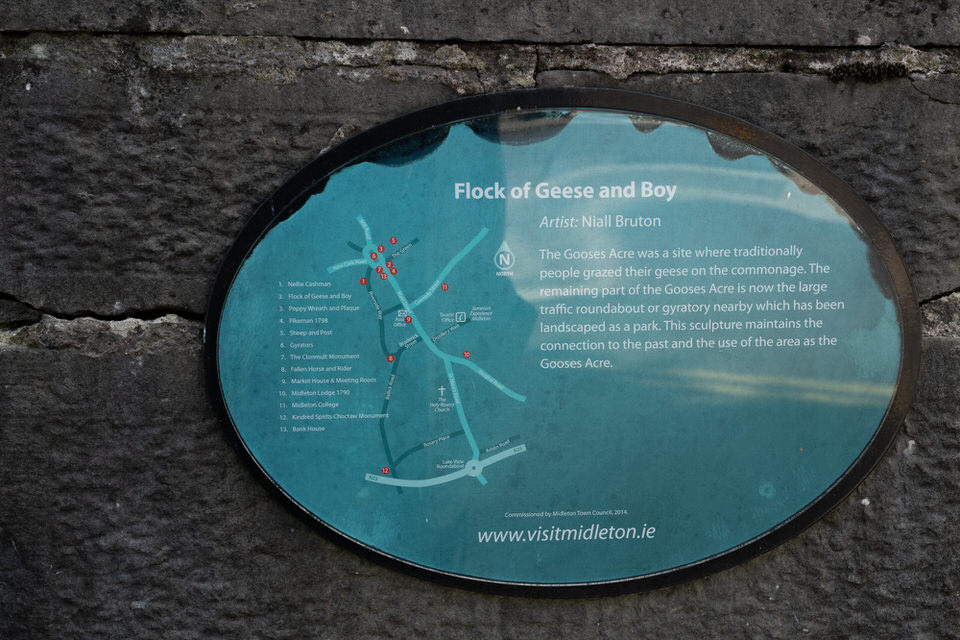
FLOCK OF GEESE AND BOY BY NIALL BRUTON

PHOTOGRAPHED AT RANDOM

PUBLIC ART IN MIDLETON

PHOTOGRAPHS OF THE SCULPTURE THE ARTIST AND THEIR ART

In the heart of Midleton, County Cork, a charming and evocative bronze sculpture captures a playful, albeit potentially perilous, moment in time: a young boy seemingly being challenged by a flock of geese. This delightful public artwork, officially titled "The Boy and the Geese," was crafted by the skilled hands of Irish artist Niall Bruton.


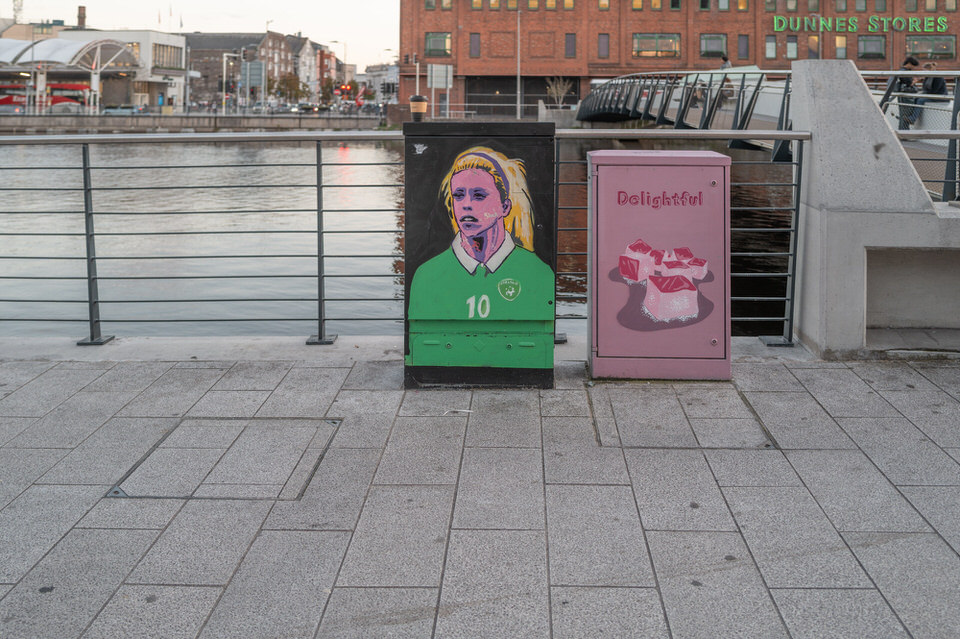
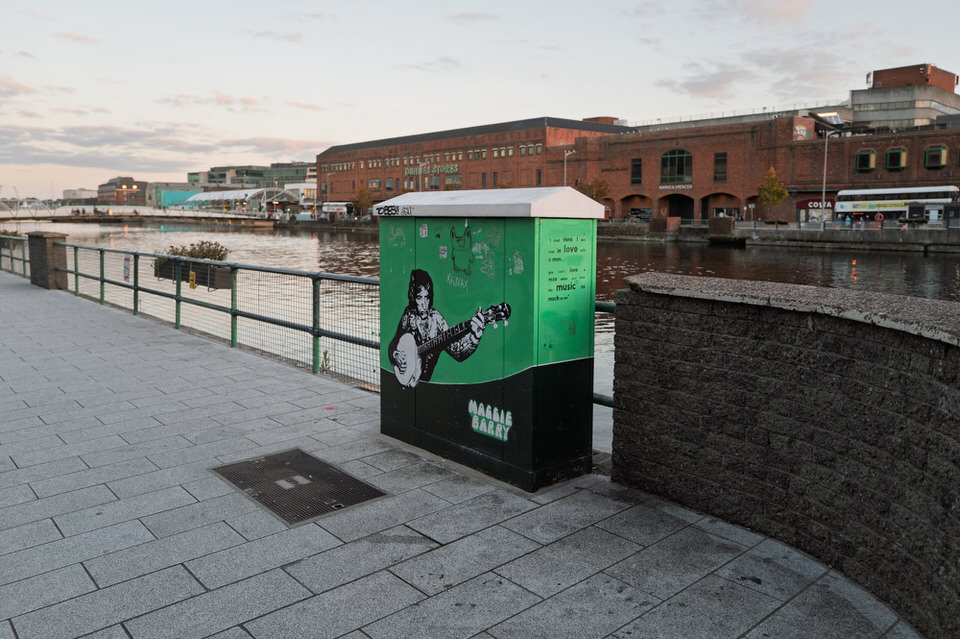
EXAMPLES OF PAINT-A-BOX STREET ART IN CORK

PHOTOGRAPHED AT RANDOM

PAINT-A-BOX ART

VISIT THE PHOTO CATALOG ABOUT PAINT-A-BOX STREET ART LET’S DISCUSS PAINT-A-BOX

The experience of this art is one of constant, serendipitous discovery. A portrait of a local musician may greet you on a busy thoroughfare, a welcoming message in a foreign tongue might appear on a quiet quay, or a tribute to a Gaelic games hero could adorn a box outside a local pub. This is art on a human scale, integrated seamlessly into the urban fabric. It demands no special journey and requires no entrance fee; it simply exists as part of the city's visual texture, enriching the everyday experience of walking from one place to another. This accessibility is fundamental to its power, turning a simple commute into a potential cultural encounter and a stroll through the city into a dynamic art trail.  


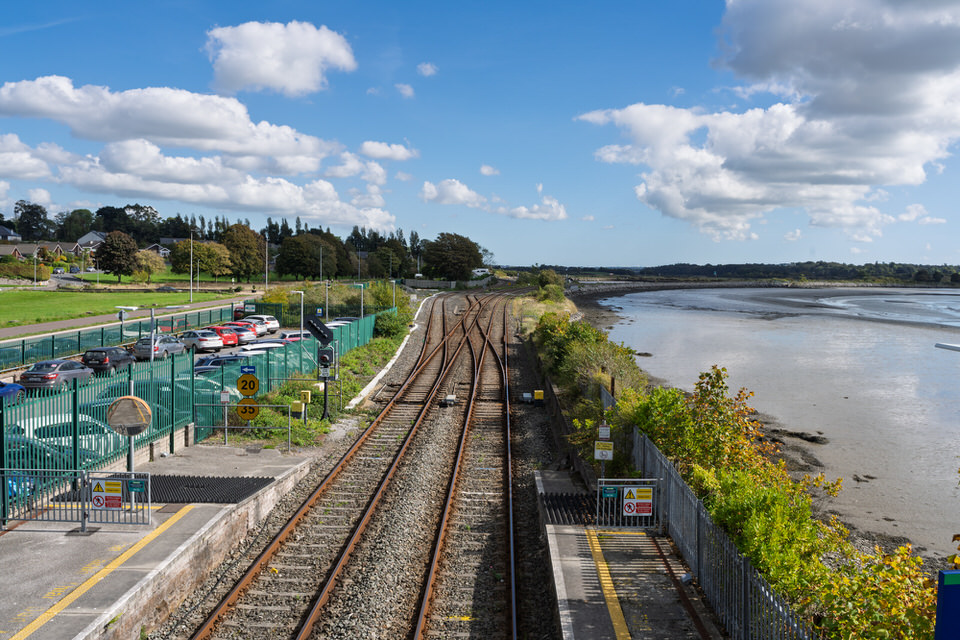
AT GLOUNTHAUNE RAILWAY STATION

I USED A SONY A7RV

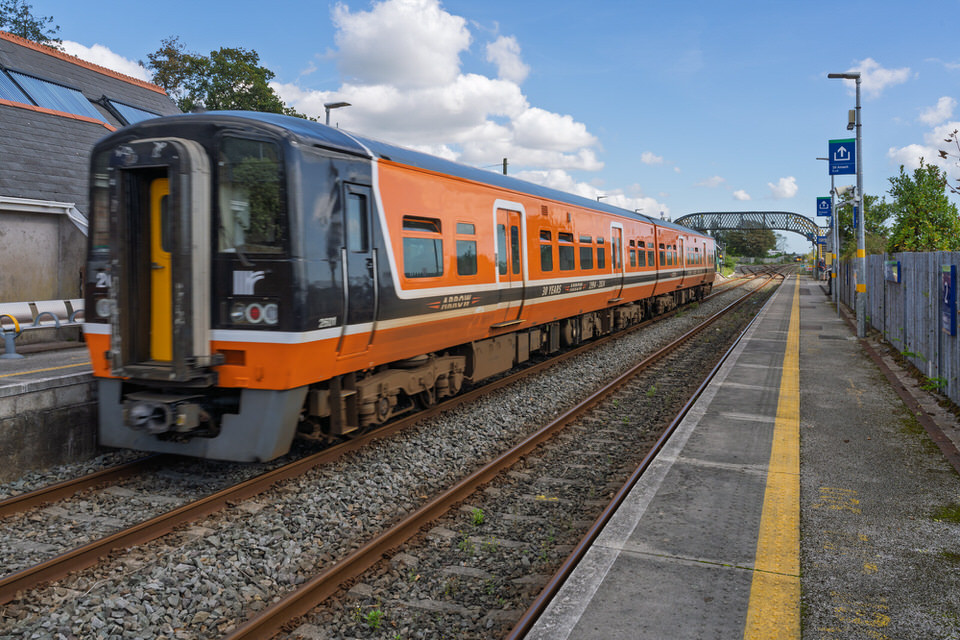
ARROW TRAIN SETS

VISIT THE PHOTO CATALOG GLOUNTHAUNE RAILWAY STATION ABOUT THE ARROW TRAINS

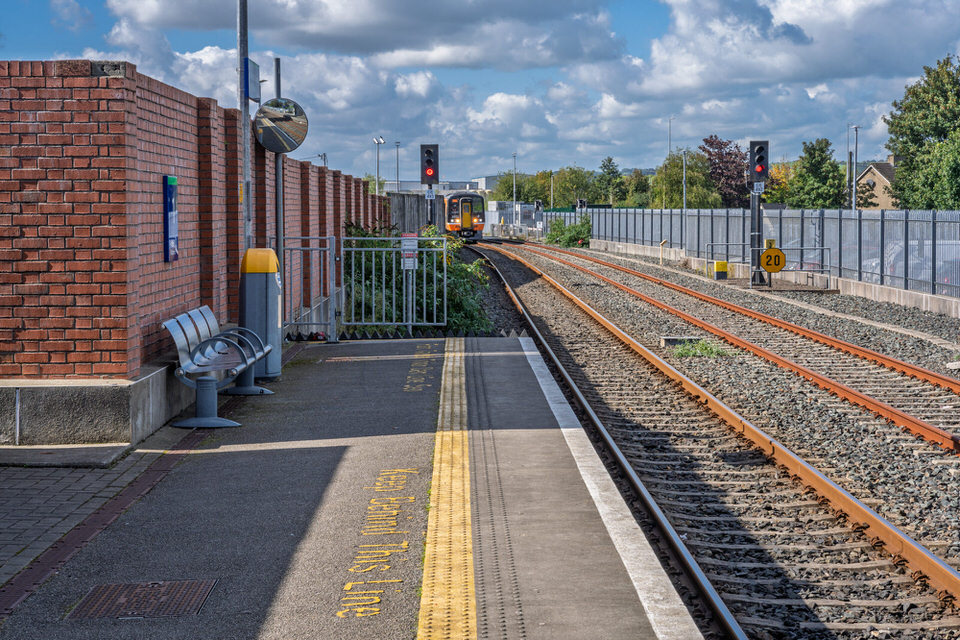
On 16 May 1994, Iarnród Éireann officially launched the "Arrow" service on the newly upgraded Kildare line. This route saw significant investment, including reopened and new stations. The brand was applied not just to the train's livery but to station signage, creating a unified and modern service identity. This was the first time a specific brand had been developed for diesel suburban services in Ireland, a clear move to elevate their public perception. The name itself—short, sharp, and evocative of speed—was a marketing masterstroke, successfully positioning the service as a completely new and superior travel option.


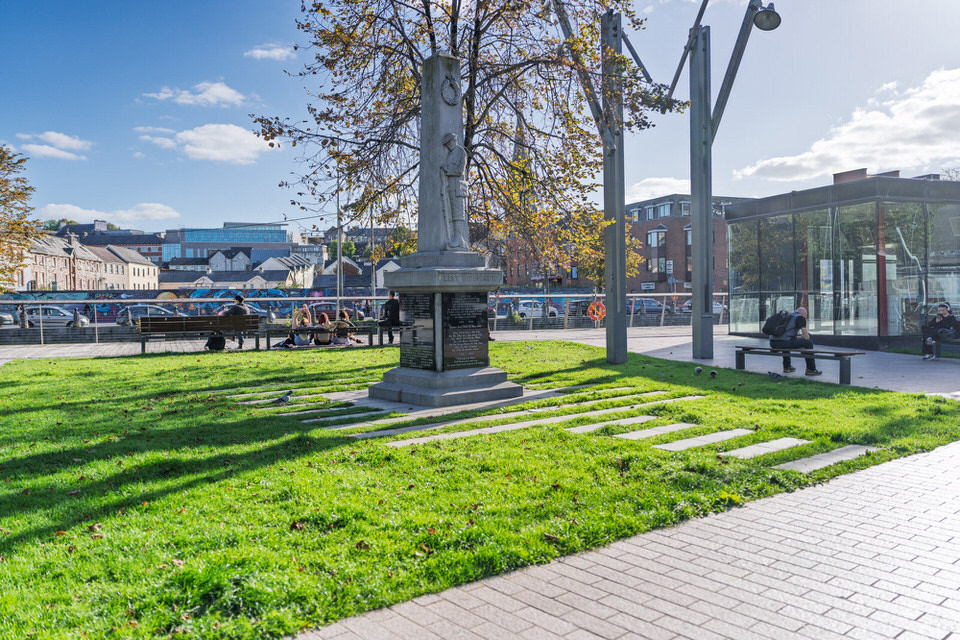
THE WAR MEMORIAL IN CORK CITY

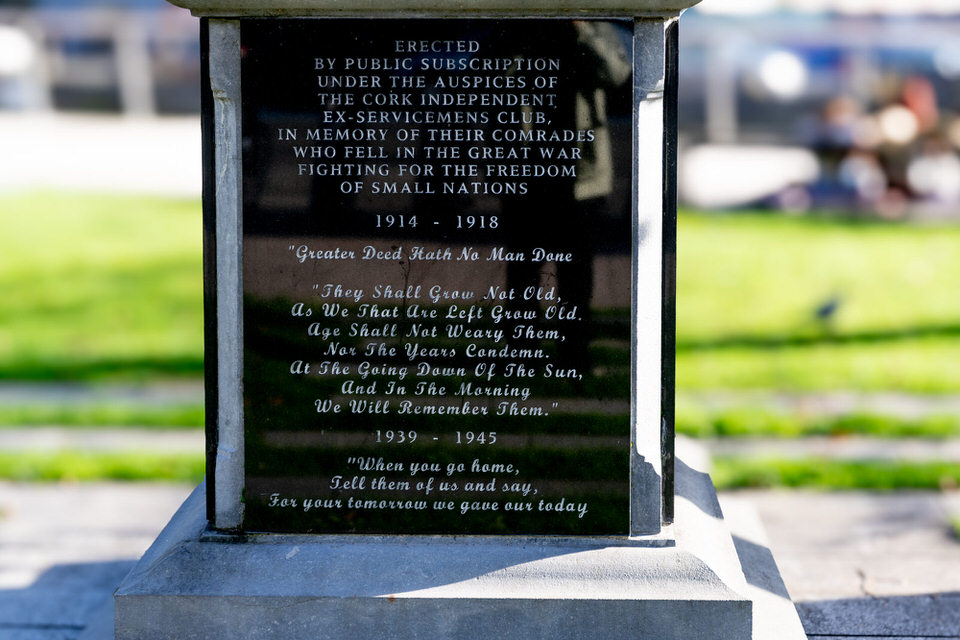
Cork's most prominent war memorial, located in the Peace Park on the South Mall, has a history marked by controversy. Initially conceived to honour the thousands of Cork residents who died in the First World War, it now also commemorates the fallen of the Second World War.

WAR MEMORIAL

VISIT THE PHOTO CATALOG ABOUT THE WAR MEMORIAL

An Unpleasant Encounter at Cork's War Memorial

Street photography, by its nature, occupies a grey area of social norms. As a photographer, one sees oneself as a neutral observer capturing a moment in a public space. To some people within that space, however, a camera pointed in their direction can feel like an intrusion. Their reaction is often based not on your intent, but on their own fears, history, and prejudices.

I recently experienced this first-hand while attempting to photograph the war memorial in Cork. My efforts were cut short by a drunk and aggressive individual who accused me of being a "foreign photographer promoting the British Empire." He repeatedly shouted, "go home you big fat Yank," an insult I've now heard twice in Cork, despite having a Dublin accent and not being large.

Why "Yank"? In the mind of an aggressor, the "outsider with a camera" often defaults to the stereotype of an American tourist. My Dublin accent was irrelevant to someone who wasn't listening and was simply looking for a target. Engaging with an intoxicated and hostile person is pointless and potentially dangerous, so I walked away—the only sensible course of action. This unpleasant encounter, however, serves as a stark reminder that some historical monuments remain focal points for unresolved tensions.


MARINA PARK AFTER SUNSET

I USED A LEICA Q3

THE CAMERA WORKED WELL

IT WAS DARK

VISIT THE PHOTO CATALOG THE HISTORY

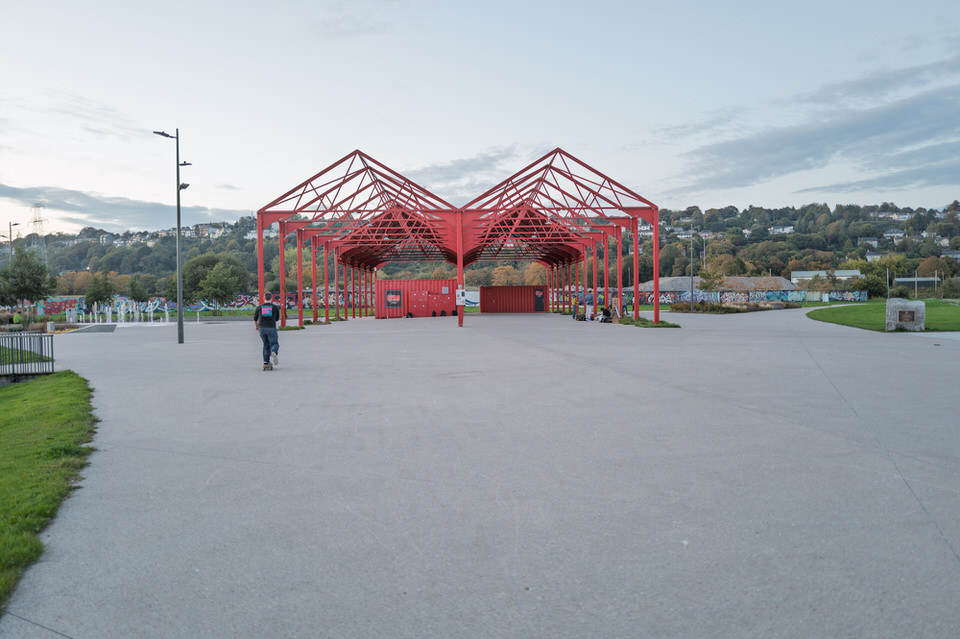
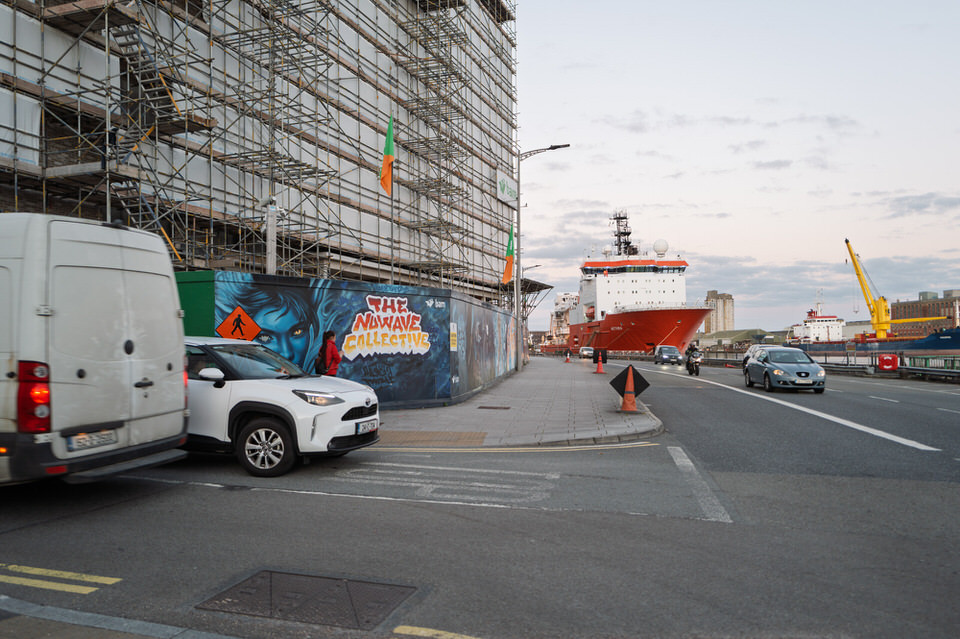
The Marina Park in Cork is not merely a new public amenity; it stands as the vibrant, green centrepiece of the Cork Docklands regeneration, arguably one of the most ambitious and transformative urban renewal projects in modern Irish history. Observations of transient street art adorning construction hoardings, novel forms of youth recreation along pristine pathways, and the relentless vertical climb of residential towers are not disparate events. They are the visible, dynamic symptoms of a district in profound flux, caught between a storied industrial past, an energetic present, and a high-density future. This report will analyse these interconnected phenomena, positioning Marina Park as the pivotal nexus where the forces of history, culture, planning, and commerce converge to shape a new identity for the city.


CHURCH AND GRAVEYARD IN MIDLETON

TODAY IS USED A SONY A7RV WITH A 28-70MM LENS

INFORMATION

MIDLETON 2025

PHOTO GALLERY HISTORY OF THE CHURCH CORK IN JULY 2016

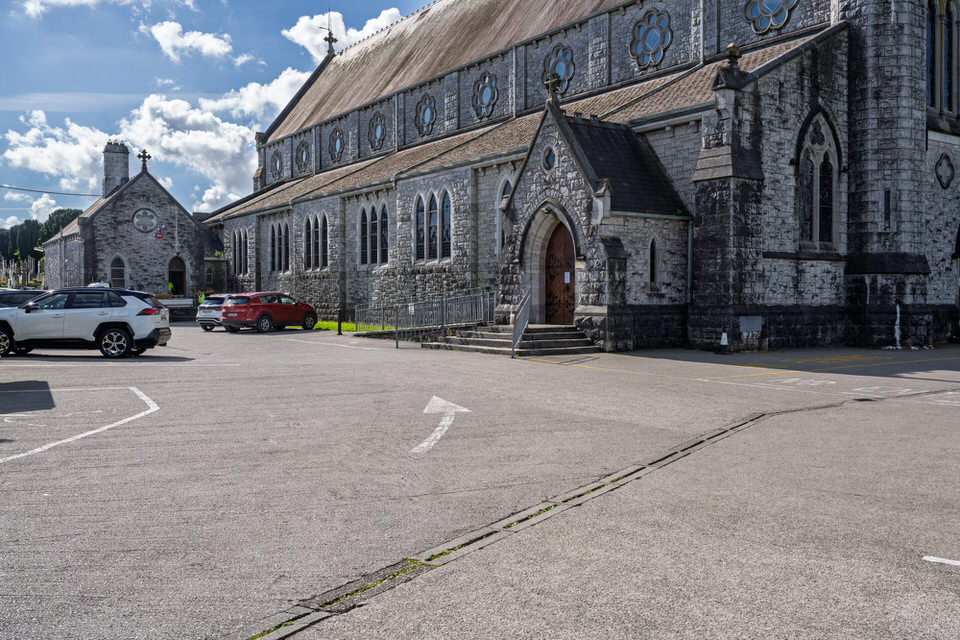
The large graveyard at the Church of the Most Holy Rosary is not the result of a specific tragedy but a testament to the remarkable foresight of the parish leadership in the late 19th century. By securing a large tract of land for both the church and its new cemetery, they provided a lasting and dignified burial ground for the Catholic community of Midleton—a prudent decision undoubtedly informed by the recent memory of a nation that had known the profound impact of inadequate burial space.


CIVIC TRUST HOUSE IN CORK CITY

50 POPE’S QUAY

A VERBAL DISCRIPTION VISIT THE PHOTO CATALOG

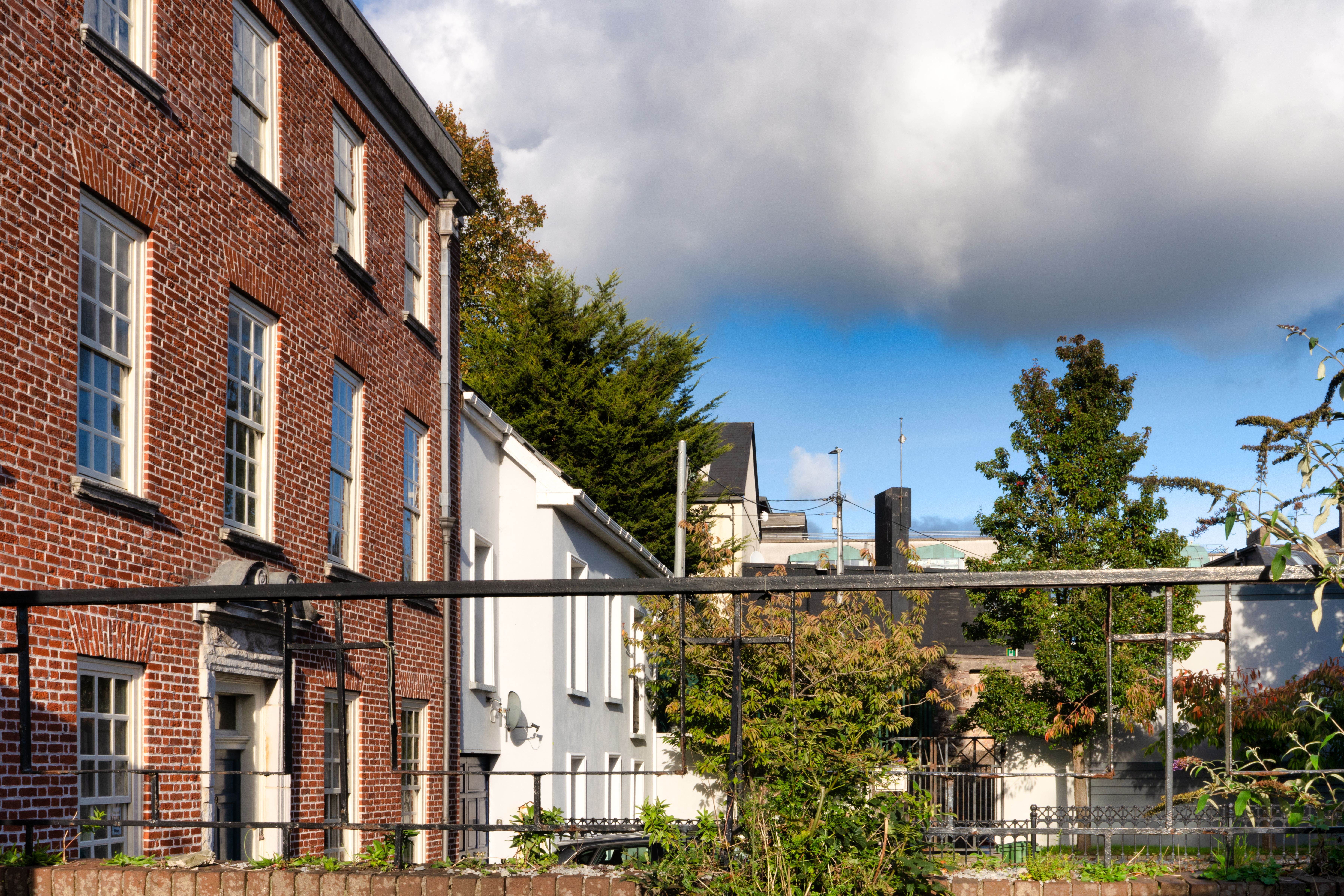
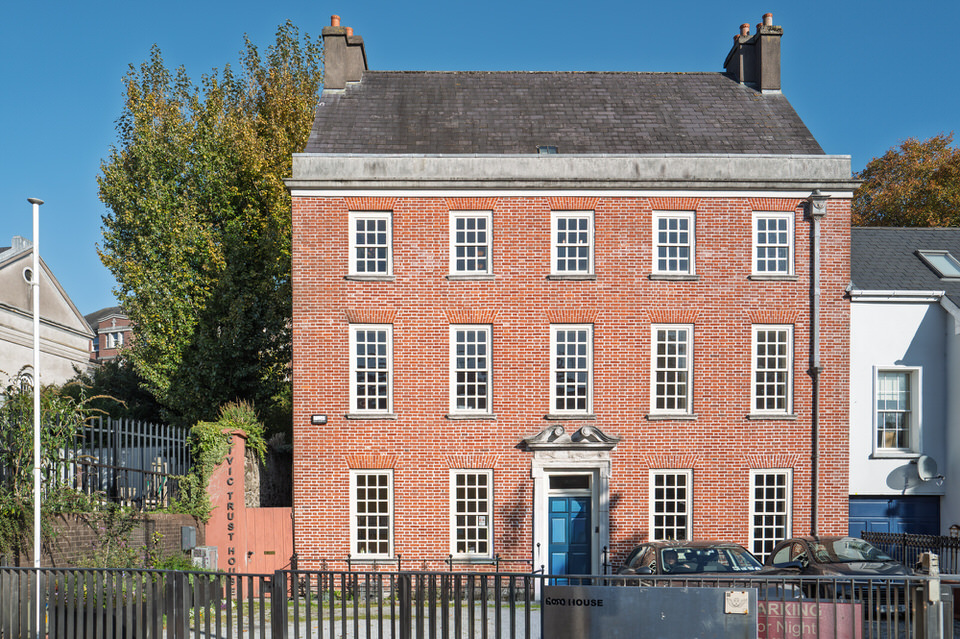
Located at 50 Pope's Quay, the Civic Trust House stands as a profound testament to the architectural and social evolution of Cork City. This report provides an exhaustive analysis of the building's 300-year history, tracing its journey from its construction circa 1720-1730 to its current status as a vibrant cultural institution. Architecturally, it is identified as Cork's oldest surviving residence, a rare and nationally significant example of the transitional Queen Anne style that preceded the city's Georgian boom. Its exterior red brick façade, carved limestone doorcase, and preserved interior features underscore its importance as a benchmark of early 18th-century craftsmanship.


MY VISIT TO CORK CITY AND COUNTY

A WEEK IN SEPTEMBER

VISIT THE PHOTO CATALOG THE SHIP WITH TWO LIVES

Affectionately known as 'The Rebel County', Cork is Ireland's largest county, located in the province of Munster in the southwest. It is a region of immense contrasts, blending a vibrant, cosmopolitan city with a vast and breathtakingly beautiful coastline and countryside.

Cork City is a dynamic and youthful hub built on an island in the River Lee. Its compact city centre, crisscrossed by channels and historic bridges, is best explored on foot. The city is renowned for its thriving culinary scene, famously centred around the historic English Market, a Victorian covered market brimming with artisanal produce. With a rich maritime history, a lively arts and music culture, and landmarks like the iconic Shandon Bells and the neo-Gothic St. Fin Barre's Cathedral, Cork offers a distinctly proud and welcoming atmosphere.

Beyond the city, County Cork unfolds into a spectacular landscape. It boasts one of Ireland's most dramatic coastlines, forming a major part of the Wild Atlantic Way. This includes rugged peninsulas like the Beara, Sheep's Head, and Mizen Head, offering world-class hiking and stunning sea views. The county is dotted with colourful and picturesque towns, from the gourmet capital of Kinsale to the historic harbour of Cobh, the final port of call for the Titanic. With its gentle green pastures, wild coastlines, and charming villages, County Cork provides an unforgettable taste of Ireland's natural beauty and heritage.


A VERY LARGE SCULPTURE IN COBH

THE SHANTYMAN

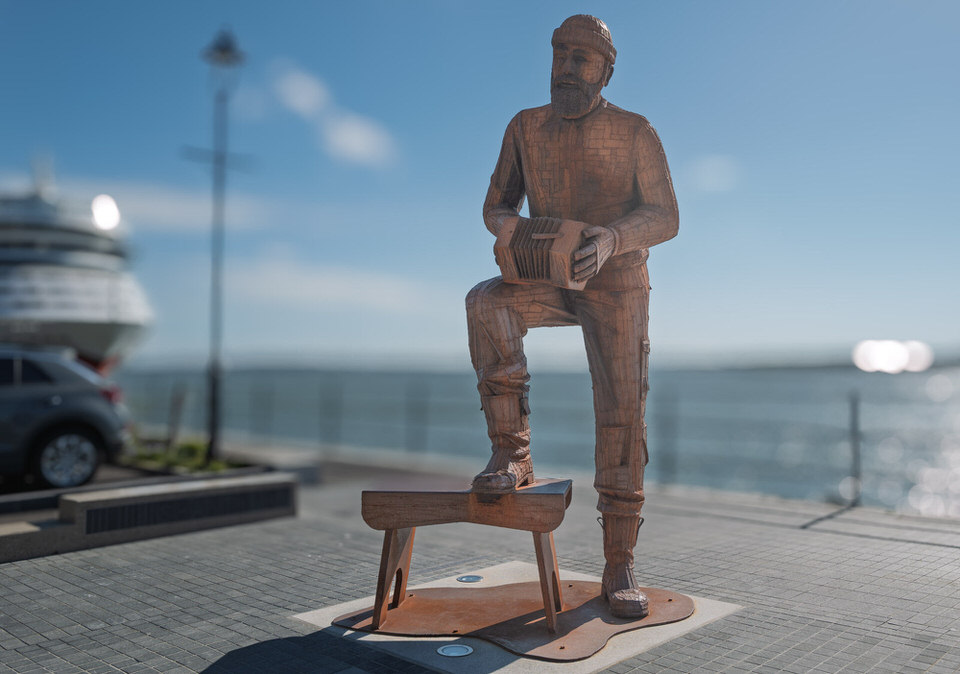
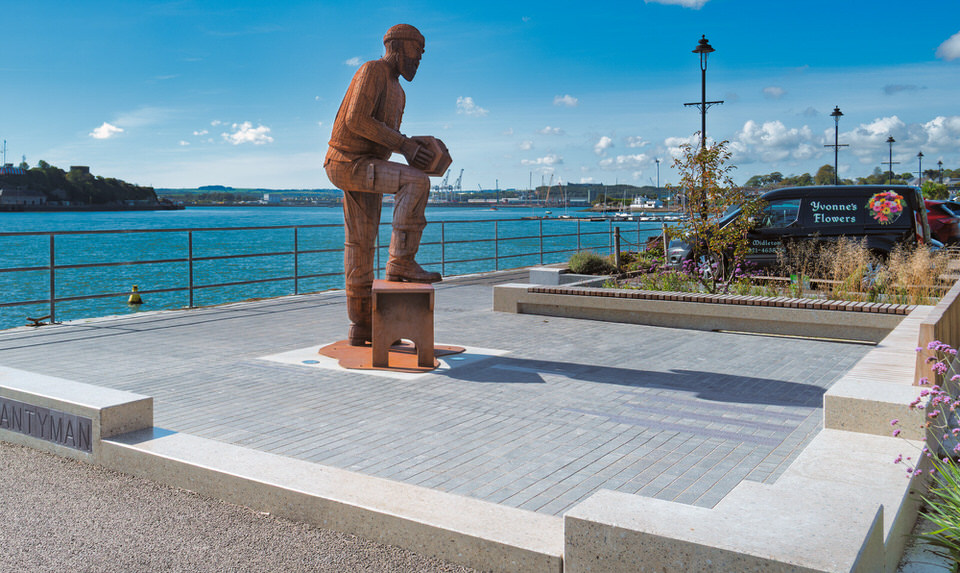
On the Five Foot Way in Cobh, a new figure stands watch over the vast expanse of Cork Harbour. He is a mariner, forged from steel, his presence both powerful and poignant. At 11 feet tall, the twice-life-size shantyman is a monumental presence, yet his posture is one of intimate performance. A thick beard frames a face caught mid-song, a squeeze box rests in his hands, and one booted foot is propped on a stool—the classic stance of a musician lost in his tune.


ABOUT THIS VERY LARGE SCULPTURE LET’S DISCUSS THIS SCULPTURE

COBH COUNTY CORK

DECK OF CARDS

VISIT THE GALLERY VISIT THE GALLERY LET’S DISCUSS THIS CORK 2016

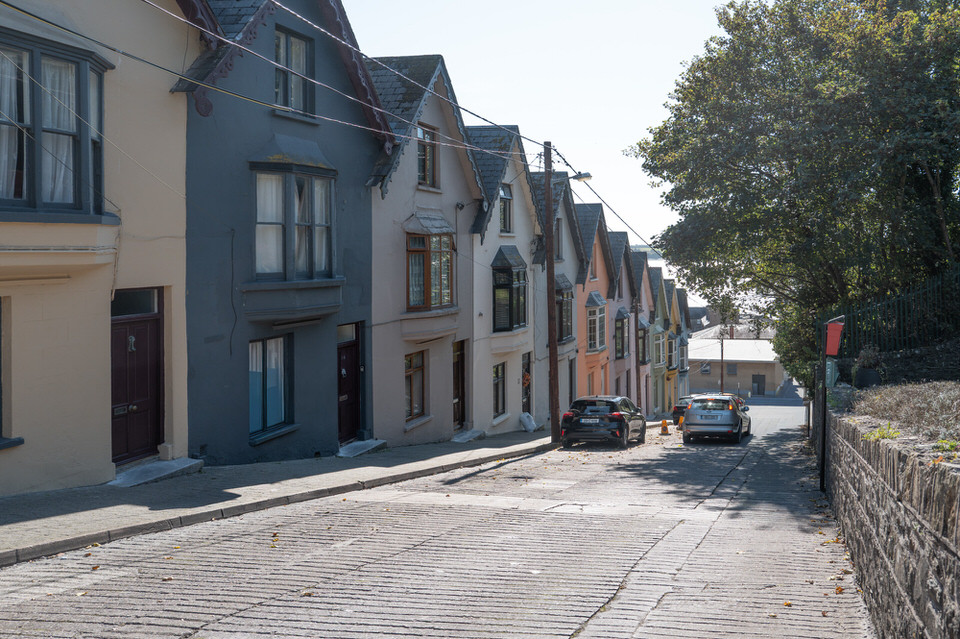
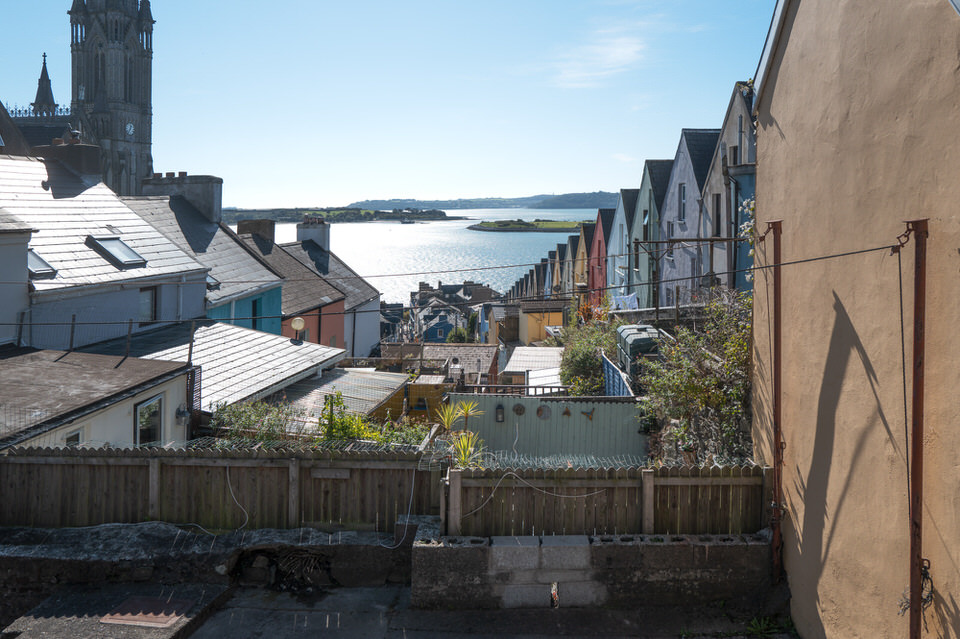
Perched on a precipitous incline in the historic harbour town of Cobh, County Cork, is a row of 23 gable-fronted houses that present one of the most memorable architectural vistas in Ireland. Known formally as West View Terrace, this cascade of homes, each stepped neatly above the other, is a spectacle of vibrant colour and Victorian flamboyance. Set against the soaring neo-Gothic grandeur of St Colman's Cathedral, the composition creates an almost storybook-like scene, a visual signature for the town that has graced countless postcards and millions of social media posts.  


CURRENTLY A DERELICT SITE

HOLY WELL

Hopefully my photographs of Our Lady's Well provide a complex and poignant picture. The collection of images show the stone structure of the well itself, now inaccessible beneath a heavy protective metal grill. Surrounding it is the stone amphitheater-style seating and paved area, remnants of the 1981 restoration, now marred by graffiti and litter. The small, boarded-up red sandstone grotto that once housed a shrine to the Blessed Virgin Mary stands as a blind witness to the site's devotional past.


THE PHOTO GALLERY THE FEVER HOSPITAL LET’S DISCUSS THE WELL THE BACKGROUND STORY

FEVER HOSPITAL STEPS

THE STEPS

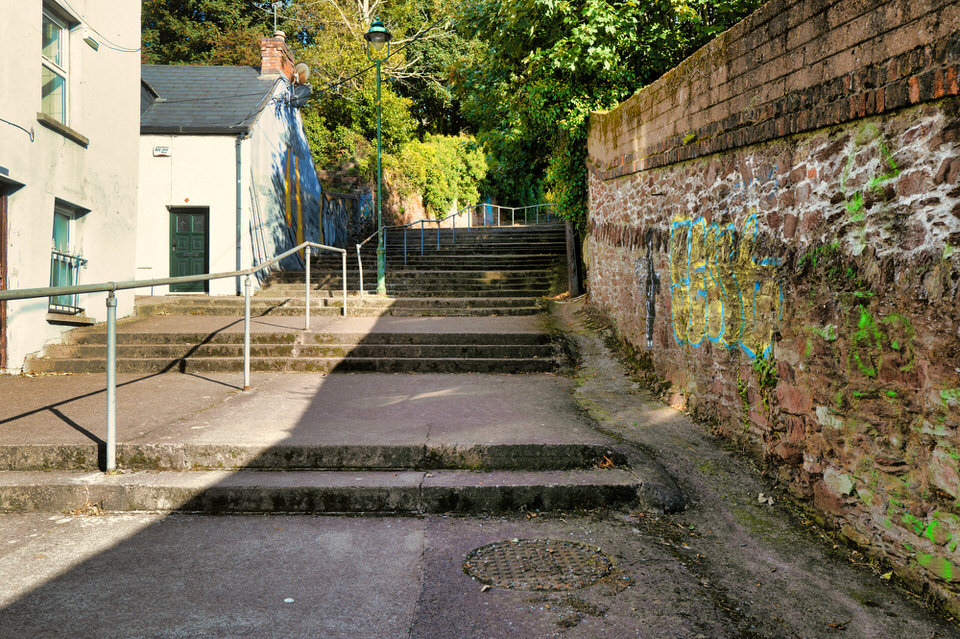
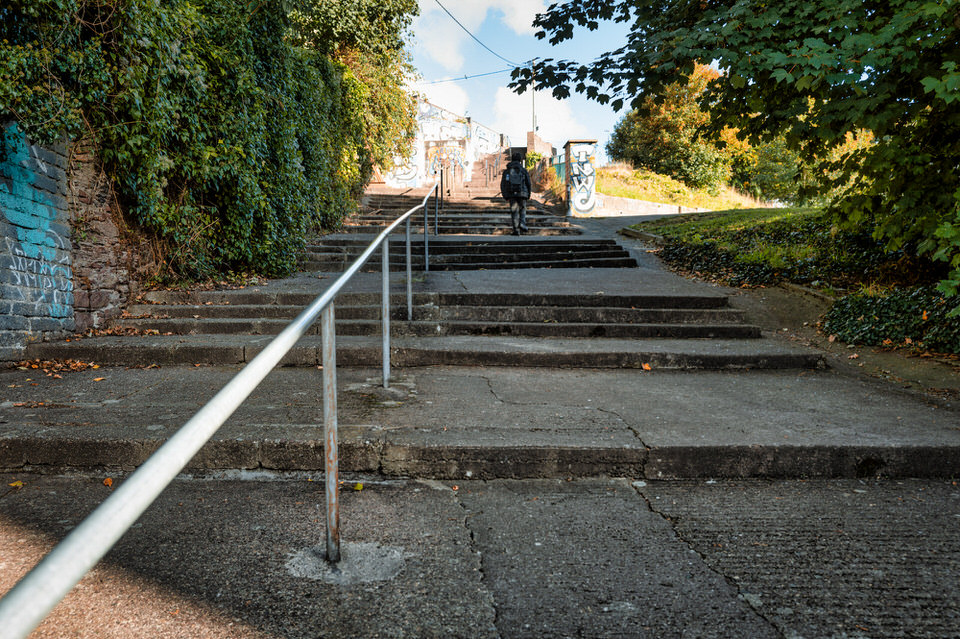
Returning to the present, the physical remnants of this complex history are still visible. The Fever Hospital Steps themselves endure, a solid, tangible link to the past, though the hospital they once served is long gone, its site now occupied by the Shandon Court housing estate. On the hill above, Richmond Hill retains some of its 19th-century architectural fabric, though elements like the original limestone kerbing are now in poor condition, subtle markers of time’s passage.  


THE PHOTO GALLERY MY 2019 VISIT THE FEVER HOSPITAL STORY LET’S DISCUSS THE WELL THE BACKGROUND STORY
THE SHANTYMAN IN COBH A Very Large Corten Steel Sculpture

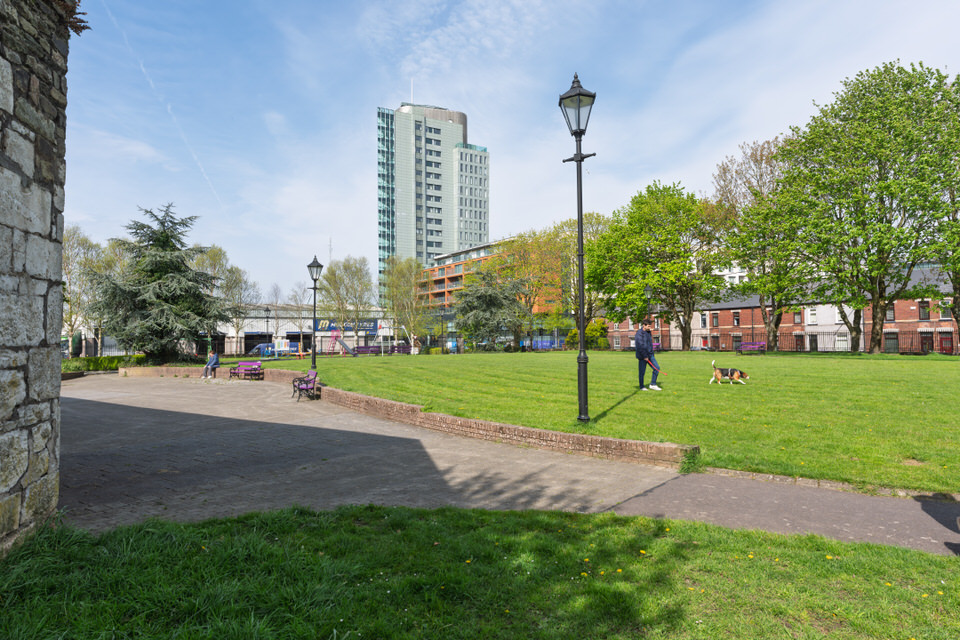
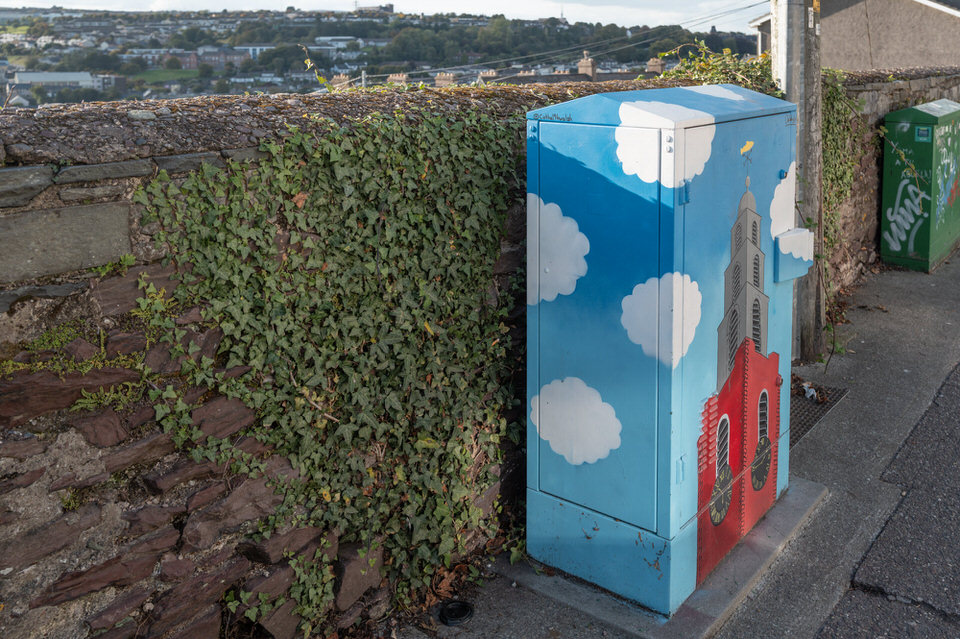
The location of this street art at Audley Place is particularly fitting. This area offers a historic vantage point of the Shandon steeple, a view famously captured by the 18th-century artist John Butts in his painting "A View of Cork from Audley Place." The contemporary mural on the utility box continues this artistic tradition, reinterpreting the iconic landmark for a modern audience and making art accessible to everyone in the public space.


MY FIRST VISIT

AUDLEY PLACE

The precise origins of "Audley Place" and "Bell's Field" are, according to local histories, "lost to time." One theory links Audley Place to the Lords Audley, who were significant landowners, but no definitive connection has been established. A more likely theory suggests that the popular name, Bell's Field, derives from a "Major Bell" connected with the nearby Collins Barracks.


THE PHOTO GALLERY THE HISTORY THE DISCUSSION PAINT-A-BOX ART