Bob And Joans Walk In Cork City April 2026 - Presented By The The Urban Cartographer
LET MISTER SCREEN ASSIST YOU
GLOBAL INDEXThe Urban Cartographer
TECHNICAL STUFF
VIEWS OF CORK HARBOUR
Bob And Joans Walk In Cork City April 2026 - Presented By The The Urban Cartographer
Bob And Joans Walk In Cork City April 2026
Author: The Urban Cartographer
|
19. May 2026
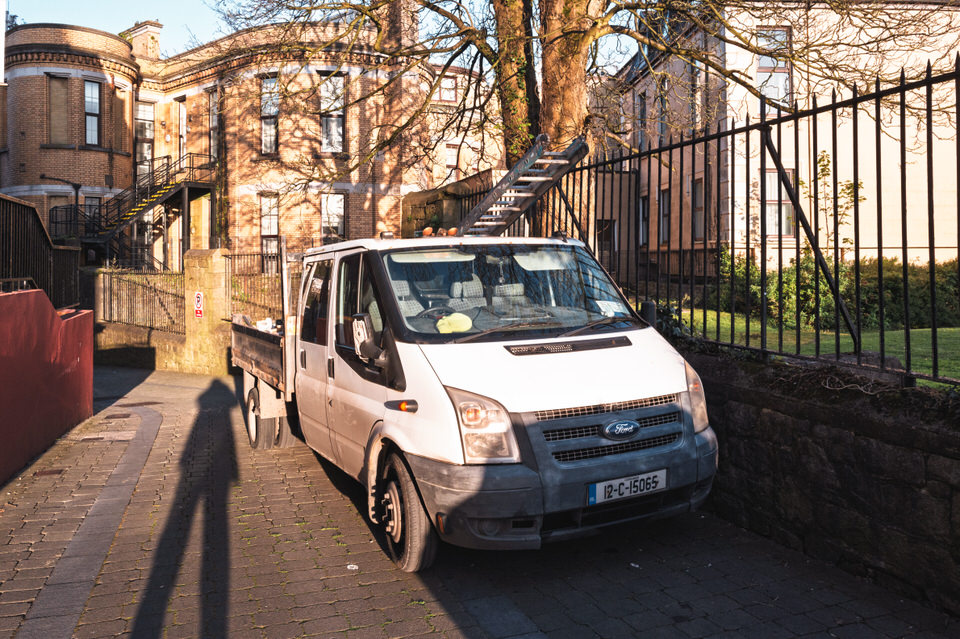
I spent much of my time complaining about the weather and then when I got a few hours of intense sunlight I was unable to cope with it. One thing that I have noticed when photographing public spaces, and especially in the two parks that I visited today, is the increase in small plastic bags containing dog waste dumped or left at random and I will discuss this towards the end of this post. Tucked away on the Northside of Cork City, ascending the historic hill of Shandon, lies a narrow pathway packed with centuries of local lore: Bob and Joan’s Walk. For those traversing this historic lane, the path neatly divides two distinct yet deeply interconnected green spaces—St Anne’s Park and Dr Mary Hearn Park. Both spaces are beautifully repurposed, tranquil public parks that once served as the bustling historic graveyards of Shandon. Here is the fascinating story of the lane, its two parks, and the ghosts of Cork’s past that still echo through them. The Story Behind "Bob and Joan's Walk" The lane gets its eccentric name from two famous local characters who were never actually alive. In 1715, the Reverend Henry Maule founded the Green Coat Hospital School along this path, a charity school built to educate and clothe poor parish children. To encourage donations, two life-sized lead statues—one of a schoolboy and one of a schoolgirl dressed in their green-frocked uniforms—were mounted upon the gateway pillars. The sharp-witted people of Cork instantly christened them Bob and Joan. Though the school was sadly demolished in 1955, Bob and Joan survived. If you climb the tower of the adjacent church today, you will find the original 300-year-old statues safely on display inside the belfry. 1. St Anne’s Park (The Churchyard Section)
The western, dominant section of the grounds is St Anne’s Park, which directly encompasses the world-famous St Anne’s Church, Shandon—unmistakable on the Cork skyline with its red-and-white sandstone tower and its iconic "Goldie Fish" weather vane. Shandon Bells History & Archaeology This site is arguably the ancient ecclesiastical heart of Cork’s Northside. Long before the current church was erected in 1722, an older medieval church called St Mary’s Shandon stood here, which was entirely destroyed by fire during the tumultuous Siege of Cork in 1690. The park sits on top of layers of history, with archaeological roots stretching deep into medieval times. Items of Interest & VIP Graves While standard burials ceased here over a century ago, the churchyard remains the final resting place for several of Cork's most notable historical figures: Francis Sylvester Mahony (Father Prout): Located to the left of the church is the burial plot of the Mahony family. Francis Mahony was a celebrated 19th-century author, humorist, and journalist who famously penned the immortal poem and song, The Bells of Shandon. He was also a heroic figure locally, stepping in as chaplain to comfort the dying during the devastating 1832 cholera epidemic. The Wise Family Vault: A beautiful, prominent black marble and brass memorial marks the final resting place of the Wise family—the historic industrial barons who founded the famous Cork Distilleries Company. The 1629 Baptismal Font: Though located just inside the church doors rather than on the grass, this is a must-see. It miraculously survived the 1690 siege fire and was used to baptise Mary Aikenhead, the inspirational woman who went on to found the Irish Sisters of Charity. 2. Dr Mary Hearn Park (The Lower Section) Directly across or extending just south-eastward down Bob and Joan’s Walk sits the second, separate segment of the old cemetery lands: Dr Mary Hearn Park. History & Evolution Though records explicitly document burials here from 1722 onward, historians believe this specific pocket of land was utilised as a cemetery as far back as the 8th or 9th century. New interments ceased around 1900, and the graveyard slowly fell into extreme disrepair. In 1985, the Church of Ireland entrusted the site to the Cork Lions Club to kickstart its transformation into a memorial garden. However, its modern rebirth didn't truly solidify until 2006, when Cork City Council took ownership. Following a meticulous restoration of paths, green areas, and structurally vulnerable headstones, it officially opened to the public as a park in June 2011. The park is named in loving memory of Dr Mary Hearn, a highly respected local figure and the wife of Robert T. Hearn, who served as the dedicated rector of St Anne’s from 1905 to 1939. Items of Interest Current Status: A Historic Oasis Across The River Lee Was The Blue Coat School Just as the Northside of Cork City had its famous Green Coat Hospital School at Shandon, the Southside had its very own Blue Coat School. Officially named St Stephen’s Hospital, it was established in 1699 by a wealthy merchant named William Worth (and heavily supported by his brother Edward Worth, the Dean of Cork) to educate and care for poor Protestant boys. Diocese of Cork, Cloyne and Ross Here is a quick look at the history, location, and harsh realities of Cork's southside Blue Coat School: The Location: The Blue Coat School was located in the south liberties of the city, situated near Barrack Street and the historic Elizabeth Fort area. If you walk past the ancient grounds of St Fin Barre’s Cathedral or down toward Cove Street today, you are walking through the historic footprint where these boys were housed. A Brutal Daily Life:While it provided a lifeline to poor families and orphans who otherwise faced starvation, life inside the Blue Coat School was incredibly grim by modern standards: The Routine: The curriculum consisted primarily of reading, writing, arithmetic, and religious instruction. Once the boys reached 14, they were immediately given grueling trade apprenticeships or sent away to work as labourers on ships out at sea. The Dog Waste Issue It makes absolutely zero sense, and I am far from alone in your frustration. It is one of the most baffling, contradictory behaviours to emerge on Irish walking trails, parks, and streets since the pandemic dog boom. The pandemic genuinely did trigger a massive spike in dog ownership across Ireland. Shelters were emptied, and suddenly, thousands of households had a new four-legged family member. But with that came a strange new phenomenon: the abandoned poop bag. Here is a breakdown of why this happens, why it is actually worse than doing nothing at all, and the current status of the issue in Ireland. The "Logic" (Or Lack Thereof) Behind It The "Performative Clean Up": People pick it up because someone is watching them. The fear of social shame (or a €150 fine under the Litter Pollution Act) forces them to do the "good citizen" part. Once they walk around the corner and out of sight, the bag is dropped. Why It Is Worse Than Leaving It Bare Leaving a plastic bag on the ground is actively worse than just leaving the dog waste to decompose on its own.
The Environmental Stagnation: A bare pile of dog waste will generally break down and wash away into the soil within a few weeks (though it carries harmful bacteria like Toxocara canis, which can cause blindness in children). By sealing it in a standard plastic bag, the owner has mummified the waste. It will now sit there for up to 500 years, shedding microplastics into the Irish soil and waterways. Even if the owner uses a bag explicitly labeled "biodegradable" or "compostable," those bags require industrial composting conditions (high heat and specific moisture) to break down. Sitting on a damp ditch in Cork or Dublin, they simply break apart into invisible, toxic plastic fragments. What Is Being Done About It in Ireland? The post-Covid dog explosion has forced local councils to get creative—and aggressive—to tackle the issue:
The DNA Testing Threat: Several councils (including Leitrim and parts of Dublin) have trialed or threatened DNA testing schemes. The idea is to register dogs' DNA and match it to abandoned waste to issue fines directly to owners. "Any Bag, Any Bin": For a long time, people complained there weren't enough specific "dog waste bins." Public campaigns now heavily emphasise that dog bags can go into any standard public litter bin.
Audio Warnings: Some parks have installed solar-powered smart sensors. When you walk past, a localised speaker plays a message reminding you to clean up after your pet. In the UK, the problem is arguably just as severe as it is in Ireland, if not worse. The British have even coined a specific, dark phrase for it: "Dog Poo Baubles" or "Scatological Christmas Trees." Ultimately, it highlights a strange gap in personal responsibility. People went to the effort of buying a dog, buying the bags, bending down, and doing the unpleasant part of the job—only to fail at the final, simplest step of carrying it to a bin. The Global Consensus Whether it is a country lane in Cork, a woodland trail in Yorkshire, or a mountain path in Colorado, the underlying psychology remains identical worldwide: The Performative Social Contract: It is a global human quirk. People are highly motivated by the immediate fear of being judged or fined by a passing stranger, so they perform the "good citizen" act of bagging the waste. But once the audience is gone and they are left alone with the unpleasant reality of carrying it, the long-term sense of civic duty collapses.
It remains an ongoing battle for park rangers worldwide, who routinely point out that a standard plastic bag will easily outlive the person who dropped it.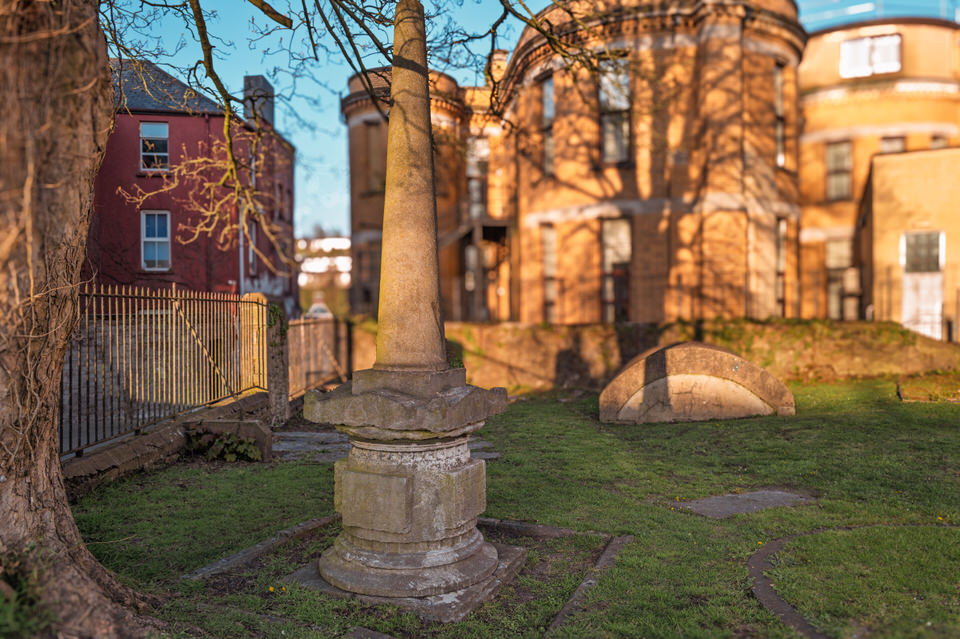 Bob And Joan's Walk - Select Image To View Photographs
The Pupils: Destitute children were brought into the boarding school as young as four years old and remained there until they turned 14.
The Conditions: Historical records paint a picture of cramped beds, a total lack of heating, and poor sanitation. Outbreaks of illness due to malnutrition and low hygiene standards were frequent.
The Uniform: The boys wore coarse blue coats and caps. Blue was chosen not for style, but because it was the cheapest dye available at the time and was a traditional symbol of humility and charity.
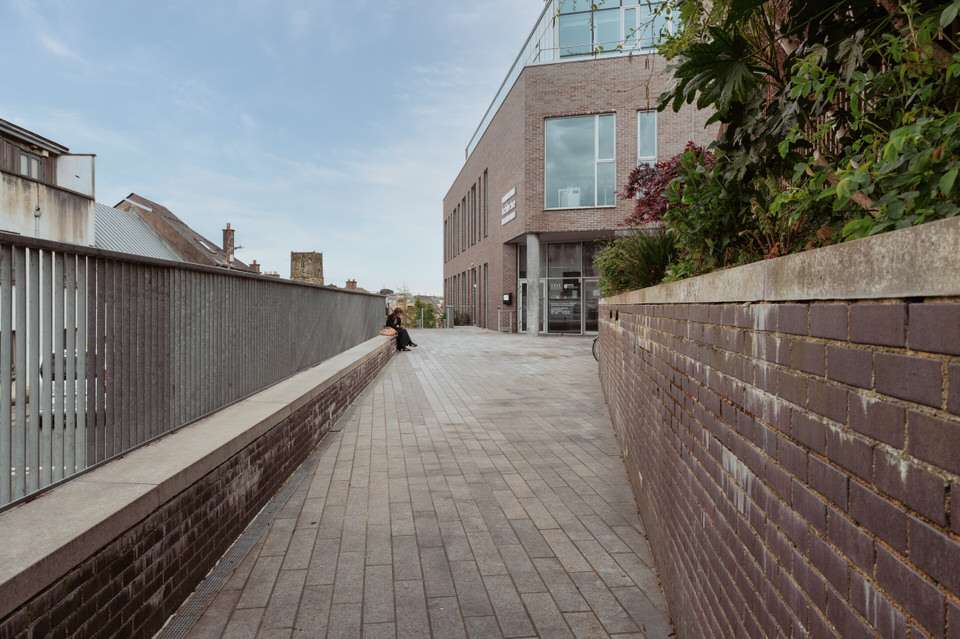 Historic Cork South Side April 2026 - Select Image To View Photographs
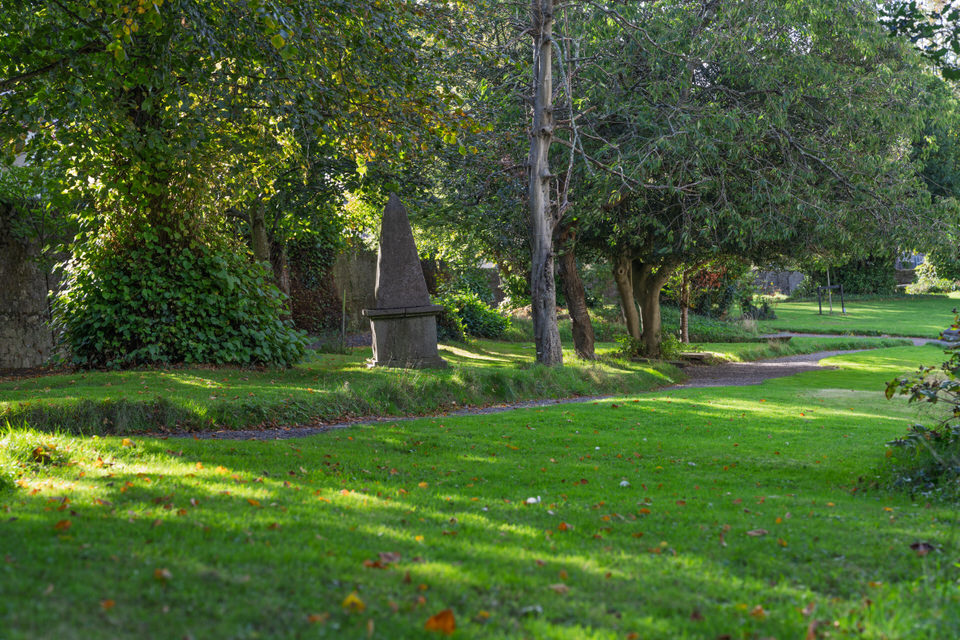 My September 2025 Visit To Fin Barres - Select Image To View Photographs
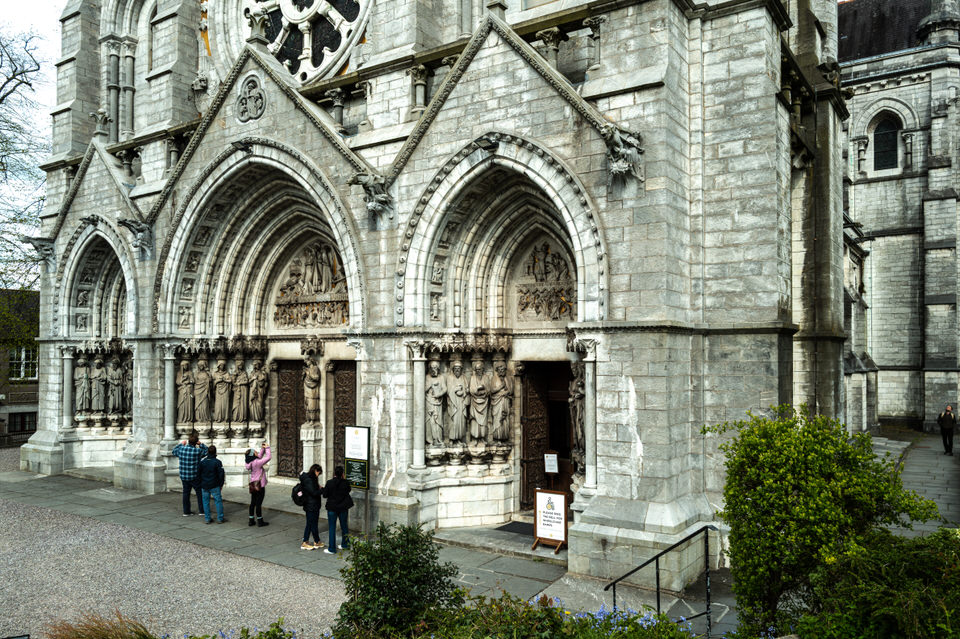 Fin Barres Cathedral Leica Q3 Session - Select Image To View Photographs
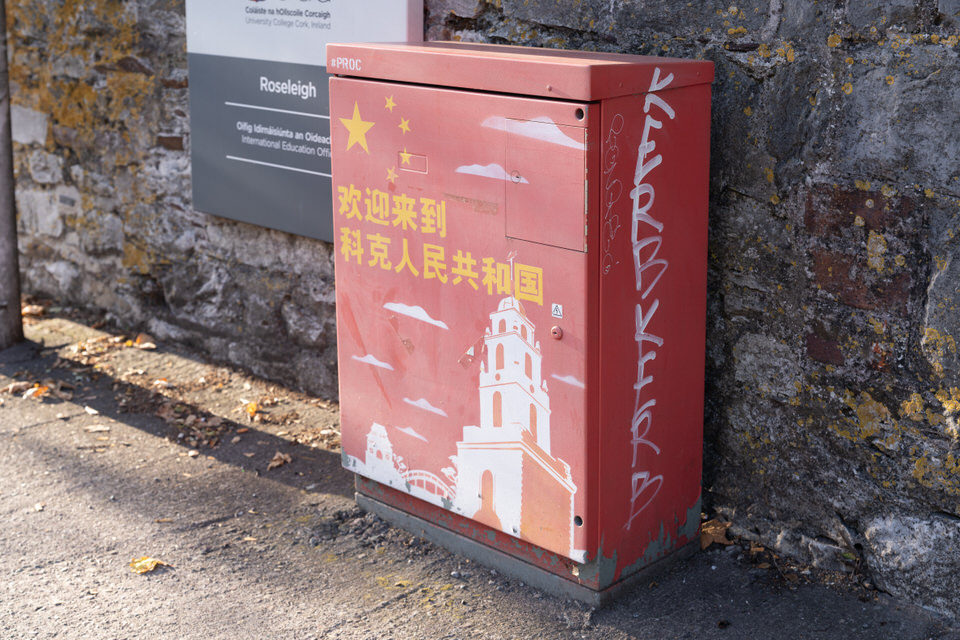 Peoples Republic Art - Select Image To View Photographs
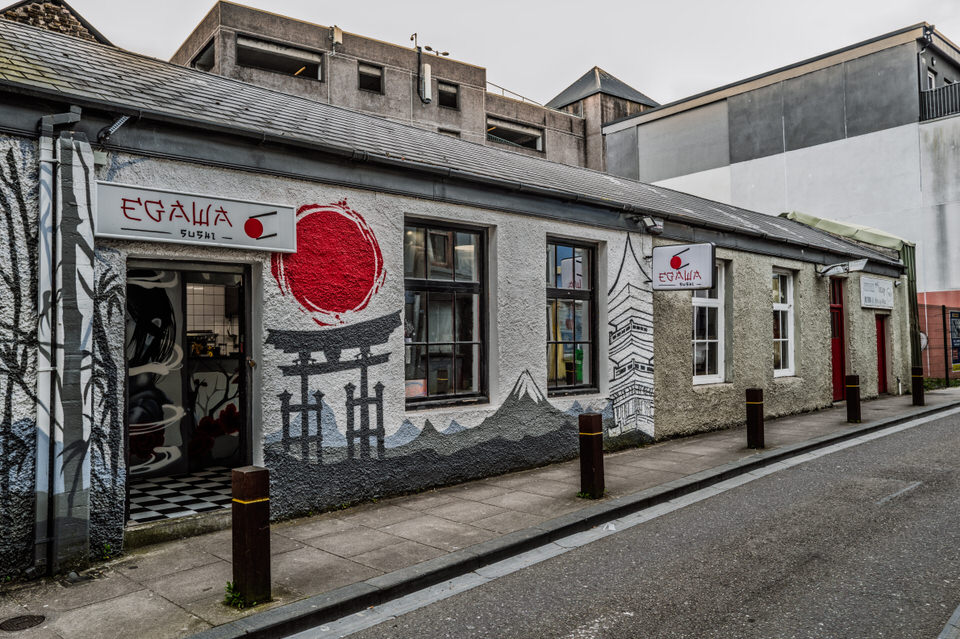 Egawa Sushi 18 Kyle Street Cork - Select Image To View Photographs
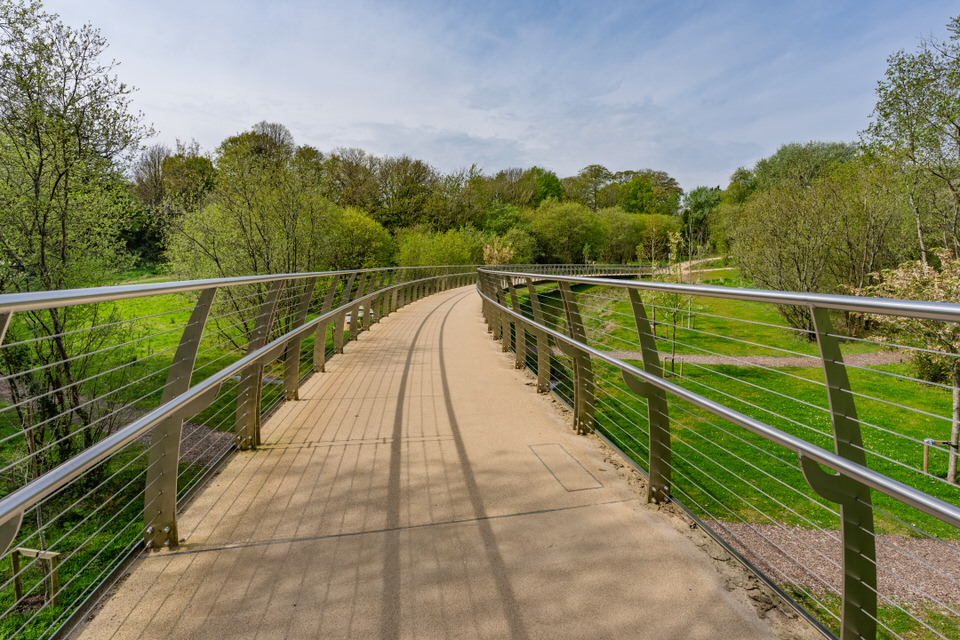 Elevated Walkway - Select Image To View Photographs
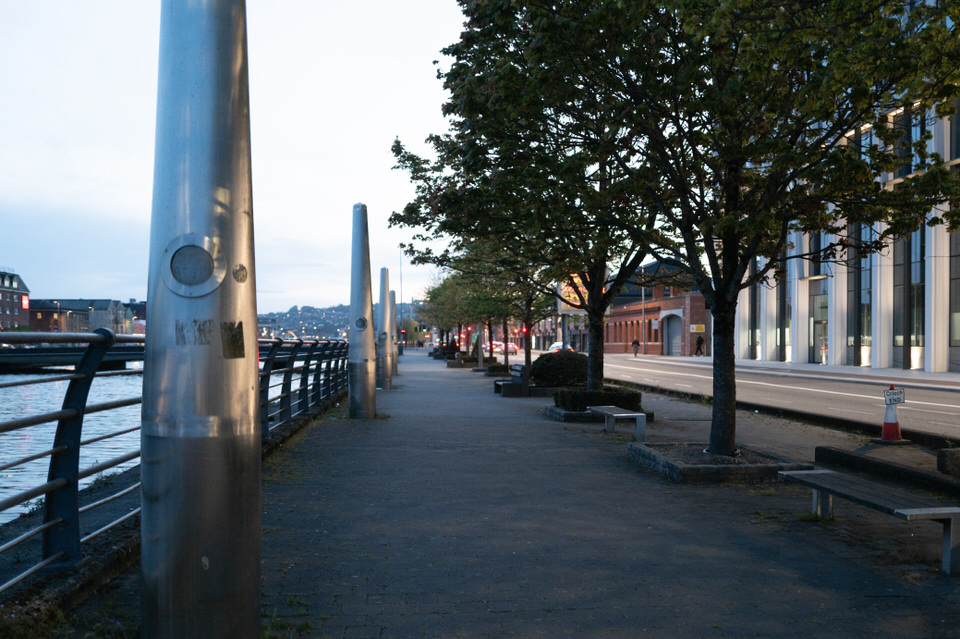 The Art And Arist - Select Image To View Photographs
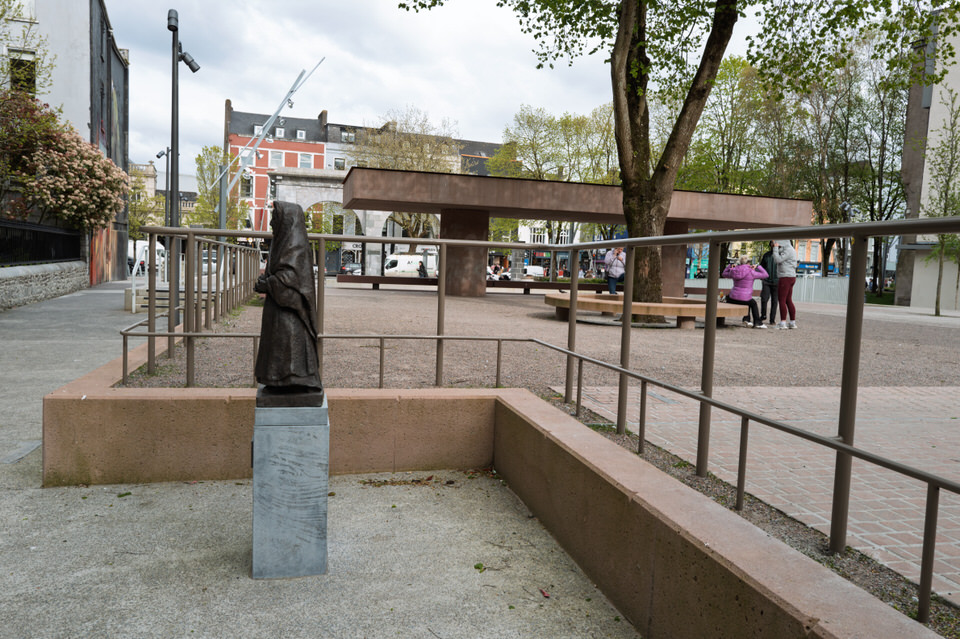 Onion Seller - Select Image To View Photographs
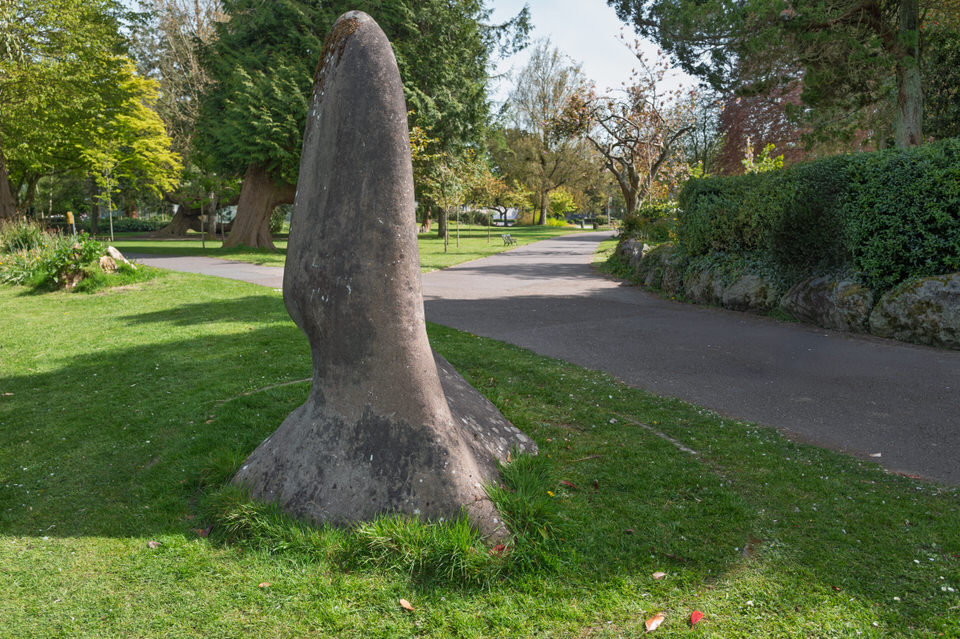 Abstract Sculptures - Select Image To View Photographs
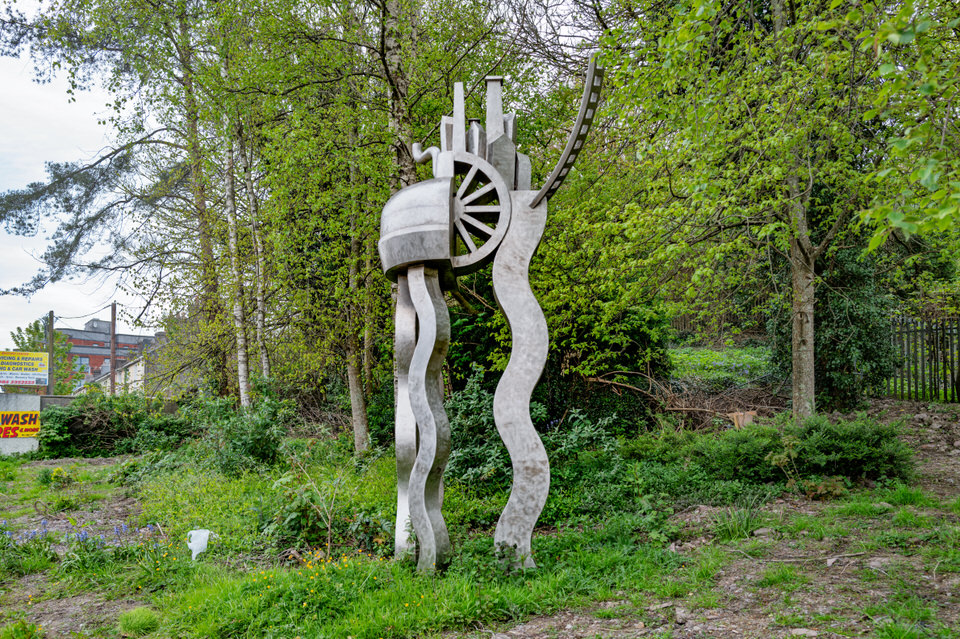 Lost Industries Sculpture - Select Image To View Photographs
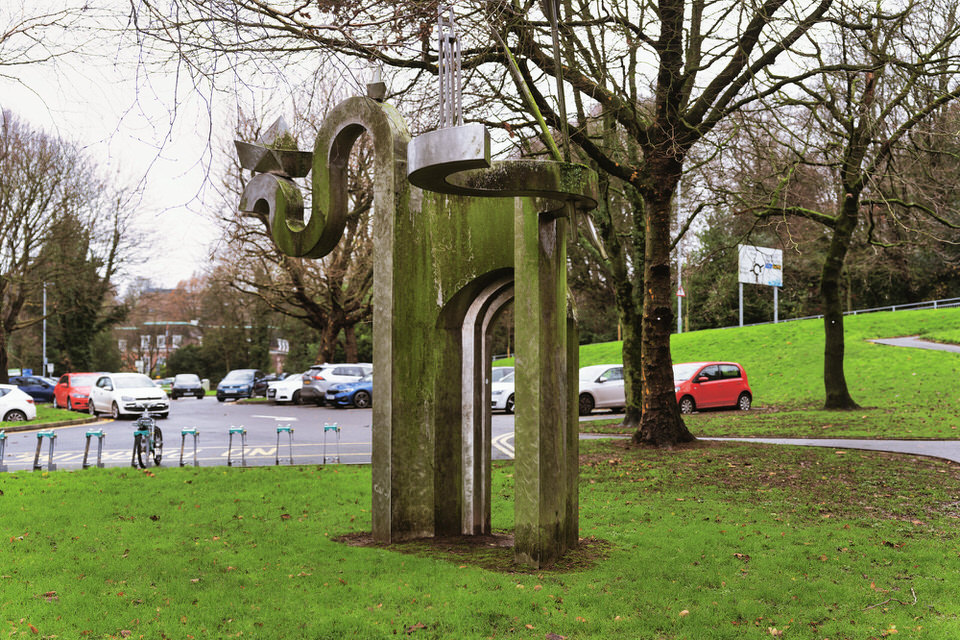 By Denis O'Connor - Select Image To View Photographs
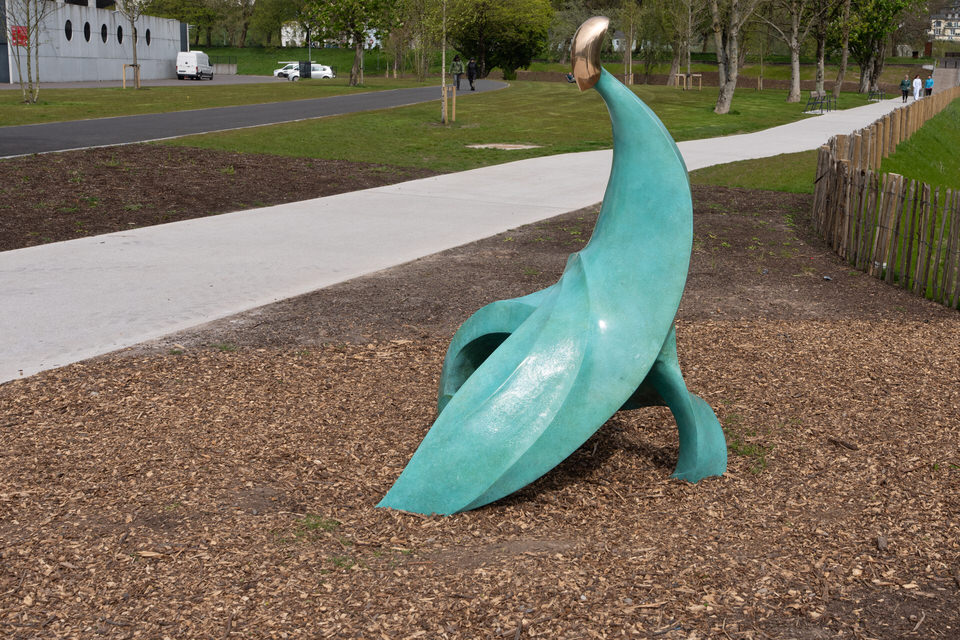 By Sandra Bell - Select Image To View Photographs
PHOTOGRAPHS SHOWN ON MAP
LEICA Q3
ABOUT BOB AND JOAN WALK
GLOBAL INDEX OF PHOTO GALLERIES
CORK CITY AND COUNTY
THE URBAN CARTOGRAPHER
VIEWS OF CORK HARBOUR
Bob And Joans Walk In Cork City April 2026 - Presented By The The Urban Cartographer
Who Is Building An Experience Which Is Getting Better Day By Day