The Day That I Explored Popes Quay - Presented By The The Urban Cartographer
LET MISTER SCREEN ASSIST YOU
GLOBAL INDEXThe Urban Cartographer
TECHNICAL STUFF
50 POPES QUAY SEPTEMBER 2025
The Day That I Explored Popes Quay - Presented By The The Urban Cartographer
The Day That I Explored Popes Quay
Author: The Urban Cartographer
|
18. May 2026
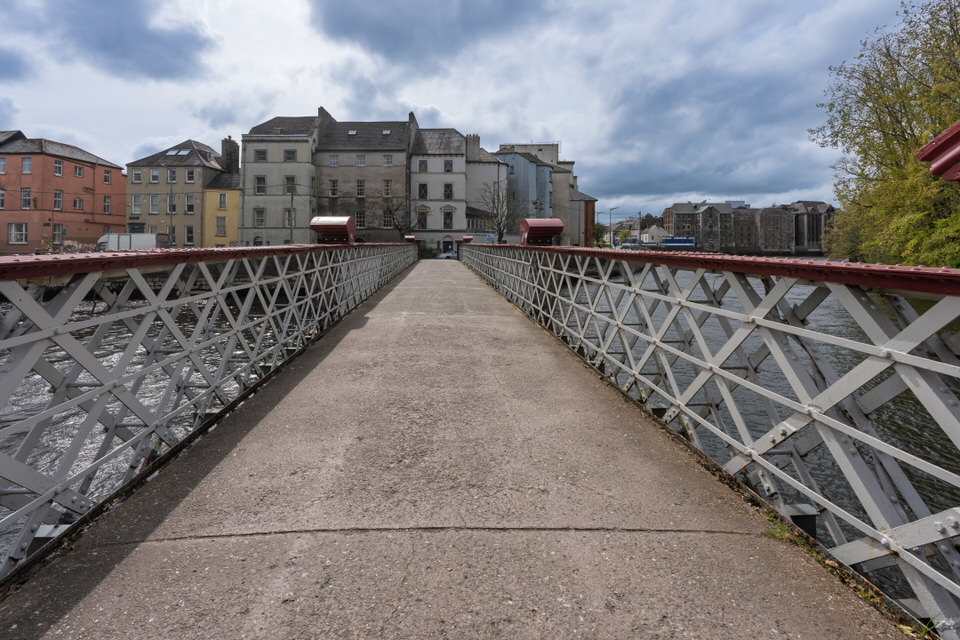
During my week in Cork, in April 2026, the weather was very cold wet and windy and on some days I remained close the the Moxy Hotel. An urban exploration from Camden Quay onto Pope’s Quay offers a rich visual narrative of Cork’s architectural evolution. Walking west from the modern, glass-fronted Moxy Hotel toward the delicate ironwork of St Vincent’s Pedestrian Bridge, the route shifts seamlessly from contemporary commercial design to 18th-century merchant prosperity, interrupted by modern residential intervention, and dominated by imposing 19th-century ecclesiastical monuments. The Route and Streetscape The journey begins at the eastern approach on Camden Quay, where the sharp lines of modern hotel architecture frame the northern channel of the River Lee. As you cross the threshold onto Pope’s Quay (named after the Widow Pope, a merchant granted permission to build a quay here in 1718), the streetscape undergoes a dramatic transformation. The quay curves gently with the river, presenting a continuous, rhythmically varied terrace of colorful, multi-storey facades that contrast brilliantly with the grey limestone river walls. Looking across the water toward the city centre, the views open up, but the true focal points lie immediately ahead on the northern side of the street: a dense concentration of early domestic townhouses and monumental religious architecture rising sharply against the steep backdrop of Shandon. Buildings and Structures of Architectural Importance 1. Civic Trust House (No. 50 Pope’s Quay) I will discuss this building in greater detail at a later date This is one of the absolute jewels of Cork's built heritage. Built between 1700 and 1730, this Queen Anne-style townhouse is widely regarded as the oldest surviving private residence in the city. Originally fronting a narrow roadway known as Strand Street before the quay was fully formalised, it was likely built for a wealthy merchant tied to the bustling river trade—potentially connected to the Huguenot Lavit family. Architectural Features: A striking five-bay, three-storey red-brick facade (a rare survival in Cork, where brick was often later covered in render or slate hanging). The defining feature is its magnificent carved limestone doorcase featuring an elegant swan-neck pediment. It retains its moulded limestone sills and historic timber sash windows. Historical Context: In the 1850s, it housed the Maultby family, master coopers who manufactured the timber firkins essential for Munster’s global butter trade. In the late 19th century, it served as the County and City of Cork Hospital for Women and Children before being rescued and meticulously restored by the Cork Civic Trust in the 1990s. 2. St Mary’s Dominican Church Dominating the entire middle section of the quay, this monumental church stands as a masterpiece of the Classical Revival style. The Dominicans have a presence in Cork dating back to 1229; after centuries of displacement, the foundation stone for this current structure was laid in 1832, opening for public worship in 1839. Architectural Features: Designed by the prominent Protestant architect Kearns Deane, who famously provided his services entirely free of charge. The facade features a colossal, deeply recessed Ionic portico with six fluted limestone columns supporting a massive pediment, evoking the grandeur of a Roman temple. The scale of the limestone ashlar work provides an incredible study in texture and shadow. 3. North Quay Place (Nos. 22–24 Pope's Quay) Tucked directly west of the Dominican church stands North Quay Place, a large, gated residential apartment complex constructed in the mid-1990s. Its name frequently puzzles observers, as the actual industrial "North Quays" (Horgan’s Quay and Penrose Quay) sit much further downriver. The moniker is a product of 1990s property marketing—a literal geographic descriptor denoting its position on the north bank of the river channel, chosen to project a modern identity distinct from the historic, ecclesiastical weight of the surrounding street name. Architectural Features and Context: Visually, the complex represents late 20th-century urban residential infill. It features a plastered render facade, uniform window alignments, and prominent balconies facing the water. While it lacks the historic patina, hand-cut stone, or grand classical symmetry of its neighbours, it introduces a stark modern texture to the quay. 4. St Mary’s Dominican Priory Adjoining North Quay Place to the west, the Priory offers a stark but beautiful stylistic shift, constructed around 1850. Architectural Features: Designed by William Atkins, this building is a magnificent example of the Neo-Romanesque style. Constructed from warm, dressed rubble sandstone that contrasts sharply with crisp ashlar limestone dressings, quoins, and string courses. Its asymmetrical design is punctuated by a striking six-stage campanile (bell tower) on the south-west corner, adding an Italianate silhouette to the Cork skyline. 5. Termination: St Vincent’s Pedestrian Bridge Equipment Analysis: Sony A1 II & FE 16-35mm f/2.8 GM Documenting this specific stretch of Cork's urban landscape requires gear capable of handling immense dynamic range, massive structural scale, tight physical constraints, and abrupt stylistic juxtapositions. The combination of the Sony A1 II and the 16-35mm GM lens is an exceptional choice for this environment. ** The Power of the 16-35mm Focal Range** Ultra-Wide Perspective (16–24mm): Essential for navigating the narrow physical footprint of Pope’s Quay. Standing on the riverside pavement, a standard lens cannot capture the sheer verticality of St Mary’s massive Ionic portico or the towering facade of the Priory. At 16mm, you can encompass the entire height of these structures from street level, utilizing the geometric perspective to emphasize their monumental scale. Environmental Context and Contrast (28–35mm): Perfect for framing the historical structures within the broader context of the evolving street terrace. It allows you to compose frames that contrast the crisp, weathered red brick of Civic Trust House against the repetitive, geometric lines of the modern North Quay Place apartments, capturing the layered history of the quay without the dramatic edge distortion of an ultra-wide. Sensor Performance and Resolution High-Resolution Architecture: The 50.1-megapixel sensor of the A1 II is tailor-made for documenting the "built environment." It resolves the finest textures of the historic fabric: the individual courses of weathering red brick on Civic Trust House, the fine tooling marks on the Priory's ashlar limestone, and the intricate cast-iron detailing of St Vincent’s Bridge. Concurrently, it cleanly renders the sharp angles and rendered surfaces of the modern infill architecture. Dynamic Range and Shadow Recovery: Shooting along the River Lee often presents harsh lighting conditions, with bright water reflections contrasting against deep shadows cast by tall buildings or recessed porticos. The sensor provides the latitude needed to protect the bright highlights on the water while cleanly recovering details in the deep, recessed porches of the Dominican structures. Optical Clarity: The G Master optics ensure edge-to-edge sharpness, critical when shooting detailed facades where chromatic aberration or corner softness would ruin the rendering of architectural lines.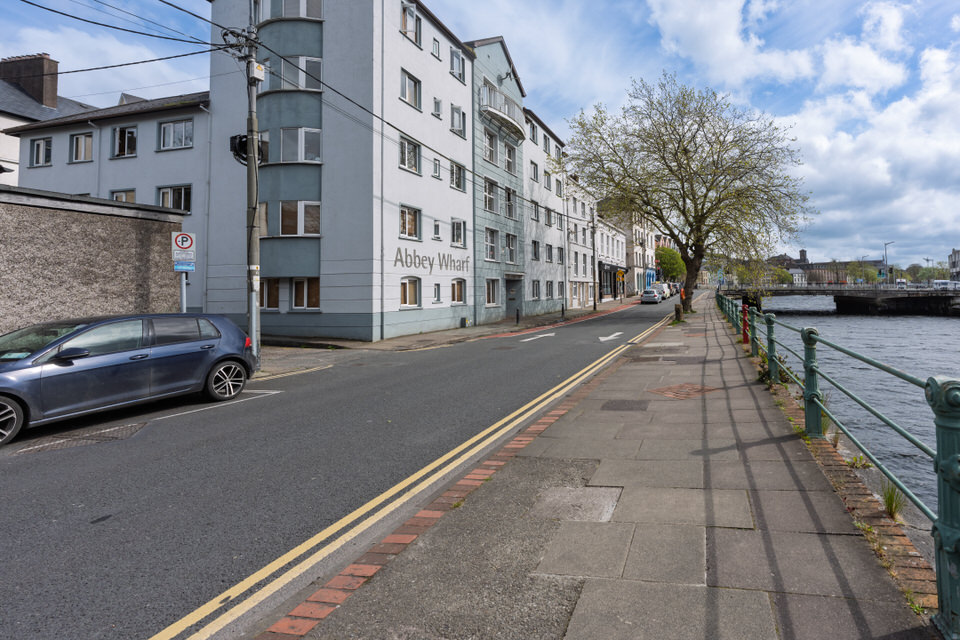 Pope's Quay - Select Image To View Photographs
 Historic Cork South Side April 2026 - Select Image To View Photographs
 My September 2025 Visit To Fin Barres - Select Image To View Photographs
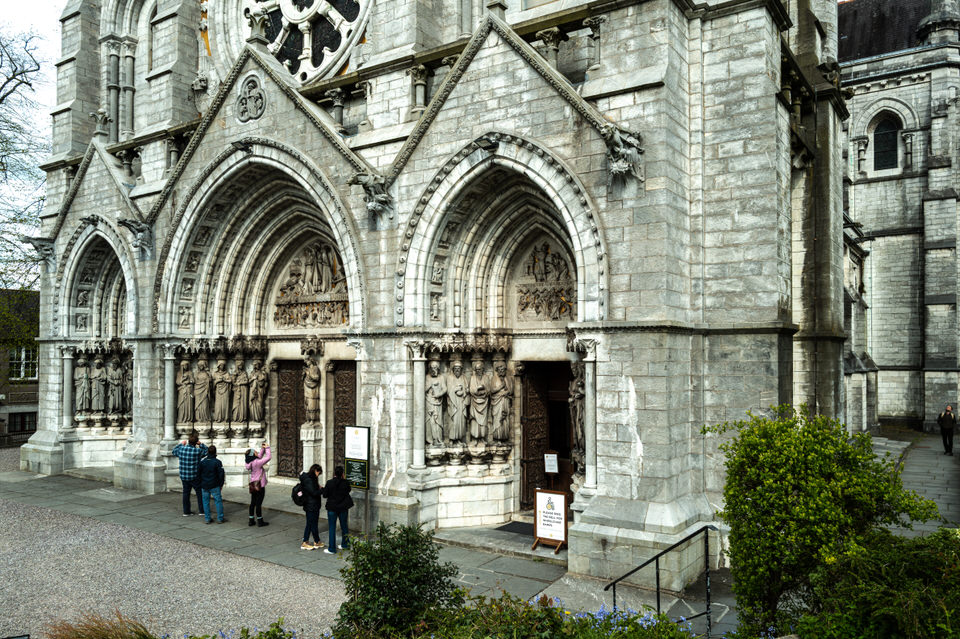 Fin Barres Cathedral Leica Q3 Session - Select Image To View Photographs
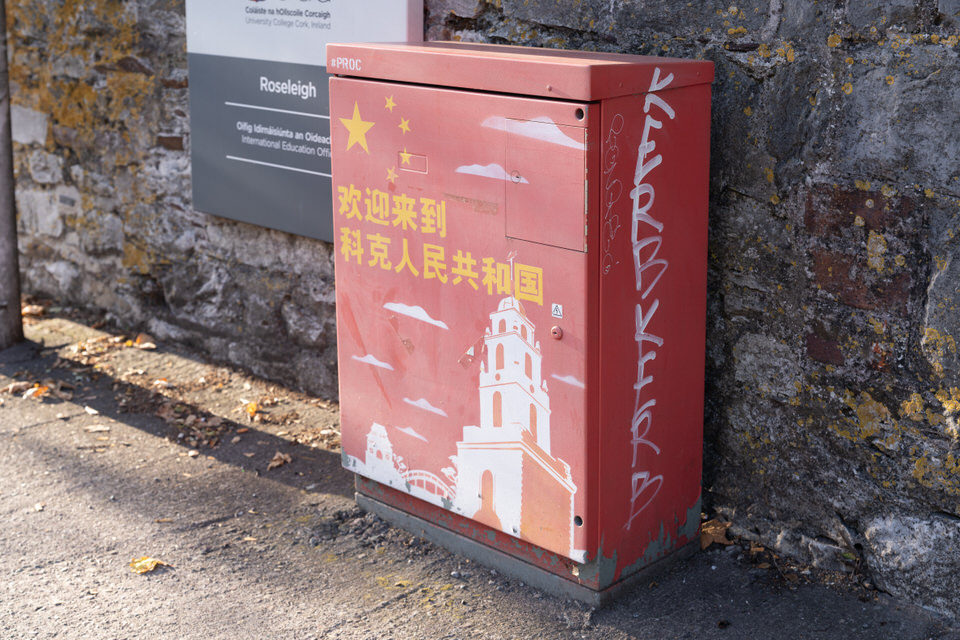 Peoples Republic Art - Select Image To View Photographs
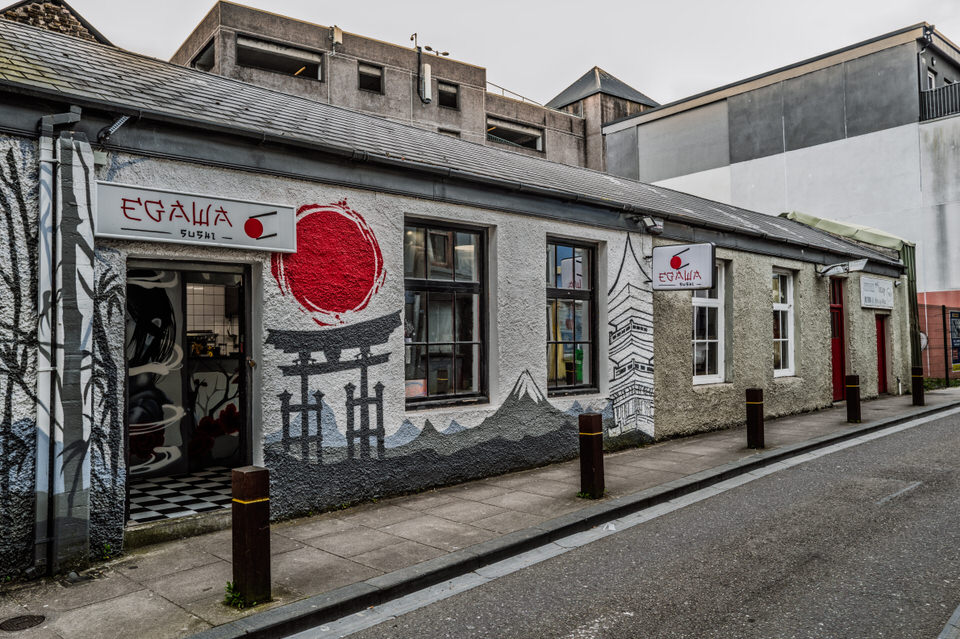 Egawa Sushi 18 Kyle Street Cork - Select Image To View Photographs
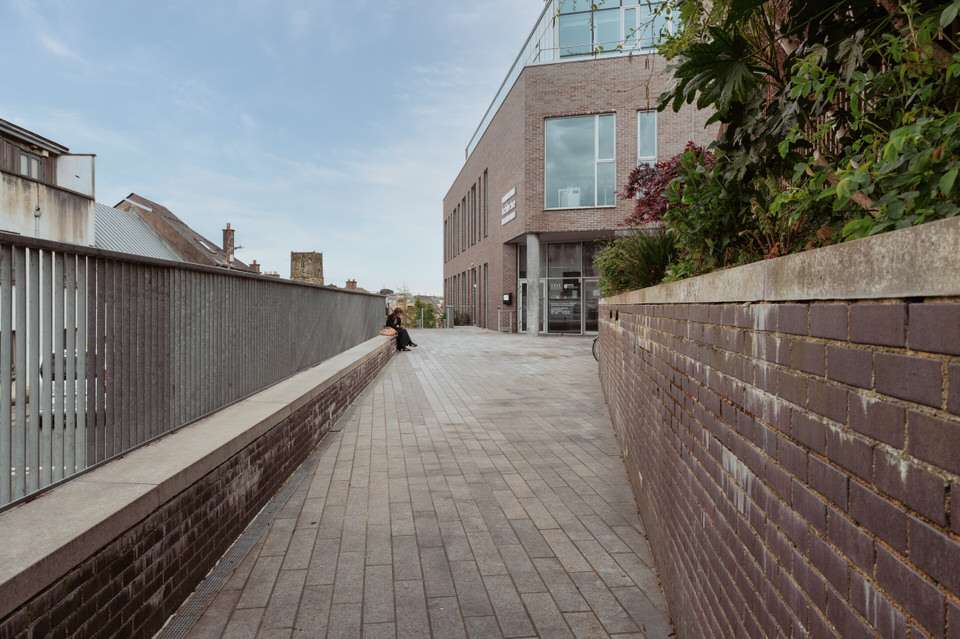
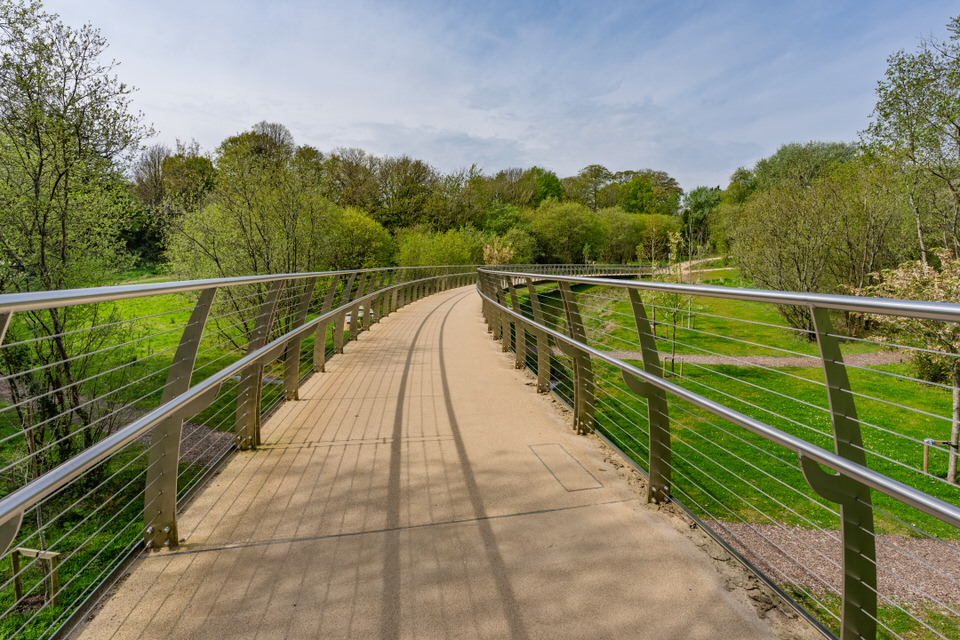 Elevated Walkway - Select Image To View Photographs
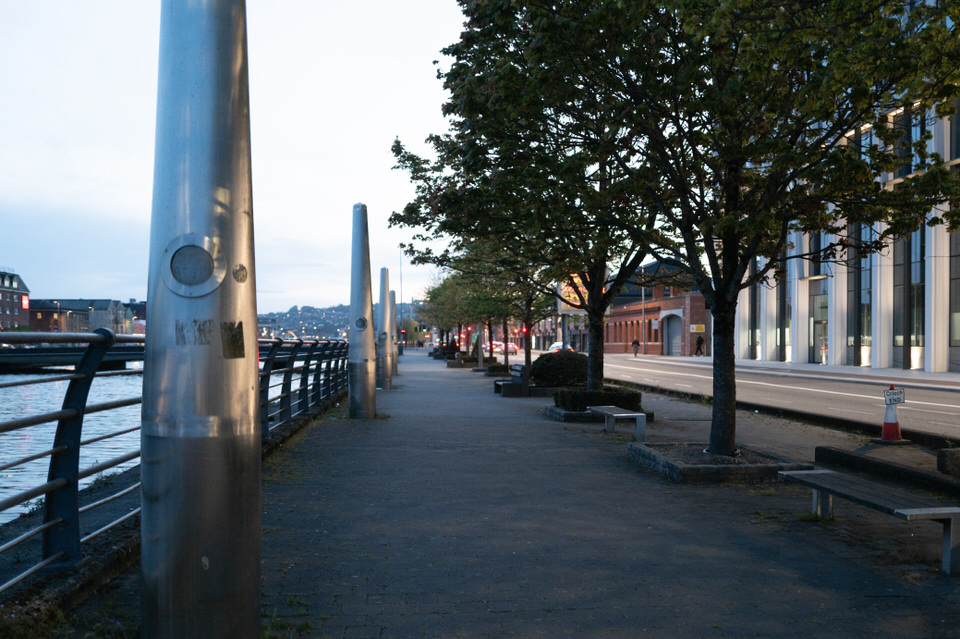 The Art And Arist - Select Image To View Photographs
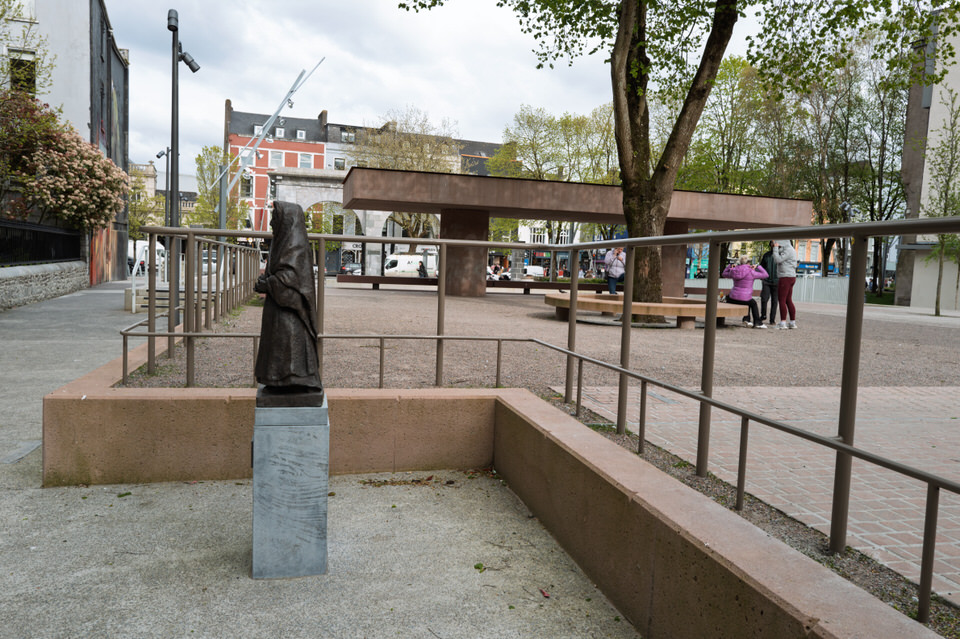 Onion Seller - Select Image To View Photographs
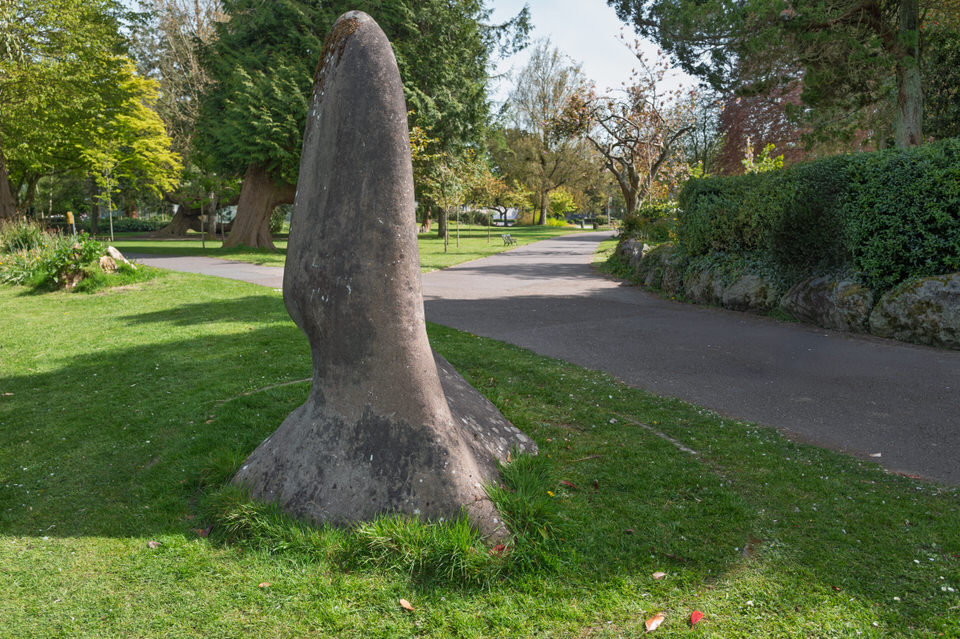 Abstract Sculptures - Select Image To View Photographs
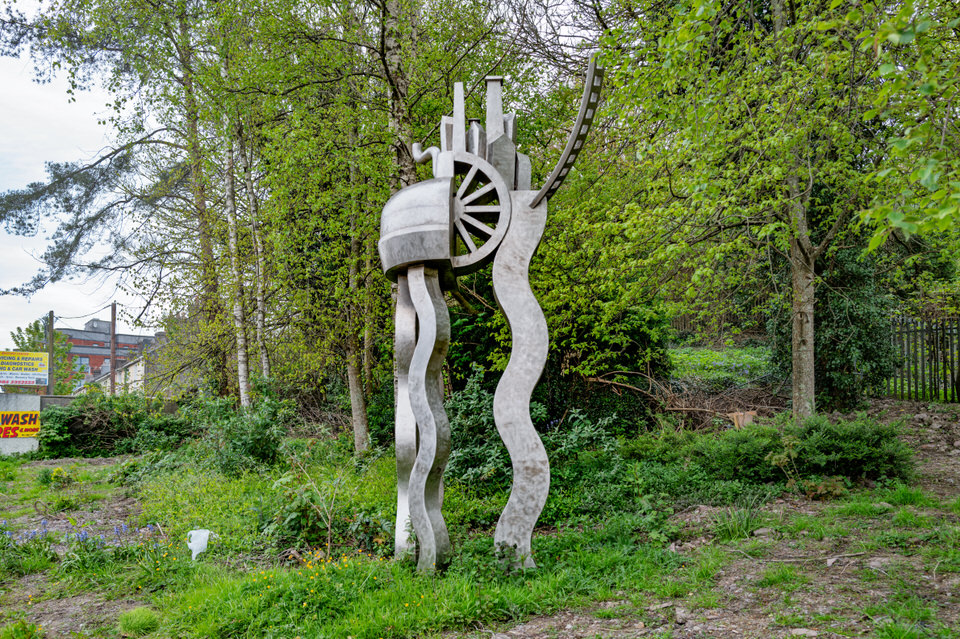 Lost Industries Sculpture - Select Image To View Photographs
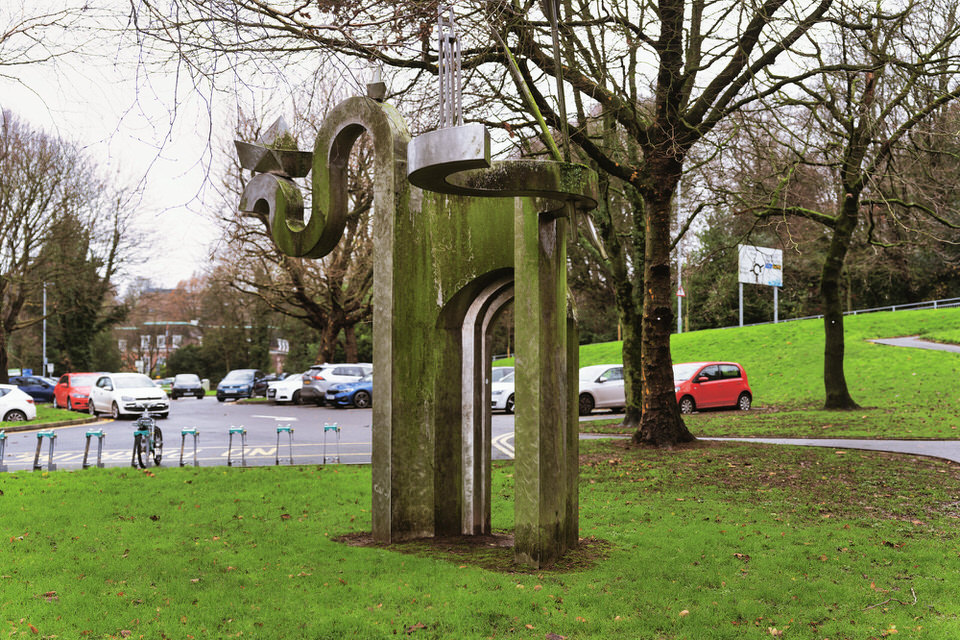 By Denis O'Connor - Select Image To View Photographs
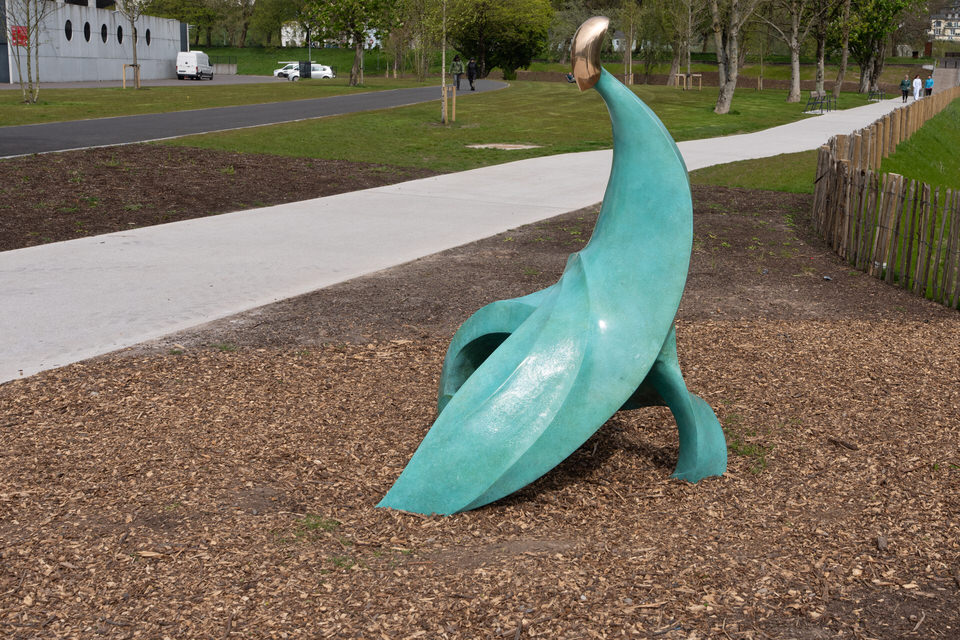 By Sandra Bell - Select Image To View Photographs
THE ASSOCIATED PHOTO GALLERY
SONY A1 II
ABOUT POPES QUAY
GLOBAL INDEX OF PHOTO GALLERIES
CORK CITY AND COUNTY
THE URBAN CARTOGRAPHER
50 POPES QUAY SEPTEMBER 2025
The Day That I Explored Popes Quay - Presented By The The Urban Cartographer
Who Is Building An Experience Which Is Getting Better Day By Day