All The Tractors And Trucks Are Gone - Presented By The The Urban Cartographer
LET MISTER SCREEN ASSIST YOU
GLOBAL INDEXThe Urban Cartographer
TECHNICAL STUFFDiscover how the Irish Government and An Garda Síochána successfully cleared the April 2026 fuel price blockades. This summary covers the "no-talks" policy under duress, the strategic deployment of the Defence Forces’ "Beast" recovery vehicles at Whitegate Refinery, and the specific excise duty cuts used to stabilise national fuel supplies and restore public order.
EXCELLENT PICTURE THIS 2017
All The Tractors And Trucks Are Gone - Presented By The The Urban Cartographer
All The Tractors And Trucks Are Gone
Author: The Urban Cartographer
|
12. Apr 2026
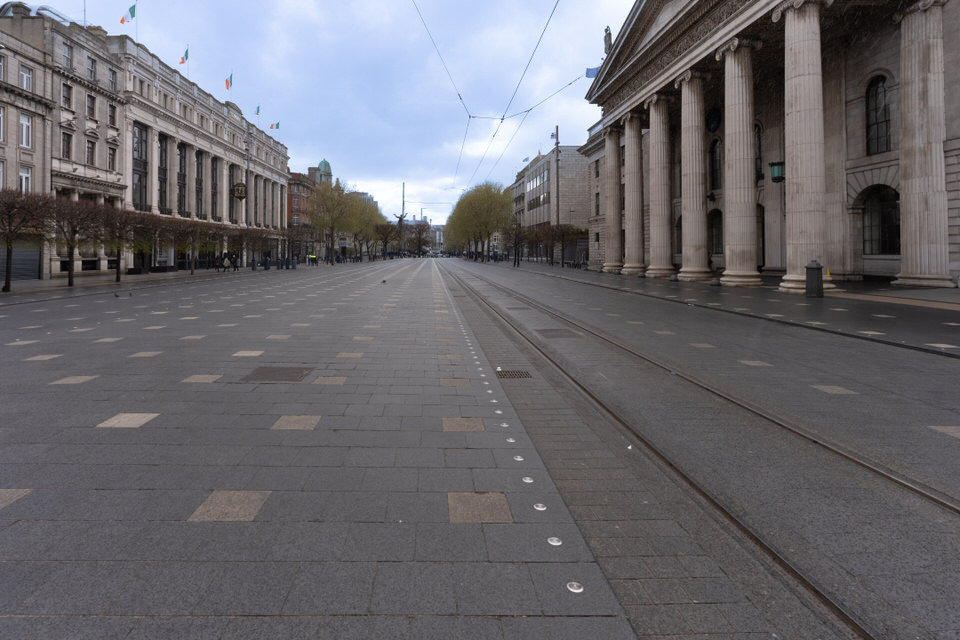
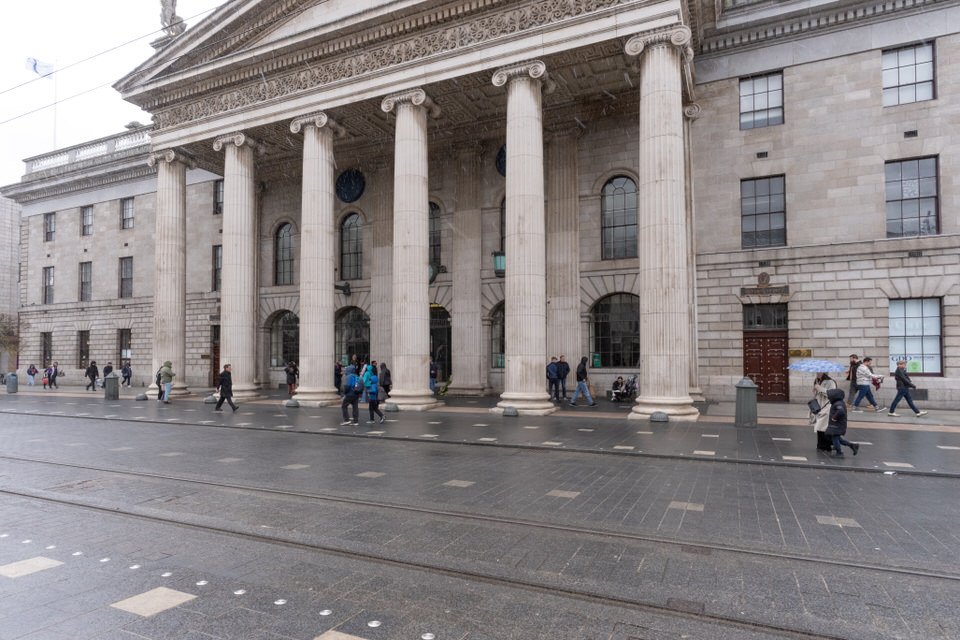 Fuel Protest - Select Image To View Photographs
When I visited O'Connell Street this morning I was more than surprised to see that all the tractors and trucks had left O'Connell Street. Below is what I believed happened:
The removal of fuel price protest blockades throughout the country occurred through a combination of government refusal to negotiate under duress, Garda (police) enforcement operations, and military backup.
While there were significant protests in late 2021 and early 2022, the most recent and severe wave of blockades occurred in April 2026. The government successfully broke the deadlock using several strategies:
1."No Talks" Policy
The Irish Government took a hard line, refusing to meet with the unofficial "fuel price protest" organisers while blockades were active. Ministers insisted they would only engage with established representative bodies, such as the Irish Road Haulage Association (IRHA) and the Irish Farmers' Association (IFA). This strategy isolated the independent protesters from the official negotiation process.
2.Garda Enforcement and "The Beasts"
After several days of gridlock in Dublin and blockades at key fuel depots (like Whitegate Refinery in Cork), An Garda Síochána shifted from "facilitating" the protest to an enforcement phase:
Tactics: Gardaí used pepper spray during operations to clear site entrances.
Military Involvement: The Irish Defence Forces were placed on standby and deployed heavy-duty recovery vehicles, nicknamed "The Beasts," to Whitegate. These specialised vehicles were used to physically tow away heavy lorries and tractors that were obstructing critical infrastructure.
3.Escalating Legal Pressure
Gardaí warned protesters that they were in violation of the Public Order Act and the Road Traffic Acts. As supply lines for fuel, animal feed, and medical treatments were threatened, the government framed the blockades as a "national emergency." By April 11, 2026, multiple arrests were made, and the threat of permanent vehicle seizure forced many protesters to pull back.
4.Limited Policy Concessions
To ease the pressure without appearing to "give in" to the blockaders, the government had already introduced a relief package in late March 2026, which included:
A 20-cent per litre cut in diesel excise.
A reduction in the NORA (National Oil Reserves Agency) levy.
An increase in the Diesel Rebate Scheme for qualifying hauliers.
Summary Timeline (April 2026)
The Paradox of Public Support
Polls conducted during the peak of the crisis (such as the Ireland Thinks poll for the Sunday Independent) showed a surprising trend:
Broad Sympathy: Nearly 60% of the public initially supported the protesters’ motivations. People were feeling the same "pinch" at the pumps and felt the government’s 20-cent cut was insufficient.
Tactical Backlash: Support plummeted as the blockades directly impacted daily life. By April 10, when 600 out of 1,500 service stations ran dry, public sentiment shifted from "they're fighting for us" to "they're holding us to ransom."
Impact on Essential Workers
I know a lady from Nepal who works in a care home who had to pay Euro 80 in taxi fares per day and her experience was unfortunately common. The Nursing Homes Ireland (NHI) and other healthcare bodies issued urgent statements highlighting that:
Commuter Chaos: With Dublin Bus and Luas lines suspended, many low-paid essential workers—who often live further from city centres due to housing costs—were stranded.
Financial Burden: Like the lady I mentioned, many had to turn to taxis or private transport, wiping out several days' wages just to get to a shift.
Service Curtailment: By April 11, some care homes and emergency services reported "staffing emergencies" because workers simply couldn't find fuel to drive to work.
"National Sabotage" vs. "Rural Survival"
The government leveraged stories like my friend's to justify their hardline stance. Taoiseach Micheál Martin labeled the blockade of the Whitegate Refinery as "an act of national sabotage," specifically citing the danger to the National Ambulance Service and healthcare staffing.
Conversely, the protesters (mostly farmers and small hauliers) argued they were in a "survival phase." They felt that if they didn't act, their businesses would fold, which would ultimately lead to even higher prices for consumers in the long run.
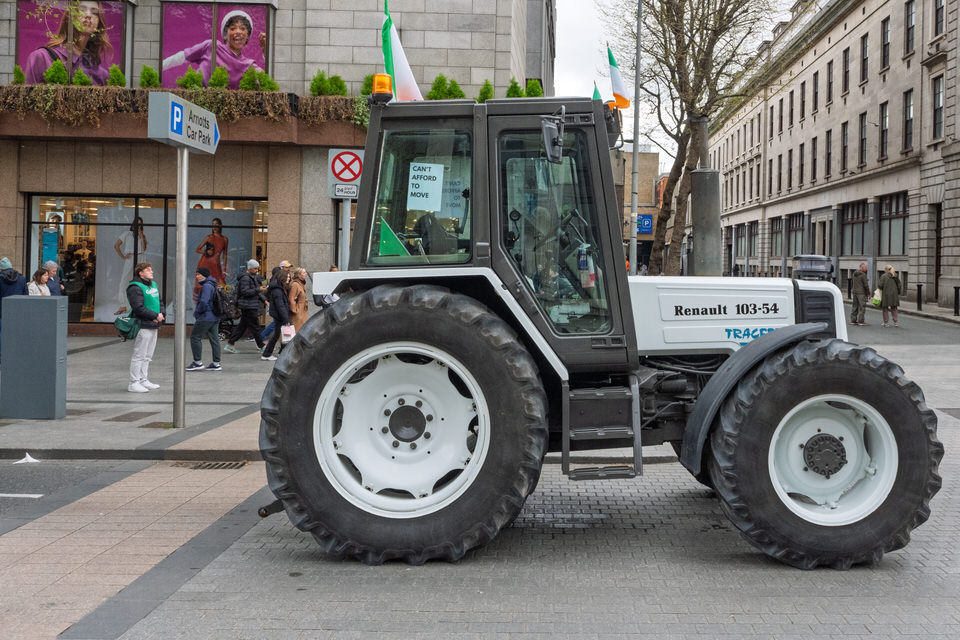 Lots Of Tractors - Select Image To View Photographs
VIEW HI-RES PHOTOGRAPHS
CORK CITY AND COUNTY
THE FUEL PRICE PROTEST
GLOBAL INDEX OF PHOTO GALLERIES
DUBLIN NORTHSIDE
THE URBAN CARTOGRAPHER
EXCELLENT PICTURE THIS 2017
All The Tractors And Trucks Are Gone - Presented By The The Urban Cartographer
Who Is Building An Experience Which Is Getting Better Day By Day