The Duck Pond At Kilkenny Castle Park - Presented By The Infomatique
LET MISTER SCREEN ASSIST YOU
GLOBAL INDEXThe Urban Cartographer
TECHNICAL STUFFDiscover the history of the Kilkenny Castle ornamental lake, a 19th-century man-made feature designed by the Butler family. Originally created to enhance the Victorian parkland’s aesthetic appeal, the pond now serves as a vital biodiversity hub for Irish wildlife. Learn about its transformation from a private aristocratic amenity to a public sanctuary managed by the OPW.
EXCELLENT PICTURE THIS 2017
The Duck Pond At Kilkenny Castle Park - Presented By The Infomatique
The Duck Pond At Kilkenny Castle Park
Author: Infomatique
|
27. Feb 2026
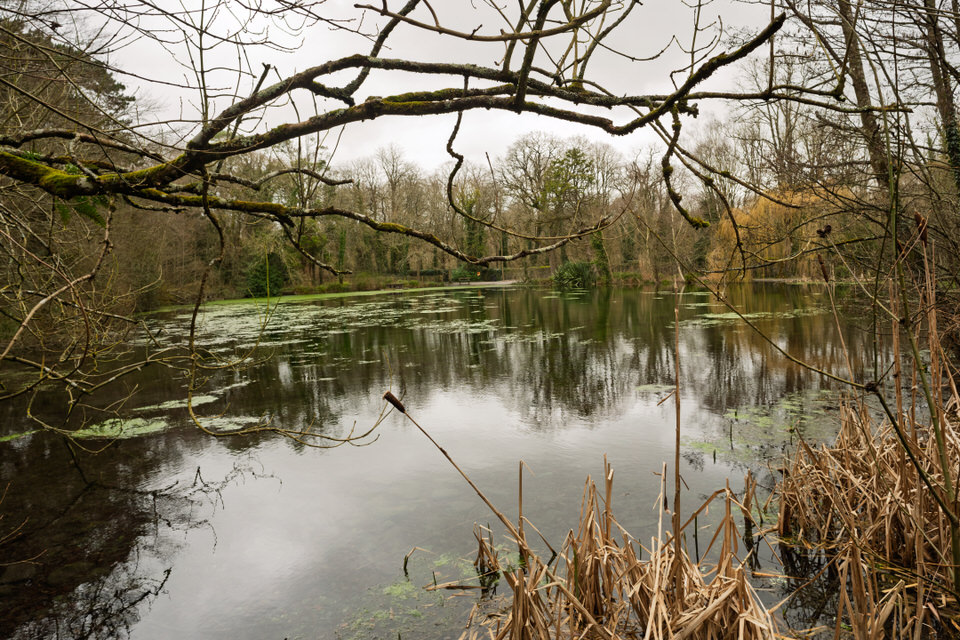
Photographed By William Murphy - Select Image To View Photographs
Select Image Below To Visit The Photo Gallery: The Duck Pond At Kilkenny Castle Park
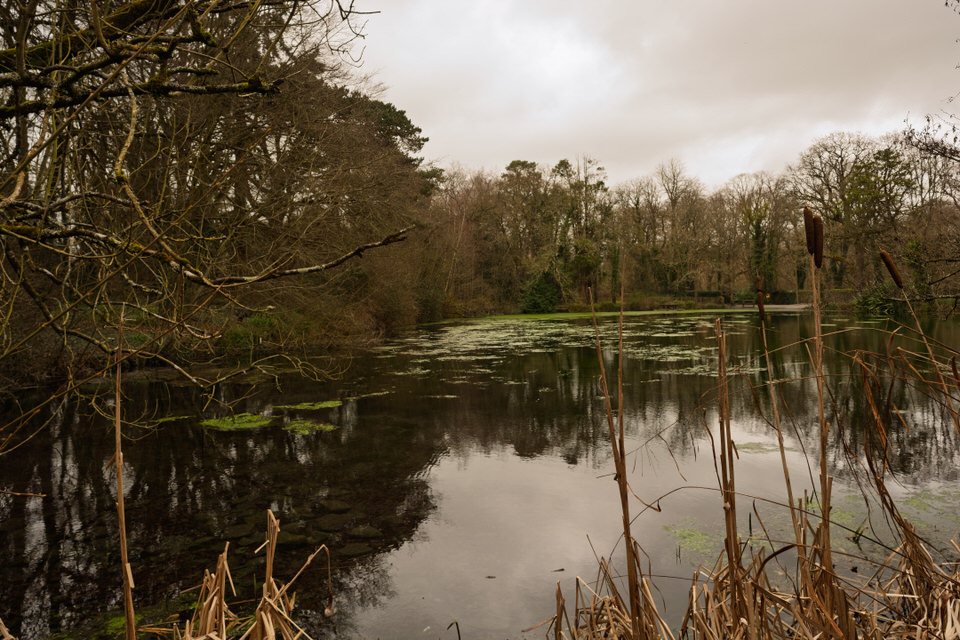
The most likely reason for the absence of birds is the national housing order currently in effect across Ireland. As of early 2026, the Department of Agriculture has mandated that all captive birds and poultry be kept indoors to protect them from a highly pathogenic strain of avian influenza circulating in the wild. While the "resident" ducks at the castle aren't always in cages, the Office of Public Works (OPW) often moves semi-resident or managed waterfowl to secure, enclosed areas during these high-risk winter months to prevent them from catching the virus from passing migratory birds.
The pond at Kilkenny Castle—often referred to as the ornamental lake—is a relatively modern addition to an estate that dates back over 800 years. While the castle began as a wooden fortress in the 12th century, the water feature you see today belongs to the site’s
"Victorian" chapter.
History of the Pond
The pond is man-made and was added to the parkland during the 19th-century remodelling of the estate. During this period, the Butler family (the Marquesses of Ormonde) sought to transform the grounds from a functional, defensive medieval fortress into a romanticised "country house" estate.
The Victorian Vision: In the 1800s, landscape fashion shifted towards "Picturesque" and "Romantic" ideals. This involved moving away from the rigid, geometric gardens of the 17th century (inspired by Versailles) toward a "naturalised" landscape.
Engineering an Oasis: Despite appearing natural, the lake was a significant engineering feat of the time. It was designed to provide a tranquil focal point within the 50 acres of rolling parkland, contrasting with the dramatic, craggy views of the River Nore below.
Restoration: After the castle was handed over to the Irish State in 1967, the pond underwent significant restoration by the Office of Public Works (OPW) to clear silt and manage the surrounding woodland, ensuring it remained a viable habitat for local wildlife.
Purpose of the Pond
The pond has served several roles over the last two centuries:
Aesthetic Appeal: Primarily, it was designed as an "ornamental" feature to enhance the view for the Butler family and their guests as they strolled through the demesne.
Social Status: In the 19th century, having a private lake was a symbol of immense wealth and leisure, signaling that the land was for pleasure rather than just agriculture or defence.
Biodiversity Hub: Today, its primary purpose is ecological. It provides a managed sanctuary for waterfowl—including moorhens, mallards, and swans—and supports the local insect and bat populations. The two floating duck houses you may have noticed were installed specifically to encourage safe nesting.
GALWAY CITY
CORK CITY AND COUNTY
GLOBAL MENU
DUBLIN SOUTHSIDE
DUBLIN NORTHSIDE
URBAN CARTOGRAPHER
EXCELLENT PICTURE THIS 2017
The Duck Pond At Kilkenny Castle Park - Presented By The Infomatique
Who Is Building An Experience Which Is Getting Better Day By Day