When Phoenix Park’s Giants Fall - Presented By The The Urban Cartographer
LET MISTER SCREEN ASSIST YOU
GLOBAL INDEXThe Urban Cartographer
TECHNICAL STUFFA reflection on the falling trees in Dublin’s Phoenix Park, exploring the philosophical and physical reasons behind the loss of these giants, from soil liquefaction to the impact of wetter Irish winters on Victorian landscapes.
EXCELLENT PICTURE THIS 2017
When Phoenix Park’s Giants Fall - Presented By The The Urban Cartographer
When Phoenix Park’s Giants Fall
Author: The Urban Cartographer
|
20. Mar 2026
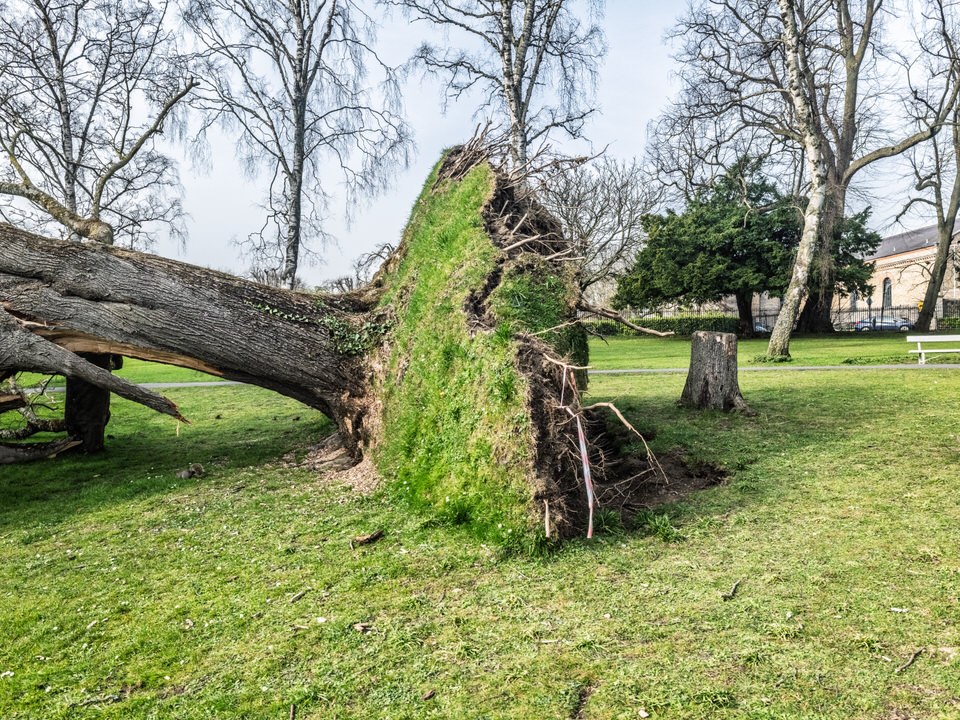
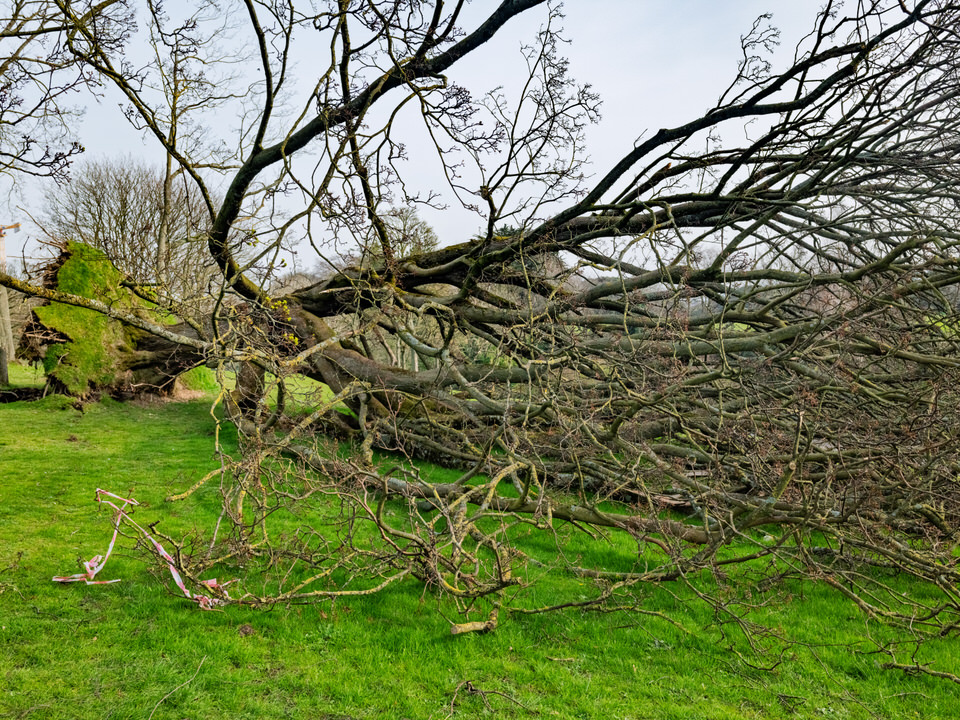 Photographed By William Murphy - Select Image To View Photographs
We are all familiar with the classic philosophical riddle: "If a tree falls in a forest and no one is around to hear it, does it make a sound?" While walking through the People’s Flower Gardens in Phoenix Park today, I came across a massive fallen tree that turned this thought experiment into a visceral reality.Beyond the philosophy of observation and perception, there is a very practical—and concerning—physical reality behind why these majestic giants are toppling.
A Landscape Under Pressure
During my visit, I couldn’t help but notice the "heavy pruning" and drastic cutting back of the canopy across the park. While it may look harsh, these are reactive measures taken by the Office of Public Works (OPW) to manage "wind throw" and redistribute weight. However, even the best arboriculture can struggle against the elements when the ground itself gives way.
The Gardener’s Insight: The Science of "Liquefied" Soil
I spoke with a park gardener who provided a fascinating, if sobering, explanation for the recent losses. Phoenix Park is situated on a complex mix of limestone and clay. While this usually provides a solid foundation, Ireland’s increasingly intense and prolonged rainfall is changing the mechanics of the earth.
When the ground becomes saturated, it undergoes a process similar to liquefaction. For a mature tree, staying upright is a matter of physics:
Failure of Anchorage: A tree relies on friction between its roots and firm, dry earth. In waterlogged conditions, the soil loses its structural integrity and begins to behave more like a fluid.
The Sail Effect: These Victorian-era trees have massive, heavy canopies. During a storm, the canopy acts like a sail; the leverage force generated by the wind becomes too much for the "soggy" roots to counteract.
The Hidden Threat of Root Rot: Persistent wetness invites Phytophthora (root rot). This biological decay further weakens the tree’s grip on the earth long before the wind even begins to blow.
A Changing Climate
The fallen giants currently on view in the park are more than just a photo opportunity; they are a stark reminder of how climate shifts—specifically our increasingly wetter winters—are challenging the survival of even the most established historical landscapes.
As we watch these sentinels fall, the question isn't just about whether they make a sound, but whether we are listening to what their fall tells us about the changing environment.
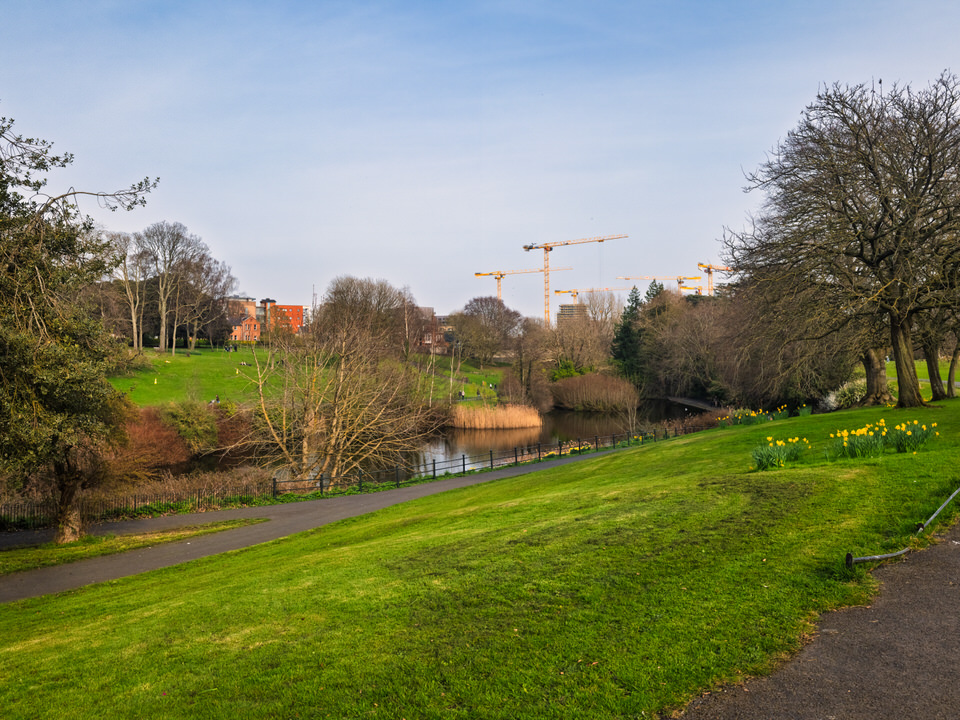 The Pond Area - Select Image To View Photographs
GALWAY CITY
CORK CITY AND COUNTY
GLOBAL MENU
DUBLIN SOUTHSIDE
DUBLIN NORTHSIDE
URBAN CARTOGRAPHER
EXCELLENT PICTURE THIS 2017
When Phoenix Park’s Giants Fall - Presented By The The Urban Cartographer
Who Is Building An Experience Which Is Getting Better Day By Day