National War Memorial Gardens - Presented By The The Urban Cartographer
LET MISTER SCREEN ASSIST YOU
GLOBAL INDEXThe Urban Cartographer
TECHNICAL STUFFExplore the history of Dublin's National War Memorial Gardens, from their years as a neglected dump to their restoration as a national landmark. Discover the unique design of the new clad-steel Commemorative Bridge and the symbolism of Lutyens' granite Cross of Sacrifice.
EXCELLENT PICTURE THIS 2017
National War Memorial Gardens - Presented By The The Urban Cartographer
National War Memorial Gardens
Author: The Urban Cartographer
|
24. Mar 2026
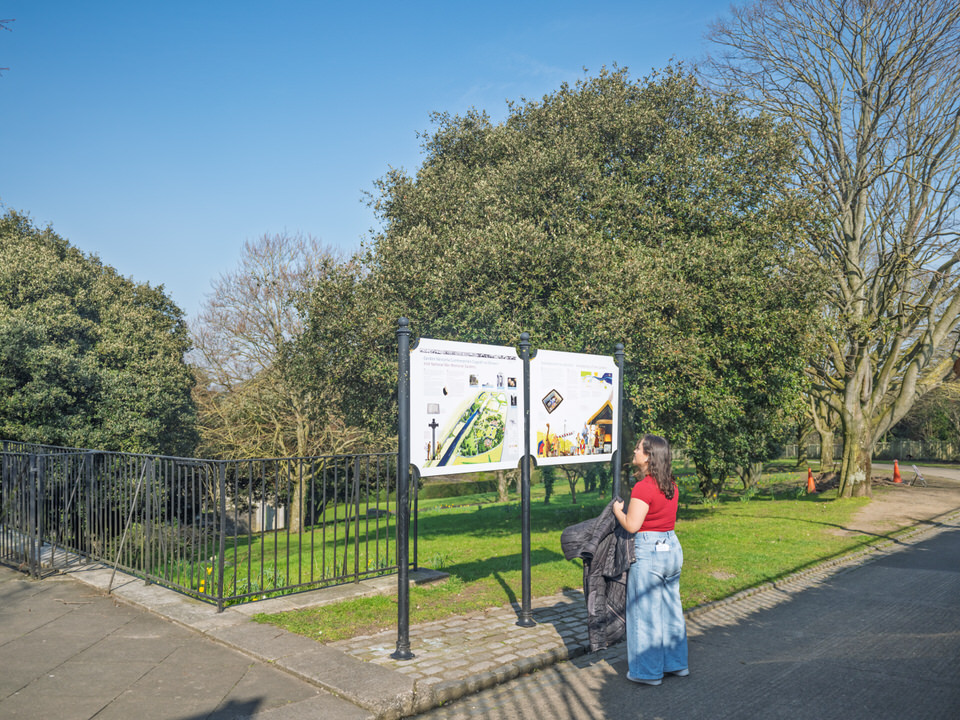
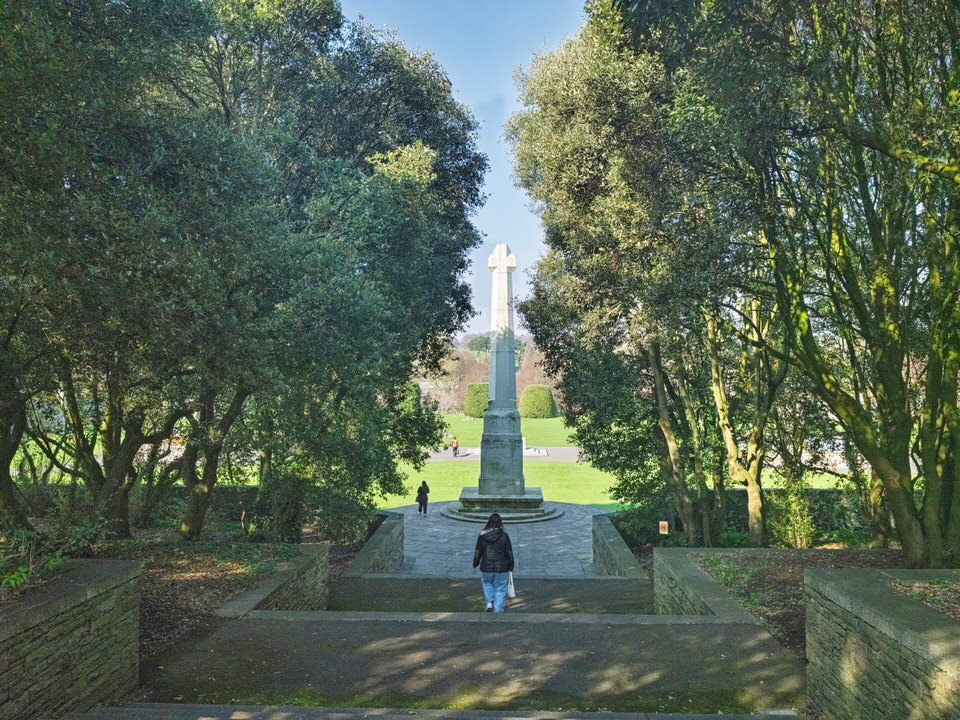 Photographed By William Murphy - Select Image To View Photographs
Designed by the world-renowned architect Sir Edwin Lutyens, the gardens were intended to commemorate the 49,400 Irish soldiers who died in the First World War. Construction began in 1931, notably using a workforce of 400 men—half being ex-British Army and half being ex-Irish National Army veterans. This was a radical gesture of reconciliation for the time.
The Resurrection of Islandbridge: From National Scandal to Architectural Icon
The National War Memorial Gardens at Islandbridge are more than just a beautifully manicured park; they are a profound symbol of Ireland’s complex journey with its own history. After decades of falling into a state of "scandalous" neglect, the site is finally seeing the completion of its original 100-year-old vision.
From Grandeur to "The Dump": A Century of Turbulence
Designed by the world-renowned architect Sir Edwin Lutyens, the gardens were intended to commemorate the 49,400 Irish soldiers who died in the First World War. Construction began in 1931, notably using a workforce of 400 men—half being ex-British Army and half being ex-Irish National Army veterans. This was a radical gesture of reconciliation for the time.
However, the gardens were never officially opened. As the Second World War broke out and the young Irish State distanced itself from "British" military heritage, the site fell into a political and physical limbo.
Why the Decline?
By the 1960s and 70s, the gardens had become a casualty of "enforced amnesia." Maintenance budgets vanished, and the site became a symbol of national neglect. It was effectively abandoned, used as a dumping ground, and for many years was occupied by members of the travelling community. The granite pavilions were vandalised, the famous rose gardens were choked by weeds, and the site was frequently described in the Dáil as a "national scandal."
The Turning Point: Restoration in 1988
The decision to restore the site was driven by the Office of Public Works (OPW) in the mid-1980s. This wasn't just a gardening project; it was part of a broader movement to acknowledge Irish history in all its facets. The restoration was completed in 1988, coinciding with the Dublin Millennium celebrations. It was rededicated by representatives of Ireland’s four main churches, finally reclaiming the space as a place of dignity.
The Symbolism: The "Standard" Cross with a Local Twist
During a visit to the site, many notice the large stone cross—the War Cross—and wonder if it is a standard design. The answer is a fascinating mix of international tradition and local craftsmanship.
The silhouette is based on the Cross of Sacrifice, designed by Sir Reginald Blomfield in 1918 for the Imperial (now Commonwealth) War Graves Commission. You will see this design in almost every British military cemetery worldwide. However, Lutyens added a unique Irish character to the Islandbridge version:
The Material: While most "standard" crosses are carved from English Portland stone, the Islandbridge cross is made of Irish Granite from the Ballyknocken quarries in Wicklow.
The Absence of the Sword: The standard Blomfield design features a bronze longsword fixed to the face. Lutyens, who famously had his own architectural rivalries, opted for an austere, purely stone version that feels more integrated into the surrounding granite pavilions.
Political Tension: Ironically, it was this "standard" design that contributed to the site's decline. To the Irish government of the mid-20th century, the cross looked "too British," leading to the site being left to the elements for decades.
The "Missing Link": The Commemorative Bridge
For nearly a century, Lutyens’ original master plan remained unfinished. He had always intended for a bridge to span the Liffey, connecting the gardens on the south bank to the Chapelizod Road and Phoenix Park on the north. Without it, the gardens remained a "dead end," isolated from the city’s largest green lung.
Current Status and Construction
As of early 2026, the "long-promised" bridge is finally a reality. Construction by John Sisk & Son is well underway, with completion scheduled for early 2027. Work has progressed through the foundational stages, including piling on both the northern and southern banks.
The Design: Why It Was Chosen
Following an international competition in 2019, the winning design was submitted by Ritchie Studio (led by Ian Ritchie, the architect behind the Spire of Dublin). While Lutyens originally sketched a traditional three-arch stone bridge, the selection committee chose a contemporary interpretation that "floats" across the water.
What is Unique About the Bridge?
World-First Material: The bridge is the first in the world to use clad-steel. This is a high-tech composite where a thin layer of stainless steel is hot-rolled onto a carbon steel plate. It offers massive structural strength with a permanent, maintenance-free shimmer.
The "Blade" Aesthetic: The bridge is incredibly slender—described as a "slender blade" or "ribbon." It has no supporting piers in the river itself, ensuring zero disruption to the Liffey’s ecosystem or the local rowing clubs.
The "Reed" Balustrades: The railings are designed to mimic the reeds along the Liffey. Using stainless steel rods, they will catch the light and ripple as pedestrians walk past, blending the man-made structure into the natural riverbank.
A Final Connection
When it opens, the bridge will create a seamless "ceremonial route" from the Wellington Monument in Phoenix Park straight into the heart of the War Memorial Gardens. It marks the final chapter in a century-long story of remembrance, moving from a forgotten dump back to its rightful place as one of Europe's most significant memorial sites.
 The Fallen Tree - Select Image To View Photographs
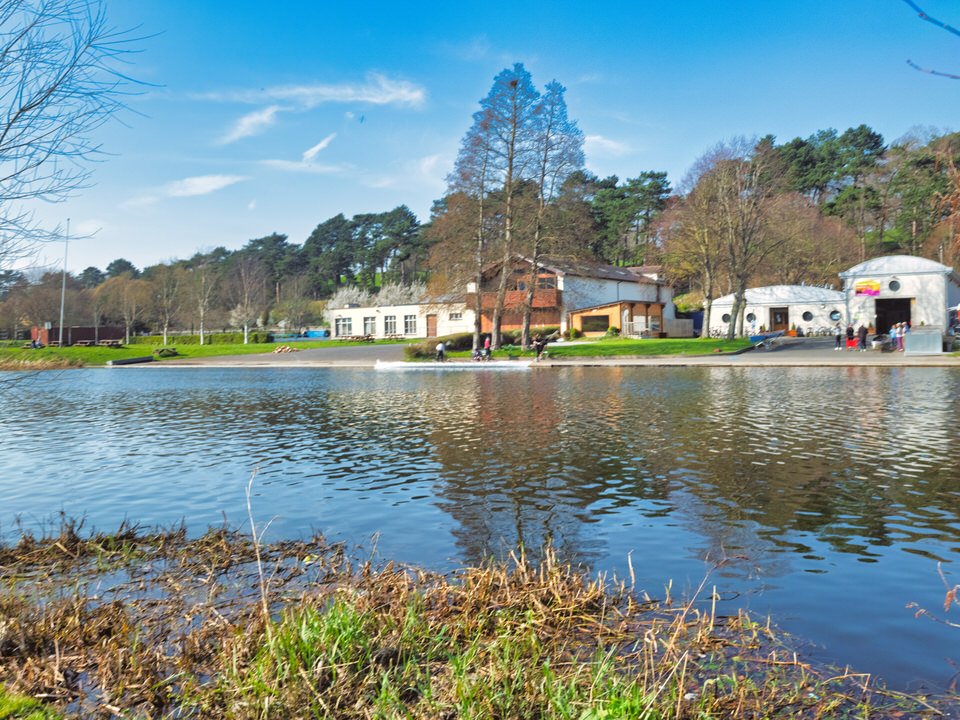 Liffey River Walk - Select Image To View Photographs
HIGH RESOLUTION IMAGES
CORK CITY AND COUNTY
ABOUT THE WAR MEMORIAL GARDENS
GLOBAL INDEX OF PHOTO GALLERIES
STREET ART PHOTO CATALOG
THE URBAN CARTOGRAPHER HOME PAGE
EXCELLENT PICTURE THIS 2017
National War Memorial Gardens - Presented By The The Urban Cartographer
Who Is Building An Experience Which Is Getting Better Day By Day