The Tivoli Car Park Legacy June 2013 - Presented By The The Urban Cartographer
LET MISTER SCREEN ASSIST YOU
GLOBAL INDEXThe Urban Cartographer
TECHNICAL STUFFExplore the history and demise of Dublin's Tivoli Theatre and its iconic street art car park. Discussing the shift from a vibrant urban canvas to a restricted-access hotel site, this article examines the impact of redevelopment on public spaces and the empty promises of cultural preservation in urban planning.
EXCELLENT PICTURE THIS 2017
The Tivoli Car Park Legacy June 2013 - Presented By The The Urban Cartographer
The Tivoli Car Park Legacy June 2013
Author: The Urban Cartographer
|
04. May 2026
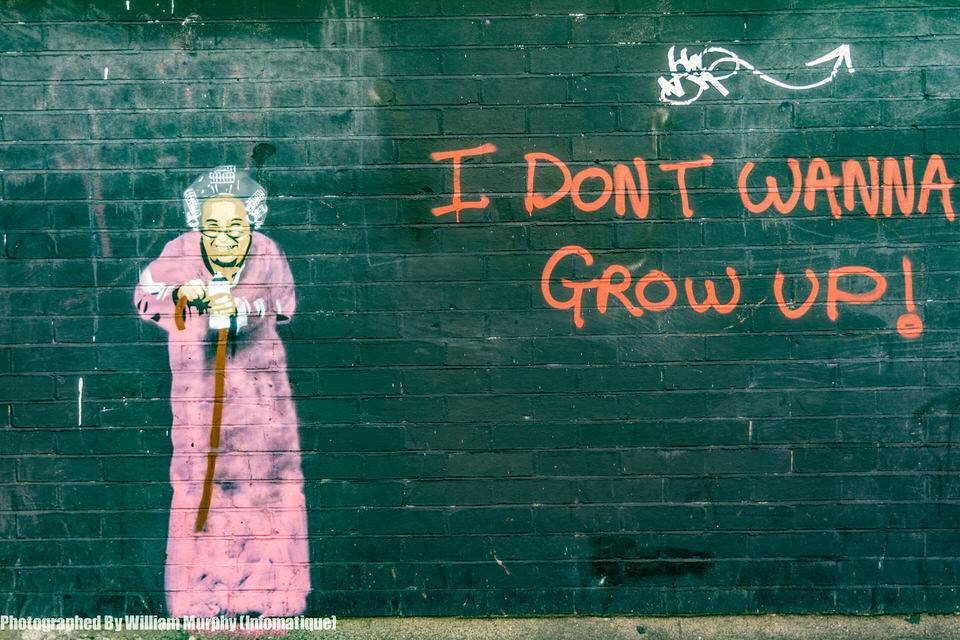
Back in June 2013 using a Sony NEX-7 camera I spent about an hour photographing the street art murals at the Tivoli Car Park which was attached to the Tivoli Theatre. Back in June 2013 using a Sony NEX-7 camera I spent about an hour photographing the street art murals at the Tivoli Car Park which was attached to the Tivoli Theatre. The transition of the Tivoli Theatre site from a vibrant cultural hub to a restricted-access hotel development serves as a poignant case study in the gentrification of Dublin’s Liberties. Once a beacon of independent performance and a vast canvas for world-class street art, the site has become emblematic of how urban redevelopment can dilute public heritage through broken promises and the privatisation of public space. The Tivoli Theatre: From Cinema to Cultural Landmark The original Tivoli Theatre on Francis Street opened its doors in 1934, initially operating as a cinema during the golden age of film (Staycity Aparthotels, 2025). Over the decades, the venue underwent several transformations, serving as a nightclub and a shop before being revitalised as a 500-seat theatre and event space in 1987 (Staycity Aparthotels, 2025). For over thirty years, the Tivoli was a cornerstone of Dublin's eclectic culture, hosting legendary musical acts such as Jeff Buckley, Oasis, Blur, and Rage Against the Machine (Staycity Aparthotels, 2025). Its later years saw it house "District 8," a nightclub that became a pivotal venue for the electronic music scene before the building was eventually closed in 2019 to make way for redevelopment (Staycity Aparthotels, 2025). The Car Park: A Canvas for Urban Expression While the theatre thrived indoors, the Tivoli car park evolved into one of Europe's most significant "halls of fame" for street art (Fora, 2018). Unlike the transient and often illegal nature of graffiti elsewhere, the car park was an established destination where the architectural mix of the Liberties provided a giant neutral canvas for international and local artists (The Liberty, 2011). Graffiti Jams: Between 2008 and 2010, the site hosted annual "graffiti jams," attracting artists from across the globe (The Liberty, 2011). Key Artists: Notable works included pieces by the renowned Irish artist Maser and international icons like ESPO and Mac (Come Here To Me!, 2010; The Liberty, 2011). Cultural Significance: Board inspectors for An Bord Pleanála later described the art as "emblematic of 21st-century European urban youth culture" (Fora, 2018). Decline, Demise, and Development Promises The demise of the Tivoli was precipitated by the financial unviability of the 500-seat venue, which struggled to compete with larger subsidized or high-capacity spaces like Vicar Street (Fora, 2018). In 2018, An Bord Pleanála overturned an initial refusal by Dublin City Council, granting permission for a five-storey "aparthotel" (Fora, 2018; LovinDublin, 2018). To secure this permission, the developer and planning authorities highlighted specific conditions intended to mitigate the loss of cultural heritage: The Graffiti Condition: The developer was ordered to preserve the graffiti via a professional photographic record to be distributed to public libraries (Fora, 2018). Replacement Space: The project promised a new 367-square-metre performance space and an outdoor cinema to maintain the site’s cultural lineage (Fora, 2018). However, as the site transitioned into the "Staycity Aparthotel," the reality for the public shifted significantly. While some original artwork remains at the back of "Tivoli Square," it is largely obscured behind the hotel structure, away from the public eye (Staycity Aparthotels, 2025). The Erosion of Public Space: POPS and Planning The Tivoli redevelopment reflects a broader trend where developers make high-level cultural promises—often referred to as "planning gain"—to bypass local opposition or strict zoning. Once permission is granted and construction is complete, these "public" benefits are frequently sequestered. The result is the creation of Privately Owned Public Spaces (POPS). These areas may appear public but are subject to the restrictions and surveillance of private security. In the case of the Tivoli, the once-open car park that anyone could wander into to appreciate art has been replaced by a space where access is effectively limited to hotel guests or those with a commercial reason to be there. This gradual restriction of public access is a "failure of cultural policy" that prioritises profit over communal agency and heritage (University Times, 2026). References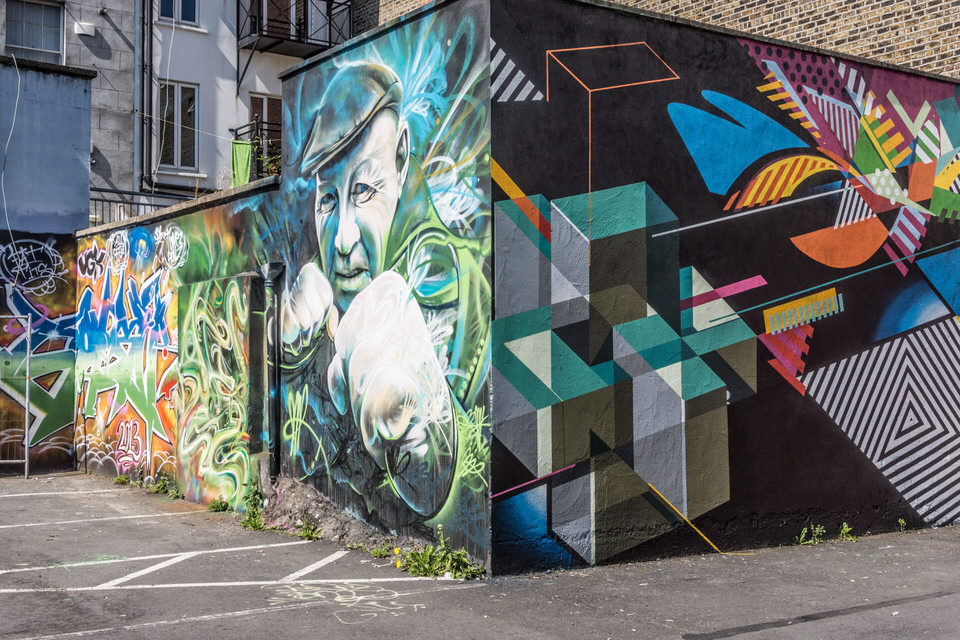 The Street Art - Select Image To View Photographs
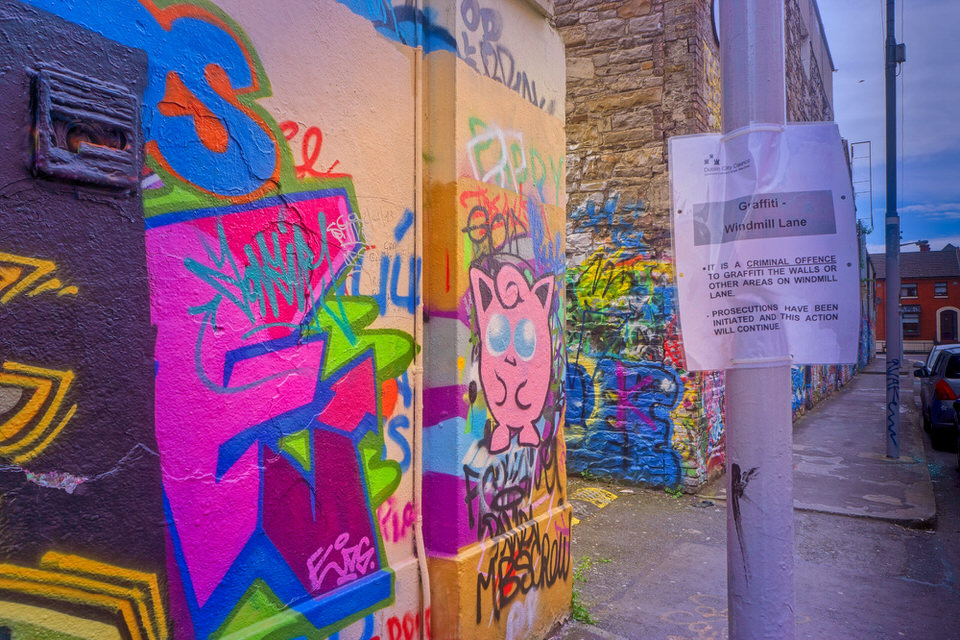 Graffiti Is Illegal In Ireland - Select Image To View Photographs
 As It Was In 2016 - Select Image To View Photographs
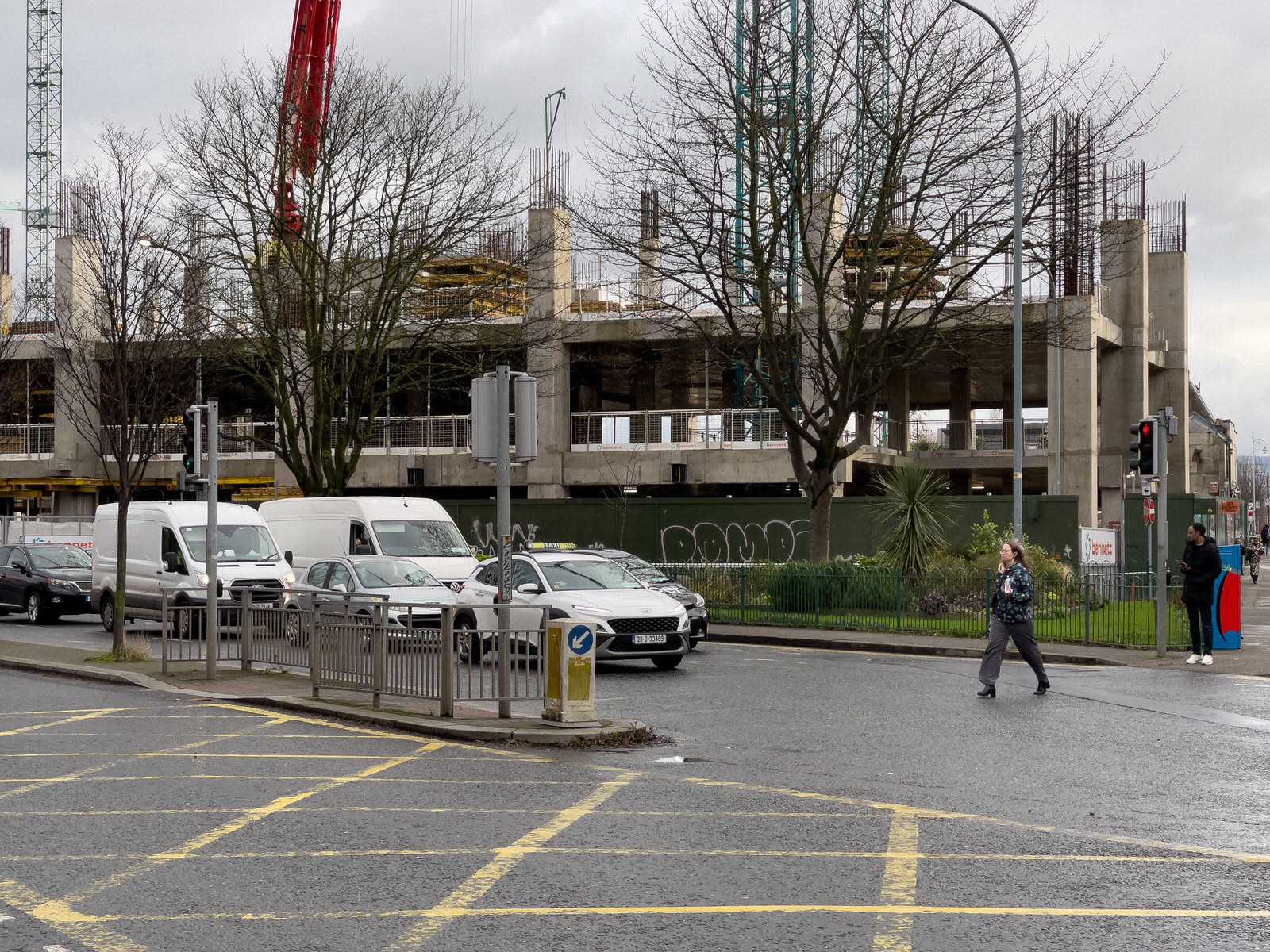 Camden Yard - Select Image To View Photographs
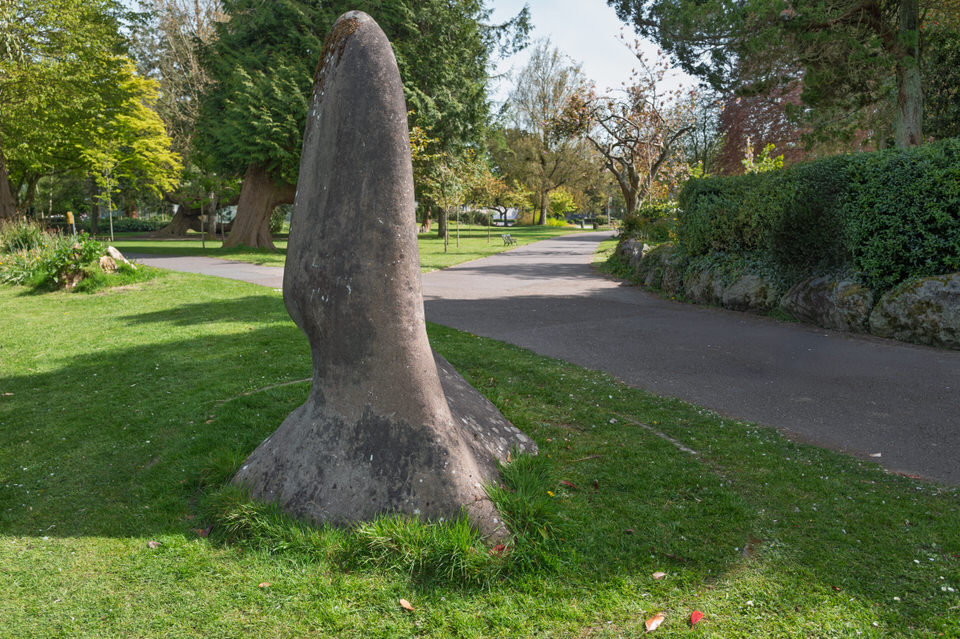 Abstract Sculptures - Select Image To View Photographs
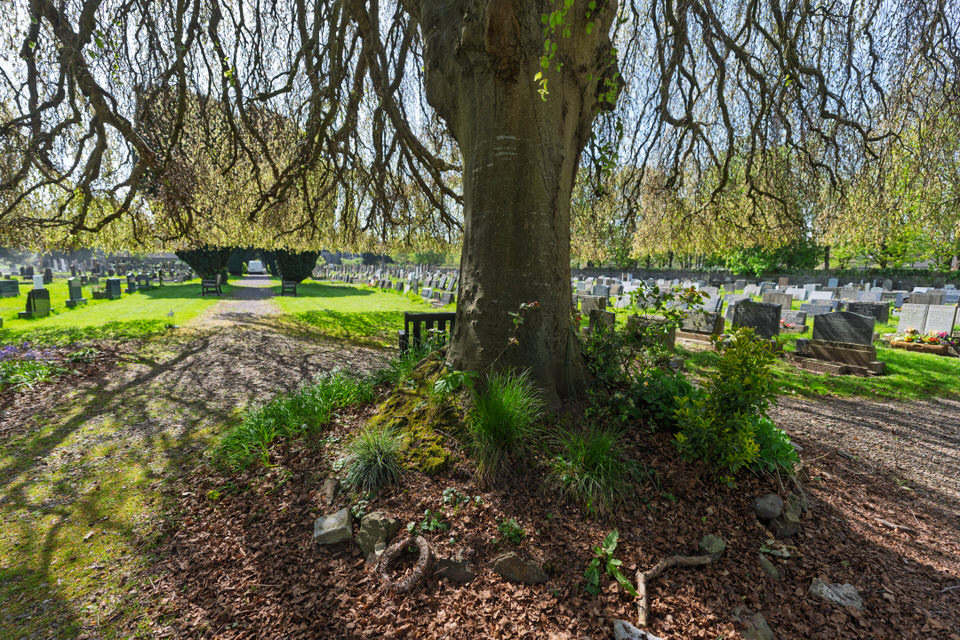 An Amazing Tree - Select Image To View Photographs
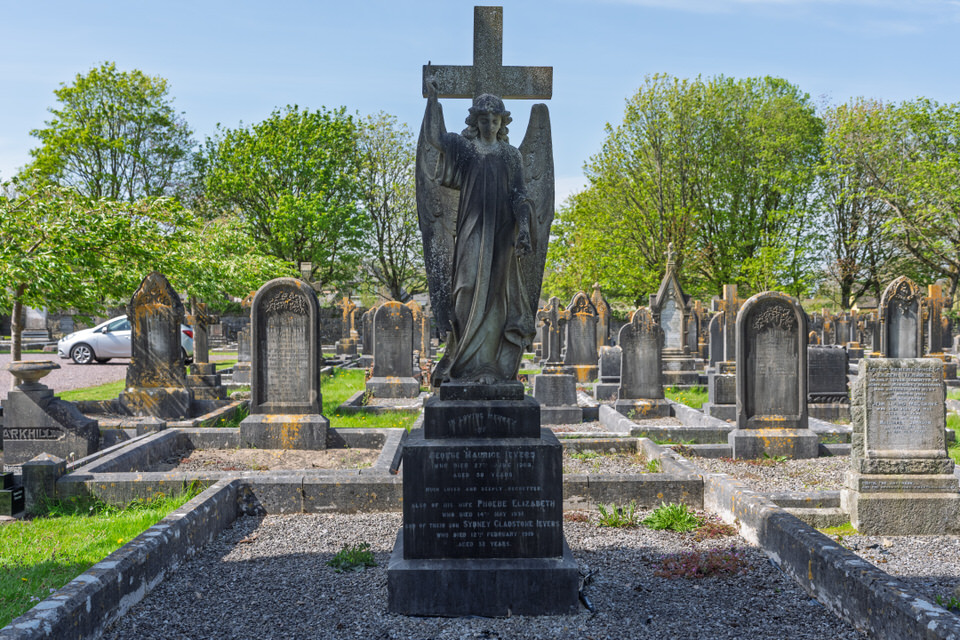 Old Churchyard - Select Image To View Photographs
VIEW HI-RES PHOTOGRAPHS
SONY NEX-7 COLLECTION
ABOUT THE TIVOLI CAR PARK
GLOBAL INDEX OF PHOTO GALLERIES
MAY 2026 PHOTO COLLECTION
THE URBAN CARTOGRAPHER
EXCELLENT PICTURE THIS 2017
The Tivoli Car Park Legacy June 2013 - Presented By The The Urban Cartographer
Who Is Building An Experience Which Is Getting Better Day By Day