The Three Graces And The Sony NEX-5 - Presented By The The Urban Cartographer
LET MISTER SCREEN ASSIST YOU
GLOBAL INDEXThe Urban Cartographer
TECHNICAL STUFFA detailed look at Gabriel Hayes' "The Three Graces" sculpture on Dublin’s Cathal Brugha Street. Explore the 1943 controversy with Archbishop McQuaid, the building’s transition to the TU Dublin Grangegorman campus, and the evolution of digital architectural photography from the Sony NEX-5 to the A7R VI.
EXCELLENT PICTURE THIS 2017
The Three Graces And The Sony NEX-5 - Presented By The The Urban Cartographer
The Three Graces And The Sony NEX-5
Author: The Urban Cartographer
|
12. May 2026
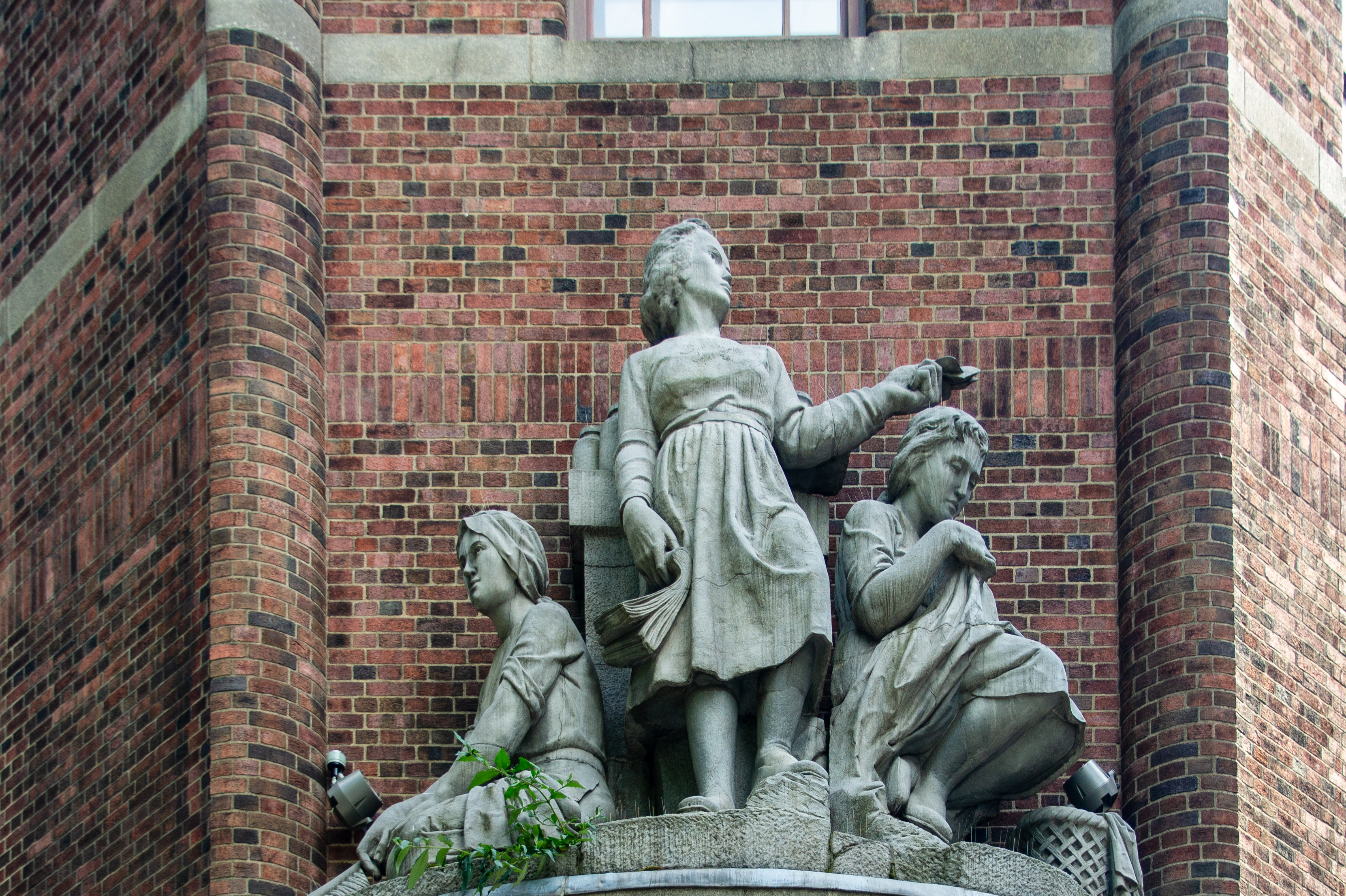
The Three Graces: Gabriel Hayes’ Tribute to Domestic Artistry Positioned on the elegant, curved limestone facade of the former St Mary’s College of Domestic Science on Cathal Brugha Street, Dublin, sits one of the city’s most evocative pieces of public art: The Three Graces. Commissioned in 1943, this relief sculpture by Gabriel Hayes (1909–1978) reimagines the Greek daughters of Zeus—traditionally symbols of mirth, elegance, and youth—through the lens of mid-century Irish social industry. The Artwork and Artist Carved directly into the building's Portland stone, the sculpture depicts three female figures engaged in sweeping, spinning, and sewing. While the subjects are domestic, Hayes’ execution is distinctly Art Deco, characterised by stylised forms, rhythmic flowing lines, and a monumental grace. The artist, Gabriel Hayes, was a trailblazer in Irish art, perhaps best known to the public for designing the iconic woodcock, pig, and hen motifs on Ireland’s pre-decimal coins. For The Three Graces, she chose three of her personal friends to serve as models, grounding the allegorical work in a sense of real-world sisterhood. Controversy and the "McQuaid Objection" The sculpture’s history is famously intertwined with the conservative social climate of 1940s Ireland. Archbishop John Charles McQuaid, a formidable figure in Dublin at the time, voiced strong objections to the work. He deemed the depiction of the female form too "suggestive" and revealing for a Catholic-associated educational institution. However, in a rare moment of institutional resilience against clerical pressure, the college authorities and the architectural team stood their ground. The "Graces" remained, becoming a lasting testament to artistic integrity over moral censorship. The Building Today: From Cathal Brugha Street to Grangegorman Historically known as the "Tech" or "The College of Catering," the building served as a cornerstone of Irish vocational education for decades. Following the establishment of Technological University Dublin (TU Dublin), a massive infrastructural shift took place. Relocation: As of 2022, the majority of academic activities—including the renowned School of Culinary Arts and Food Technology—have moved from Cathal Brugha Street to the state-of-the-art East Quad at the TU Dublin Grangegorman campus. Occupancy: The Cathal Brugha Street building is no longer an active teaching hub for TU Dublin. While it remains an architectural landmark of Dublin 1, the student body has transitioned to the centralised Grangegorman site, which united various disparate city campuses into one cohesive educational quarter. Connection to the "Three Fates" (St Stephen’s Green) There is often a conceptual confusion between Hayes’ Three Graces and the Three Fates (the Schicksalsbrunnen) located in St Stephen’s Green. In Concept: Both artworks utilise the classical trope of a female trio. However, their meanings are opposites. The Three Fates (Clotho, Lachesis, and Atropos) represent the stern, inescapable destiny of man, whereas the Three Graces represent the beauty, charm, and creative output of human life. In Reality: There is no direct artistic link. The Three Fates was a gift from Germany to Ireland in 1954 to thank the Irish people for their help after WWII. It was sculpted by Josef Wackerle. The only true connection is their shared status as significant mid-century sculptures featuring three women within Dublin's "sculpture trail." Photographic Evolution: 2011 to 2026 This specific documentation of The Three Graces began in 2011 using a Sony NEX-5. At the time, the 14.2-megapixel APS-C mirrorless system was a pioneer in compact digital imaging. Revisiting the site in 2026 demonstrates the staggering advancement in optical technology. The archival process has since transitioned through the Alpha 1 II and the A7R V, providing the high-resolution detail necessary for documenting the "built environment" at a professional scale. With the anticipated announcement of the Sony A7R VI on 13 May 2026, the project continues to evolve, utilising the latest in AI-driven autofocus and high-megapixels sensors to preserve Dublin’s public art in unprecedented clarity. The Three Graces - Select Image To View Photographs
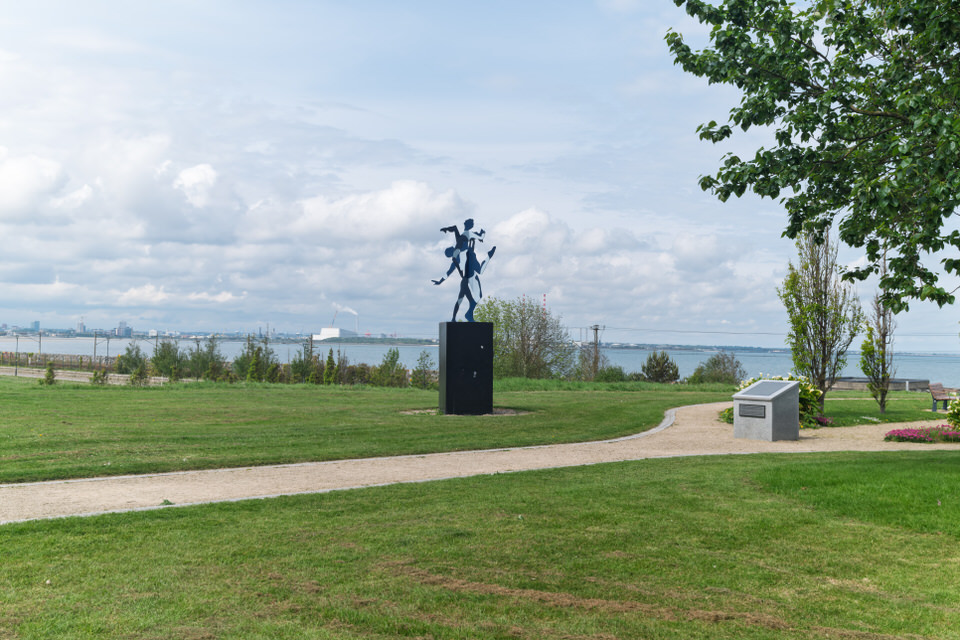 Cut Out People 2026 - Select Image To View Photographs
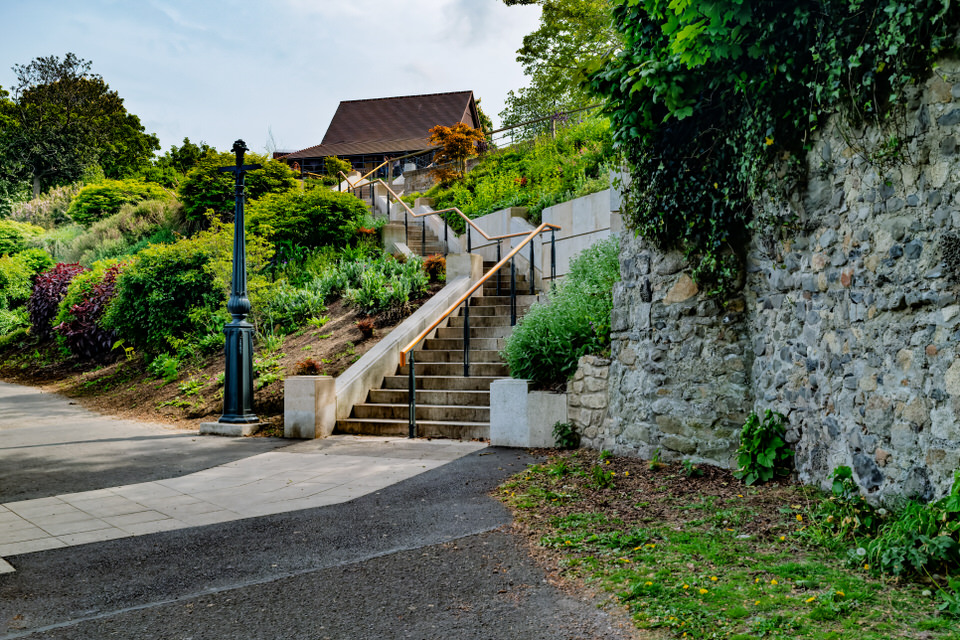 Mister Magpie Cafe - Select Image To View Photographs
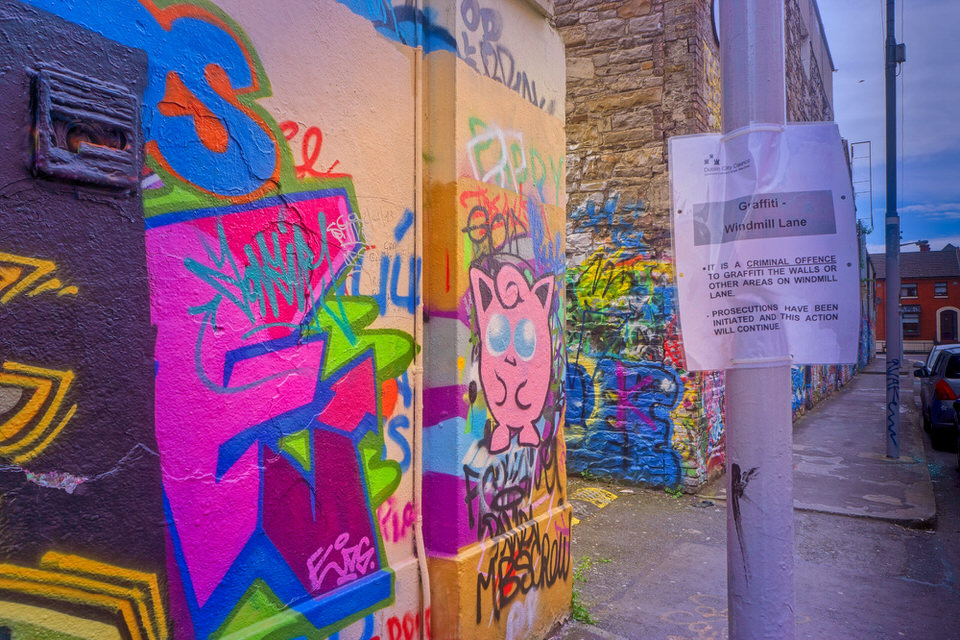 Graffiti Is Illegal In Ireland - Select Image To View Photographs
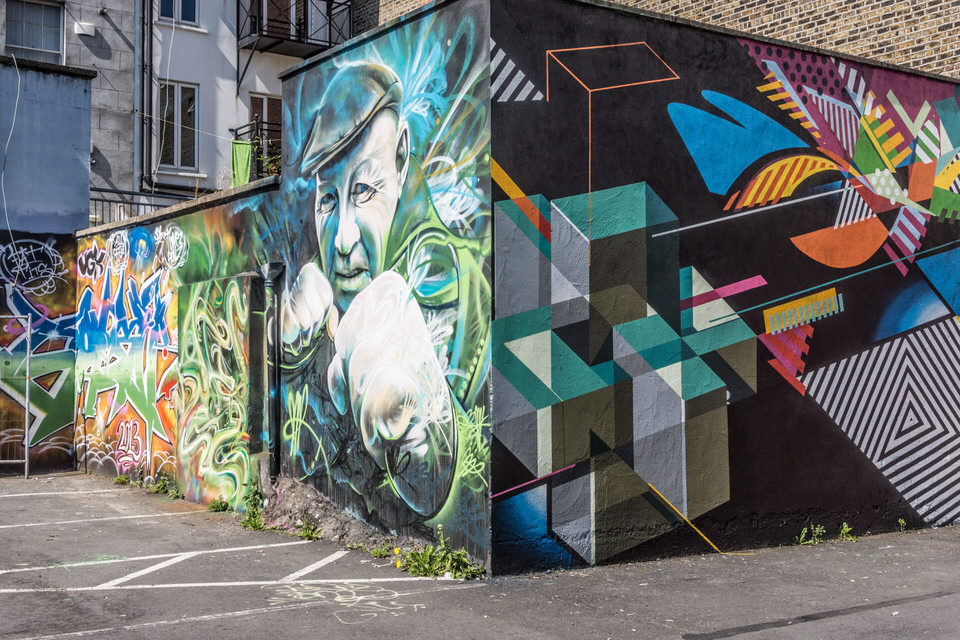 The Street Art - Select Image To View Photographs
 As It Was In 2016 - Select Image To View Photographs
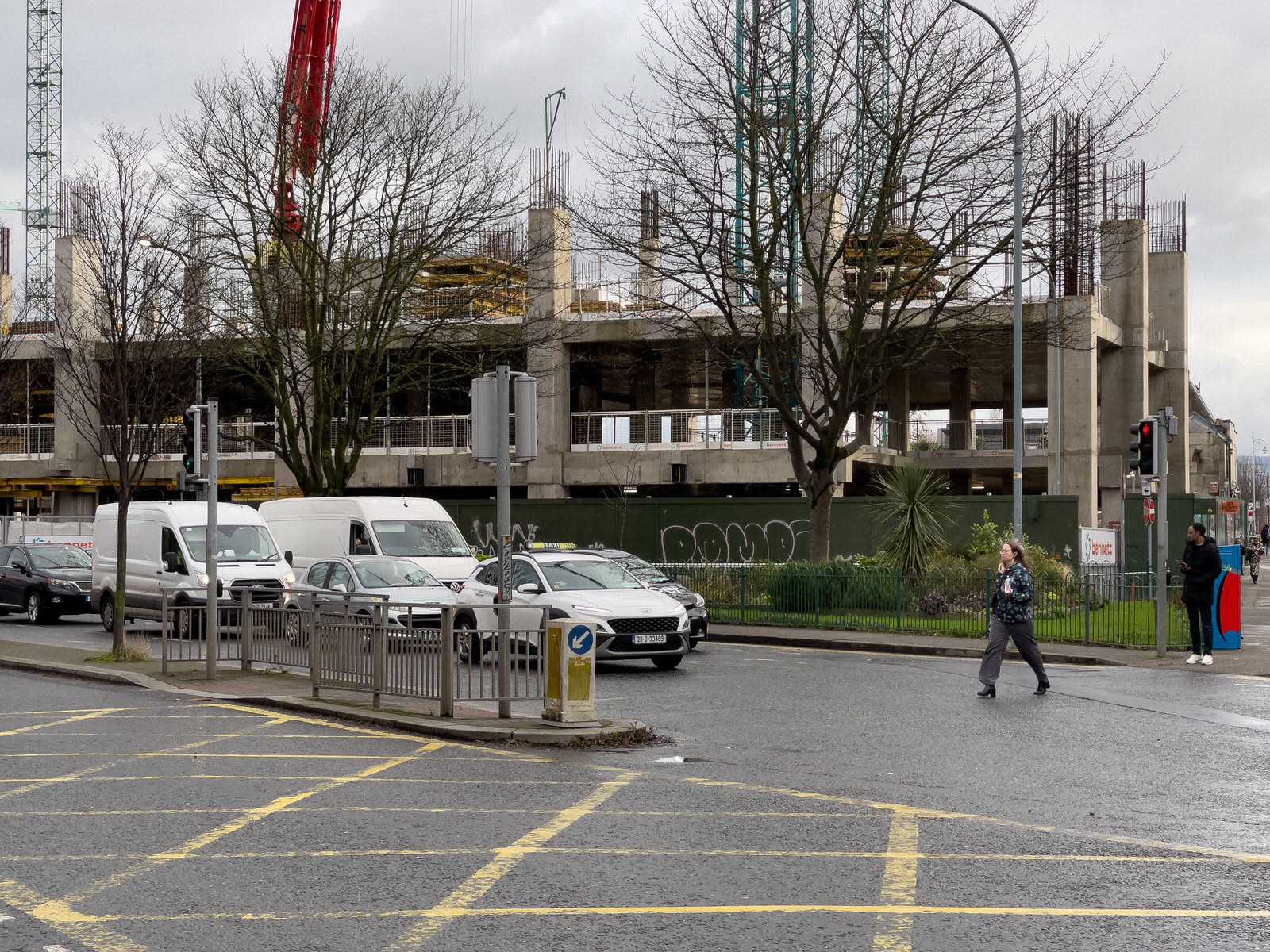 Camden Yard - Select Image To View Photographs
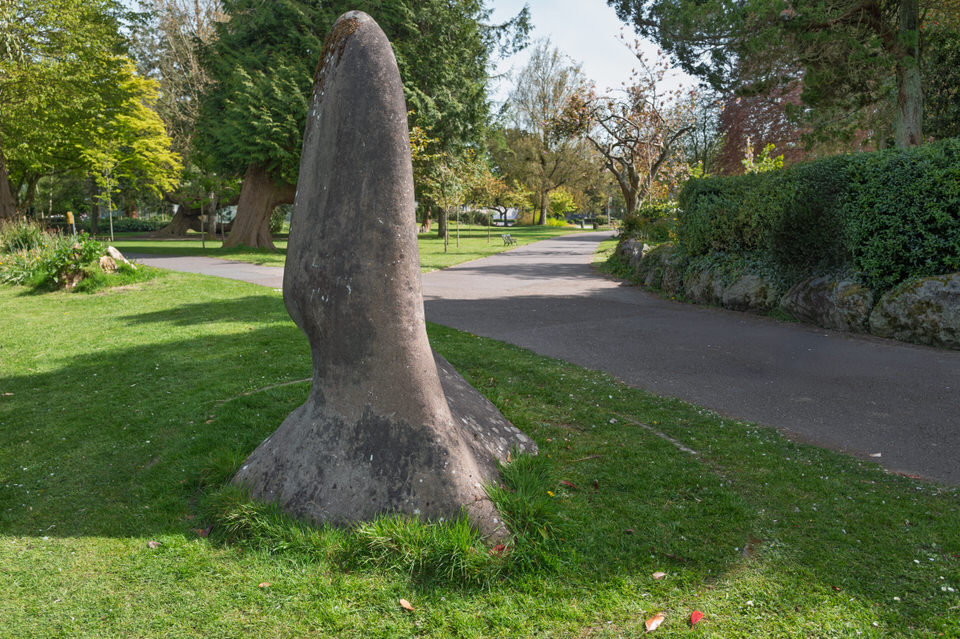 Abstract Sculptures - Select Image To View Photographs
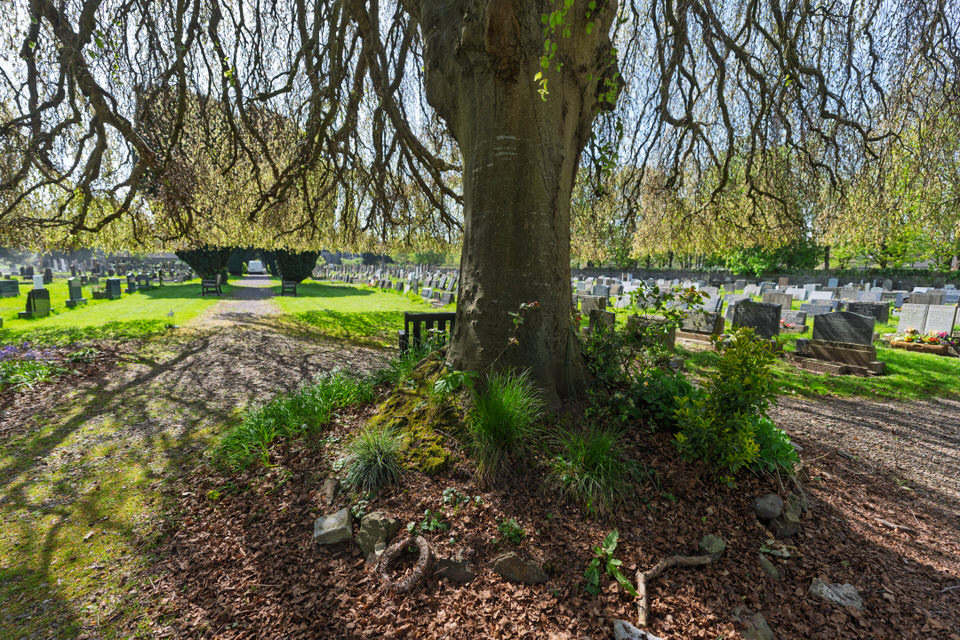 An Amazing Tree - Select Image To View Photographs
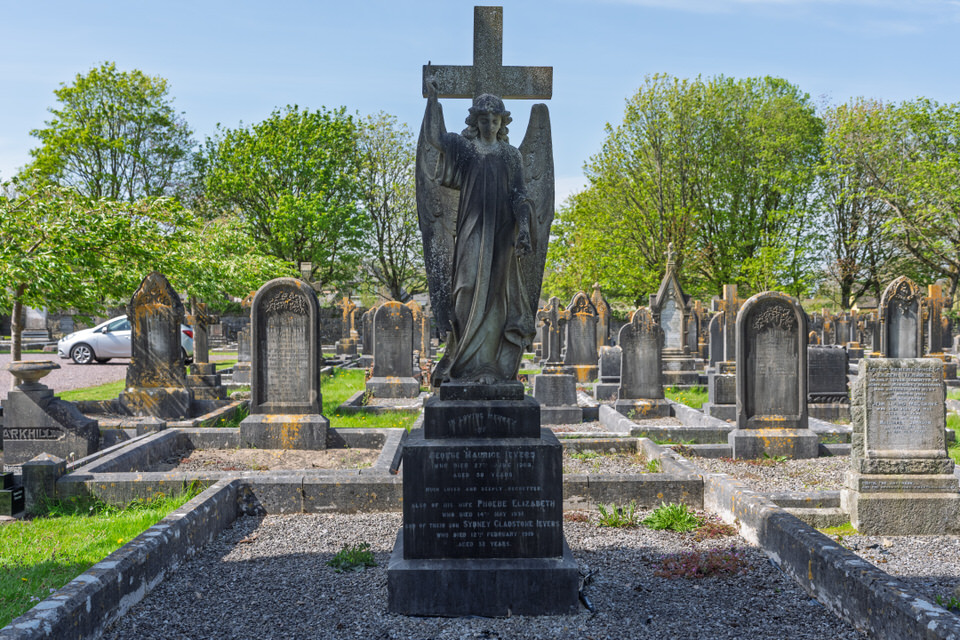 Old Churchyard - Select Image To View Photographs
VIEW HI-RES PHOTOGRAPHS
SONY NEX-5 PHOTO COLLECTION
ABOUT THE THREE GRACES
GLOBAL INDEX OF PHOTO GALLERIES
THE 2011 PHOTO GALLERY
THE URBAN CARTOGRAPHER
EXCELLENT PICTURE THIS 2017
The Three Graces And The Sony NEX-5 - Presented By The The Urban Cartographer
Who Is Building An Experience Which Is Getting Better Day By Day