The Prince Of Wales Avenue Stormont - Presented By The The Urban Cartographer
LET MISTER SCREEN ASSIST YOU
GLOBAL INDEXThe Urban Cartographer
TECHNICAL STUFFExplore the history of the Prince of Wales Avenue at Stormont. From its 1932 opening by Edward Windsor to the architectural secrets of its "forced perspective" design, discover how this iconic mile-long avenue has evolved since 2019 and what it replaced in the original Stormont Castle estate.
EXCELLENT PICTURE THIS 2017
The Prince Of Wales Avenue Stormont - Presented By The The Urban Cartographer
The Prince Of Wales Avenue Stormont
Author: The Urban Cartographer
|
13. Mar 2026
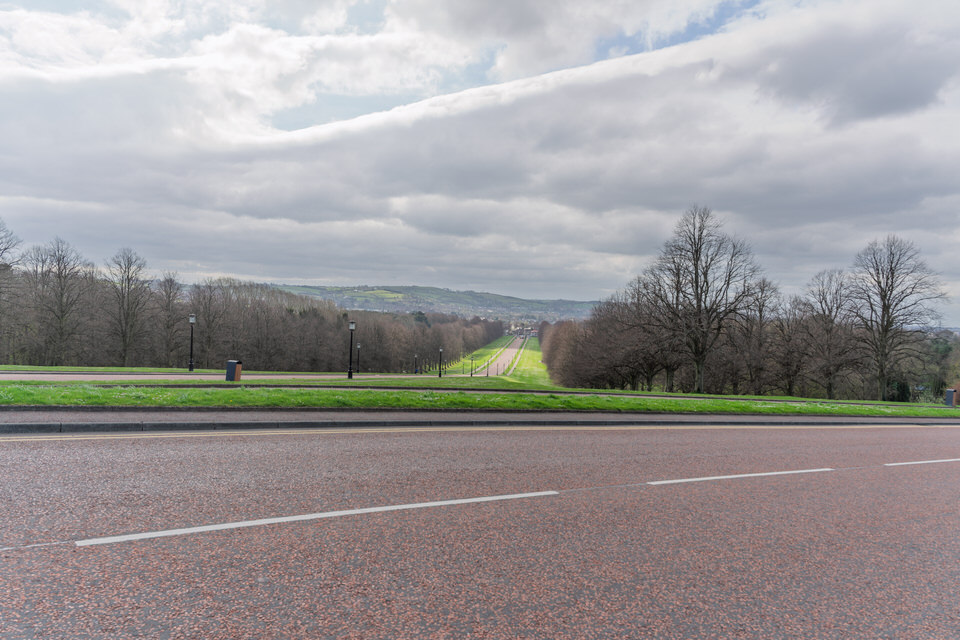
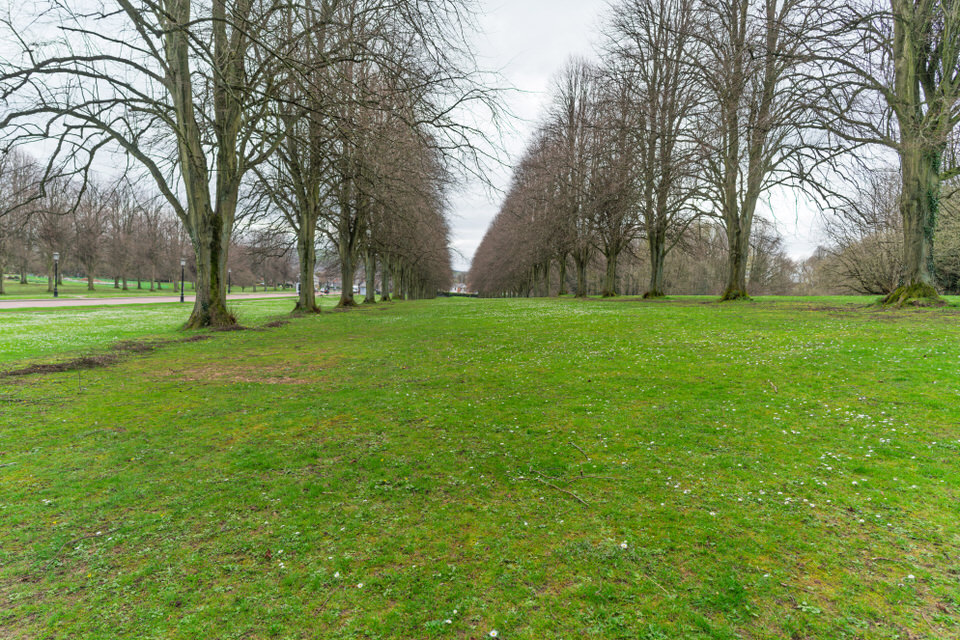 Photographed By William Murphy - Select Image To View Photographs
The Prince of Wales Avenue was constructed in the late 1920s as the grand ceremonial approach to the newly built Parliament Buildings. It was officially opened on 16 November 1932 by Edward, Prince of Wales (the future King Edward VIII), after whom it is named.
The Royal Mile: A History of the Avenue
The avenue was a key component of Sir Arnold Thornely’s neoclassical master plan for the estate. It wasn’t just a road; it was designed to be a "processional way" that mirrored the imperial grandeur seen in other Commonwealth capitals of the era.
Did it replace another driveway?
Before the government purchased the estate in 1921, the land belonged to the Cleland family. At that time, the estate’s focal point was Stormont Castle (originally a "plain house" built in 1830). The original access to the castle was a much more modest, winding driveway that reflected the private nature of the Victorian estate.
When the government took over, they didn't just upgrade the old path; they completely reimagined the landscape. The Prince of Wales Avenue was a new, purposeful insertion into the terrain, designed to lead the eye straight to the "Ulster Acropolis" on the hill, effectively bypassing the old castle's more humble entrance.
Architectural "Magic": Forced Perspective
One of the most fascinating aspects of your 2019 photos is likely the sense of scale. Thornely used a technique known as forced perspective (similar to what you might find on Main Street, U.S.A. at Disney parks).
The avenue is exactly one mile from the gates to the Parliament steps, lined with 305 red-twigged lime trees. However, the distance between the rows of trees is wider at the bottom (the Newtownards Road end) and narrows slightly as you move toward the building. This makes the Parliament Buildings appear more distant and imposing when you start your walk, and conversely, makes the walk back down feel much shorter.
Has it changed since 2019?
If you were to visit today, the view remains largely preserved due to its Grade A listing. However, a few subtle changes have occurred in the estate’s environment:
Political Activity: In 2019, the Northern Ireland Assembly was in a period of "collapse" and the building was largely silent. Since then, the Assembly has restored (and occasionally paused) its functions, meaning the avenue is once again busy with the bustle of active governance.
Security & Accessibility: There have been ongoing minor upgrades to the security screening facilities near the main car parks and enhancements to the "Mo Mowlam Play Park" and surrounding trails, making the estate even more of a public hub than it was five years ago.
Tree Maintenance: The iconic red-twigged limes are meticulously managed. You may notice subtle differences in the maturity or pruning of the foliage compared to my 2019 shots, as the estate management works to preserve the "tunnel" effect.
GALWAY CITY
CORK CITY AND COUNTY
GLOBAL MENU
DUBLIN SOUTHSIDE
DUBLIN NORTHSIDE
URBAN CARTOGRAPHER
EXCELLENT PICTURE THIS 2017
The Prince Of Wales Avenue Stormont - Presented By The The Urban Cartographer
Who Is Building An Experience Which Is Getting Better Day By Day