An Ugly Sculpture In Kilkenny - Presented By The The Urban Cartographer
LET MISTER SCREEN ASSIST YOU
GLOBAL INDEXThe Urban Cartographer
TECHNICAL STUFFThe Ram is a significant example of late 20th-century Irish stone sculpture, executed in the regional "black marble" for which Kilkenny is historically famous. Created by the renowned sculptor Dick Joynt—a leading figure in the Irish "direct carving" tradition—the work exemplifies his interest in heavy, curvilinear forms and the tactile relationship between the artist and the raw material.
EXCELLENT PICTURE THIS 2017
An Ugly Sculpture In Kilkenny - Presented By The The Urban Cartographer
An Ugly Sculpture In Kilkenny
Author: The Urban Cartographer
|
28. Feb 2026
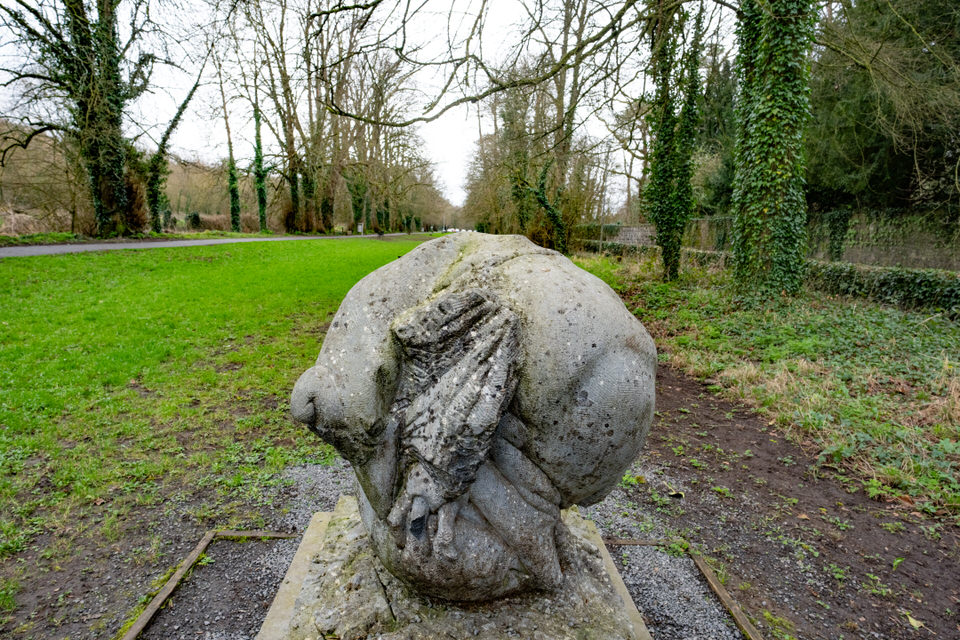
Photographed By William Murphy - Select Image To View Photographs
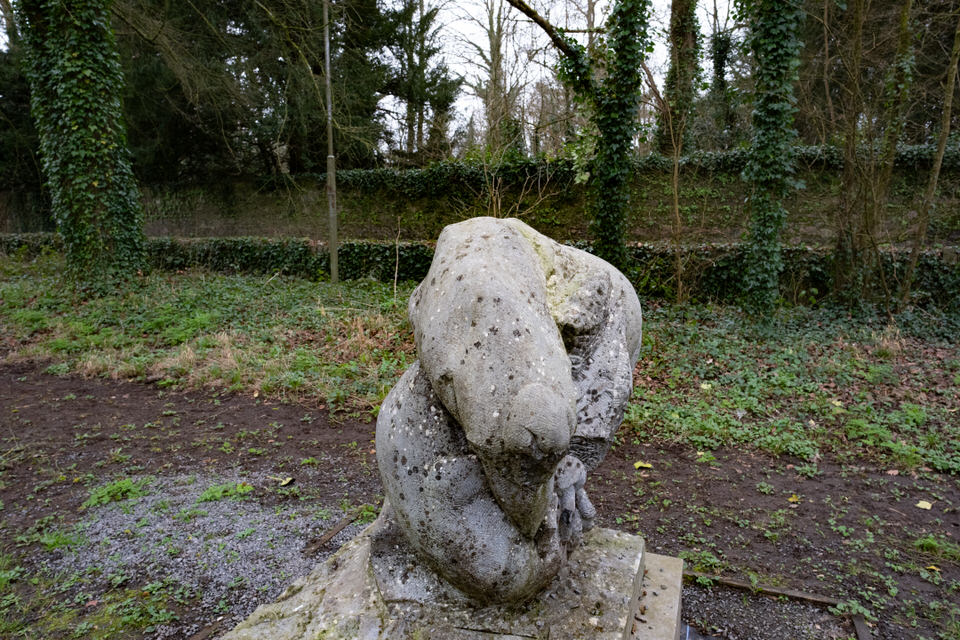
On the canal walk in Kilkenny there is what could be a sculpture that I have tried to identify but failed. This week I asked many locals and most claimed that they had never really noticed - one lady said that it was the most ugly "yoke" that she ever saw. On my return home to Dublin I decide to search if anyone online has ever referred to the "yoke" in Kilkenny - it was a long shot but much to my surprise I managed to actually identify the artist.
That "yoke" is actually a very significant piece of Kilkenny’s public art history, though it definitely has a "love it or hate it" reputation.
The sculpture is titled "The Ram" and was created by the renowned Irish sculptor Dick Joynt (1938–2003).
What You Are Looking At?
The sculpture is carved from Kilkenny Limestone (often called "black marble"). It is a highly stylised, semi-abstract representation of a ram. The Form: If you look at it from the side (as in your closer photos), the large, curved "yoke" at the top represents the animal's massive, heavy horns curling over.
The Texture: Joynt was known for his "direct carving" method, where he would work with the natural shape and grain of the stone, often leaving rough-hewn textures to contrast with polished surfaces.
Why it's There
Dick Joynt’s work is found all over Ireland—most notably his "Great Light" sculpture at the Custom House Docks in Dublin. This piece was part of a series of sculptures commissioned or placed to celebrate local materials and traditional agricultural themes, though its abstract nature means many walkers pass it by thinking it's just a strangely shaped rock.
"The Most Ugly Yoke" The old lady was not alone in her assessment! The sculpture has been a point of conversation for years. Because it is weathered and lacks a highly visible plaque, it often blends into the background of the Canal Walk. Its hunched, heavy appearance can feel a bit "lumpy" to the untrained eye, but in the art world, it’s considered a prime example of 20th-century Irish stone carving.
What is a Yoke?
The Literal Translation
In standard English, a "yoke" is a wooden beam used between two animals to pull a plow. In Ireland, we almost never mean that.
In the Irish context, "yoke" is a placeholder name for any physical object. It is the ultimate "thingamajig" or "doohickey."
When to Use It
You use "yoke" when you have forgotten the actual name of an object, or when the object is so strange/convoluted that it doesn't deserve a proper name.
The Remote Control: "Pass me that yoke for the telly."
A Complicated Machine: "How does this yoke even work?"
An Unidentified Object: "What is that yoke on the counter?"
The "Person" Exception
While usually reserved for objects, "yoke" can describe a person, often with a hint of skepticism or pity.
"I saw him out with some yoke in a tracksuit." In this case, it implies the person is a bit of a character or perhaps someone the speaker doesn't quite approve of.
Important Cultural Note: The "Other" Yoke
In certain nightlife contexts (festivals, clubs), "yoke" is also common slang for an ecstasy pill. If someone asks, "Do you have any yokes?" at 3:00 AM in a club, they aren't looking for a TV remote. Context is everything!
GALWAY CITY
CORK CITY AND COUNTY
GLOBAL MENU
DUBLIN SOUTHSIDE
DUBLIN NORTHSIDE
URBAN CARTOGRAPHER
EXCELLENT PICTURE THIS 2017
An Ugly Sculpture In Kilkenny - Presented By The The Urban Cartographer
Who Is Building An Experience Which Is Getting Better Day By Day