The People's Park In Dun Laoghaire - Presented By The The Urban Cartographer
LET MISTER SCREEN ASSIST YOU
GLOBAL INDEXThe Urban Cartographer
TECHNICAL STUFFDiscover the history and stunning 2012 restoration of the People’s Park in Dún Laoghaire. Built in 1890 on a former granite quarry, this public Victorian masterpiece features a conserved gate lodge, a spectacular glass-extended tearoom, two historic cast-iron fountains, and an authentic gas-lit bandstand. Learn how conservation architects saved its structures and reconnected this democratic green space to the Dublin seafront.
DUBLIN SOUTHSIDE
The People's Park In Dun Laoghaire - Presented By The The Urban Cartographer
The People's Park In Dun Laoghaire
Author: The Urban Cartographer
|
21. May 2026
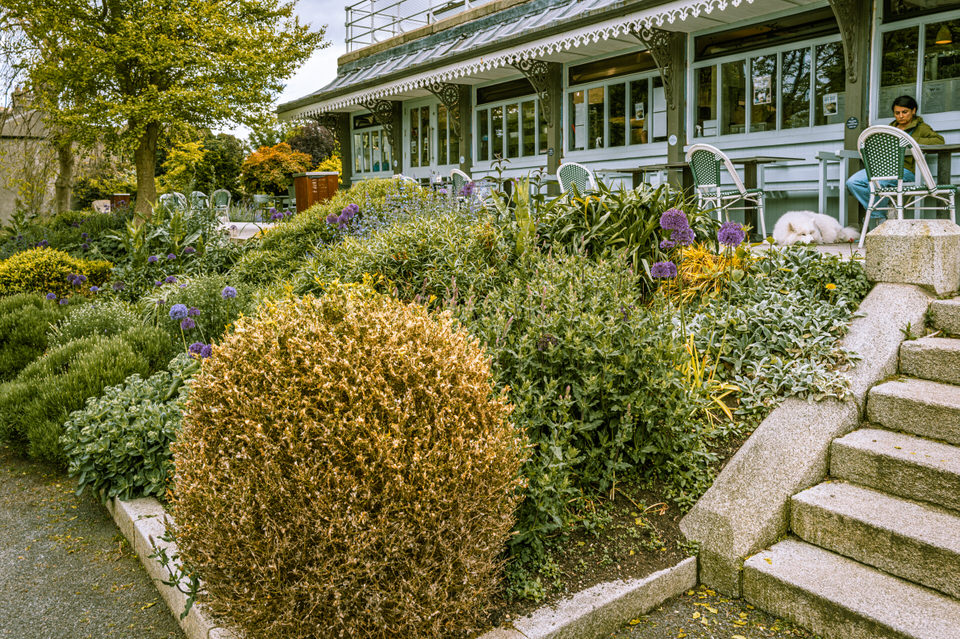
A masterclass in Victorian civic pride, the People's Park in Dún Laoghaire stands as a coastal gem just south of Dublin. Covering four acres between the bustling town centre and the Irish Sea, this beautifully landscaped space serves as a tranquil oasis during the week and a vibrant cultural hub on weekends. However, its journey from a rugged, industrial scar to a formal Victorian sanctuary—and its subsequent 21st-century salvation—is a fascinating tale of shifting public needs and architectural endurance. From Quarry to Common: Why the Name? The ground beneath the People’s Park carries a heavy industrial past. In the early 19th century, the site housed a Martello Tower and was subsequently used as a granite quarry by the Board of Works to supply stone for the massive construction of Dún Laoghaire Harbour. By the late 1880s, the quarry was depleted, leaving behind an unsightly, uneven crater. In 1889, the Kingstown (as Dún Laoghaire was then known) Town Commissioners stepped in. They purchased the site with a clear, singular vision: to convert the industrial wasteland into a formal public park. Was it always public? Yes. Unlike many historic squares in Dublin that began as private, gated lawns for wealthy local residents (such as Merrion Square), this park was specifically conceived, funded, and built by the municipality for the public. The name "The People's Park" was deliberately chosen to reflect this democratic purpose. It was designed as a gift of health, fresh air, and leisure for the working-class citizens and holidaymakers of the town. Designed by renowned local architect J.L. Robinson, the park officially opened its gates to the public on 29 September 1890. A Century of Layout Changes Over the decades, the park underwent numerous structural changes that gradually eroded J.L. Robinson’s rigorous Victorian vision. The 1937 Alterations: The original formal geometric pathways were replaced with a more winding, relaxed system of walkways. The Railway Divide: The expansion of the local DART railway line cut a deep, functional trench along the northern boundary, visually and physically isolating the park from the sea. The 1980s Interventions: Well-intentioned but architecturally crude alterations took place. Unsympathetic repairs to the buildings, the installation of a 1988 playground, and altering of the ground levels severely compromised the park's heritage integrity. Furthermore, because the park was built on an infilled quarry, subsoil shifting caused severe structural settlement damage to the heavy Victorian buildings. The Great 2012 Restoration: Reviving Robinson's Vision By the late 2000s, the park’s historic infrastructure had fallen into deep disrepair. Under the guidance of Senior Parks Superintendent Leslie Moore and specialist conservation architects Howley Hayes, Dún Laoghaire-Rathdown County Council launched a multi-million-euro restoration project that culminated in 2012. The objective was clear: restore the park to its original formal geometric layout while introducing contemporary interventions to meet 21st-century demands.
The pathways were meticulously reconstructed back into their precise Victorian alignment, flanked by bespoke iroko timber and stone seating. Crucially, the team tackled the visual scar of the railway line by decking over the DART cutting. This created a magnificent, raised seaside promenade and a glazed viewing deck, seamlessly reconnecting the park to its historic maritime backdrop. The Jewels of the Park The success of the restoration rests heavily on the conservation of its five distinct heritage structures:
1. The Bandstand
Positioned precisely at the formal heart of the park, the ornate Victorian bandstand is an architectural triumph. During the restoration, it was carefully stabilised and polished. Remarkably, it still features its original gaslight standards (wrought-iron lamppost fittings), capturing the exact evening ambiance of the 1890s. 2. The Two Fountains
Flanking the central walkways are two magnificent, identical cast-iron fountains. Cast in Glasgow circa 1850, these structures feature intricate ornamental angels. Standing just 150 metres from the sea, they had suffered terribly from salt-laden air and freeze-thaw cycles. During the restoration, they were blast-cleaned and treated with an advanced zinc-based cathodic protection system to seal them against the elements before being finished in their striking, traditional green and white livery. 3. The Tearooms (The Pavilion)
Originally constructed as a formal Victorian sun shelter and changing pavilion, this long, narrow brick building had suffered severe structural sinking. Architects carefully stabilised the foundations and extended the structure by adding a contemporary glass, brick, and copper-edged extension. This flooded the interior with southern light, turning the historic shelter into a thriving, modern park café and tearoom without losing its period charm. 4. The Gate Lodge
Situated at the main formal entrance where Upper George’s Street meets Summerhill Road, this picturesque stone lodge originally served as the official residence for the park's Head Gardener. The restoration stabilized its structural subsidence and extended the building. Today, it serves a multi-functional role as public meeting spaces, public toilets, and the official park superintendent's office. The Park Today Today, the People's Park successfully balances historical reverence with vibrant modern utility. Every Sunday, the formal Victorian paths form the backdrop for the immensely popular People's Park Farmers Market, attracting thousands of visitors who come to sample international street food, organic Irish produce, and local crafts. Thanks to the meticulous restoration, visitors are doing so in the exact elegant surroundings intended for them over 130 years ago.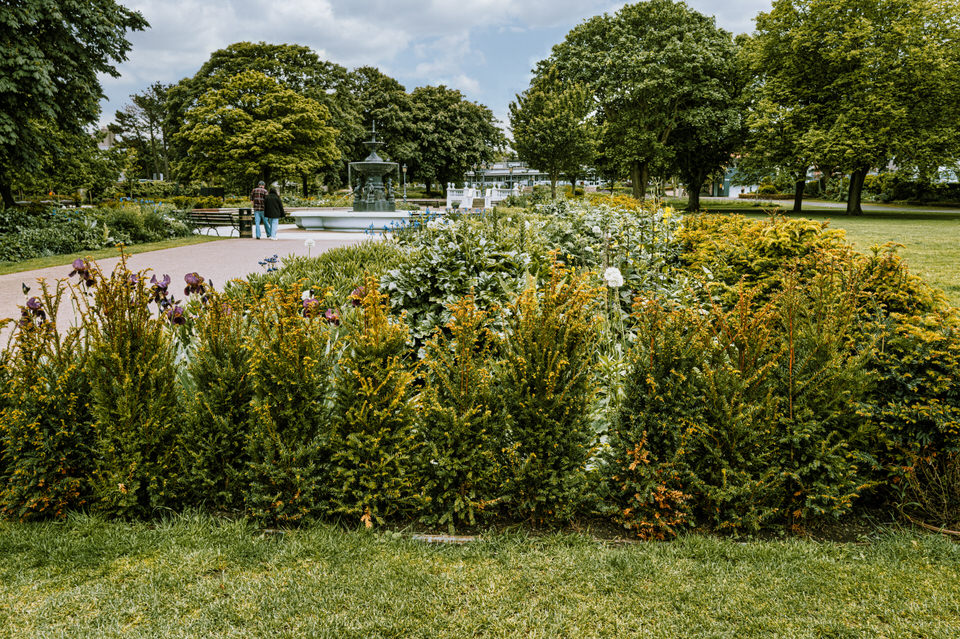 The Restored Baths Where Old Charm Meets Modern Edge - Select Image To View Photographs
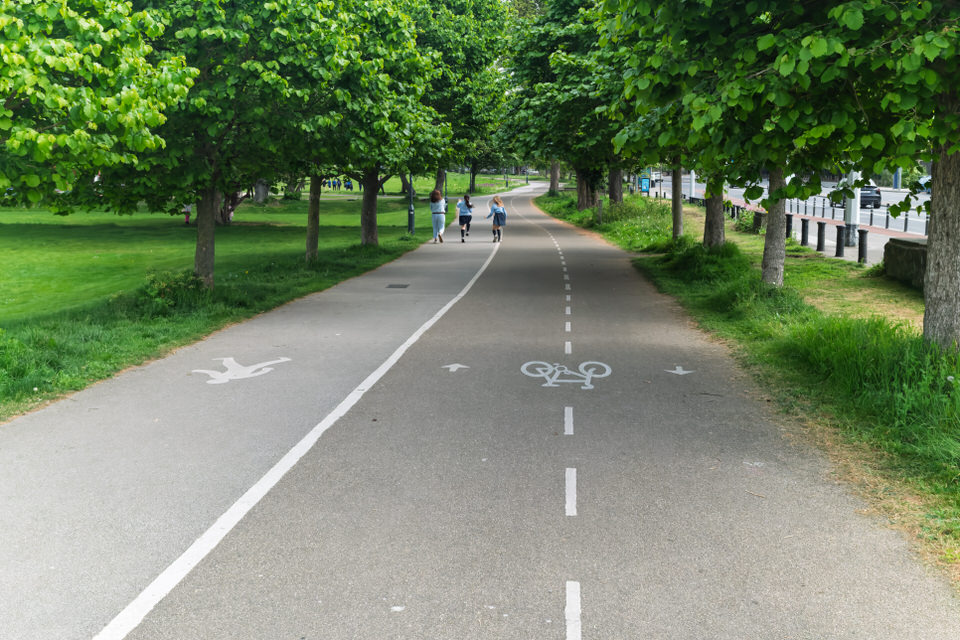 Blackrock Linear Park - Select Image To View Photographs
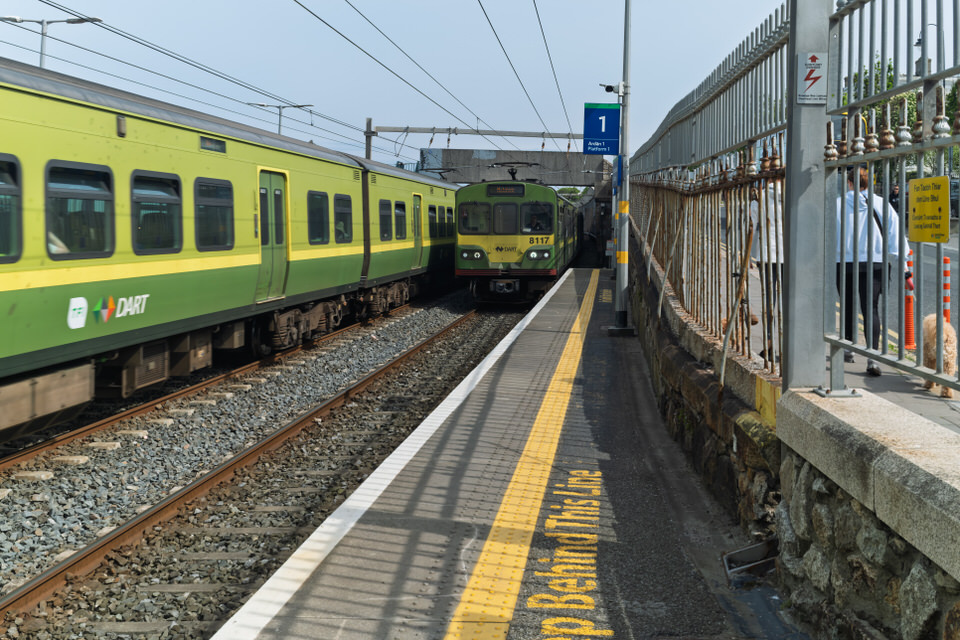 Blackrock Train Station - Select Image To View Photographs
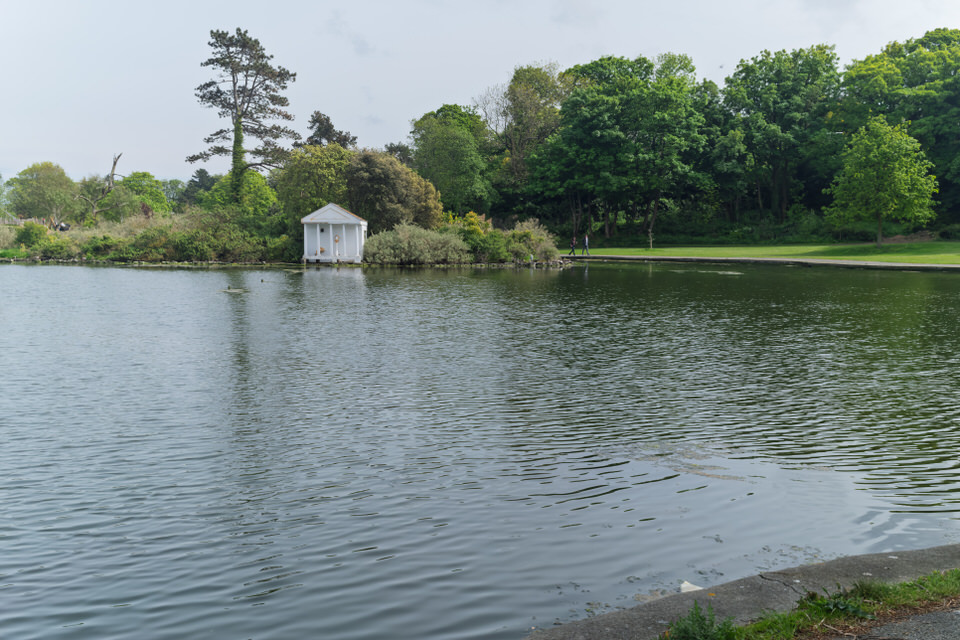 The Pond Area - Select Image To View Photographs
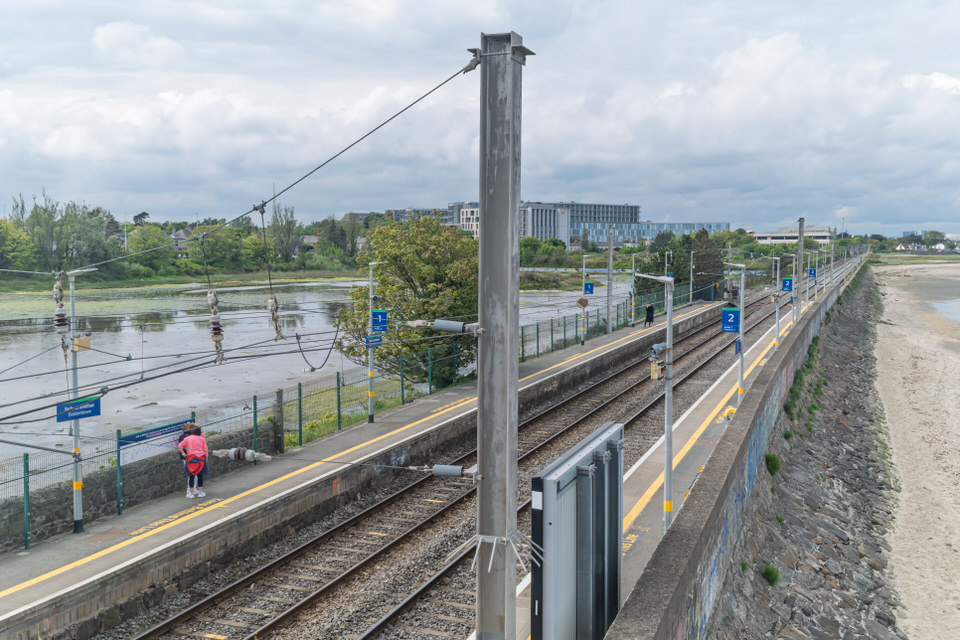 Booterstown - Select Image To View Photographs
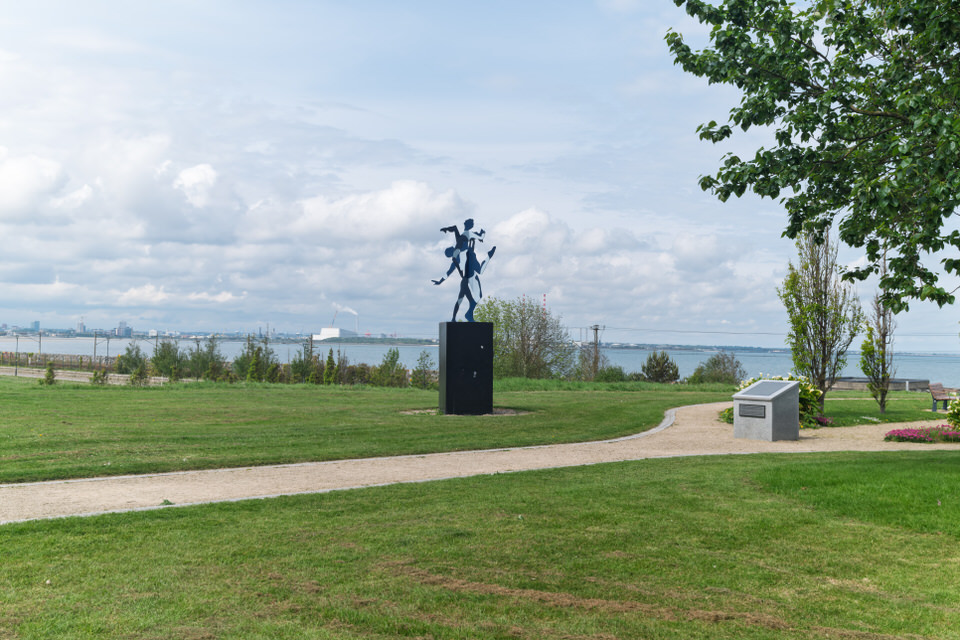 Cut Out People 2026 - Select Image To View Photographs
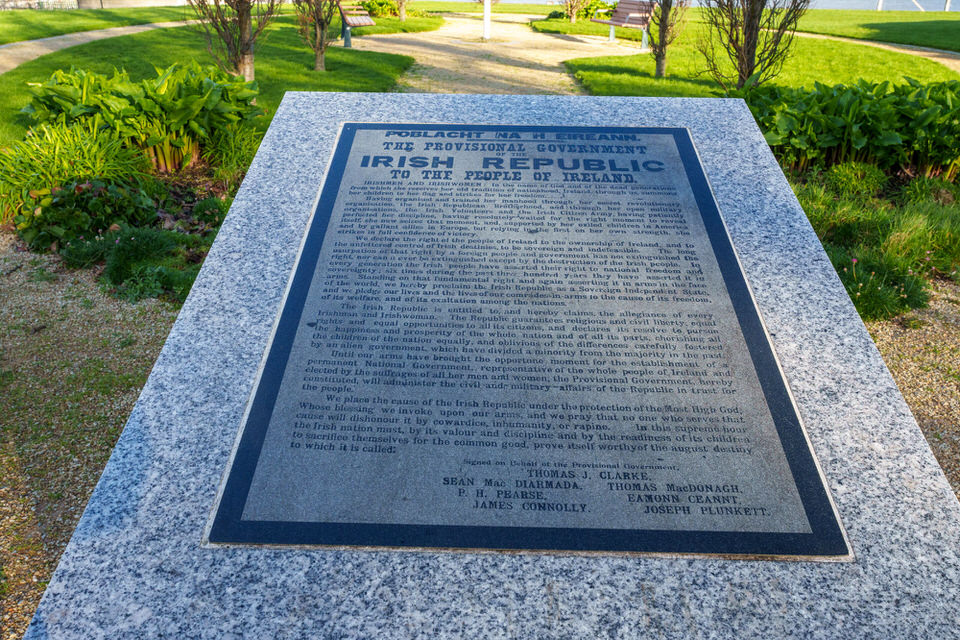 View The Sculpture - Select Image To View Photographs
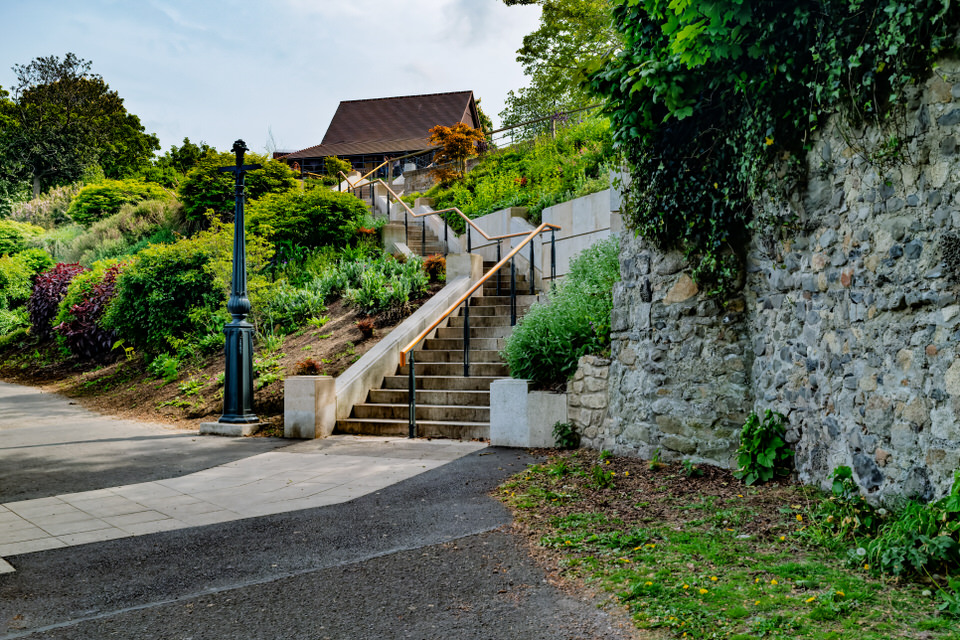 Mister Magpie Cafe - Select Image To View Photographs
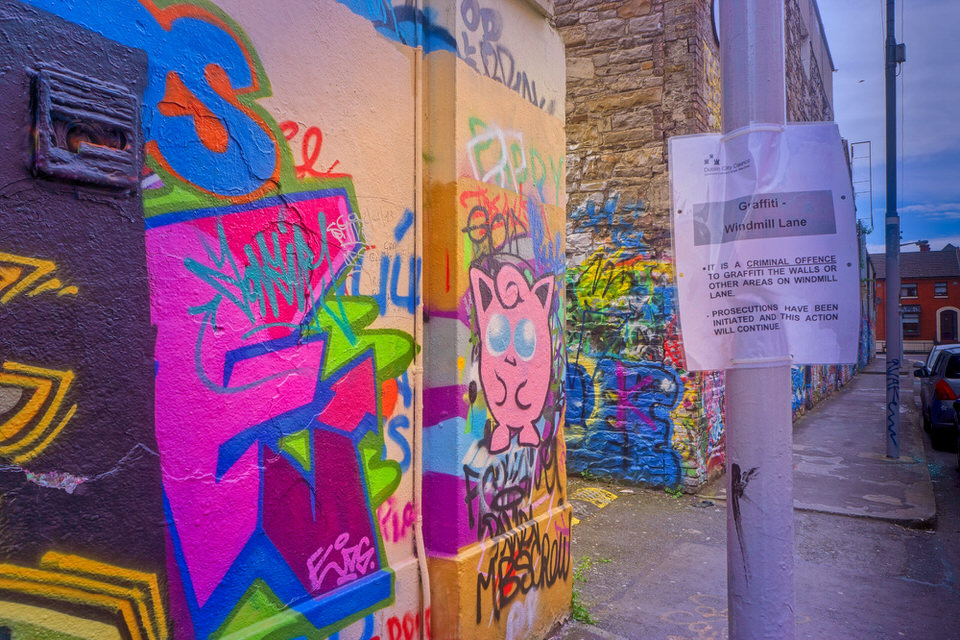 Graffiti Is Illegal In Ireland - Select Image To View Photographs
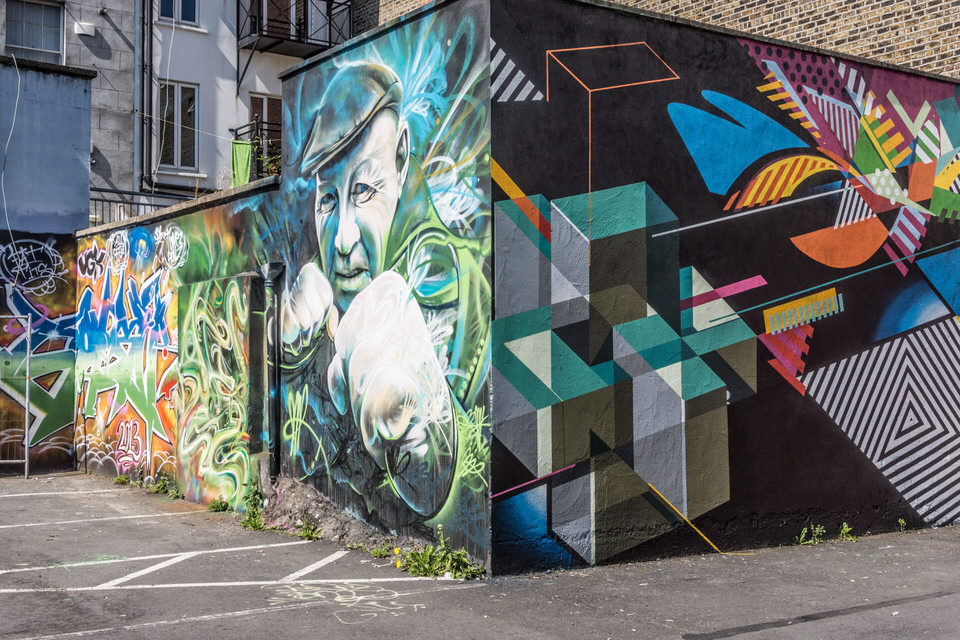 The Street Art - Select Image To View Photographs
 As It Was In 2016 - Select Image To View Photographs
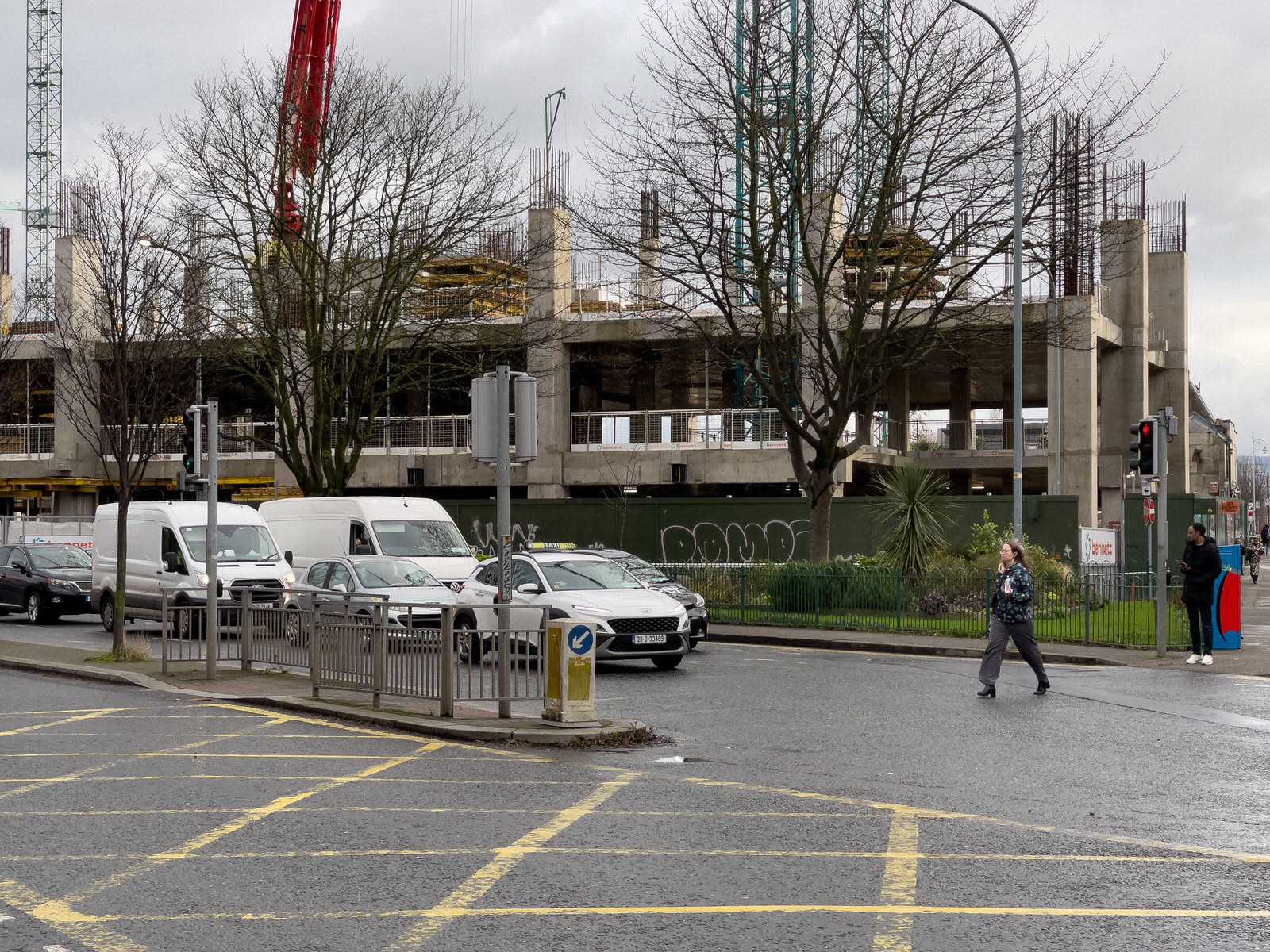 Camden Yard - Select Image To View Photographs
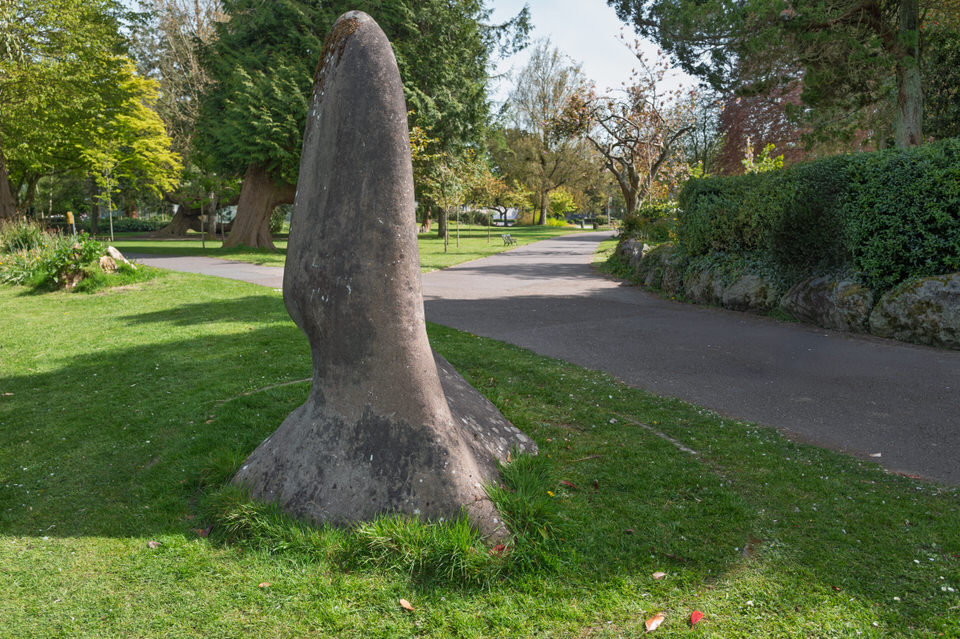 Abstract Sculptures - Select Image To View Photographs
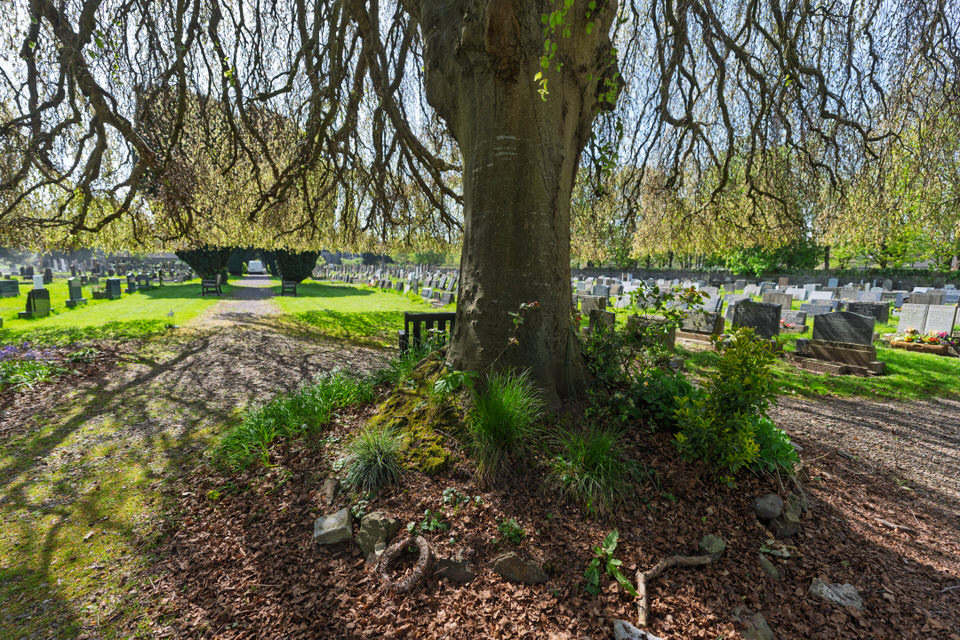 An Amazing Tree - Select Image To View Photographs
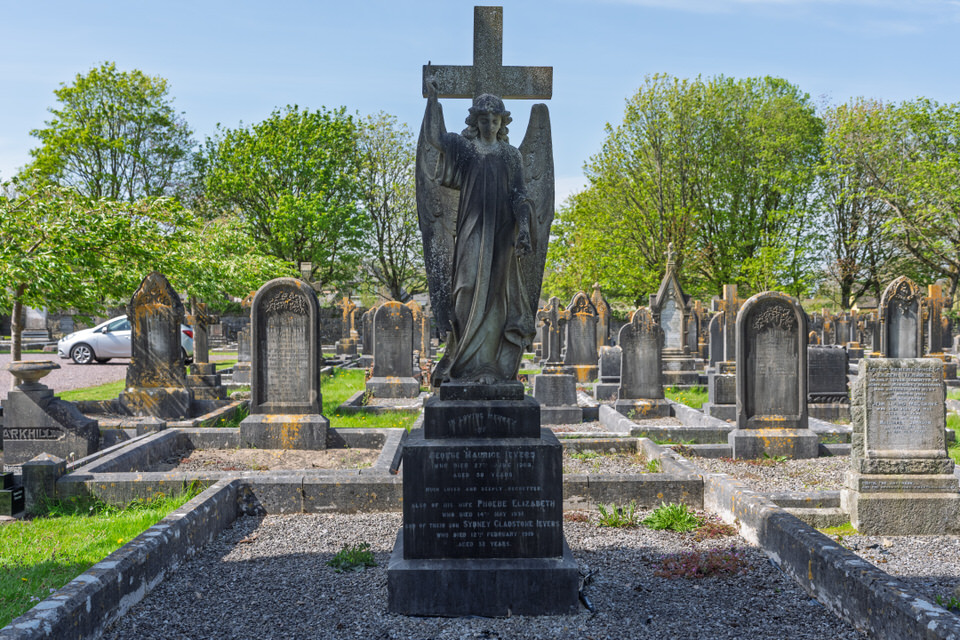 Old Churchyard - Select Image To View Photographs
VIEW HI-RES PHOTOGRAPHS
LEICA Q3
ABOUT THE PEOPLES PARK
GLOBAL INDEX OF PHOTO GALLERIES
PARKS AND GARDENS
THE URBAN CARTOGRAPHER
DUBLIN SOUTHSIDE
The People's Park In Dun Laoghaire - Presented By The The Urban Cartographer
Who Is Building An Experience Which Is Getting Better Day By Day