St Johns Old Churchyard May 2016 - Presented By The The Urban Cartographer
LET MISTER SCREEN ASSIST YOU
GLOBAL INDEXThe Urban Cartographer
TECHNICAL STUFFExplore the hidden history of St John’s Old Churchyard on Kilkenny’s Dublin Road. From 13th-century stone slabs and leper hospitals to 1920s concert halls and pristine Commonwealth War Graves, discover a site defined by centuries of change and a striking contrast in conservation.
EXCELLENT PICTURE THIS 2017
St Johns Old Churchyard May 2016 - Presented By The The Urban Cartographer
St Johns Old Churchyard May 2016
Author: The Urban Cartographer
|
03. Mar 2026
Photographed By William Murphy - Select Image To View Photographs
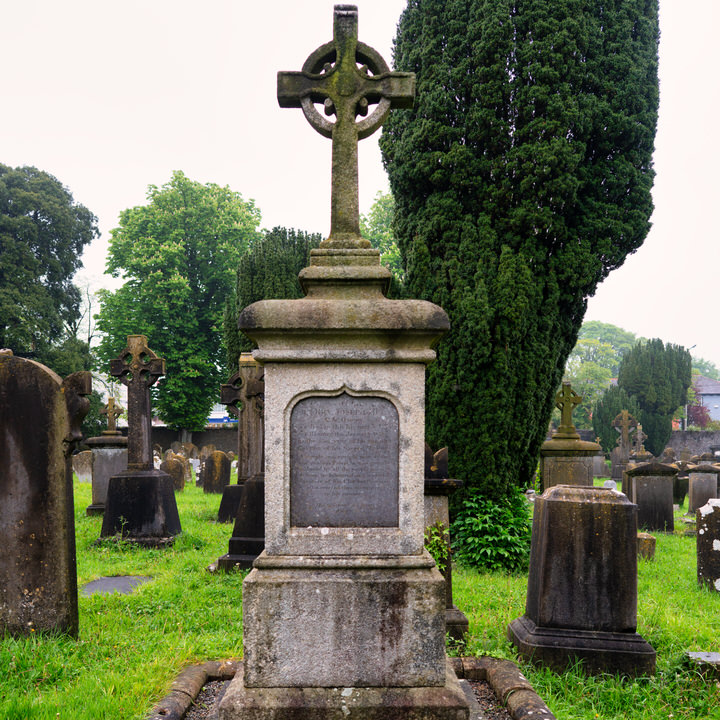
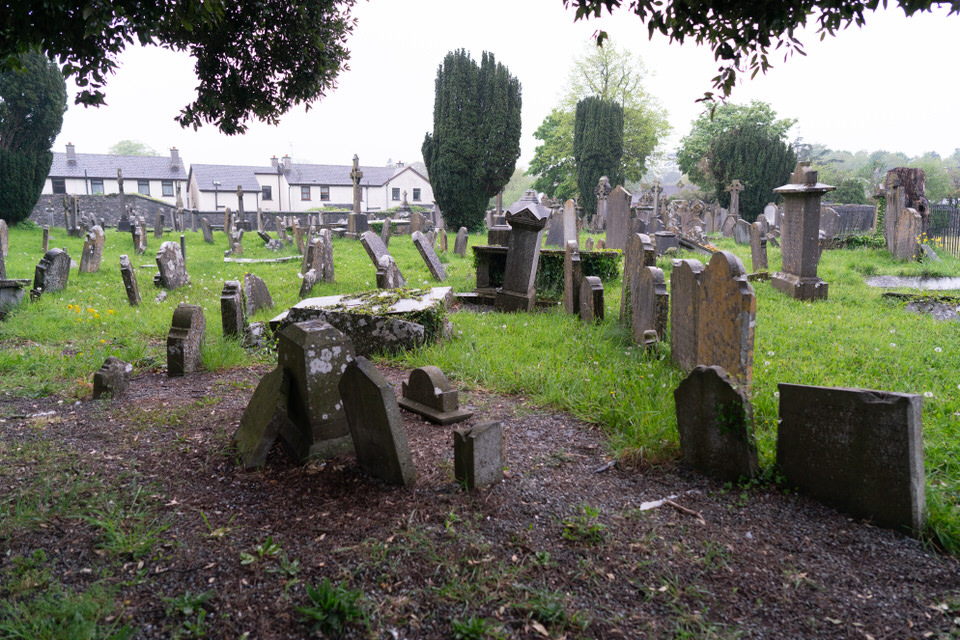
Located on the Old Dublin Road between Maudlin Street and the modern Dublin Road, St John’s Old Churchyard is a site of profound historical gravity. My initial attempt to document the grounds on 9 May 2016 was thwarted by torrential weather. Upon returning the following day, the rain relented for a brief twenty-minute window; however, the light remained dismal, casting a somber mood over the ancient stones.
At the time of my visit, the graveyard presented a physical challenge. The grounds were somewhat treacherous, with long grass concealing hidden obstacles that posed a genuine "leg-breaking" hazard to the unwary visitor.
An Ecclesiastical Evolution
While no active church stands on the site today, the grounds possess deep ecclesiastical roots spanning several centuries:
The 13th Century: The site’s antiquity is evidenced by the presence of ancient coffin-shaped slabs.
The Magdalen Connection: The grounds were historically linked to a leper hospital and later became known as the "Chapel of the Magdalens."
Reconstruction and Removal: A chapel rebuilt in 1796 was eventually dismantled in 1847.
The 20th Century: In a surprising shift of utility, the remaining structure served as a concert hall in the 1920s—notably hosting the world-renowned tenor John McCormack—before it was finally cleared in the 1950s.
A Study in Contrasts
St John’s offers a fascinating, if slightly jarring, "divided" landscape. As the yard is managed by St John’s Parish rather than the local council, the sheer scale of this historic space makes consistent maintenance a significant challenge.
However, one corner remains impeccably manicured. This section houses four Commonwealth War Graves from the 1914–1918 War. Maintained by the Commonwealth War Graves Commission (CWGC), these headstones stand in stark, polished contrast to the weathered 17th and 18th-century monuments nearby. This juxtaposition serves as a poignant reminder of the transformative impact that dedicated international conservation can have on local heritage sites.
GALWAY CITY
CORK CITY AND COUNTY
GLOBAL MENU
DUBLIN SOUTHSIDE
DUBLIN NORTHSIDE
URBAN CARTOGRAPHER
EXCELLENT PICTURE THIS 2017
St Johns Old Churchyard May 2016 - Presented By The The Urban Cartographer
Who Is Building An Experience Which Is Getting Better Day By Day