Long Discussion About St Luke's - Presented By The The Urban Cartographer
LET MISTER SCREEN ASSIST YOU
GLOBAL INDEXThe Urban Cartographer
TECHNICAL STUFFNoticed flat stones engraved "ENTRANCE" in an Irish graveyard? Discover the hidden history of Victorian family vaults. These markers indicate the secret access points to underground chambers in historic sites like St Luke’s, Douglas, revealing the wealth and social status of Cork’s 19th-century merchant princes. Why are the gravestones in Douglas, Cork, covered in rust-brown lichen? Learn how these vibrant organisms indicate the exceptionally clean air of St Luke’s Graveyard and how they interact with the mineral-rich "Cork Red" limestone to create a stunning natural patina for photographers.
EXCELLENT PICTURE THIS 2017
Long Discussion About St Luke's - Presented By The The Urban Cartographer
Long Discussion About St Luke's
Author: The Urban Cartographer
|
28. Apr 2026
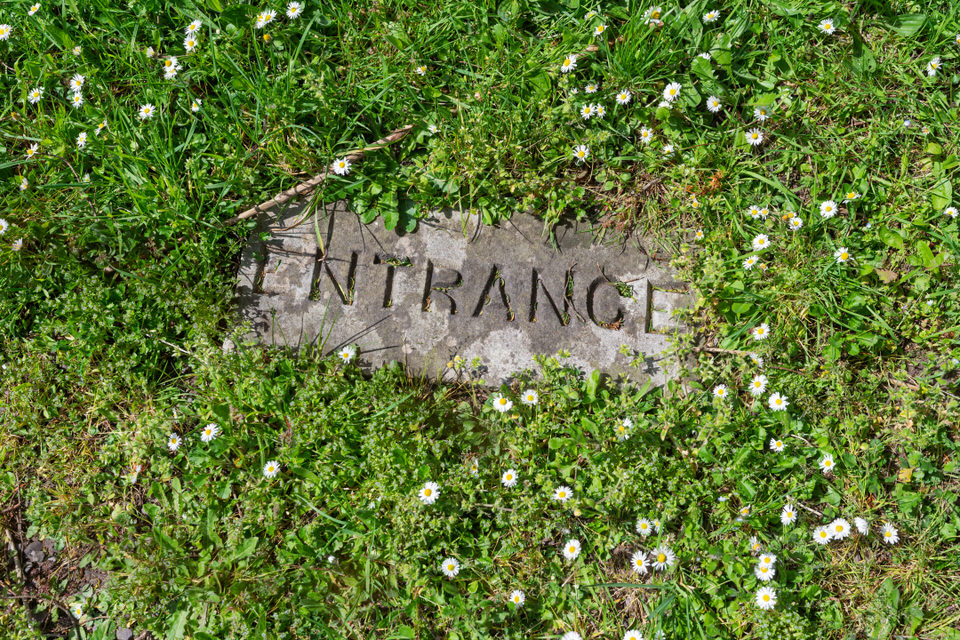
The "secret weapon" for Irish research is the Townland system. Ireland is divided into over 60,000 tiny traditional land units. Because people often stayed in the same townland for generations, once you find one grave or one record, the rest of the family history often "unlocks" within a few square miles. The centrepiece is a magnificent Weeping Beech (Fagus sylvatica 'Pendula'). A masterclass in Victorian horticultural symbolism, its cascading branches were designed to evoke a sense of living grief. In the late 19th century, when this "garden cemetery" was being refined, such trees were chosen to transform graveyards from frightening pits of the dead into peaceful, park-like sanctuaries for the living to reflect. I have published a separate series of photographs featuring the tree in question. The vibrant rust-brown 'bloom' found on the stones at St Luke’s isn't a sign of decay or urban grime—it is a badge of purity. These lichens only flourish in the cleanest air, acting as nature’s own bio-sensors while painting the Victorian limestone in shades of copper and gold. Look closely at the summits of the monuments here. You’ll find a silent aviary of stone. These small, sculpted birds—doves, swallows, and spirits—were the Victorian way of whispering a final message: that the soul has taken flight, leaving the heavy stone of mortality behind." The presence of three-dimensional bird sculptures on the headstones at St Luke’s adds a beautiful, poignant layer to the graveyard’s visual "language." In Victorian funerary art, these weren't just decorative flourishes; they were deeply symbolic messages about the nature of death and the soul's journey. The Symbolism of the Bird Depending on the species represented, these little sculptures tell a specific story about the person buried beneath: The Dove: This is the most common bird found in St Luke’s. A dove with an olive branch signifies peace and the "Rest in Peace" sentiment. However, a dove in flight represents the soul’s ascent to heaven, while a "descending" dove represents the Holy Spirit. The Swallow: These are often found on the graves of those who died young. Because swallows are migratory, they symbolise the hope of return (the Resurrection) and the idea that the soul has merely "flown south" for a season. The Pelican: Occasionally, you might see a pelican "in her piety" (plucking her own breast to feed her young). This was a powerful symbol of self-sacrifice and charity—highly appropriate for the wealthy philanthropists of Douglas who viewed their wealth as a means to care for the poor. Why Sculptures instead of Carvings? The transition from flat, 2D carvings to high-relief or free-standing sculptures was a hallmark of the Victorian "High Art" movement in cemeteries. By the mid-to-late 1800s, families in the Protestant merchant class (like those at St Luke’s) wanted to move away from the "grim" skull-and-crossbone motifs of the 18th century. They preferred "sentimental" art. Free-standing birds, carved from white Italian marble or local limestone, gave the graveyard a sense of vitality and movement, suggesting that the site was a place of life and transition rather than just decay. A Tale of Two Graveyards The history of this site is a stark visual lesson in the social and religious divisions of old Ireland. St Luke’s is a Church of Ireland (Protestant) graveyard. For much of its history, it was the exclusive preserve of the Protestant community, serving as the final resting place for the merchant princes and industrial titans of Douglas. The contrast is found just across the road at St Columba’s (the local authority/Catholic cemetery). While St Luke’s was meticulously planned with gravelled paths and exotic specimen trees, the "old yard" across the way—originally a pauper plot for the Union workhouse—historically lacked the same architectural grandeur. This "across the road" divide serves as a silent, physical reminder of the sectarian and class-based stratification of 19th-century Cork. Pillars of Industry and Charity The graves here read like a "Who’s Who" of Cork’s economic history: The Arnott Monument: Near the spire stands the massive obelisk of Sir John Arnott. The founder of the famous Arnotts department store and a former Lord Mayor, he was a man who balanced immense wealth with deep compassion, giving away over £1,500 a year to charity—a staggering sum in the 1800s. The Besnard Family: Huguenot entrepreneurs who drove the Douglas flax mills and essentially built the village's industrial backbone. War Graves: Amidst the local gentry lie five Commonwealth War Graves, marking the final resting places of men who returned from the World Wars only to succumb to their injuries at home. Entrance Flagstones During my April visit to Graveyards and Cemeteries in Cork I noticed, for the first time, flat flagstones engraved with the word "ENTRANCE". Those flat flagstones engraved with the word "ENTRANCE" are a fascinating architectural feature of 19th-century Irish burial practices, and as I suspected : they are markers for concealed family vaults. What lies beneath? In the Victorian era, wealthy families often preferred to be interred in underground brick or stone-lined chambers (vaults) rather than in simple earth graves. However, to keep the graveyard looking like a tidy "garden," they didn't always want a bulky, raised stone tomb (like a chest tomb or a sarcophagus) taking up space. Instead, they built the vault entirely underground and placed a grand headstone or monument at one end. The "ENTRANCE" stone was placed at the opposite end of the plot. It marks the exact location of the "drop stone" or the vertical shaft leading down into the vault. Why engrave "ENTRANCE"? Practicality for Sextons: When a family member died, the graveyard workers (sextons) needed to know exactly where to dig to find the slab that sealed the vault without disturbing the main monument or digging up the wrong area. Safety: It alerted workers that the ground beneath that specific stone was not solid earth, but a hollow chamber covered by a structural slab. Status: Even a flat stone was a subtle "flex" of social standing. It signalled to passers-by that the family was wealthy enough to own a private, multi-person underground chamber rather than a single plot. The Contrast Across the Road This detail highlights the social divide I mentioned earlier. In St Luke’s (the Protestant yard), you see these highly organised, engineered burial features—monuments to the merchant class like the Arnotts and Besnards. Across the road in the local authority/Catholic yard, which absorbed the old "pauper plots" from the Douglas Workhouse, the burials were historically much simpler. You would rarely find an engraved "ENTRANCE" stone there because the cost of constructing an underground brick vault was far beyond the reach of the families using that ground. Irish Genealogy While Irish genealogy has a historic reputation for being "difficult" due to the 1922 Four Courts fire, the modern reality is quite the opposite. For a photographer or historian, Ireland is arguably one of the most accessible and well-documented landscapes in the world. The Digital Renaissance: Church Records Unlike many European countries where records are scattered or held behind expensive paywalls, the Irish government and national institutions have made a massive push toward open access. Catholic Parish Registers: The National Library of Ireland has digitised almost all Catholic parish registers from the 1740s to the 1880s. These are free to view online, allowing you to trace family lines long before civil registration began in 1864. Protestant Records: While about half of the Church of Ireland records were lost in 1922, the surviving "Chapel of Ease" records (like those for St Luke’s) and many others are meticulously indexed on sites like irishgenealogy.ie. Civil Precision: Ireland’s civil records of births, marriages, and deaths are incredibly detailed, often listing specific townlands and occupations, which helps pinpoint the exact "Entrance" stone or family plot in a graveyard. The Culture of Maintenance If you noticed that St Luke's and its Catholic neighbour are well-kept, it is no accident. Ireland has a unique "grassroots" approach to graveyard preservation: The Tidy Towns Movement: Almost every village in Ireland has a Tidy Towns committee that treats the local graveyard as a primary heritage site. This ensures that the ancient trees (like the Weeping Beech featured in some of my photographs) and delicate lichens are respected rather than cleared away. Graveyard Grant Schemes: The Heritage Council provides specific funding for community groups to record and maintain historic graveyards. This has led to a surge in "headstone recording" projects where every name is transcribed and uploaded to community databases. The "Genealogy Tourism" Effect: Because so many people travel to Ireland to find their ancestors, there is a strong social contract to keep these sites accessible. A well-maintained graveyard isn't just a site of mourning; it's a vital piece of the local economy. Why Ireland is Easier for Researchers The "secret weapon" for Irish research is the Townland system. Ireland is divided into over 60,000 tiny traditional land units. Because people often stayed in the same townland for generations, once you find one grave or one record, the rest of the family history often "unlocks" within a few square miles. In many other countries, urbanisation and the destruction of records during World Wars made this level of granular local research nearly impossible. In Ireland, the landscape—and the stones within it—remember.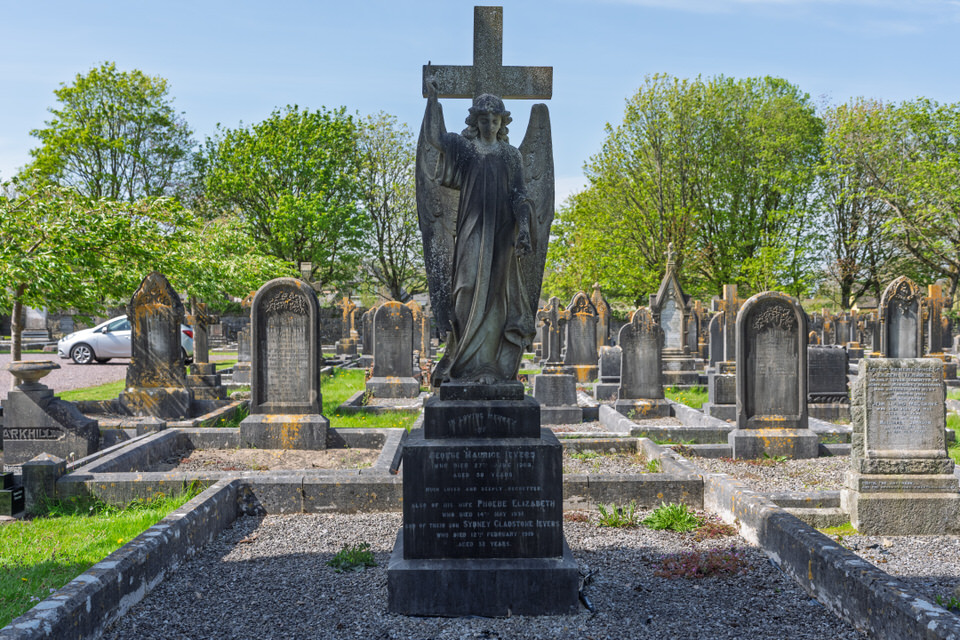 Old Churchyard - Select Image To View Photographs
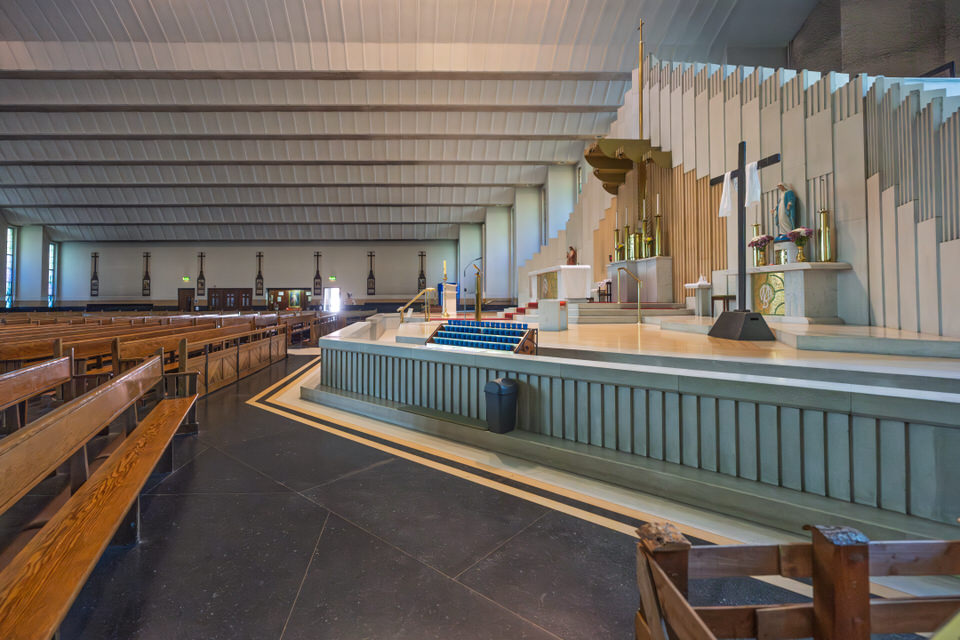 Art Deco Church - Select Image To View Photographs
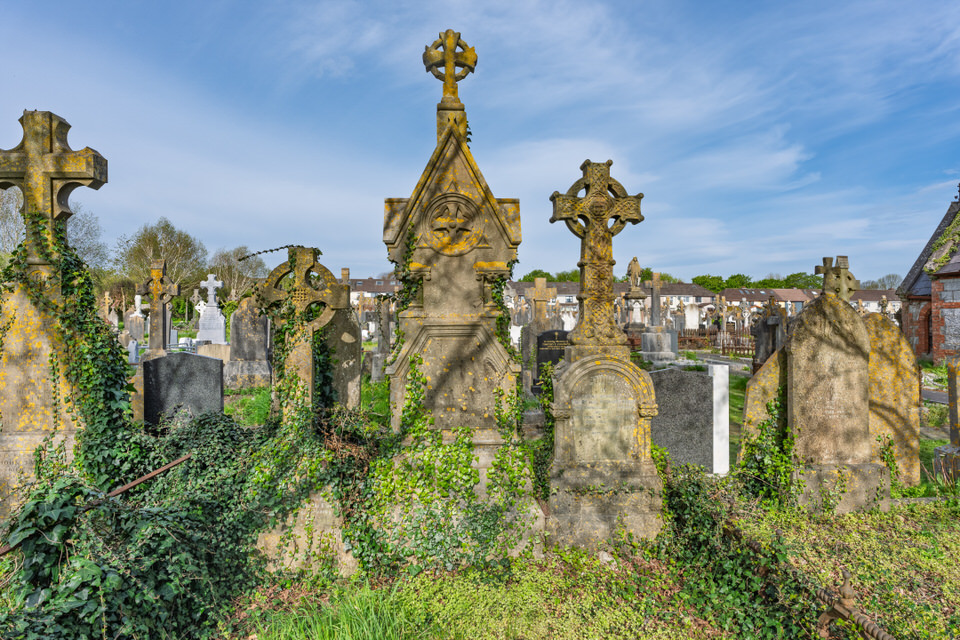 Old Cemetery - Select Image To View Photographs
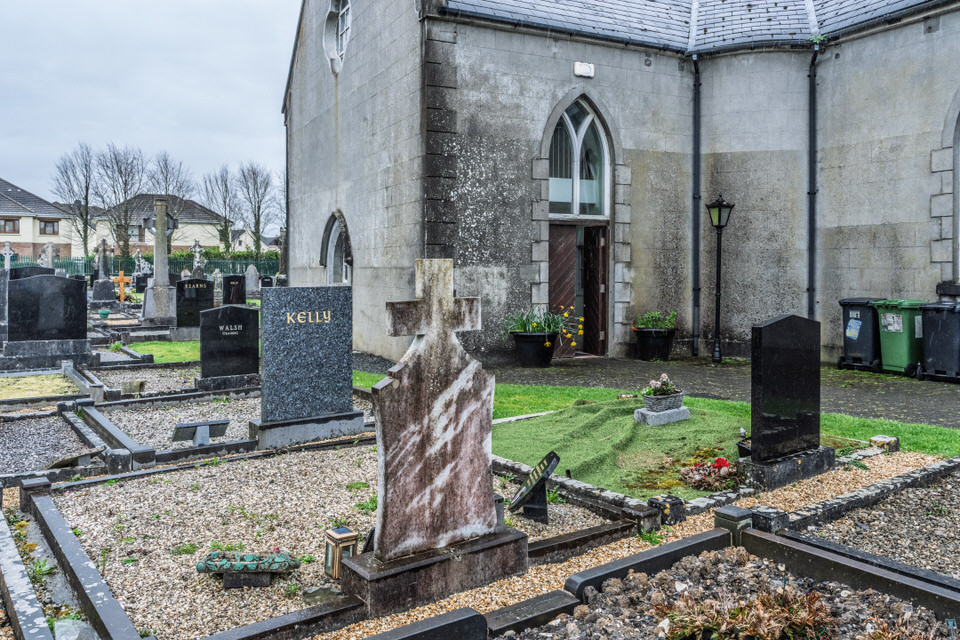 Old Churchyard - Select Image To View Photographs
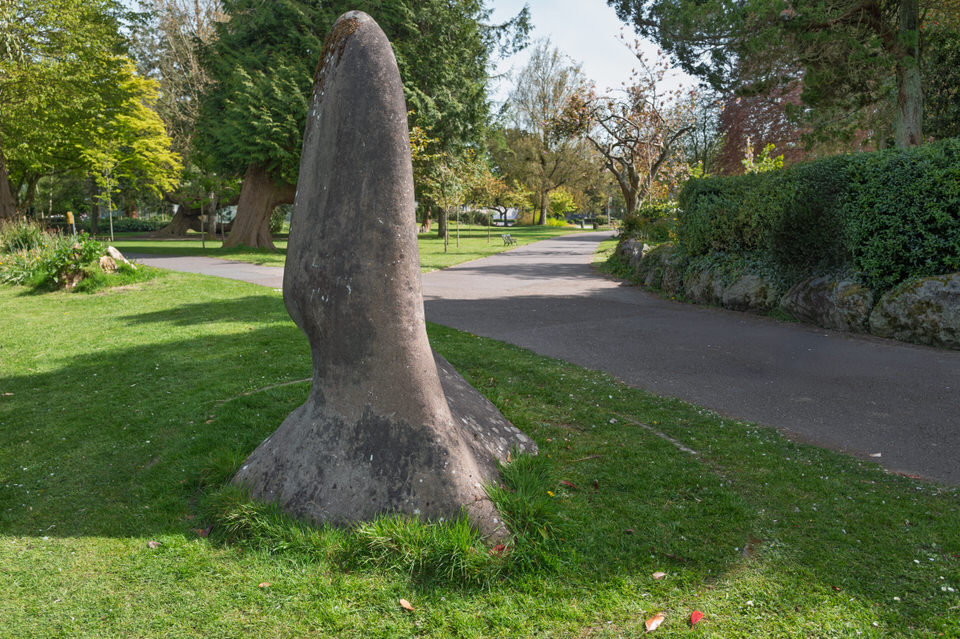 Abstract Sculptures - Select Image To View Photographs
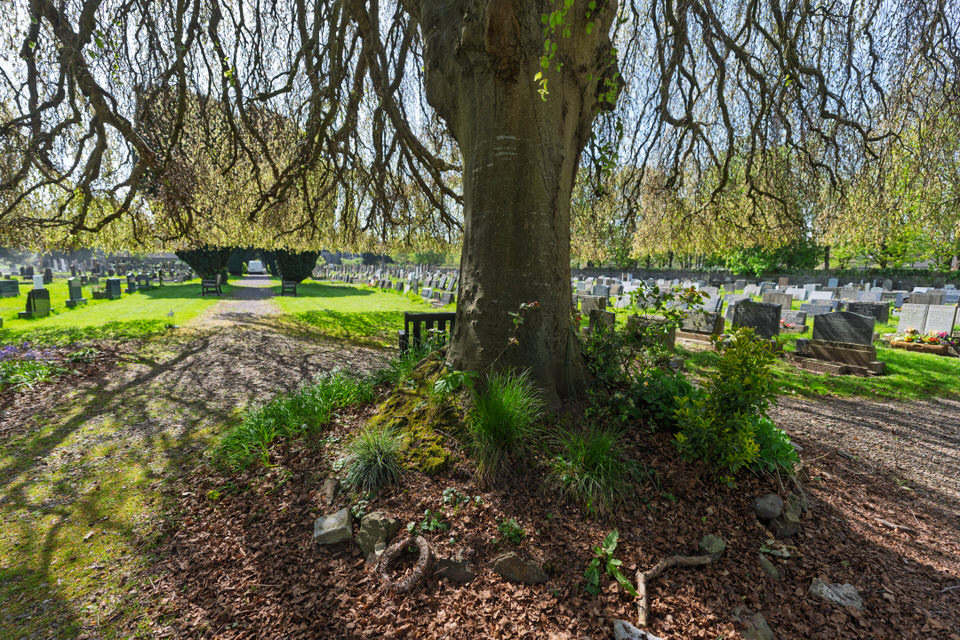 An Amazing Tree - Select Image To View Photographs
VIEW HI-RES PHOTOGRAPHS
CORK CITY AND COUNTY
ABOUT ST LUKES GRAVEYARD
GLOBAL INDEX OF PHOTO GALLERIES
APRIL 2026 PHOTO COLLECTION
THE URBAN CARTOGRAPHER
EXCELLENT PICTURE THIS 2017
Long Discussion About St Luke's - Presented By The The Urban Cartographer
Who Is Building An Experience Which Is Getting Better Day By Day