The Grotto On Meath Street Was Damaged - Presented By The The Urban Cartographer
LET MISTER SCREEN ASSIST YOU
GLOBAL INDEXThe Urban Cartographer
TECHNICAL STUFFThe Grotto of Our Lady of Lourdes on Meath Street, Dublin, has undergone significant structural changes due to encroaching hotel developments. Recent damage caused by the Molyneux Hotel construction has led to the installation of a protective wooden hut and fencing to preserve the sacred Massabielle relic. This post explores the impact of Dublin's hotel boom on the Liberties' most sacred community sanctuary.
EXCELLENT PICTURE THIS 2017
The Grotto On Meath Street Was Damaged - Presented By The The Urban Cartographer
The Grotto On Meath Street Was Damaged
Author: The Urban Cartographer
|
06. May 2026
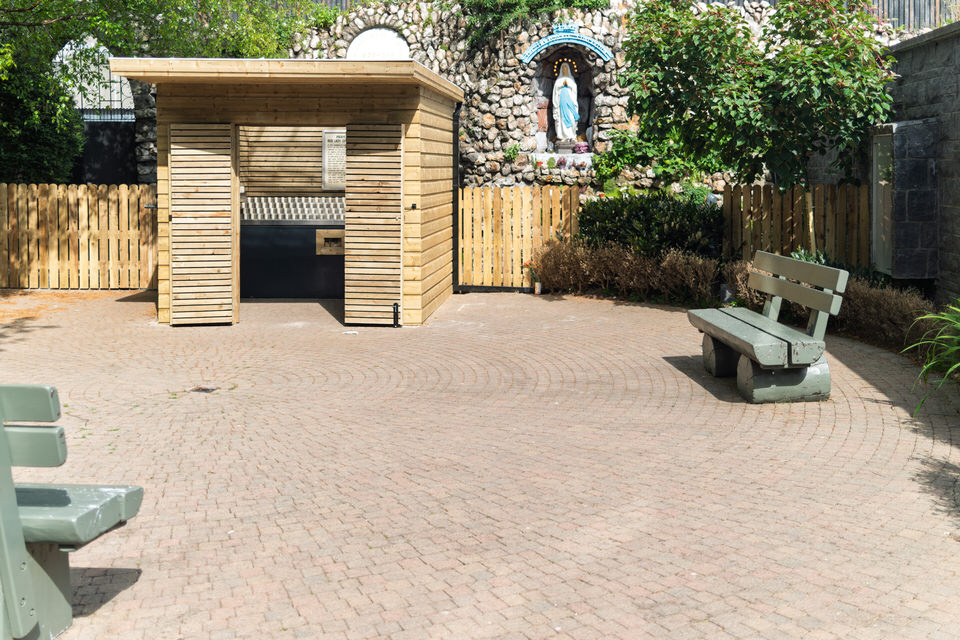
Yesterday I published, as part of my legacy catalogue, photographs of Our Lady Of Lourdes Grotto in Meath Street. The photographs were from a 2013 session when I was using a Sony NEX-7. Today I was contacted by someone who lived/worked on Meath Street suggesting that I should revisit the grotto and so I did. A Sanctuary Under Siege: The Changing Face of the Meath Street Grotto For the residents of the Liberties and pilgrims across Dublin, the Grotto of Our Lady of Lourdes on Meath Street has long been a rare pocket of "Old Dublin"—a quiet, stone-built sanctuary that serves as the spiritual heart of the parish. However, those visiting the site this month will have noticed a jarring transformation: a wooden hut now houses the sacred Massabielle relic, and a timber fence constrains the once-open space. As a local resident based on Bolton Street, I am well aware of the construction boom currently reshaping our city centre. Within walking distance of my front door, I have counted over 30 hotels and student complexes either planned or rising from the ground. Yet, the situation at St Catherine’s Church is perhaps the most poignant example of the friction between modern "hotelisation" and the preservation of our most sensitive community heritage. A Legacy of Peace: The Chaplain’s Vision To understand why the current changes are so distressing, one must look at the Grotto’s origins. It was the brainchild of Canon Francis Gleeson, who became the Parish Priest of Meath Street in 1944. Gleeson was no ordinary cleric; he was the legendary military chaplain for the Royal Munster Fusiliers during the Great War. He is famously immortalised in the painting The Last General Absolution of the Munsters at Rue du Bois, depicting him on horseback blessing the troops before they faced near-annihilation. Having witnessed the slaughter of his parishioners on the front lines, Gleeson returned to Dublin determined to build a "monument of peace." He created the Grotto specifically to heal a community broken by conflict, providing a place of solace for the families of the thousands of men from the Liberties who never returned from the trenches. For decades, it has served as a living memorial—a sanctuary for those who had no graves to visit in France or Belgium. The Double-Sided Encroachment Today, that hard-won peace is being squeezed by two distinct developments: The Molyneux Yard Hotel (The South Side): Construction of a new hybrid hotel by Salamisso Developments is currently under way directly adjacent to the Grotto. The Vicar Street Hotel (The Rear): To the back of the site, plans for a massive eight-storey hotel extension at the iconic Vicar Street music venue have sparked deep concern regarding the loss of natural light and the "suffocation" of the Grotto’s quietude. Proof of Concern: Structural Damage The wooden hut and fencing are not merely aesthetic choices or simple security measures; they are a direct response to physical trauma. In March 2026, the community was shocked to discover that a rear support wall, which propped up the Grotto’s stone structure, had been demolished during the hotel’s construction. The resulting damage—described by local representatives as a "kick in the teeth" to the Liberties—has led to a planning enforcement investigation by Dublin City Council. The wooden structure we see today serves as a protective "life-raft" for the candles and the Lourdes rock-relic, ensuring they remain accessible while the surrounding stonework is monitored for further instability. A Community Squeezed Out The "hollowing out" of the Liberties is no longer a theoretical concern; it is visible in the cracks of our monuments. A site built by a war chaplain to provide a "quiet sanctuary" is now a construction cordon. When we allow hotel beds to be prioritised over the structural integrity of sites built for communal healing, we lose the very "authentic Dublin" that these developments claim to celebrate. The Molyneaux Name The name Molyneux in the context of the new hotel is a direct nod to the deep industrial and charitable history of that specific patch of the Liberties. While most correctly associate the name with the merchant class, the Dublin branch of the Molyneux family followed a slightly different path—one that eventually led to the very street that I photographed today. The most famous "Molyneux" in Dublin was William Molyneux (1656–1698). He was a brilliant scientist and politician who lived nearby and founded the Dublin Philosophical Society. He is best known for writing The Case of Ireland's being Bound by Acts of Parliament in England, Stated—a foundational text for Irish legislative independence. His family was part of the "Protestant Ascendancy" rather than the Quaker merchant tradition of Waterford/Wexford (like the Jacobs or Malcomsons), but they were equally central to Dublin’s development. The specific reason the hotel is named "Molyneux Yard" is because of the Molyneux Asylum for Blind Females. In 1815, a charity for blind women was established in the former family mansion of the Molyneuxs on Peter Street (just a short walk from Meath Street). This institution became a major landmark in the area. Eventually, a "Molyneux Chapel" was built, which was a significant architectural feature of the neighbourhood for over a century. The hotel development sits on lands historically associated with the Molyneux Yard—a complex of stables, workshops, and tenements that grew up around the edges of the Molyneux estate and the nearby Engine Alley. While the Molyneuxs themselves were landowners and intellectuals, the Yard and the adjacent Engine Alley (which the hotel also borders) were the beating heart of the Liberties' weaving industry. The name "Engine Alley" actually refers to the "engines" (weaving looms) used by the Huguenot and Quaker weavers in the 18th century. By naming the hotel Molyneux Yard, the developers are attempting to "brand" the building with the site's high-society past (the Molyneux family) and its industrial heritage (the Yard and textiles), even as the construction of that very building causes the structural issues I have documented at the Grotto. The Irony of the Name There is a bittersweet irony in the naming: William Molyneux wrote the book on Irish self-determination and protecting Irish rights from outside interference. The Molyneux Asylum was a place of refuge for the vulnerable (the blind). The Molyneux Hotel is now an international commercial venture that has physically "interfered" with a local sanctuary and displaced the quietude of a site dedicated to the vulnerable families of the Great War.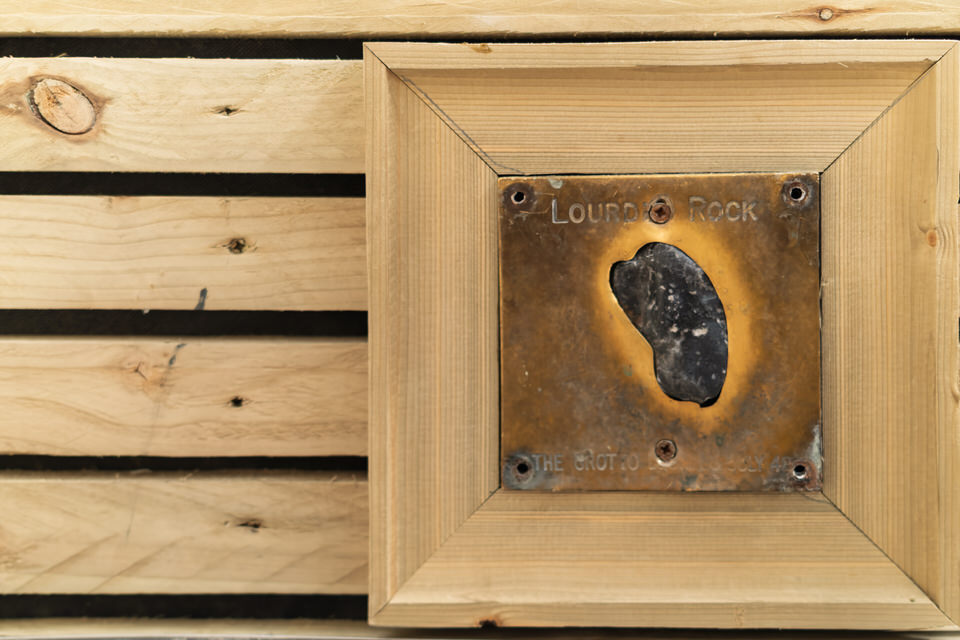 The Damaged Grotto - Select Image To View Photographs
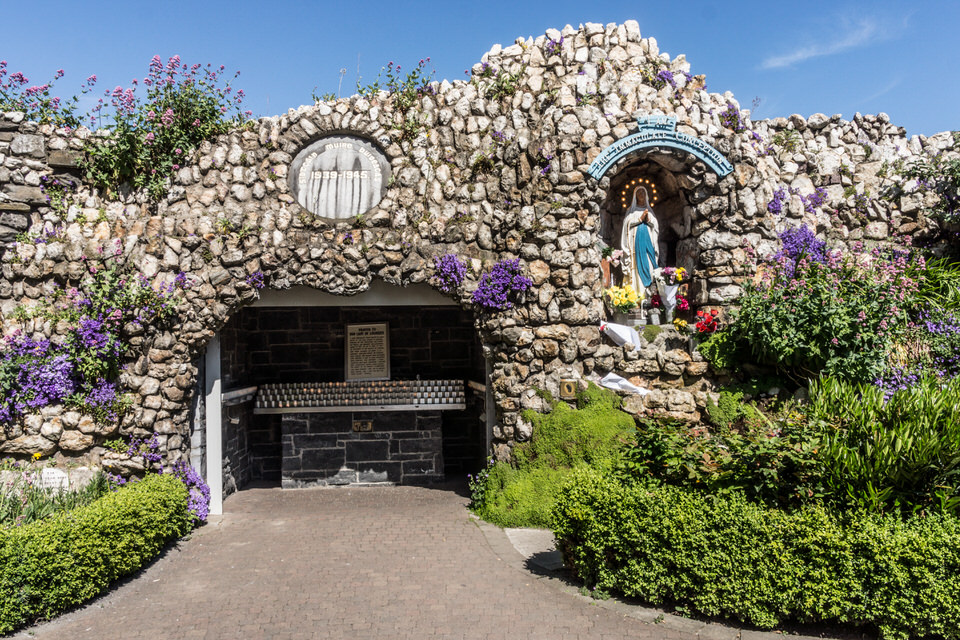 The Grotto 2013 - Select Image To View Photographs
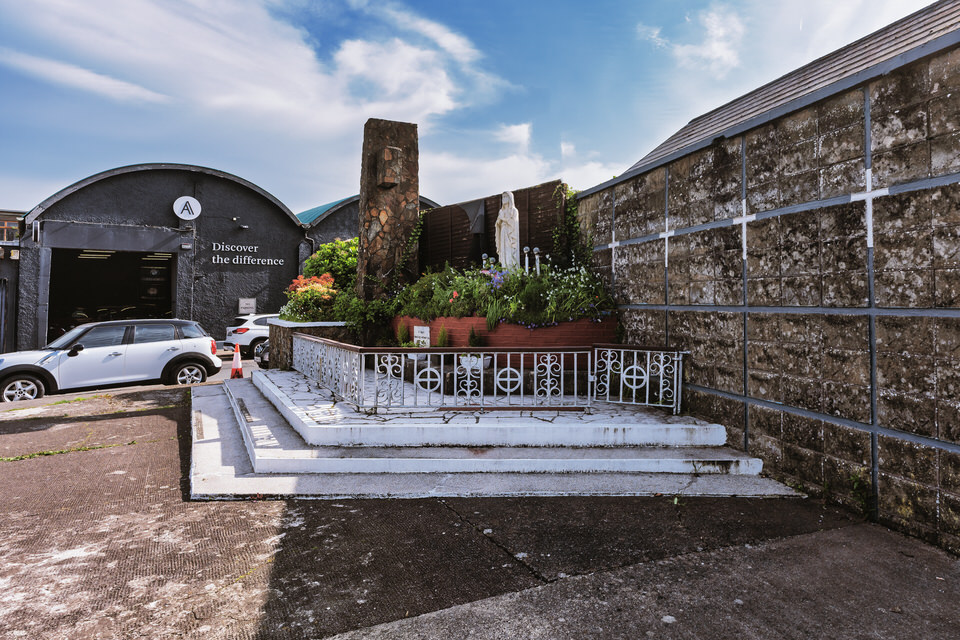 Marian Statue - Select Image To View Photographs
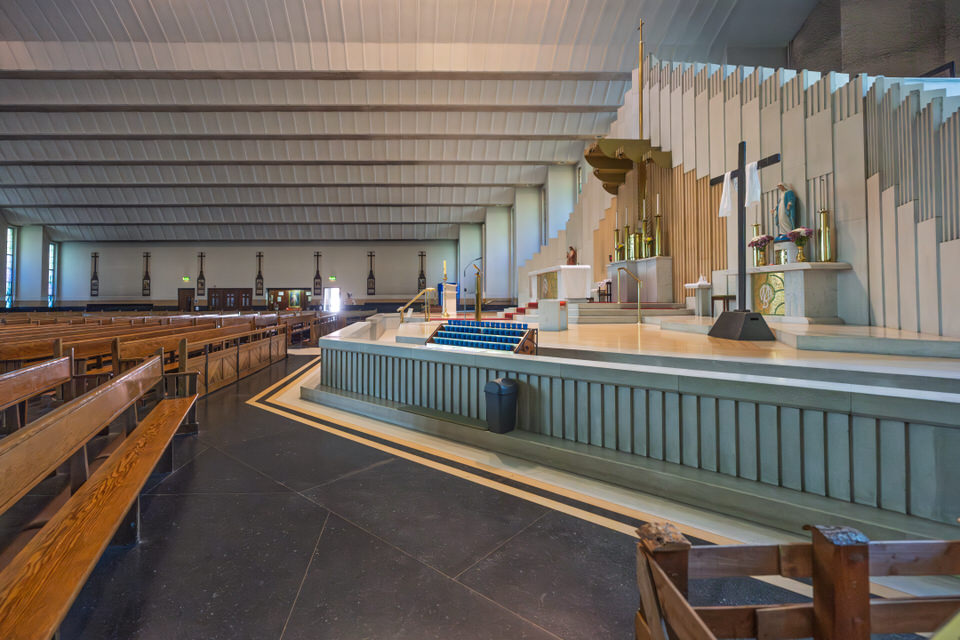 Art Deco Church - Select Image To View Photographs
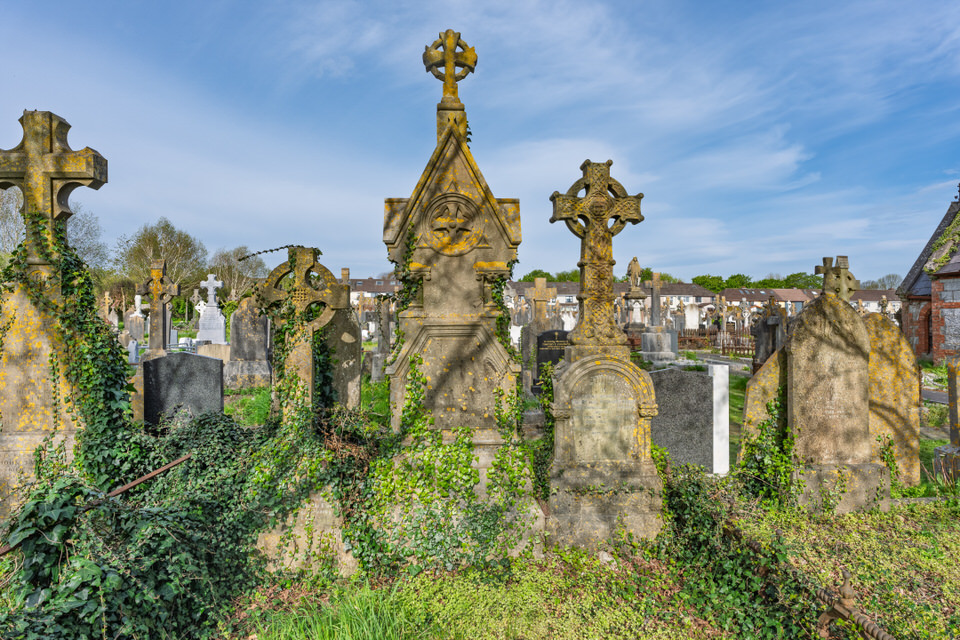 Old Cemetery - Select Image To View Photographs
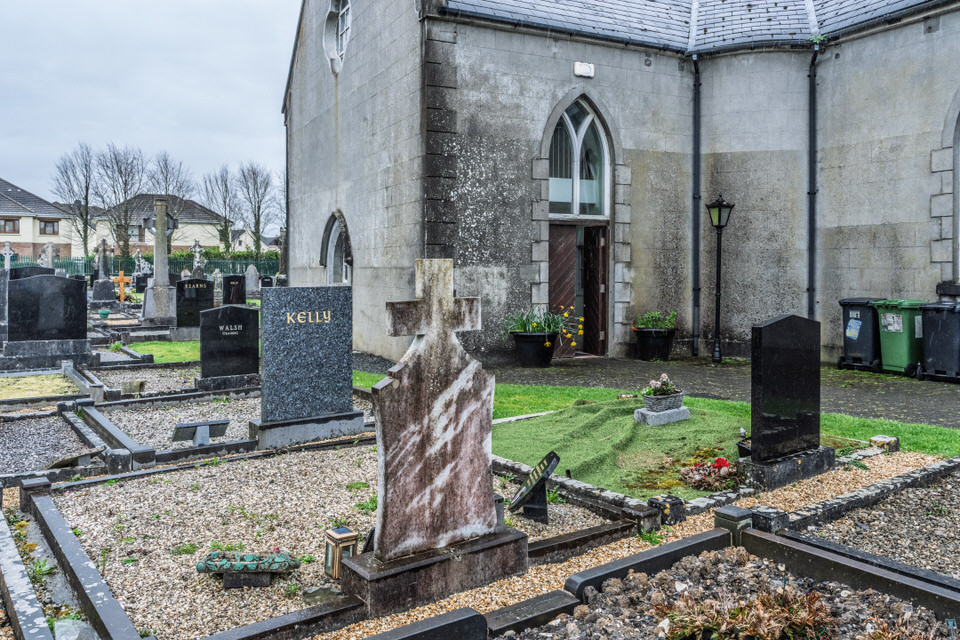 Old Churchyard - Select Image To View Photographs
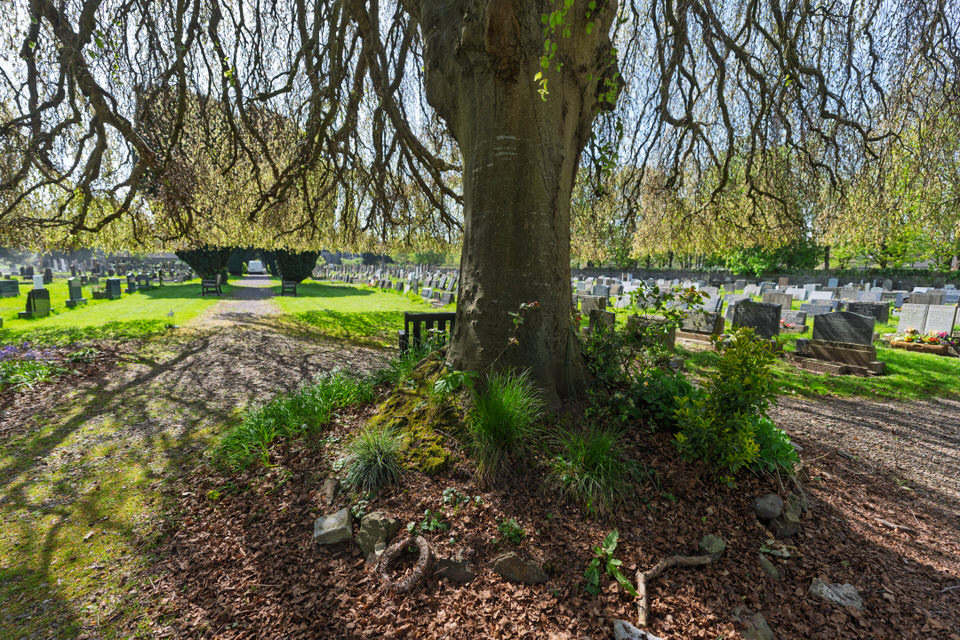 An Amazing Tree - Select Image To View Photographs
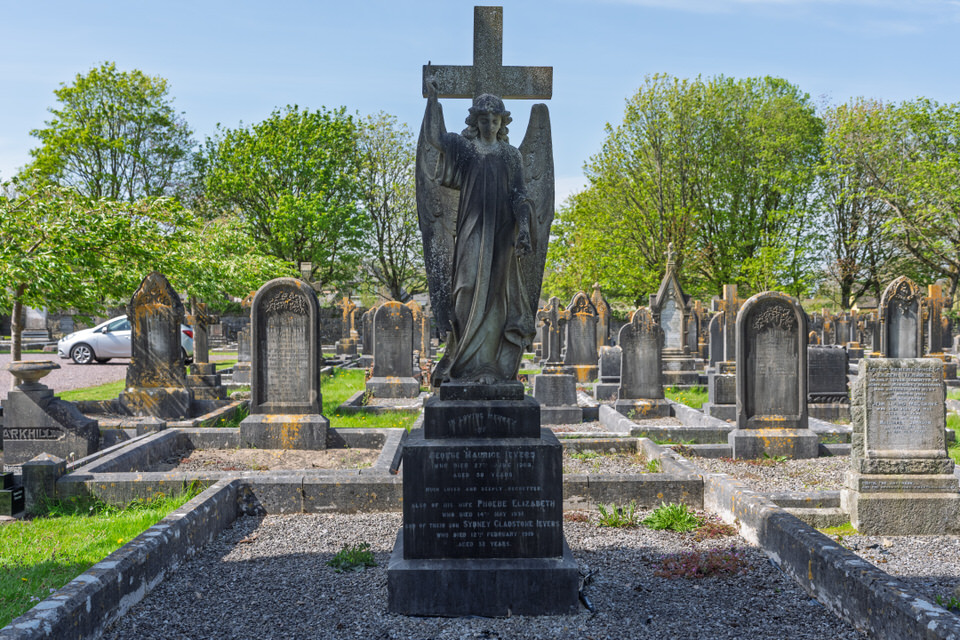 Old Churchyard - Select Image To View Photographs
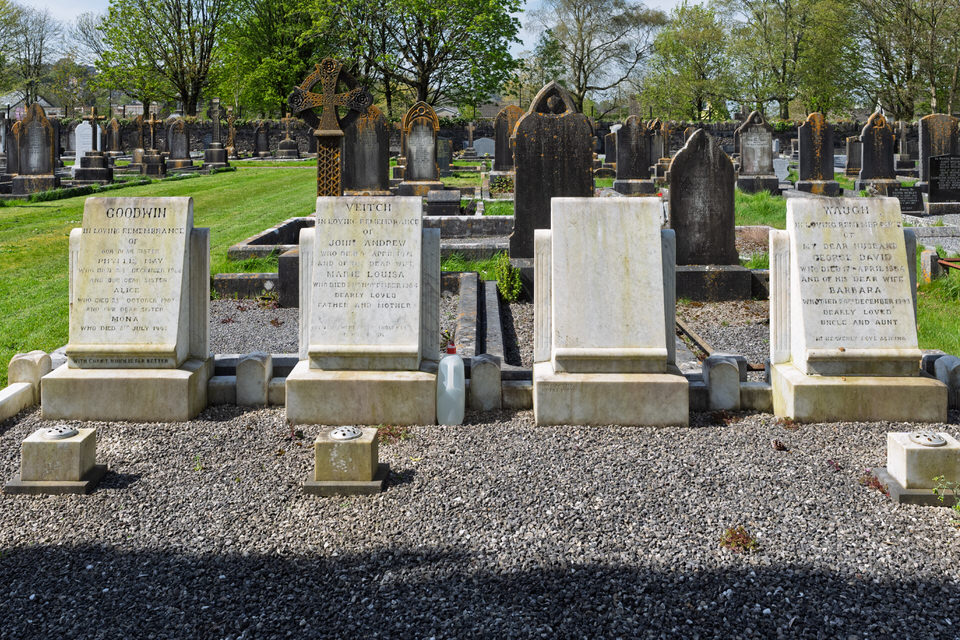 Four Graves - Select Image To View Photographs
VIEW HI-RES PHOTOGRAPHS
FUJIFILM X100VI PHOTO COLLECTIONS
ABOUT THE DAMAGED GROTTO
GLOBAL INDEX OF PHOTO GALLERIES
CHURCH AND GRAVE
THE URBAN CARTOGRAPHER
EXCELLENT PICTURE THIS 2017
The Grotto On Meath Street Was Damaged - Presented By The The Urban Cartographer
Who Is Building An Experience Which Is Getting Better Day By Day