Ferry Walk Murals April 2026 - Presented By The The Urban Cartographer
LET MISTER SCREEN ASSIST YOU
GLOBAL INDEXThe Urban Cartographer
TECHNICAL STUFFExplore the history of Cork’s Ferry Walk, from the 19th-century Dooley’s Ferry to the iconic Shakey Bridge. This updated 2026 report examines the evolution of its famous graffiti gallery and the current state of street art along the River Lee.
EXCELLENT PICTURE THIS 2017
Ferry Walk Murals April 2026 - Presented By The The Urban Cartographer
Ferry Walk Murals April 2026
Author: The Urban Cartographer
|
25. Apr 2026
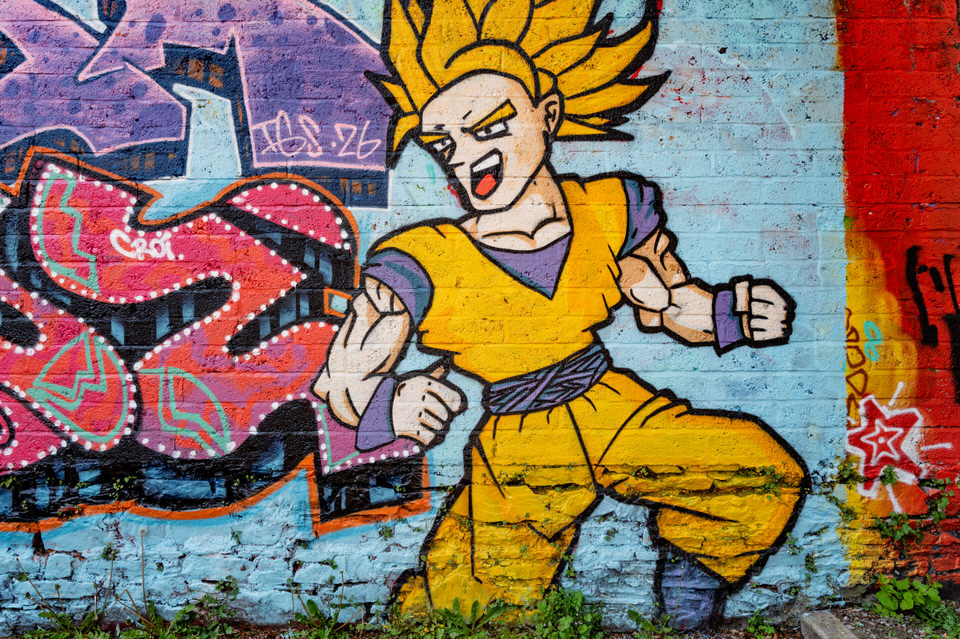
Ferry Walk embodies Cork’s multifaceted identity: a deep respect for heritage (the restored Shakey Bridge) alongside a rebellious, often messy, contemporary spirit. Whether the wall will see a creative renaissance or continue to succumb to tagging remains to be seen. However, the walk itself remains a destination—a place where the past, present, and the city’s "Rebel" DNA continue to collide on the banks of the Lee. Introduction: A Palimpsest on the Banks of the Lee To stroll along Ferry Walk in Cork City is to traverse a living palimpsest, where layers of maritime history and contemporary urban culture are etched over one another. This short, tree-lined path on the southern bank of the River Lee leads pedestrians from the Mardyke to the elegant, latticed form of Daly’s Bridge. Known affectionately to generations as the "Shakey Bridge" for its characteristic tremor, the structure remains a cherished local landmark. However, the modern eye is increasingly drawn to the long boundary wall accompanying the path. Once a "concrete canvas" and a riot of ephemeral art, the gallery currently reflects a city in flux. This photo blog, updated in April 2026, explores Ferry Walk as a microcosm of Cork’s evolution—from the functional transit of a ferryman’s oar to the expressive, though currently embattled, statement of the aerosol can. The Echo of the Oar: Reconstructing the Sunday’s Well Ferry The name "Ferry Walk" is a literal echo of the path’s original purpose. Before Daly's Bridge spanned the Lee, this route was a purpose-built artery designed to channel passengers from a river landing to the recreational grounds of the Mardyke. "Dooley’s Ferry": A Social Lifeline For decades, the crossing was known colloquially as "Dooley’s Ferry." It served as a vital link for residents of the affluent northern suburbs of Sunday’s Well and Shanakiel, providing direct access to the city’s green heart. Archival records from the Cork Constitution in 1824 reveal the economic reality of the trade; John Dooley filed for compensation when the construction of the Wellington (now Thomas Davis) Bridge threatened his family’s livelihood. He was awarded £10—a small sum that acknowledged the ferry as a legitimate, if informal, piece of urban infrastructure. Physical Remnants Today, tangible links remain. The 1842 Ordnance Survey maps and the Lawrence Collection photographs (c. 1890) confirm the layout of the landings. Even now, the cast-iron railings (c. 1900) and roughly dressed limestone steps at the western end mark the spot where the ferryman once moored. These stones are a quiet memorial to an era when crossing the Lee required human muscle and a wooden hull. The Shakey Transition: The Arrival of Daly’s Bridge The mid-1920s saw the definitive end of the ferryman’s era. The transition from oar to steel represented a leap into modernity, funded in part by the philanthropy of James Daly, a prominent butter merchant. The bridge, a single-span suspension design stretching 49 metres, is a significant piece of global engineering heritage. Built by London-based David Rowell & Co., it is the only surviving bridge of its "kit-of-parts" style in Ireland. Following a meticulous €1.7 million restoration in 2019–2020, the bridge was returned to the citizens with its signature "shake" intact. It remains a symbol of progress that democratised the river crossing, transforming a paid ferry service into a free public right-of-way. A Fading Gallery? The Reality of 2026 In the years following the 2020 Ardú Street Art Project, Ferry Walk became a semi-sanctioned "hall of fame" for graffiti artists. Unlike the permanent, curated murals in the city centre—such as Conor Harrington’s historical epics or Curtis Hylton’s giant Kingfisher—Ferry Walk was always meant to be ephemeral. Field Note: 23 April 2026 While the major murals of the early 2020s have technically survived, the "quality" of the gallery has hit a period of stagnation. The vibrant, complex pieces that once defined this stretch are currently obscured by a "massive blight" of low-effort tagging and graffiti. This decline suggests a shift in the local street art ecosystem. In 2021, the wall was viewed as a "blank canvas" that was periodically reset. Today, the balance between artistic expression and mindless vandalism has tilted. The "vibrant juxtaposition" described years ago has been replaced by a visual clutter that threatens the aesthetic integrity of the walk. While the underlying street art culture in Cork remains strong through initiatives like MadAboutCork, Ferry Walk currently serves as a cautionary tale regarding the maintenance of unsanctioned creative spaces. Synthesis: The Enduring Spirit of the Walk The story of Ferry Walk is one of constant reinvention. It has evolved from a functional maritime crossing to a recreational thoroughfare, and finally to a site of modern cultural conflict. The name remains a permanent echo of its origins, but its meaning has deepened. Ferry Walk embodies Cork’s multifaceted identity: a deep respect for heritage (the restored Shakey Bridge) alongside a rebellious, often messy, contemporary spirit. Whether the wall will see a creative renaissance or continue to succumb to tagging remains to be seen. However, the walk itself remains a destination—a place where the past, present, and the city’s "Rebel" DNA continue to collide on the banks of the Lee.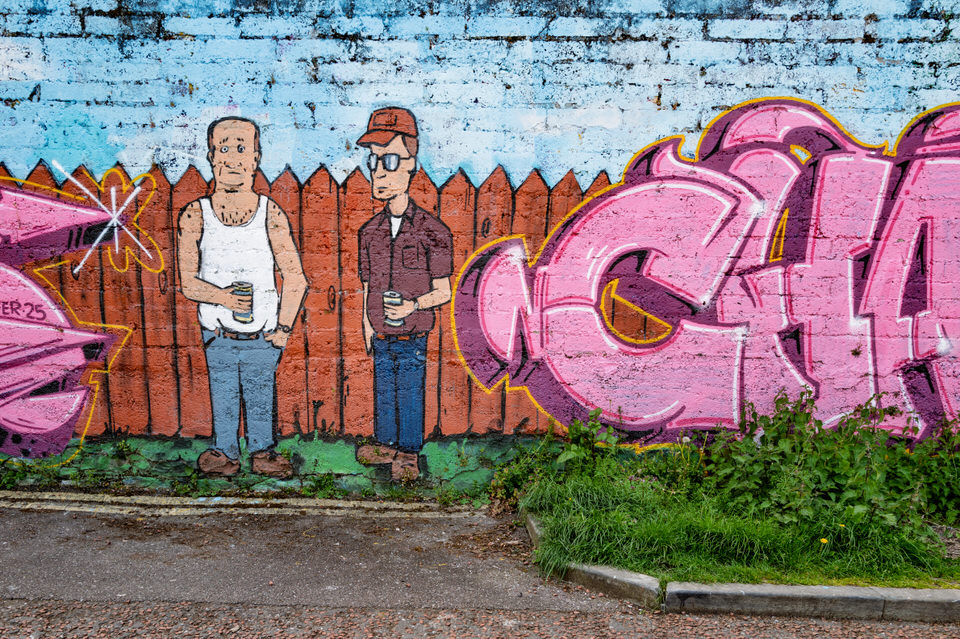 Ferry Walk Murals - Select Image To View Photographs
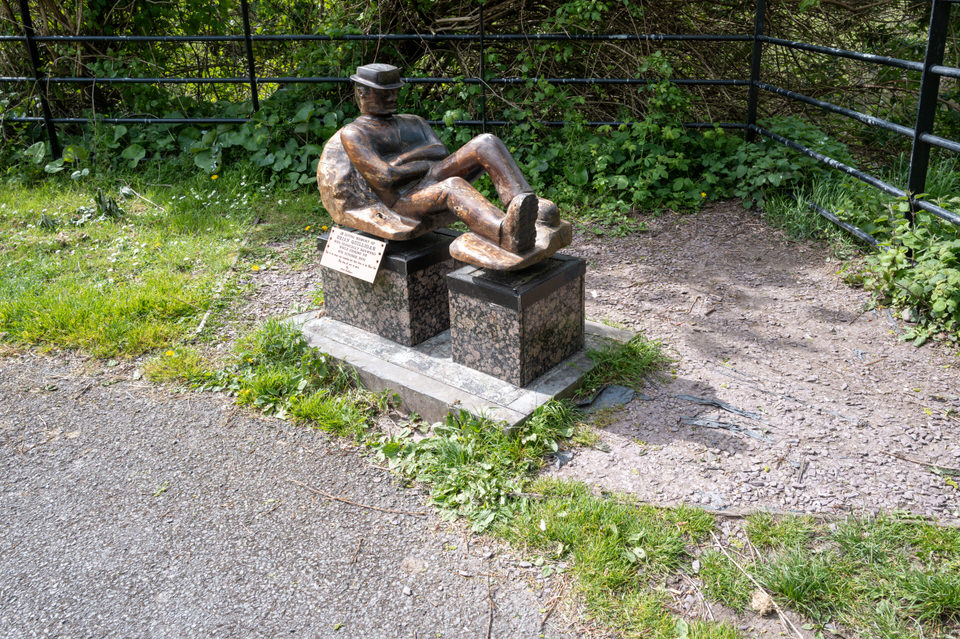 Fishrman Memorial - Select Image To View Photographs
VIEW HI-RES PHOTOGRAPHS
CORK CITY AND COUNTY
ABOUT FERRY WALK
GLOBAL INDEX OF PHOTO GALLERIES
STREET ART
THE URBAN CARTOGRAPHER
EXCELLENT PICTURE THIS 2017
Ferry Walk Murals April 2026 - Presented By The The Urban Cartographer
Who Is Building An Experience Which Is Getting Better Day By Day