Camden Yard Failed Development Kevin Street - Presented By The The Urban Cartographer
LET MISTER SCREEN ASSIST YOU
GLOBAL INDEXThe Urban Cartographer
TECHNICAL STUFFDiscover the fascinating history of Kevin Street College, from its 1960s heyday with cutting-edge NC machines to the failed Camden Yard development. This post explores the site's transition from a premier technical school to Dublin City Council’s newest civic headquarters.
EXCELLENT PICTURE THIS 2017
Camden Yard Failed Development Kevin Street - Presented By The The Urban Cartographer
Camden Yard Failed Development Kevin Street
Author: The Urban Cartographer
|
14. Apr 2026
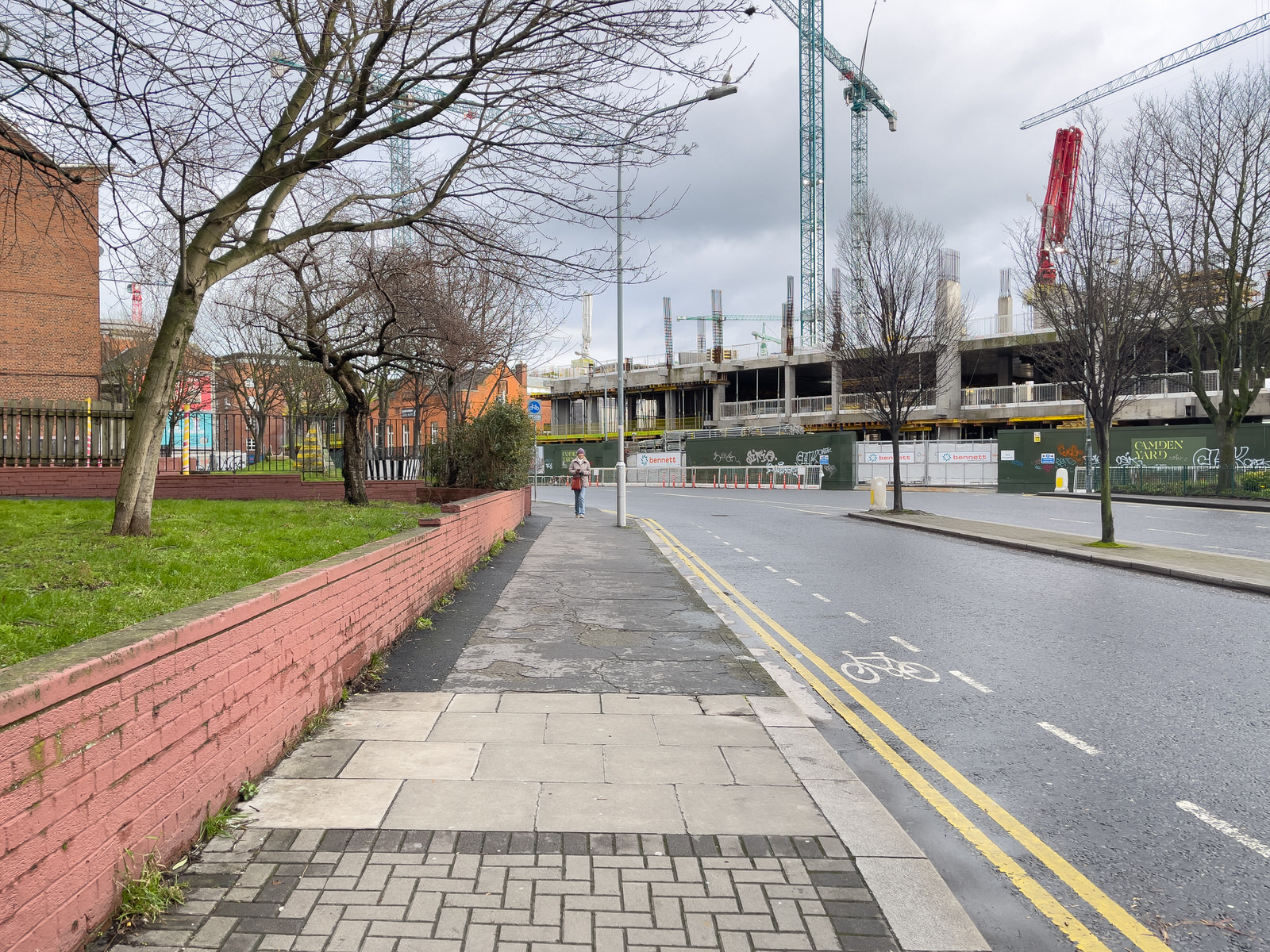
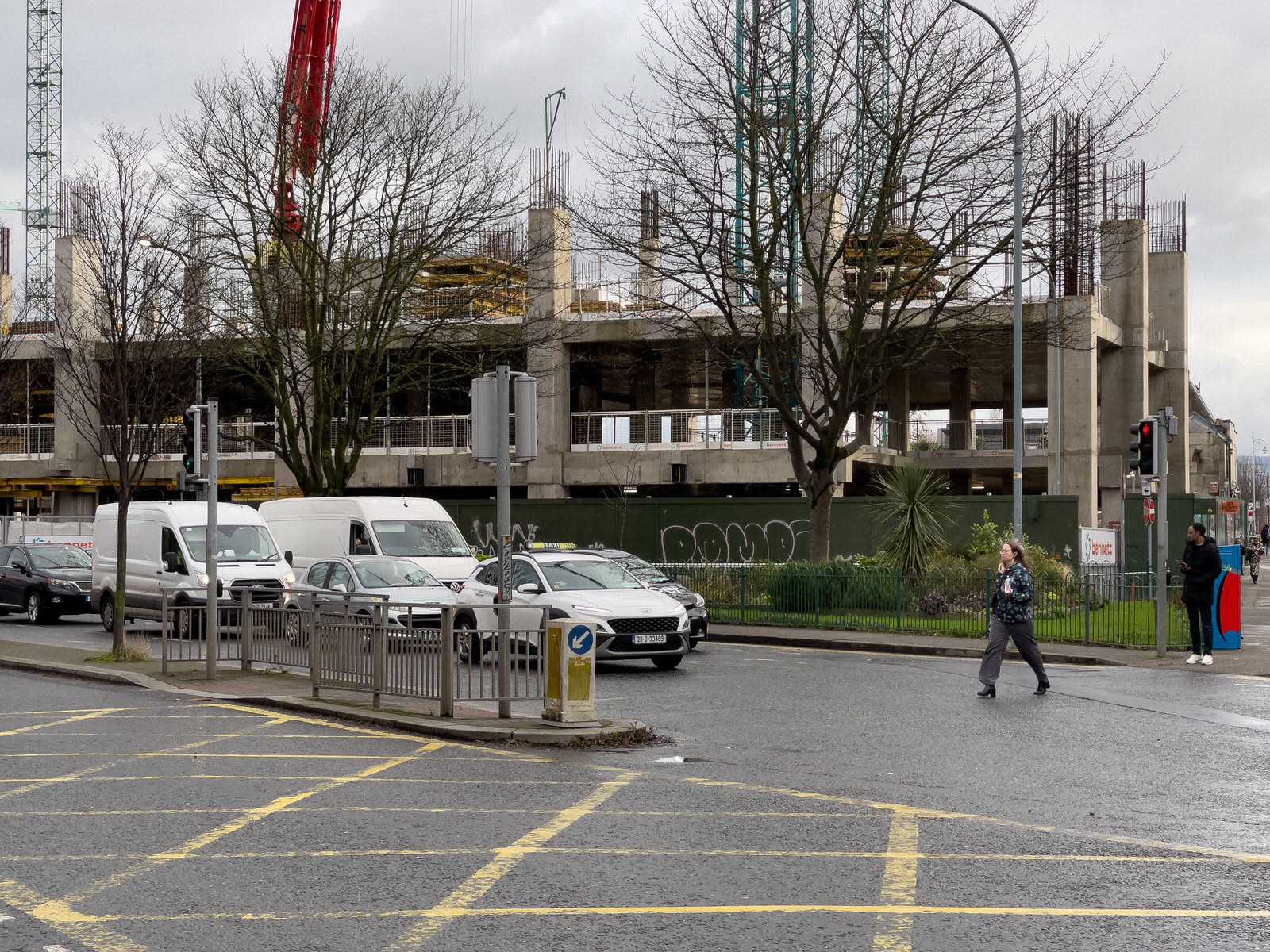 Failed Development Kevin Street - Select Image To View Photographs
Note: In 1968 I began to study Telecommunications at Kevin Street and to be honest I did not enjoy the experience but I learned much more there than I did in DCU, Trinity or NCI. My main issue was the building and the fact that the College felt compelled to prove that it was a good as any given university.
Kevin Street: The Cold, Hard Crucible of Irish Tech
The story of the Kevin Street site is more than just a tale of Dublin real estate; it is the story of a building that tried to prove a point. For those of us who studied there in the late 1960s, it was a place of high-tech learning delivered in a low-comfort environment—a crucible that prepared a generation to lead the global tech explosion.
The "University Envy" of 1968
When I began studying Telecommunications at Kevin Street in 1968, the college was in the midst of an identity crisis. There was a palpable sense of "university envy"—a drive by the institution to prove it was every bit as rigorous as Trinity or UCD.
This resulted in a high-pressure academic environment. While the universities focused on the philosophical and the theoretical, Kevin Street was obsessed with the practical and the modern. To be honest, I didn't enjoy the experience at the time, but in hindsight, the depth of learning was unparalleled. I later spent time in DCU, Trinity, and NCI, and I can say with certainty: I learned more in that uncomfortable block on Kevin Street than in any of the prestigious universities that I attended in later years.
A Building of Extremes
The "New" building, opened in 1968, was an architectural statement that forgot about the people inside. It was a victim of its own design:
The Climate: It was famously cold in the winter and stiflingly hot in the summer, thanks to the vast expanses of single-pane glass and uninsulated concrete.
The Interior: To combat the echoes of the Brutalist design, the walls were lined with foam panels. These became a famous target for student frustration, frequently "vandalised" and picked apart by generations of students sitting through long lectures.
The Hardware of the Future
If the building was failing, the equipment was winning. While the universities were still using manual scales and traditional lathes, Kevin Street was lightyears ahead. We had access to Numerical Control (NC) machines and electronic weighing devices—technologies that wouldn't become "standard" elsewhere for years.
This "hands-on" superiority was the launchpad for my career. The grit and technical fluency I gained there allowed me to navigate the corridors of the world’s biggest tech giants, including GE, Memorex, KAO, Applied Magnetics, Digital (DEC), Ericsson, and Creative Labs.
The "Camden Yard" Failure and the Council’s Move
Decades after I left, the site became the centre of a modern Dublin drama. After TU Dublin moved to Grangegorman, the site was earmarked for Camden Yard, a €475 million development of luxury offices and "build-to-rent" apartments.
However, the project stalled and fell into receivership—a "white elephant" in the heart of the city. In April 2026, Dublin City Council (DCC) stepped in, purchasing the site "as is" for over €100 million. The Council plans to move its headquarters here from Wood Quay, finally repurposing the site where many of us first learned how the digital world actually works.
Kevin Street may have been a cold, foam-lined box, but it was the engine room that powered the careers of those who built the modern tech landscape.
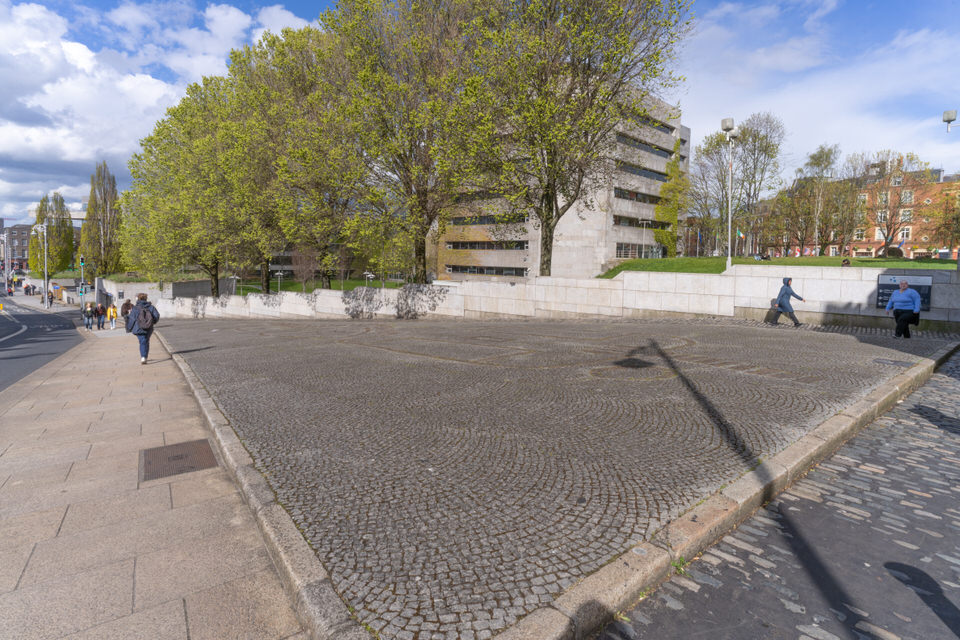 Wood Quay April 2026 - Select Image To View Photographs
VIEW HI-RES PHOTOGRAPHS
CORK CITY AND COUNTY
ABOUT CAMDEN YARD
GLOBAL INDEX OF PHOTO GALLERIES
THE MISSING BRONZE COW
THE URBAN CARTOGRAPHER
EXCELLENT PICTURE THIS 2017
Camden Yard Failed Development Kevin Street - Presented By The The Urban Cartographer
Who Is Building An Experience Which Is Getting Better Day By Day