The Rise and Fall of EuroGiant - Presented By The The Urban Cartographer
LET MISTER SCREEN ASSIST YOU
GLOBAL INDEXThe Urban Cartographer
TECHNICAL STUFFEuroGiant enters liquidation - Why did the Irish discount giant fail in 2026? Discover the 'perfect storm' of high rents and online competition that led to the closure of 77 stores. Get the full history of Charlie O’Loughlin’s retail empire and the latest on current store liquidations.
EXCELLENT PICTURE THIS 2017
The Rise and Fall of EuroGiant - Presented By The The Urban Cartographer
The Rise and Fall of EuroGiant
Author: The Urban Cartographer
|
18. Mar 2026
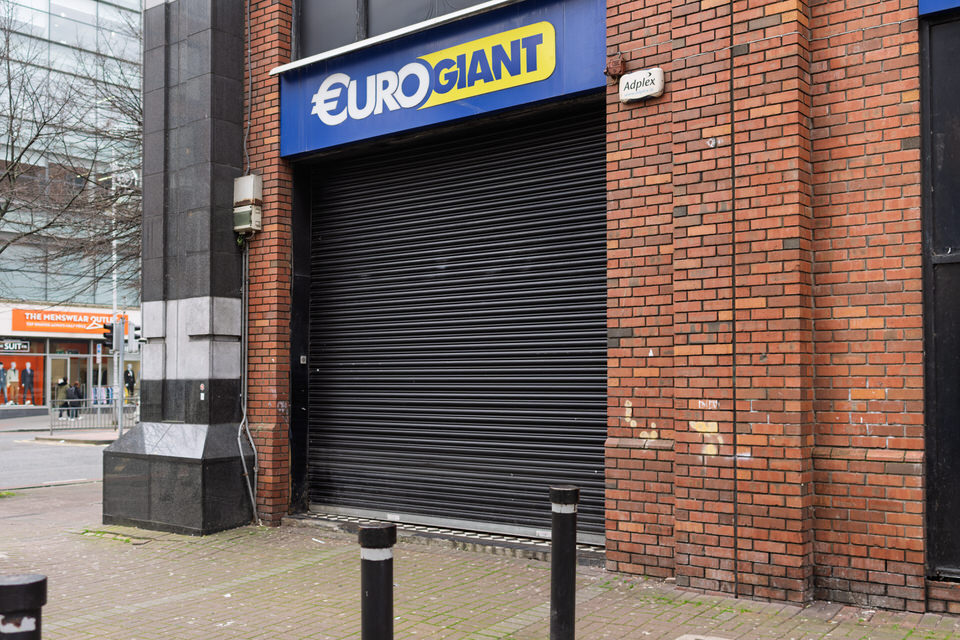
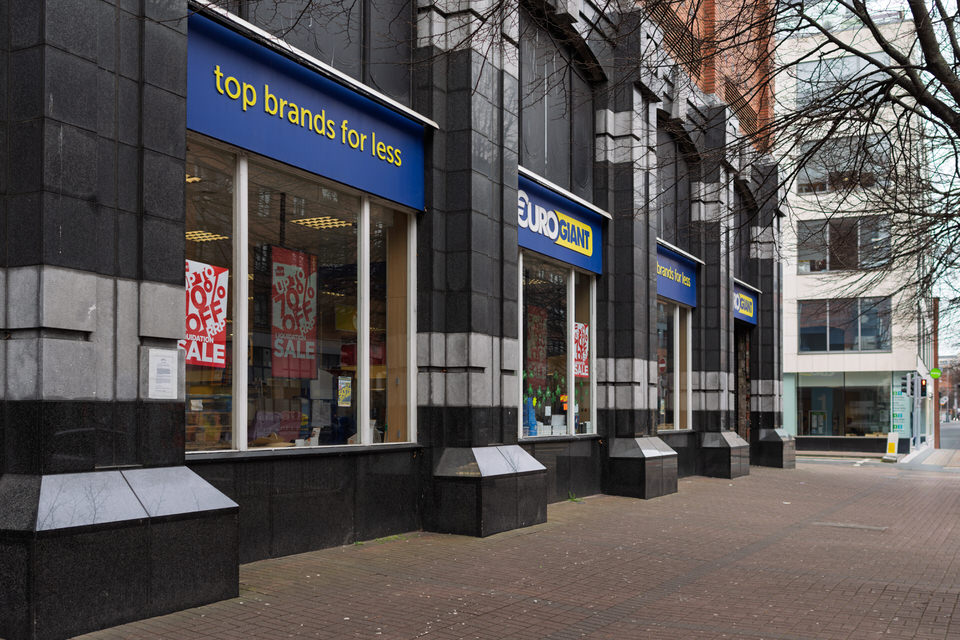 Photographed By William Murphy - Select Image To View Photographs
The collapse of EuroGiant in early 2026 marks a major turning point for the Irish retail sector. For over 30 years, the brand was a fixture of Irish high streets, known for its "pile it high, sell it cheap" philosophy.
A History of Bargains: From Moore Street to Nationwide
Founded by Charlie O’Loughlin in 1990, the business began with a single shop on Dublin’s iconic Moore Street, originally trading under the name Pound City.
Strategic Expansion: Throughout the 1990s and early 2000s, the parent company, Euro General Retail Ltd, aggressively expanded into suburban shopping centres and provincial towns.
The Euro Transition: In 2002, the brand successfully navigated the move from the Irish Pound to the Euro, rebranding as EuroGiant to maintain its identity as a value-driven leader.
Recession Resilience: During the post-2008 downturn, EuroGiant capitalised on "trading down" behaviours, growing its footprint while mid-market retailers struggled.
The 2026 Failure: A "Perfect Storm"
On 4 February 2026, the company entered court-appointed liquidation. The failure was the result of several overlapping economic pressures:
Escalating Operational Costs Significant spikes in the national minimum wage, coupled with soaring electricity and insurance costs, made it increasingly difficult to maintain the low price points that defined the brand.
The "Rent Trap" Many of EuroGiant's 77 stores were locked into long-term, upward-only rent reviews in prime high-street locations, making the physical overheads unsustainable.
Digital and International Competition The rise of ultra-low-cost e-commerce platforms like Temu and Shein eroded the "impulse buy" market for household knick-knacks, while UK-based Dealz and domestic rival Mr. Price intensified the fight for physical footfall.
Changing Consumer Habits A post-pandemic shift toward "experience-based" high streets meant that traditional variety stores saw a decline in casual browsing.
Current Status
As of March 2026, joint liquidators from Interpath Advisory are managing the closure of the 77-store network. While some outlets, such as the one in Letterkenny, have already shuttered, others remain open for a short period to clear remaining stock. Approximately 640 employees across Ireland are affected by the liquidation.
GALWAY CITY
CORK CITY AND COUNTY
GLOBAL MENU
DUBLIN SOUTHSIDE
DUBLIN NORTHSIDE
URBAN CARTOGRAPHER
EXCELLENT PICTURE THIS 2017
The Rise and Fall of EuroGiant - Presented By The The Urban Cartographer
Who Is Building An Experience Which Is Getting Better Day By Day