The Dun Laoghaire Lexicon May 2026 - Presented By The The Urban Cartographer
LET MISTER SCREEN ASSIST YOU
GLOBAL INDEXThe Urban Cartographer
TECHNICAL STUFFExplore the architectural marvel and controversial history of the dlr LexIcon library at Moran Park, Dún Laoghaire. Discover how this brutalist coastal beacon transformed from a highly opposed "monstrosity" into a beloved cultural hub and photographer's paradise.
DUBLIN SOUTHSIDE
The Dun Laoghaire Lexicon May 2026 - Presented By The The Urban Cartographer
The Dun Laoghaire Lexicon May 2026
Author: The Urban Cartographer
|
22. May 2026
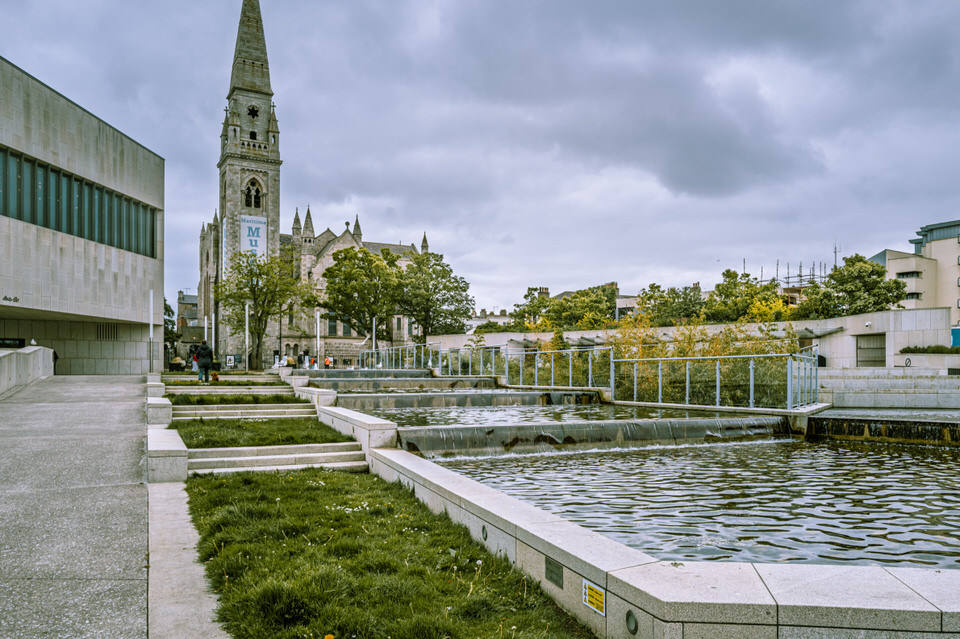
Framing the LexIcon: The Brutalist Beacon of Dún Laoghaire If you stand at the edge of Moran Park in Dún Laoghaire, looking out towards the Dublin Bay shoreline, your camera lens is bound to collide with a monumental structure of raw, fair-faced concrete and soaring glass. This is the dlr LexIcon, the central library and cultural centre for Dún Laoghaire-Rathdown. Opened in late 2014, this €36.6 million civic giant was designed by Carr Cotter & Naessens Architects. Architecturally, it is an absolute marvel for photographers—a playground of harsh angular lines, massive geometric cantilevers, and deep voids that catch the shifting Irish light beautifully. Yet, long before the first book was shelved, the LexIcon was the centre of one of the most vitriolic public planning rows in modern Irish history. Why the LexIcon Sparked Such Fierce Objections When the plans were approved in 2009 and construction got underway during the height of the post-2008 economic crash, local anger boiled over. For many residents, the building was a flashpoint for several major grievances: The backlash was so intense that some local political figures and public commentary campaigns actively called for the building to be demolished while it was still wrapped in scaffolding. The LexIcon Inside and Out For a photographer, the building's exterior demands a wide-angle lens to capture how its granite-clad walls aggressively cut into the coastal sky. But it is the interior that completely flips the script on the building’s brutalist exterior. Inside, the monumentality gives way to an incredibly warm, light-flooded sanctuary. The architects used a sparse palette of exposed, silky-smooth concrete paired with rich Irish oak. Huge, multi-storey windows frame the harbour, transforming the boats, the piers, and the changing weather into living, breathing backdrops for the reading rooms. A Decade On: Has Public Opinion Changed? Time is the ultimate healer of architectural friction, and the dlr LexIcon is a textbook case of a building winning over its harshest critics through sheer utility. Today, public opinion has shifted dramatically. The initial anger has largely dissipated, replaced by a deep-seated community pride. The LexIcon successfully redefined what a public library could be. Rather than a quiet room for dusty books, it operates as a vibrant civic living room. On any given day, it is packed to the gills with students, remote workers using the free Wi-Fi, toddlers in the junior sections, and locals attending art exhibitions or theatre performances in its studio spaces. Even the parkland surrounding it has been completely re-landscaped into a tiered, accessible urban plaza that links the town directly to the sea. The "monstrosity on the seafront" has simply become an indispensable part of Dún Laoghaire's cultural fabric. For photographers visiting Dublin, it is now an essential stop—not just for the dramatic architecture, but for the panoramic views of the pier from the top floor.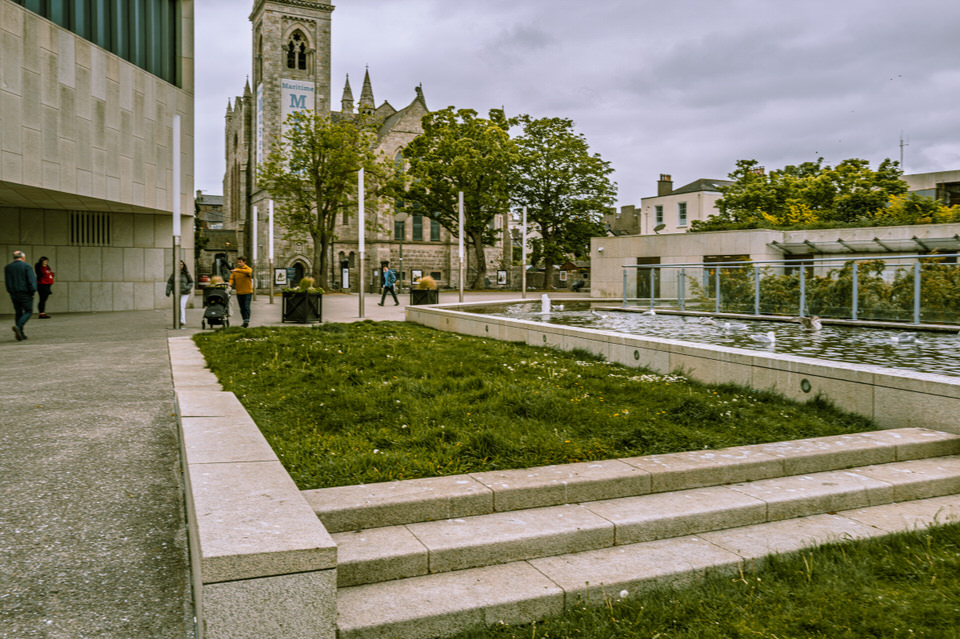 The Dun Laoghaire Lexicon May 2026 - Select Image To View Photographs
VIEW HI-RES PHOTOGRAPHS
LEICA Q3
ABOUT THE LEXICON
GLOBAL INDEX OF PHOTO GALLERIES
PARKS AND GARDENS
THE URBAN CARTOGRAPHER
DUBLIN SOUTHSIDE
The Dun Laoghaire Lexicon May 2026 - Presented By The The Urban Cartographer
Who Is Building An Experience Which Is Getting Better Day By Day