Bolands Mills Complex As It Was In March 2009 - Presented By The The Urban Cartographer
LET MISTER SCREEN ASSIST YOU
GLOBAL INDEXThe Urban Cartographer
TECHNICAL STUFFDiscover the architectural transformation of Dublin’s historic Bolands Mills at Grand Canal Dock. This article explores the dramatic redevelopment that balanced the preservation of 19th-century stone warehouses with the total demolition of its iconic mid-century concrete silos to create a modern tech and residential hub.
HIGH DEFINITION IMAGES
Bolands Mills Complex As It Was In March 2009 - Presented By The The Urban Cartographer
Bolands Mills Complex As It Was In March 2009
Author: The Urban Cartographer
|
11. Jun 2026
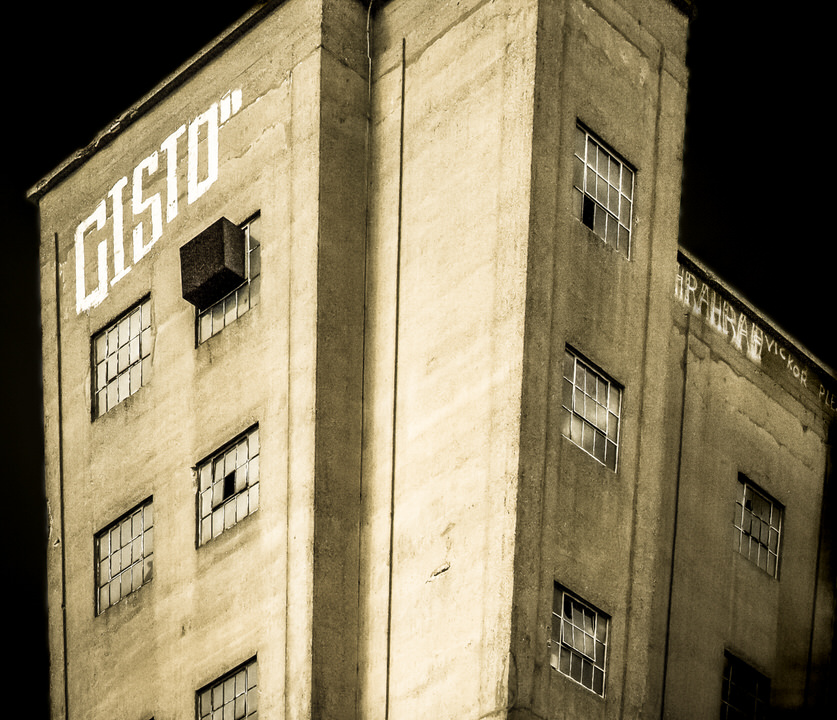
Much Of The Old Complex Was Demolished The Fate of the Bolands Mills Blocks The Modern Redevelopment When Google acquired the derelict site from NAMA to establish an innovation hub, the design strategy explicitly prioritised the 19th-century industrial heritage over mid-20th-century expansions. What Was Preserved: The protected Victorian-era cut-stone flour mills and stone warehouses dating back to the 1830s were meticulously restored. These limestone and brick structures—deeply tied to Dublin’s history and famously occupied by Éamon de Valera’s forces during the 1916 Easter Rising—were retained, retrofitted, and integrated with modern commercial, residential, and cultural spaces. What Was Lost: The immense, brutalist concrete silos and mid-century blocks that dominated the dockside skyline for decades were completely demolished. These were replaced by three sleek, tapering contemporary towers of glass and textured cladding designed to mirror the tones of the historic masonry. Historic and Architectural Value: Concrete vs. Stone The Case Against the Concrete Blocks From a strict conservation and planning perspective, the mid-20th-century concrete additions were widely regarded as an unsympathetic, industrial blight on the older Victorian streetscape. Lack of Structural Integrity: Unlike the durable limestone warehouses, parts of the mid-century concrete blocks suffered from severe material degradation. Keeping them would have required astronomical conservation costs for a layout that was fundamentally inflexible. Aesthetic Disconnect: The monolithic concrete blocks completely cut off the public from the waterfront. Their demolition allowed architects to open up the ground plane, introducing new pedestrian thoroughfares, public plazas (such as Bolands Square), and accessible cultural spaces. The Case For Their Heritage Value Conversely, a strong argument can be made that the removal of the concrete blocks erased an authentic, gritty chapter of Dublin's industrial evolution. Industrial Archaeology: The concrete silos represented the raw, utilitarian shift in 20th-century food production. While lacking the classical charm of Victorian brickwork, they were a pure manifestation of functionalist industrial architecture. Cultural Landmarks: For generations of Dubliners, the imposing concrete monoliths—scrawled with local graffiti—were a gritty, essential feature of the South Docklands skyline. Removing them entirely smoothed over the raw edges of the working-class maritime docklands, replacing industrial reality with a manicured tech-campus aesthetic. Ultimately, while the finest 19th-century architectural assets were saved and given a vibrant second life, the total loss of the mid-century concrete blocks means a distinct era of Dublin's functional industrial silhouette has been permanently replaced by contemporary glass and steel.
Bolands Mills Complex As It Was In March 2009
QUICK AND SIMPLE PHOTO GALLERY
I USED A CANON 1DsIII
LET MISTER SCREEN DIRECT YOU
GLOBAL INDEX OF PHOTO GALLERIES
DUBLIN SOUTHSIDE
THE URBAN CARTOGRAPHER
HIGH DEFINITION IMAGES
Bolands Mills Complex As It Was In March 2009 - Presented By The The Urban Cartographer
Who Is Building An Experience Which Is Getting Better Day By Day