The Atlantic Pond Cork Marina - Presented By The The Urban Cartographer
LET MISTER SCREEN ASSIST YOU
GLOBAL INDEXThe Urban Cartographer
TECHNICAL STUFFExplore the fascinating history of the Atlantic Pond at Marina Park, Cork. From its Victorian origins as a leisure destination to its modern role as a sustainable urban oasis, discover how this iconic landmark was rescued from neglect to become the heart of Cork’s newest public park.
EXCELLENT PICTURE THIS 2017
The Atlantic Pond Cork Marina - Presented By The The Urban Cartographer
The Atlantic Pond Cork Marina
Author: The Urban Cartographer
|
30. Apr 2026
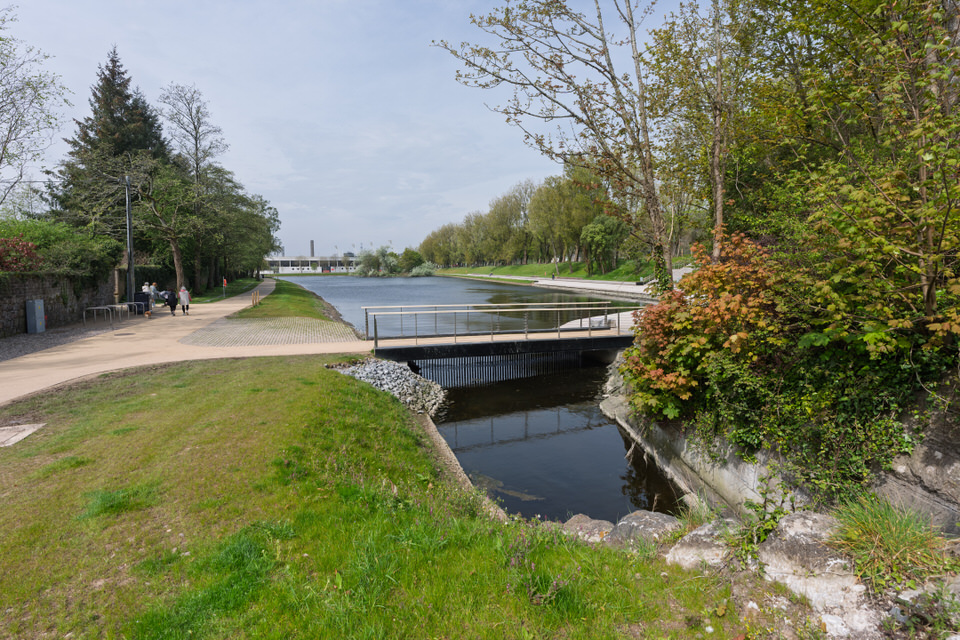
The Atlantic Pond: Cork’s Victorian Legacy Reborn The Atlantic Pond is a beloved landmark within Cork City’s Marina Park, serving as a tranquil centrepiece in a district defined by its industrial heritage and sporting passion. Its journey from a functional reservoir to a neglected relic, and finally to a modern urban oasis, mirrors the broader evolution of Cork itself. Origins: How it Came into Existence The Atlantic Pond was constructed in the mid-1800s during a period of significant land reclamation in the Lee estuary. Specifically, it was created as part of the Cork City Park and Racecourse development. The pond was designed as a decorative water feature and a catchment basin to help manage the drainage of the marshy sloblands that were being converted into usable parkland and a prestigious horse racing venue. Historical Uses In its Victorian and Edwardian prime, the pond was far more than a drainage solution: Boating and Leisure: It was a fashionable destination for recreational rowing and model boat sailing. Ice Skating: During particularly harsh winters in the 19th and early 20th centuries, the pond would freeze over, becoming the city’s premier spot for outdoor skating. The Showgrounds: It sat at the heart of the Munster Agricultural Society’s grounds, providing a scenic backdrop for the "Cork Show," where livestock and machinery were exhibited for decades. Periods of Neglect For much of the late 20th century, the Atlantic Pond fell into a state of stagnation and decay. Several factors contributed to this: Industrial Encroachment: As the surrounding area became heavily industrialised and focused on the Port of Cork, the "parkland" feel was lost. Siltation and Pollution: Lack of maintenance led to the pond becoming choked with silt and overgrown with reeds, significantly reducing its water quality. Vandalism: The original Victorian ornate railings and pathways were damaged or left to rust, and the area gained a reputation for being unsafe or forgotten. Redevelopment and Current Status The transformation of the Atlantic Pond is the cornerstone of the Marina Park Project. The redevelopment focused on ecological restoration and modern amenities: Water Management: The pond now functions as a sophisticated Sustainable Urban Drainage System (SuDS), designed to manage floodwaters for the surrounding area. Biodiversity: Modern landscaping has introduced native planting and "floating" walkways that allow visitors to get close to the water without disturbing the nesting birds and aquatic life. Accessibility: A sleek, paved promenade now circles the pond, connecting it directly to the refurbished Páirc Uí Chaoimh stadium and the pedestrianised Marina. Why is Marina Park so named? The park takes its name from The Marina, the picturesque riverside promenade that runs alongside it. Originally known as the "Navigation Wall," it was renamed in the 1870s to evoke the elegance of Italian coastal promenades. The name reflects Cork’s deep-seated connection to the river and the sea, as well as the 19th-century desire to create a "Continental" style leisure space for the city's residents.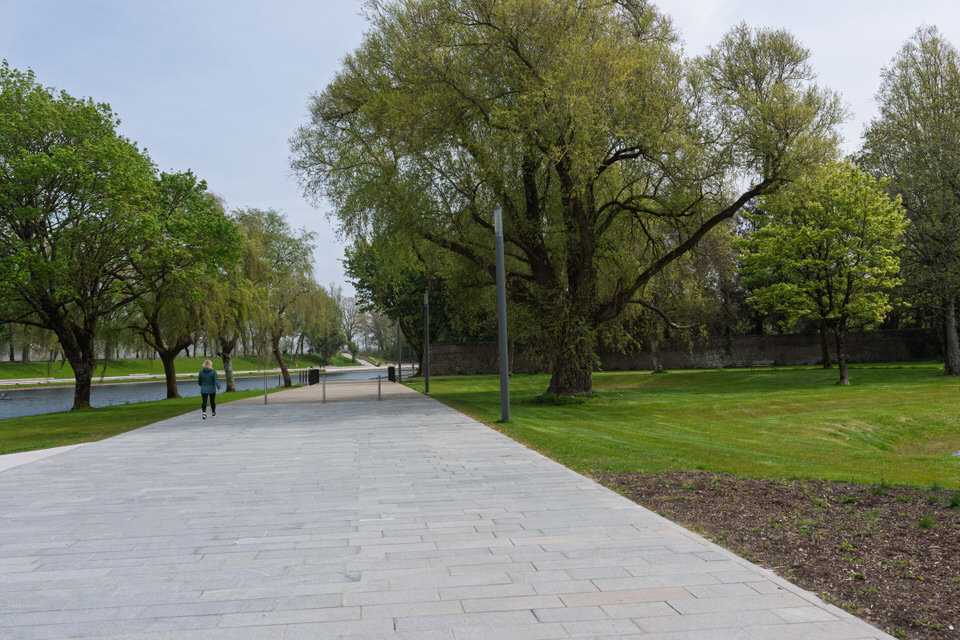 The Atlantic Pond - Select Image To View Photographs
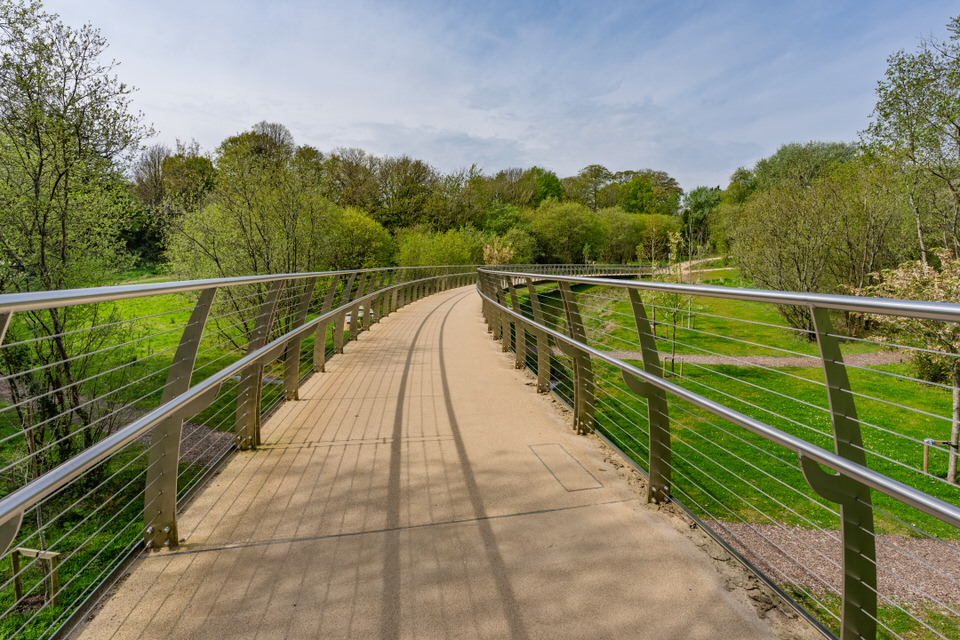 Elevated Walkway - Select Image To View Photographs
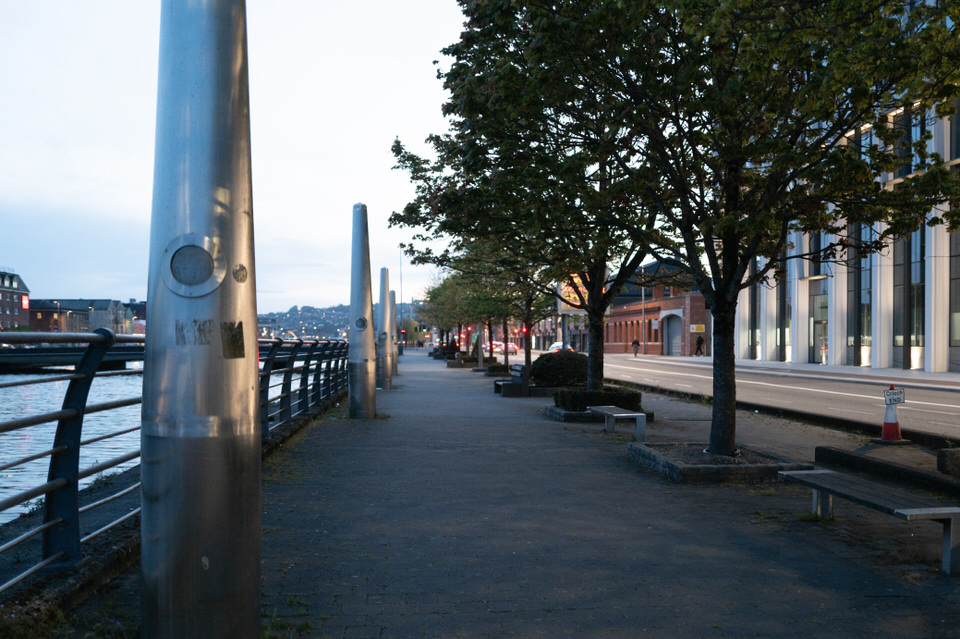 The Art And Arist - Select Image To View Photographs
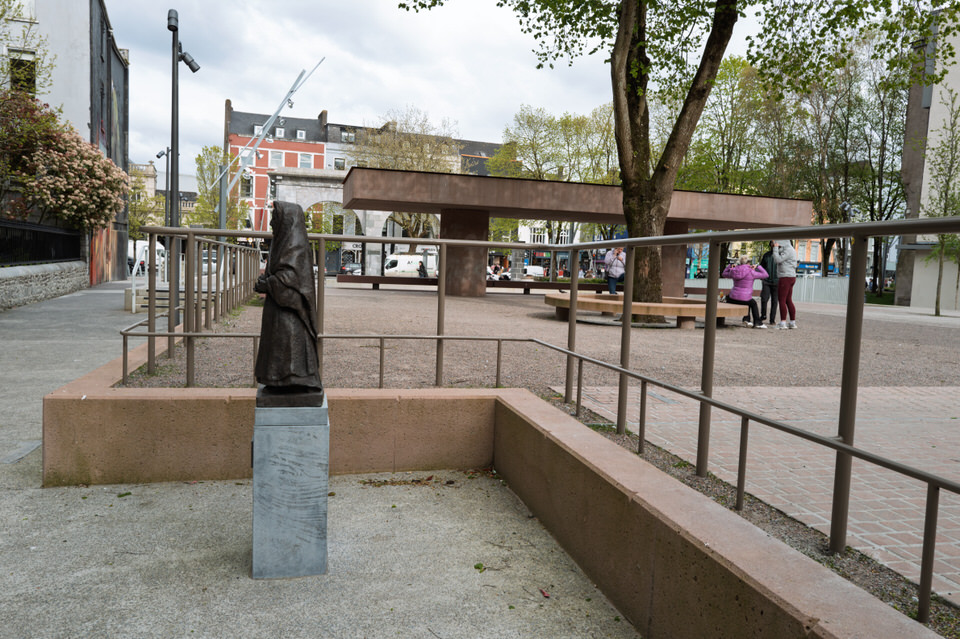 Onion Seller - Select Image To View Photographs
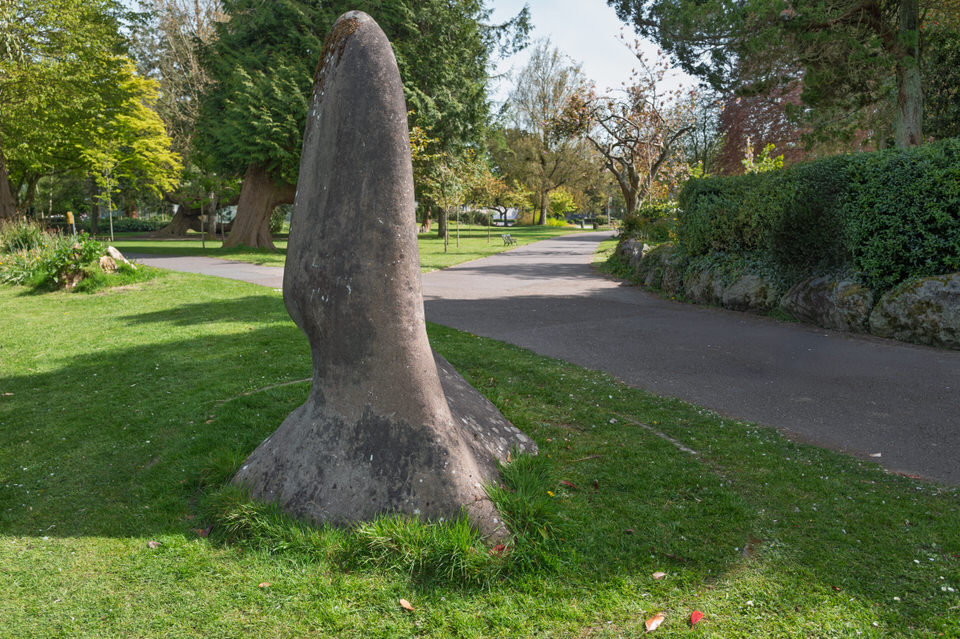 Abstract Sculptures - Select Image To View Photographs
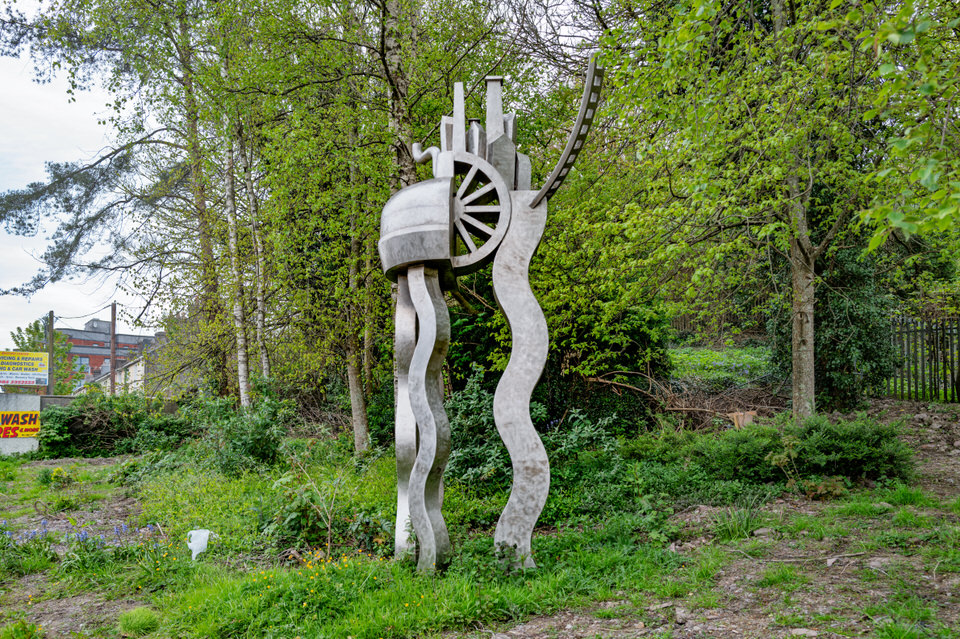 Lost Industries Sculpture - Select Image To View Photographs
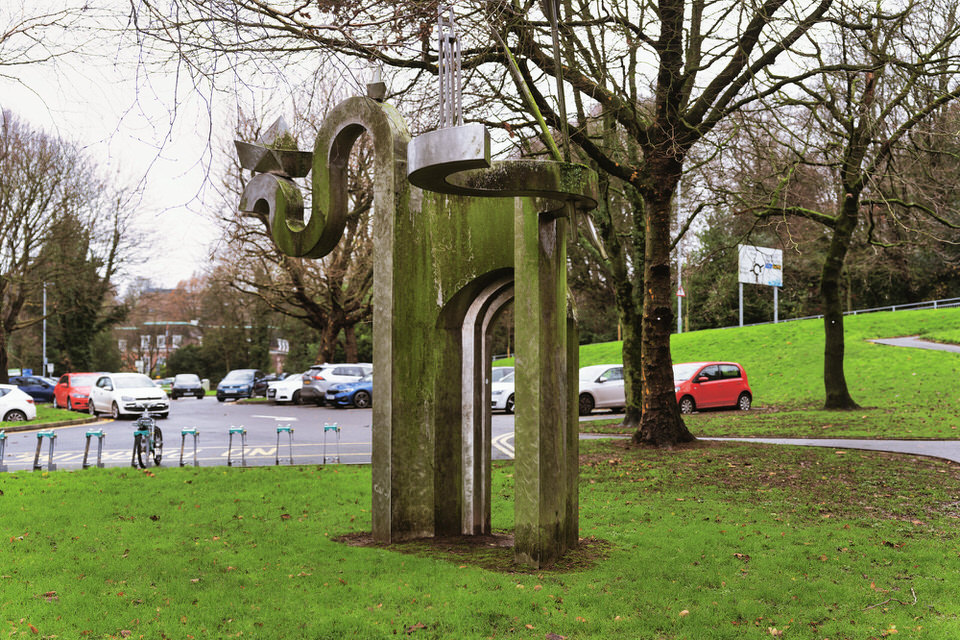 By Denis O'Connor - Select Image To View Photographs
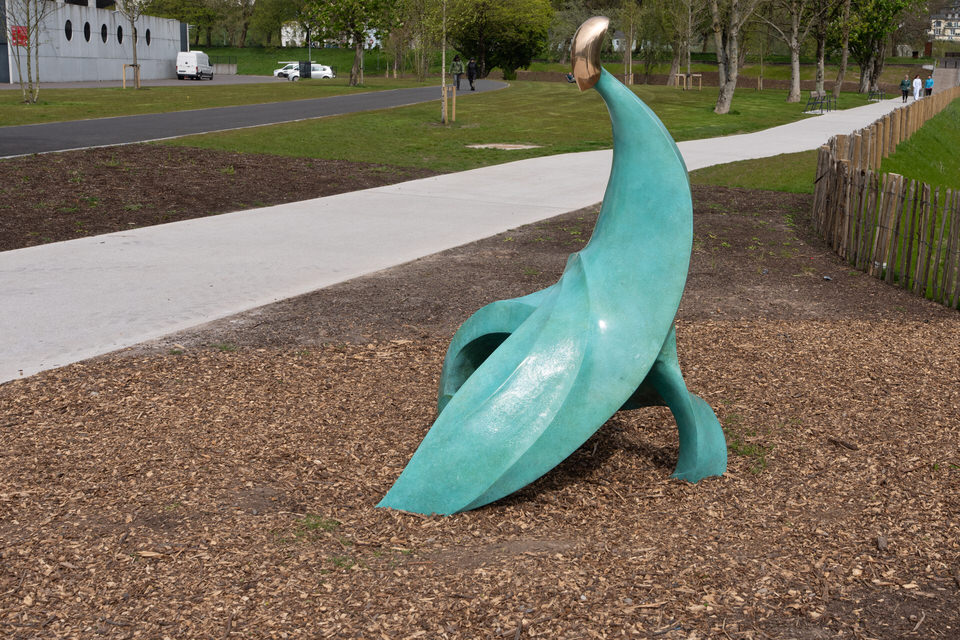 By Sandra Bell - Select Image To View Photographs
VIEW HI-RES PHOTOGRAPHS
CORK CITY AND COUNTY
ATLANTIC POND
GLOBAL INDEX OF PHOTO GALLERIES
APRIL 2026 PHOTO COLLECTION
THE URBAN CARTOGRAPHER
EXCELLENT PICTURE THIS 2017
The Atlantic Pond Cork Marina - Presented By The The Urban Cartographer
Who Is Building An Experience Which Is Getting Better Day By Day