Terryland Castle In Galway April 2026 - Presented By The The Urban Cartographer
LET MISTER SCREEN ASSIST YOU
GLOBAL INDEXThe Urban Cartographer
TECHNICAL STUFFDiscover the history of Terryland Castle in Galway, from its construction by the Earls of Clanricarde to its destruction by fire in 1691. Explore the origins of the name Tír Oileáin and the ancestral connection to singer Chris de Burgh.
EXCELLENT PICTURE THIS 2017
Terryland Castle In Galway April 2026 - Presented By The The Urban Cartographer
Terryland Castle In Galway April 2026
Author: The Urban Cartographer
|
15. Apr 2026
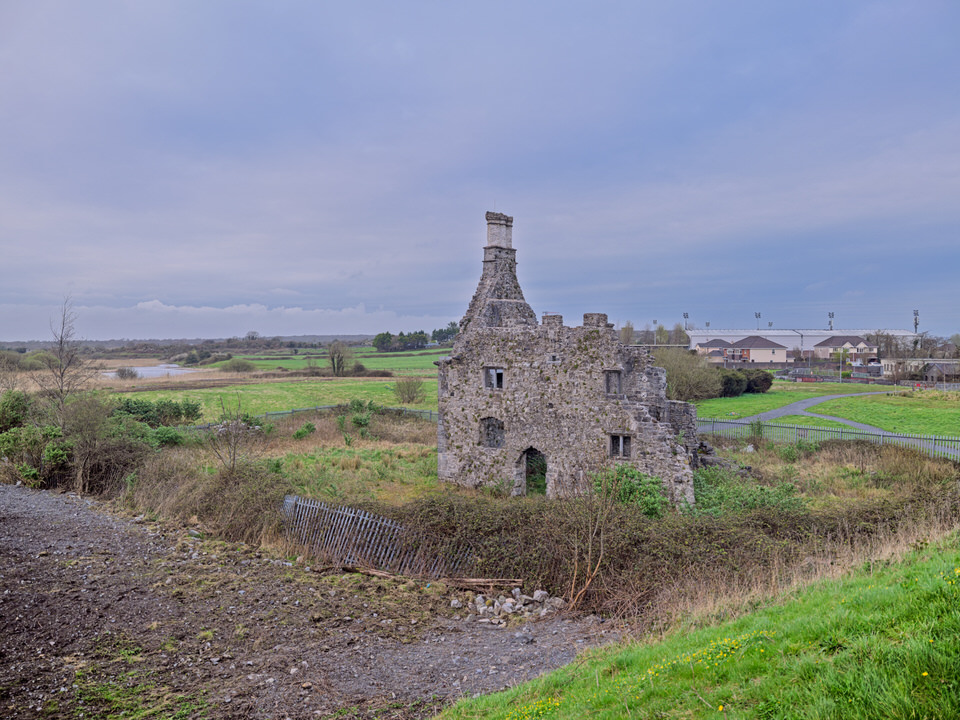
The "rise" of the castle began in the early 17th century, around 1625, under the direction of Richard Burke, the 4th Earl of Clanricarde. Unlike the cramped, defensive tower houses of the Middle Ages, Terryland was built as a "fortified manor." It featured larger windows and a more domestic elegance, reflecting a time when the De Burgo (Burke) dynasty felt secure in their dominance over Connacht.
The fire gutted the structure, leaving only the limestone shell that remains today. Abandoned and never rebuilt, the castle eventually became a "quarry" for locals, who scavenged its dressed stone for nearby building projects, leaving behind the rugged ruin we see today. The name "Terryland" is a classic phonetic evolution of the Irish Tír Oileáin, meaning "Land of the Island." This refers to the marshy, riverine landscape where seasonal flooding once turned patches of solid ground into temporary islands. Local lore often attempts to bridge the gap between this ruin and modern Irish culture. A frequent claim made by local historians is that the family of singer Chris de Burgh once owned the castle. While there is a grain of genealogical truth here, the reality is more nuanced. Chris de Burgh (born Christopher Davison) took his mother’s maiden name, tracing his lineage back to the same William de Burgh who arrived in Ireland in 1185. However, the De Burgo family split centuries ago; the singer’s ancestors (the Wexford branch) settled in the east at Bargy Castle, while the builders of Terryland were the "Western Burkes." They are distant cousins sharing an ancient Norman bloodline, but the singer's immediate family never held the deeds to this specific Galway site.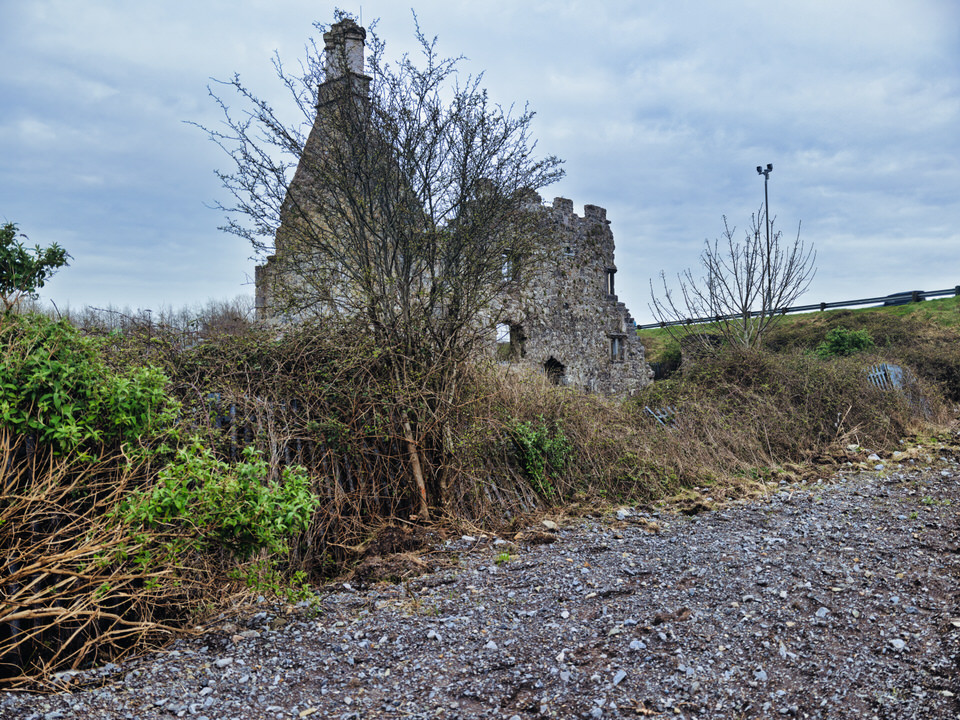 Terryland Castle - Select Image To View Photographs
The Ghost on the Corrib: The Rise and Fall of Terryland Castle
Standing as a skeletal ruin on the banks of the River Corrib, Terryland Castle (historically known as Oldcastle) is a haunting silhouette of Galway’s aristocratic past. While today it serves as a landmark for photographers and walkers, its history is a volatile mix of Norman ambition, strategic war
A Stronghold of the West
Its location was chosen for power, not just beauty. It guarded a vital ford across the river, effectively acting as the northern gatekeeper to Galway City. For decades, it was a seat of immense political influence, where the Earls of Clanricarde managed their vast western estates.
The Great Fire and the Fall
The castle’s downfall was as dramatic as its ascent. During the Williamite War in 1691, the tide turned against the Jacobite forces supporting King James II. As the Williamite army advanced toward Galway, the retreating Jacobites realised Terryland was too valuable to leave intact. To prevent the enemy from using it as a fortified base, the garrison set the manor ablaze.
The Name and the Local Lore
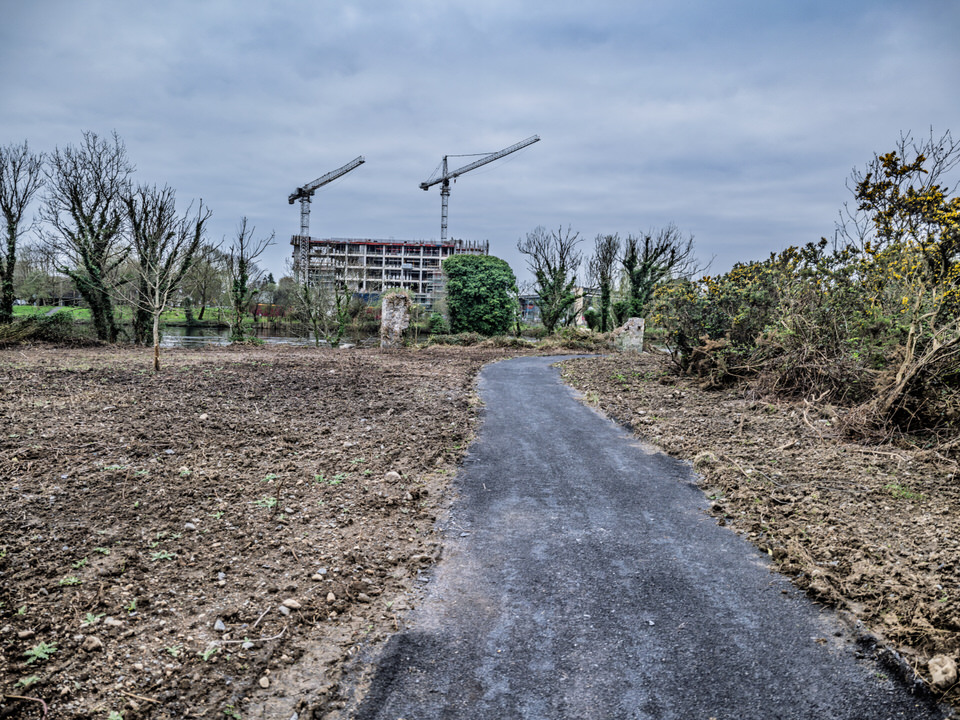 Dyke Road 2026 - Select Image To View Photographs
VIEW HI-RES PHOTOGRAPHS
CORK CITY AND COUNTY
ABOUT TERRYLAND CASTLE
GLOBAL INDEX OF PHOTO GALLERIES
GALWAY CITY
THE URBAN CARTOGRAPHER
EXCELLENT PICTURE THIS 2017
Terryland Castle In Galway April 2026 - Presented By The The Urban Cartographer
Who Is Building An Experience Which Is Getting Better Day By Day