Temple Bar Sessions One And Two - Presented By The The Urban Cartographer
LET MISTER SCREEN ASSIST YOU
GLOBAL INDEXThe Urban Cartographer
TECHNICAL STUFFExploring the subtle differences between the Sony A1 II and Sony A7RV on the streets of Dublin. From sensor dust resistance to the colour science of the BIONZ XR engine, discover why the flagship A1 II might just have the edge when paired with the Zeiss Batis 18mm lens.
EXCELLENT PICTURE THIS 2017
Temple Bar Sessions One And Two - Presented By The The Urban Cartographer
Temple Bar Sessions One And Two
Author: The Urban Cartographer
|
14. Apr 2026
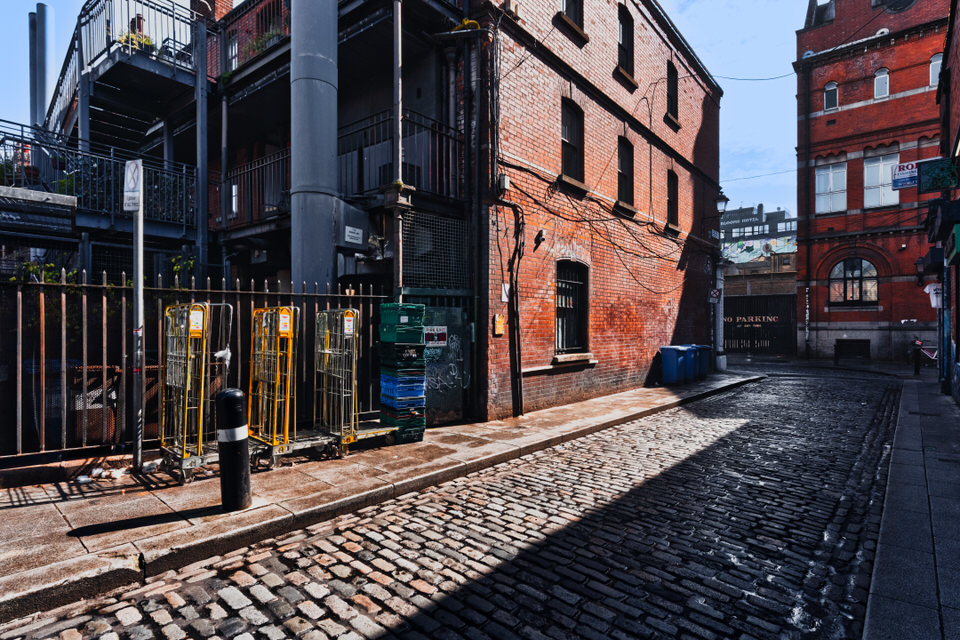
As I prepare for my trip to Cork City next week, I find myself at a crossroads. Do I take the ultra-reliable A1 II, or give the A7RV another chance to prove its worth with a different set of glass? For now, the A1 II sits firmly as the "Gold Standard" in my bag.**
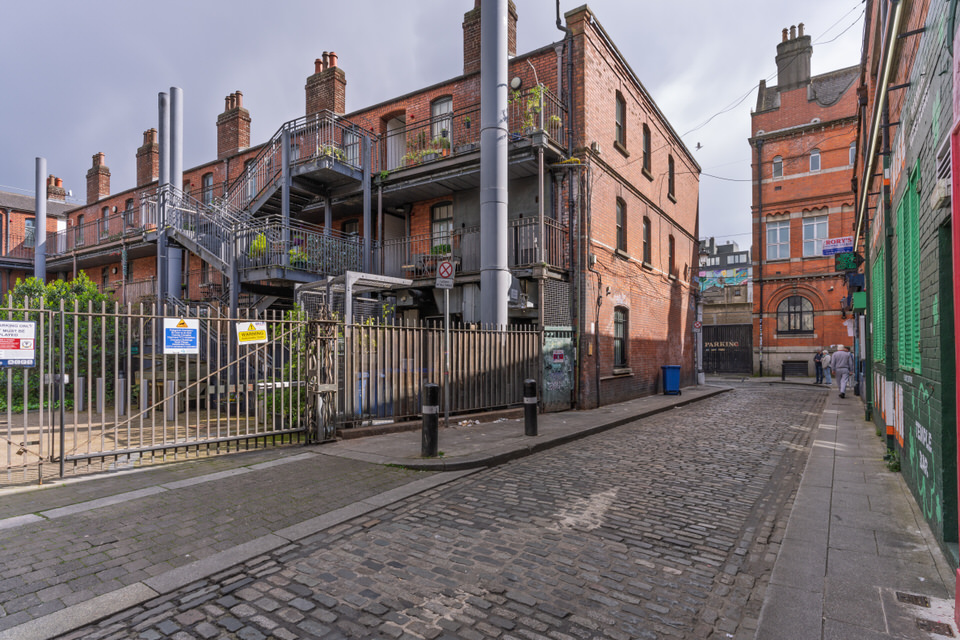 Sony A7RV - Select Image To View Photographs
Choosing between the Sony A1 II and the Sony A7RV is, on paper, a game of high-resolution musical chairs. Both boast incredible sensors and industry-leading autofocus. However, after taking both through the vibrant, chaotic streets of Dublin’s Temple Bar with the Zeiss Batis 18mm, the "theory" of equality began to crumble in favour of the A1 II.
**Subtle Brilliance: Finding the Edge in the Temple Bar
The Experiment
To keep the playing field level, I locked the Zeiss Batis 18mm to both bodies across two days of street photography. The Batis is a legendary wide-angle, known for its "Zeiss Pop" and micro-contrast, making it the perfect neutral arbiter for this test.
The Result: A Matter of Finesse
While the 61MP sensor of the A7RV is a detail powerhouse, the A1 II felt... right. There are three areas where the flagship pulled ahead in real-world use:
Optical Harmony: Curiously, the in-camera distortion correction for the Batis 18mm appeared more sophisticated on the A1 II. Lines felt straighter, and the geometry of Dublin’s architecture felt more true to life.
Natural Colour: The A1 II's colour science feels like a step forward. It delivers a more organic, "filmic" look compared to the A7RV, which can occasionally feel overly clinical in high-contrast environments.
The Cleanliness Factor: In the dusty environment of a working city, the A1 II’s sensor remained pristine. Whether it is the anti-static coating or the shutter mechanism, it seems to repel the sensor spots that occasionally plague the A7RV.
My Kit Evolution
My journey to this duo was unexpected. After a tumble in Belfast damaged my trusty A7RIV, a loaner A7RV eventually turned into a permanent fixture alongside my pre-ordered A1 II. While I have flirted with the Leica Q3 and Fuji GFX100RF, their reliability issues have frequently left me returning to the Sony stable.
 Sony A1 MkII - Select Image To View Photographs
VIEW HI-RES PHOTOGRAPHS
CORK CITY AND COUNTY
ABOUT TWO SONY CAMERAS
GLOBAL INDEX OF PHOTO GALLERIES
SONY A1 MkII WITH ZEISS BATIS 18MM WITH
SONY A7RV WITH ZEISS BATIS 18MM
EXCELLENT PICTURE THIS 2017
Temple Bar Sessions One And Two - Presented By The The Urban Cartographer
Who Is Building An Experience Which Is Getting Better Day By Day