Saint Josephs Cemetery In Cork April 2026 - Presented By The The Urban Cartographer
LET MISTER SCREEN ASSIST YOU
GLOBAL INDEXThe Urban Cartographer
TECHNICAL STUFFExplore the rich history of St Joseph's Cemetery in Cork, founded by the "Apostle of Temperance," Father Theobald Mathew. Discover how a former botanical garden became a unique garden cemetery, blending the somber history of the Great Famine with the exquisite funerary sculpture of Ireland’s most celebrated artists.
EXCELLENT PICTURE THIS 2017
Saint Josephs Cemetery In Cork April 2026 - Presented By The The Urban Cartographer
Saint Josephs Cemetery In Cork April 2026
Author: The Urban Cartographer
|
24. Apr 2026
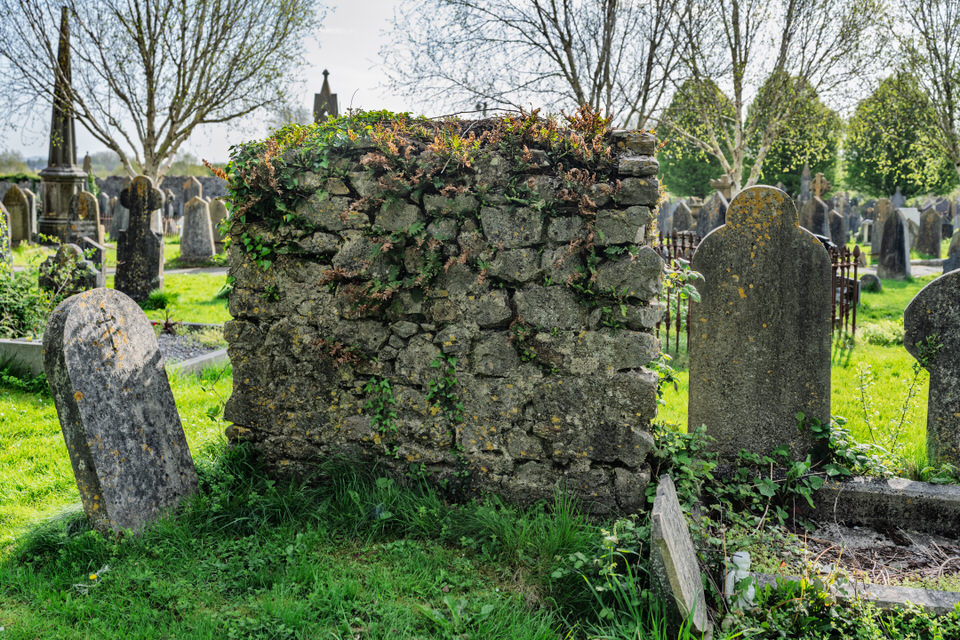
St Joseph’s Cemetery, located in the Ballyphehane area of Cork City, is a site of immense historical and social significance. Often referred to by locals as "The Botanics," its origins are as unique as the memorials found within its walls. The Vision of Father Theobald Mathew The cemetery was founded in 1830 by Father Theobald Mathew (1790–1856), a Capuchin friar famously known as the "Apostle of Temperance." Father Mathew was a tireless advocate for the poor and a central figure in 19th-century Irish social reform. Before becoming a cemetery, the site served as the Cork Botanic Gardens (established in 1809). When the gardens faced financial ruin and closed in 1828, Father Mathew purchased the lease. His primary motivation was humanitarian: at the time, Cork lacked a dedicated burial ground for Catholics, particularly for the destitute. During the devastating Cholera epidemic of 1832 and the Great Famine (1845–1852), Father Mathew ensured that those who died in poverty were given a dignified burial, often at his own personal expense. An Unconventional Aesthetic The first thing that I noticed was that the memorials in St Joseph’s often differ from those in other Victorian or municipal cemeteries. This is largely due to its transformation from a botanical garden into a "garden cemetery." Landscape Design: Because the layout followed the original paths and planting schemes of the botanic gardens, the cemetery avoids the rigid, linear rows typical of the era. The result is a more organic, park-like atmosphere. Artistic Legacy: Despite its mission to serve the poor, St Joseph’s became the final resting place for many of Cork’s merchant princes, artists, and political figures. This led to a concentration of work by renowned Cork sculptors, such as John Hogan and Seamus Murphy. The Memorials: You will find an eclectic mix of neo-classical urns, elaborate Celtic crosses, and highly personalised Victorian statuary. The "impressive" nature of these memorials often reflects the "nouveau riche" of Cork’s 19th-century industrial boom, who sought to distinguish themselves through elaborate funerary art. Historical Significance Beyond the founder's own tomb—marked by a simple yet poignant cross—the cemetery holds the remains of roughly 220,000 people. It contains mass famine graves, holding the remains of thousands who perished during the 1840s, providing a sobering contrast to the ornate headstones of the wealthy. It also serves as a site of pilgrimage for Irish Republicans, containing the graves of several Fenians and "Manchester Martyrs" commemorations.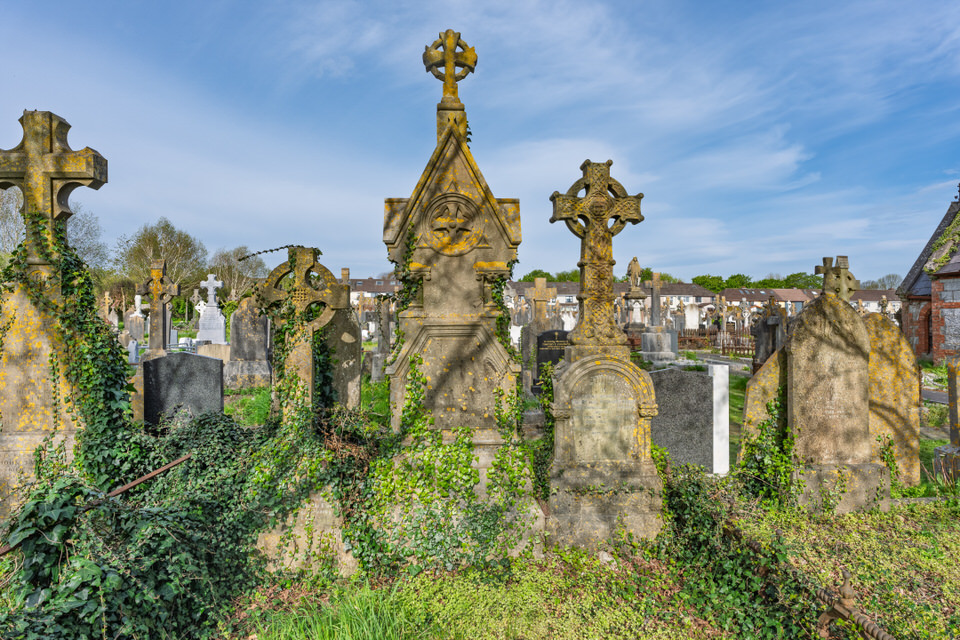 Old Cemetery - Select Image To View Photographs
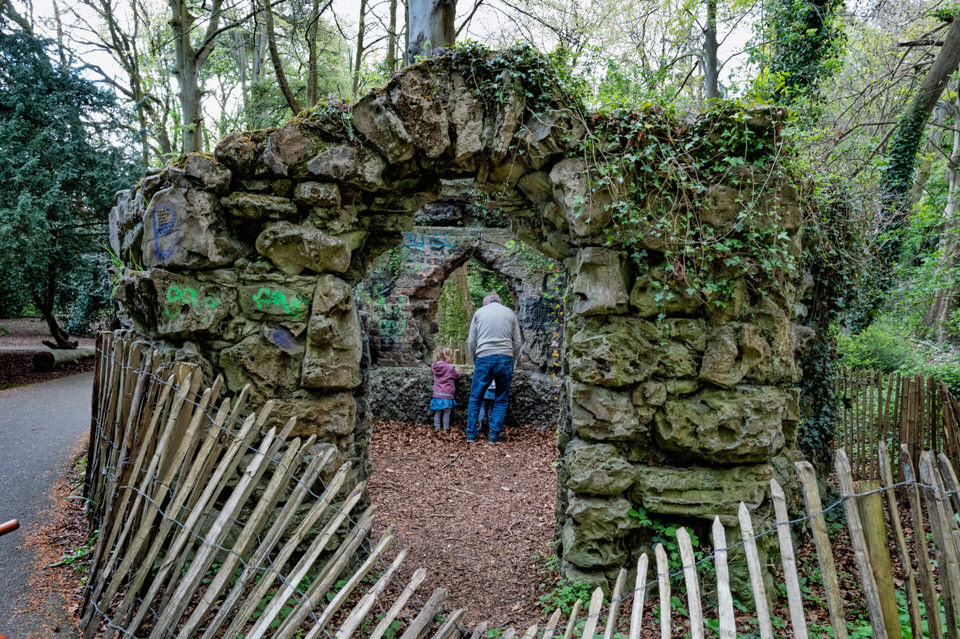 Bushy Park - Select Image To View Photographs
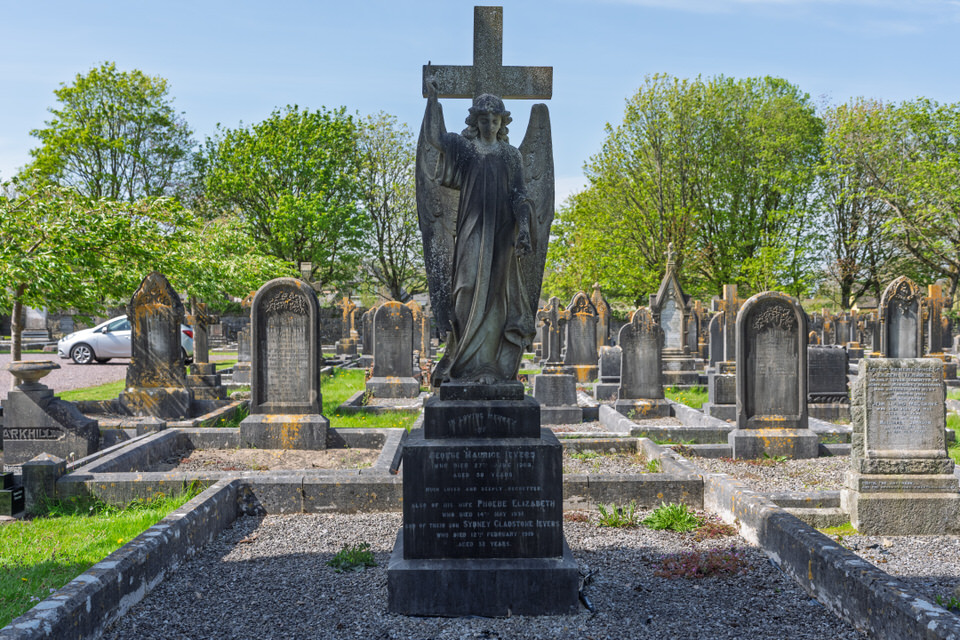 Old Churchyard - Select Image To View Photographs
VIEW HI-RES PHOTOGRAPHS
CORK CITY AND COUNTY
OLD CEMETERY IN CORK
GLOBAL INDEX OF PHOTO GALLERIES
APRIL 2026 PHOTO COLLECTION
THE URBAN CARTOGRAPHER
EXCELLENT PICTURE THIS 2017
Saint Josephs Cemetery In Cork April 2026 - Presented By The The Urban Cartographer
Who Is Building An Experience Which Is Getting Better Day By Day