Saint Columba's Church in Swords 2023 - Presented By The The Urban Cartographer
LET MISTER SCREEN ASSIST YOU
GLOBAL INDEXThe Urban Cartographer
TECHNICAL STUFFExplore the rich history of Saint Columba's Church in Swords. Designed by Francis Johnston, this Georgian gem features a 10th-century round tower, the legendary wake of Brian Boru, and some of Ireland’s earliest stained glass.
EXCELLENT PICTURE THIS 2017
Saint Columba's Church in Swords 2023 - Presented By The The Urban Cartographer
Saint Columba's Church in Swords 2023
Author: The Urban Cartographer
|
10. Mar 2026
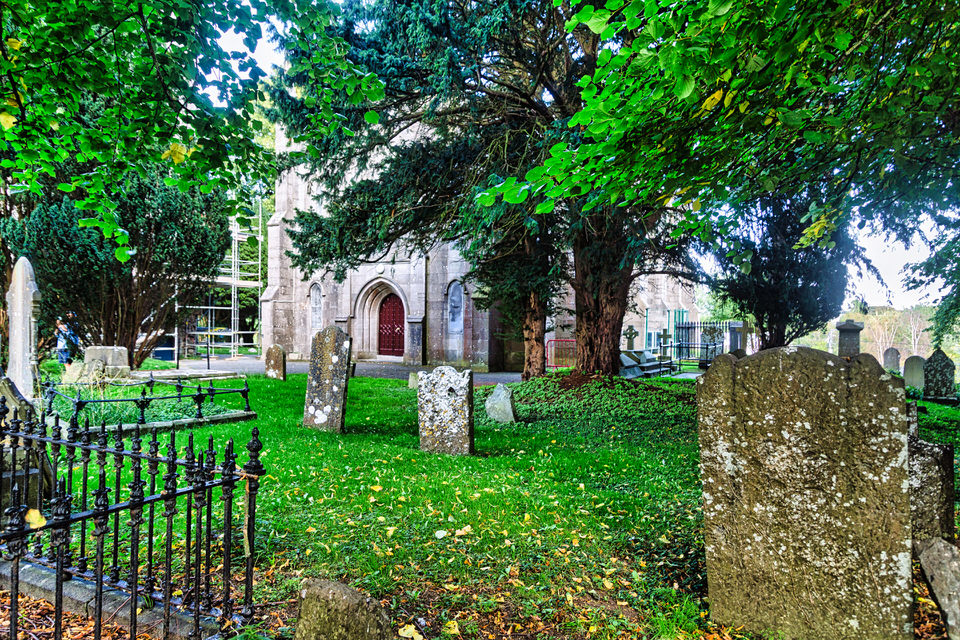
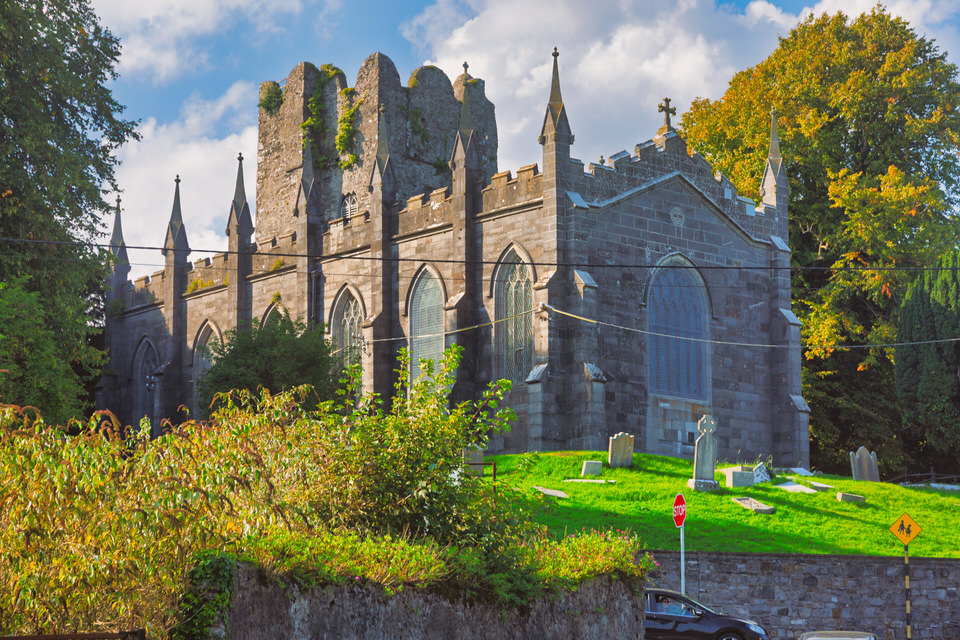 Photographed By William Murphy - Select Image To View Photographs
Saint Columba's Church in Swords is a quintessential example of Georgian ecclesiastical architecture, steeped in layers of Irish history that predate the current structure by centuries.
Architectural Heritage and Design
Commissioned in 1811, the church is a testament to the skill of Francis Johnston, one of Ireland's most pre-eminent architects. While he is most famous for the Neoclassical grandeur of the General Post Office (GPO) on O’Connell Street, his work at Saint Columba's reflects a more restrained, elegant Gothic Revival style.
The interior is renowned for its Telford organ and superb acoustics, making it a sought-after venue for choral performances. Historically, the building serves as a gallery of local lineage; the walls are adorned with monuments salvaged from previous incarnations of the church, while the windows feature some of the earliest stained glass found in the country.
The Round Tower and Medieval Footprint
Many accounts note the physical and temporal separation of the tower. The Swords Round Tower stands as a stark, ancient sentinel approximately 20 metres from the 19th-century church building.
Age Gap: The tower dates back to the 10th or 11th century, making it roughly 800 years older than the current church. It is a remnant of the original monastic settlement founded by Saint Columba (Colmcille) in AD 560.
The Square Tower: Interestingly, there is also a 14th-century square belfry on the site. This creates a striking visual timeline: the medieval round tower, the late-medieval square tower, and the Georgian church all sharing the same elevated ground.
Maintenance and "Unusual" History
The church has faced significant upkeep and maintenance challenges, common to many Church of Ireland properties with small congregations and vast historical footprints. In recent decades, dampness and the preservation of the delicate stained glass have required extensive fundraising and restoration efforts.
Unusual Stories and Events
The Legend of the Golden Bell: Local folklore suggests that the original bells of the monastery were buried in a nearby field to protect them from Viking raiders. They are said to remain hidden to this day.
The Wake of Brian Boru: Perhaps the most significant historical "event" occurred in 1014. After the Battle of Clontarf, the bodies of High King Brian Boru and his son Murrough were brought to the monastery at Swords. They lay in state here before being carried north to Armagh for burial.
The Churchyard: Active or Dormant?
The churchyard is largely dormant (closed) for new burials, acting primarily as a protected historic site. However, exceptions are occasionally made for families with existing ancestral plots or "right of burial" established over generations. It remains a popular site for historians and genealogists due to its wealth of 18th and 19th-century headstones.
GALWAY CITY
CORK CITY AND COUNTY
GLOBAL MENU
DUBLIN SOUTHSIDE
DUBLIN NORTHSIDE
URBAN CARTOGRAPHER
EXCELLENT PICTURE THIS 2017
Saint Columba's Church in Swords 2023 - Presented By The The Urban Cartographer
Who Is Building An Experience Which Is Getting Better Day By Day