So What Happened To The Archer Sculpture - Presented By The The Urban Cartographer
LET MISTER SCREEN ASSIST YOU
GLOBAL INDEXThe Urban Cartographer
TECHNICAL STUFFThe mysterious removal of the archer sculpture on Kilkenny's Castle Road has been revealed as the end of a controversial pilot scheme. Discover the history of the Archer family, the mandatory Norman archery laws, and what the council plans for the city's future gateway art.
EXCELLENT PICTURE THIS 2017
So What Happened To The Archer Sculpture - Presented By The The Urban Cartographer
So What Happened To The Archer Sculpture
Author: The Urban Cartographer
|
10. Mar 2026
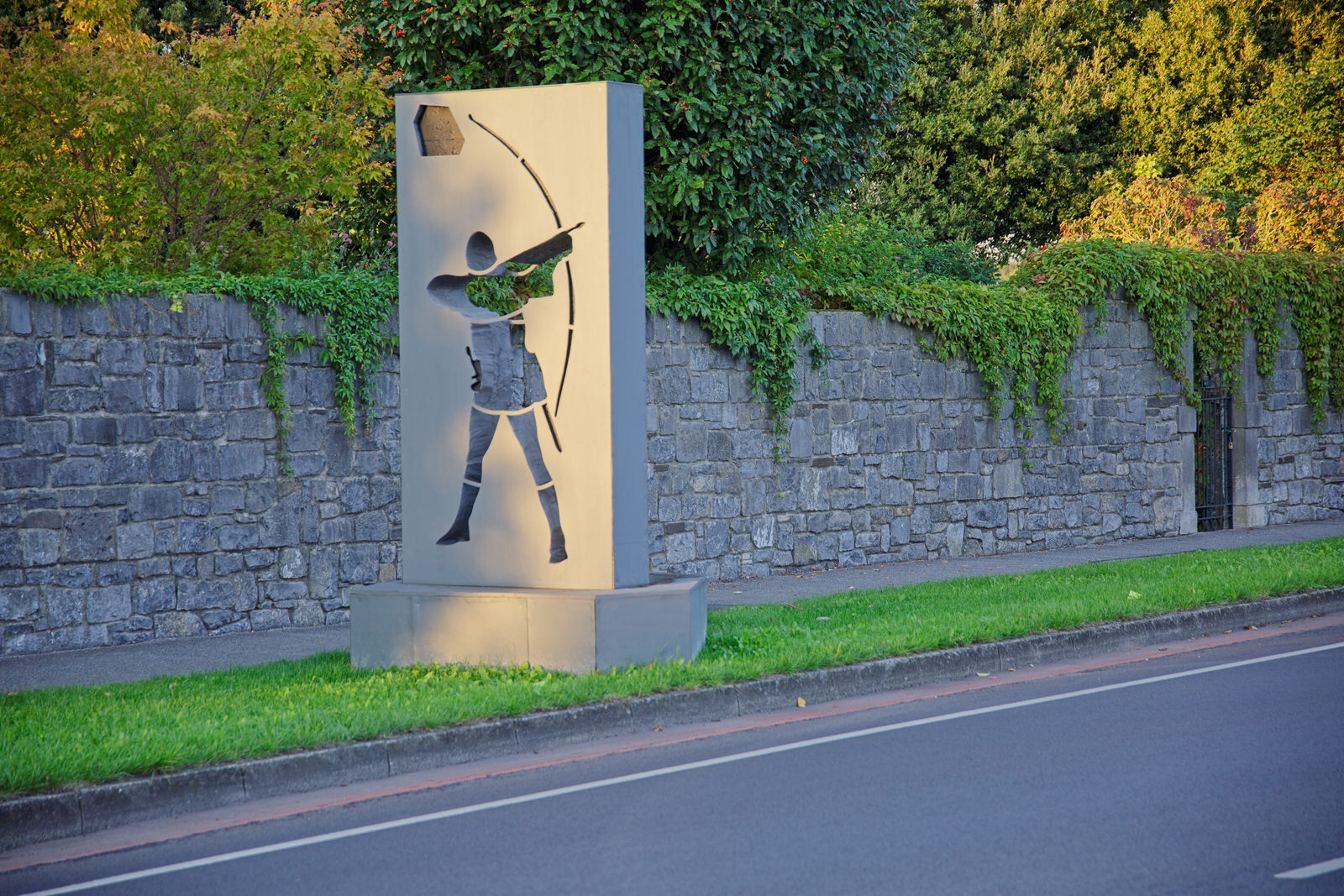
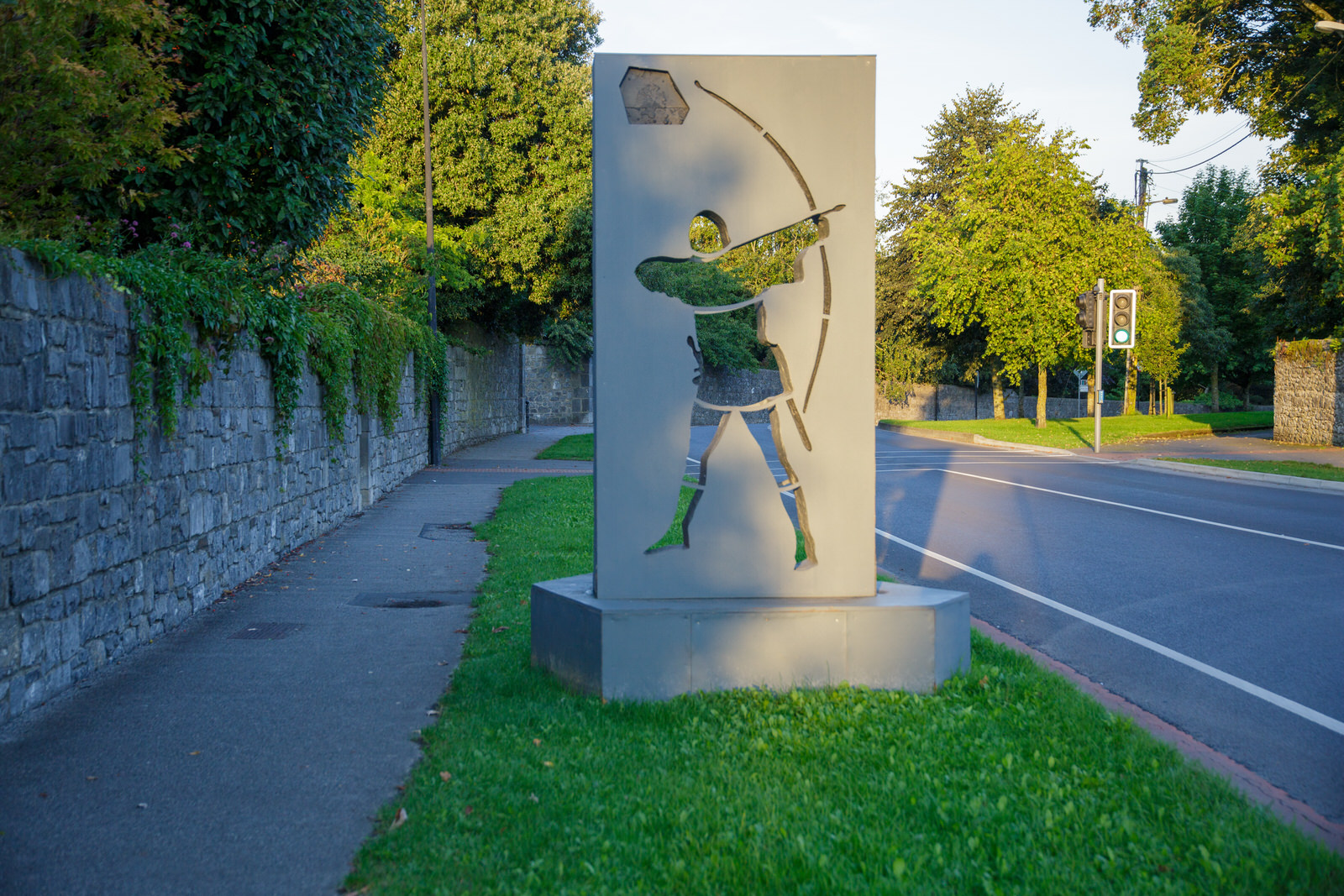
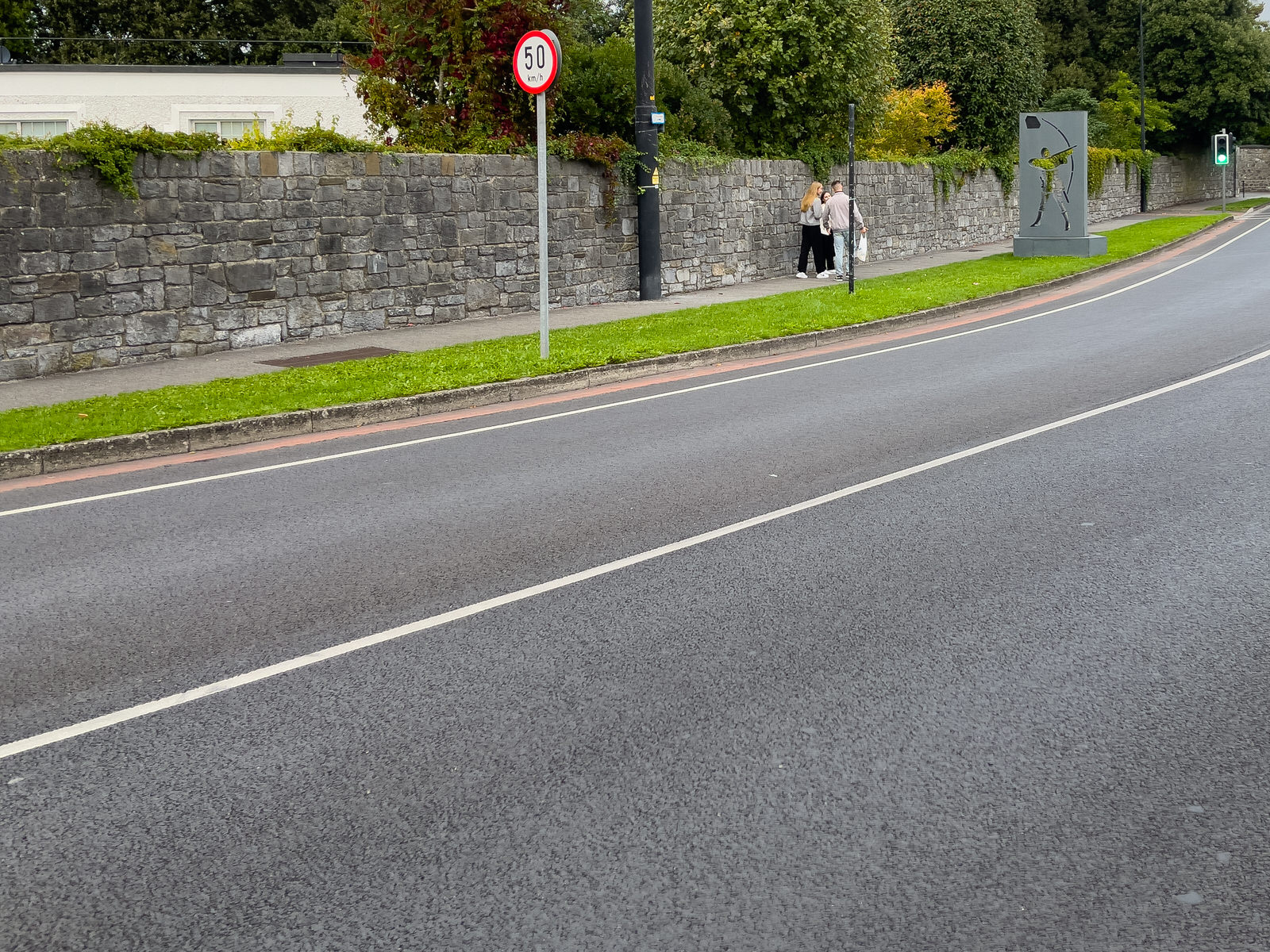
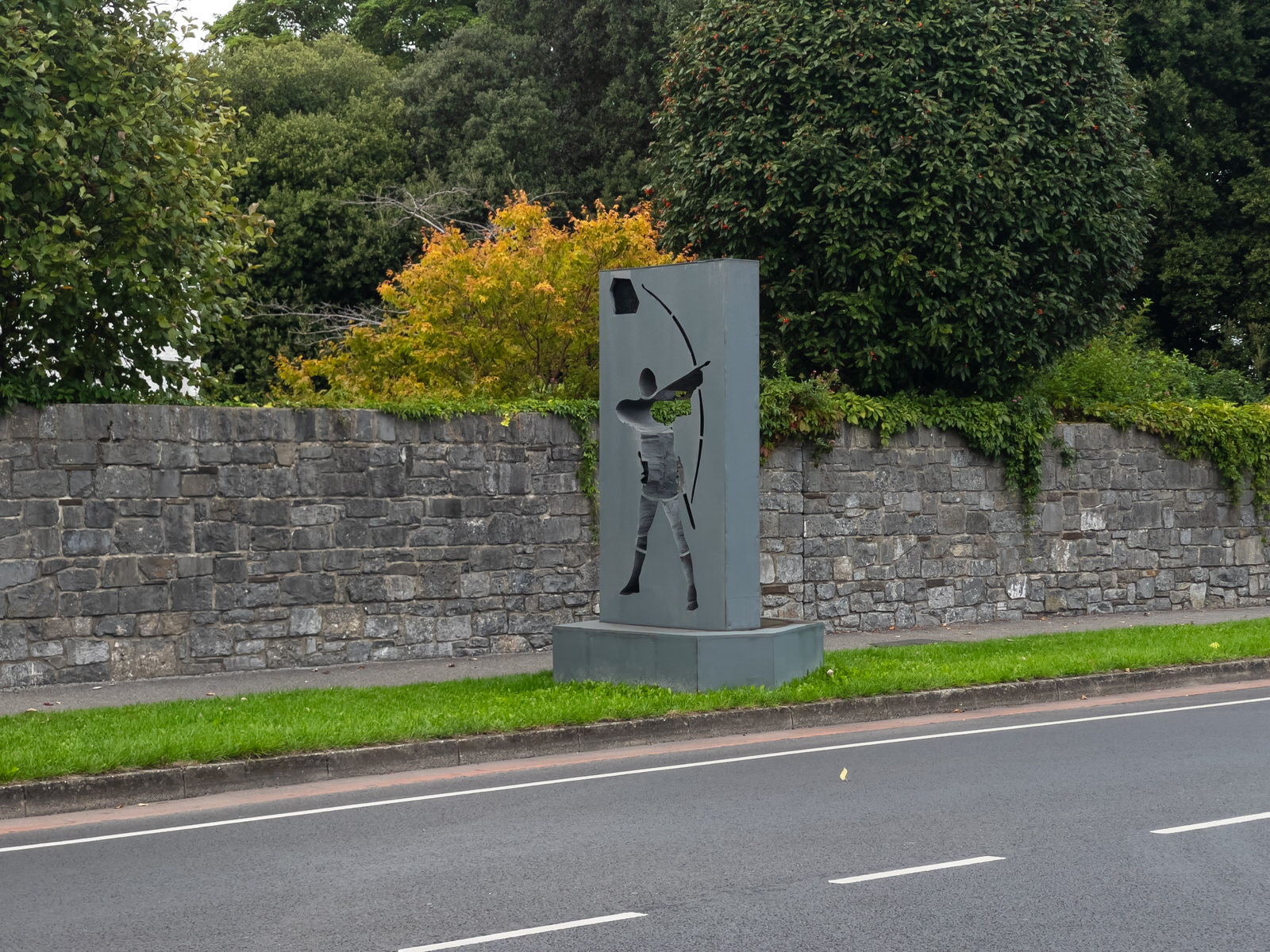 Photographed By William Murphy - Select Image To View Photographs
The sculpture was part of a pilot scheme commissioned by the Kilkenny City Municipal District. The intention was twofold - to act as a traffic-calming measure by alerting motorists they were entering the city limits, and to celebrate the area's deep historical connection to archery.
A Pilot That Missed the Mark
The sculpture was part of a pilot scheme commissioned by the Kilkenny City Municipal District. The intention was twofold: to act as a traffic-calming measure by alerting motorists they were entering the city limits, and to celebrate the area's deep historical connection to archery.
However, the design—a flat, metal cut-out—drew sharp criticism from local councillors. Some described it as having a "Disneyfication" effect on the city, while others argued it felt more "English" than Irish, comparing it to heritage branding seen in cities like York.
Why was it removed?
The archer was always intended to be a temporary prototype. Following the mixed reception, the City Engineer clarified that any permanent installations must undergo a Part 8 planning consultation. This process requires formal public feedback and a vote by elected officials. Consequently, the archer was retired to allow the council to return to the drawing board.
Did the Normans really practice here?
The short answer is: they were legally required to. The area known as Archerstown (and nearby Archer’s Avenue) is named after the Archer family, one of the "Ten Civic Families" of Kilkenny who arrived during the Anglo-Norman period. History shows that archery wasn't just a hobby; it was a mandate:
The Statute of Winchester (1285): This law required every able-bodied man to own a bow and practice regularly.
The "Butts": Kilkenny still has an area known as The Butts, which refers to the targets used for mandatory practice. In 1537, it was recommended that children in Ireland practice for an hour or two after school to ensure the city’s defences remained sharp.
What’s next for Kilkenny’s Gateways?
The council hasn't abandoned the idea of marking the city's entrances. Current discussions suggest a shift away from "cut-out" silhouettes toward more robust, culturally resonant designs. Proposals include:
Mythological Figures: Such as Cú Chulainn, to emphasise Kilkenny’s hurling heritage.
Industrial Art: Projects like "From Hide to Heel" which celebrate the city’s history of leather-working and tanning.
For now, the Castle Road archer remains in storage, a casualty of the delicate balance between traffic safety and civic identity.
GALWAY CITY
CORK CITY AND COUNTY
GLOBAL MENU
DUBLIN SOUTHSIDE
DUBLIN NORTHSIDE
URBAN CARTOGRAPHER
EXCELLENT PICTURE THIS 2017
So What Happened To The Archer Sculpture - Presented By The The Urban Cartographer
Who Is Building An Experience Which Is Getting Better Day By Day