Sand Castles At Dublin Castle 30 August 2021 - Presented By The The Urban Cartographer
LET MISTER SCREEN ASSIST YOU
GLOBAL INDEXThe Urban Cartographer
TECHNICAL STUFFA retrospective look at the 2021 Dublin Castle sand sculpture exhibition, captured on the unique Foveon-powered Sigma DP1 Quattro. This article explores the serendipity of urban photography, the shifting landscape of Dublin's city centre, and the technical rewards and challenges of archiving and remastering complex Sigma RAW files with modern processing software.
THE JUNE 2026 PHOTO GALLERIES
Sand Castles At Dublin Castle 30 August 2021 - Presented By The The Urban Cartographer
Sand Castles At Dublin Castle 30 August 2021
Author: The Urban Cartographer
|
05. Jun 2026
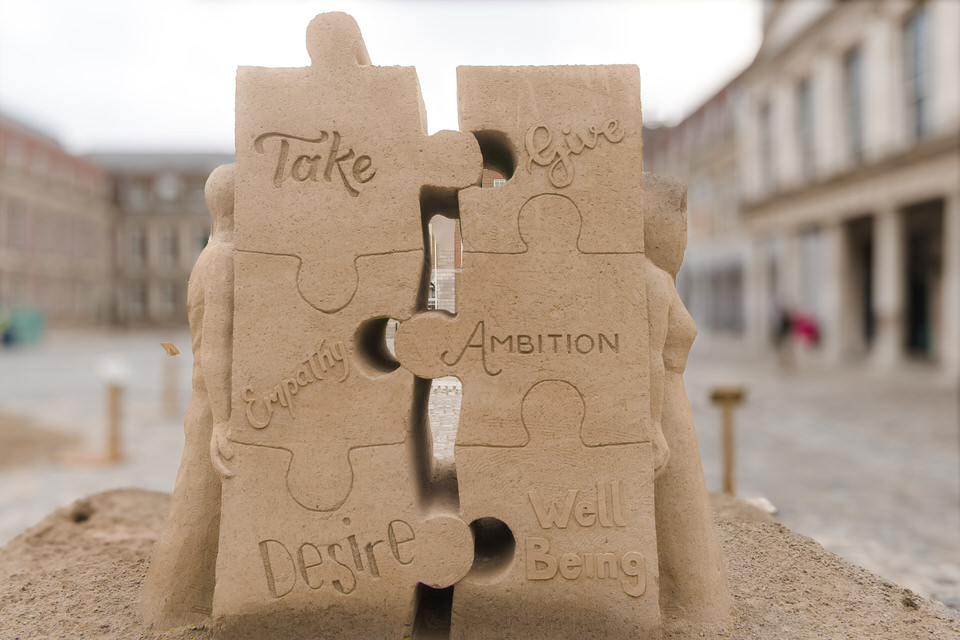
Sand Sculptures at Dublin Castle: A Second Look with the Sigma DP1 Quattro It is remarkable how a minor disruption can lead to an unexpected photographic opportunity. On the 30th of August 2021, a planned 12:30 lunch at The Hungry Mexican on Aston Quay was abruptly postponed when a text from the manager arrived, explaining that staff shortages meant the restaurant could not open until 14:00. With ninety minutes to spare in the city centre, a stroll over to Dublin Castle seemed like the perfect way to pass the time. Word on the street was that the sand sculpture exhibition in the Upper Castle Yard had concluded the previous Friday, and that the installations would already be cleared. To my complete surprise, however, the intricate sculptures remained entirely intact, standing pristine in the August light. The serendipity of the week didn't end there. The following day, a trip to the National Botanic Gardens yielded similarly excellent results. Though the annual Sculpture in Context exhibition was not due to open for another few days, the timing allowed for a behind-the-scenes look, capturing the artists in the middle of the installation process. (Note: Sadly, The Hungry Mexican did not survive the prolonged economic impact of the Covid-19 lockdowns. The Aston Quay premises were subsequently acquired by Tucano, who are currently thriving in the space.) Processing the Sigma DP1 Quattro: A Unique Challenge Returning to these images five years later provides an excellent benchmark for how far RAW development software has advanced. The original 2021 conversions left a lot to be desired, but modern processing engines unlock far more detail and nuance from Sigma’s notoriously complex X3F files. Even with today’s superior tools, the Sigma DP1 Quattro remains a beautifully stubborn instrument to work with. Built around the unique Foveon X3 Quattro sensor—which abandons the traditional Bayer color filter array in favor of three stacked layers of silicon—the camera is capable of rendering an almost three-dimensional level of micro-contrast and texture. For capturing the granular, tactile details of sand sculptures, it is an unmatched tool. However, that remarkable image quality comes at a price. The Quattro files are notoriously difficult to process. The sensor's architecture means that color consistency can vary wildly from shot to shot, particularly if the ambient light shifts even slightly. Managing the color science requires patience, fine-tuning, and a deep understanding of how the software interprets the sensor’s distinct voltage layers. Yet, when properly harnessed, the results possess an organic, film-like sharpness that modern Bayer sensors simply cannot replicate.
HIGH RESOLUTION GALLERY
I USED A SIGMA DP1 QUATTRO
LET MISTER SCREEN DIRECT YOU
GLOBAL INDEX OF PHOTO GALLERIES
DUBLIN SOUTHSIDE
THE URBAN CARTOGRAPHER
THE JUNE 2026 PHOTO GALLERIES
Sand Castles At Dublin Castle 30 August 2021 - Presented By The The Urban Cartographer
Who Is Building An Experience Which Is Getting Better Day By Day