Saint Marys Church In Clonsilla - Presented By The Urban Cartographer
LET MISTER SCREEN ASSIST YOU
GLOBAL INDEXThe Urban Cartographer
TECHNICAL STUFFExplore the rich history of St Mary’s Church of Ireland, Clonsilla. From its medieval roots and 19th-century architecture to the infamous legends of the stolen Irish Crown Jewels and the grave of Henry "The Traitor" Luttrell, this Dublin landmark is a cornerstone of Fingal’s heritage.
EXCELLENT PICTURE THIS 2017
Saint Marys Church In Clonsilla - Presented By The Urban Cartographer
Saint Marys Church In Clonsilla
Author: Urban Cartographer
|
17. Feb 2026
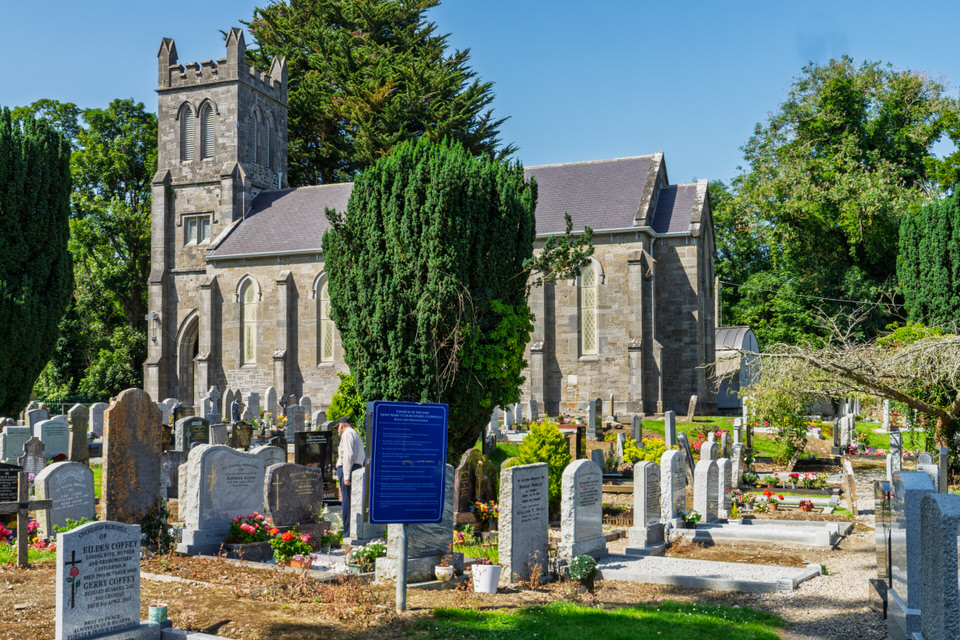
Photographed By William Murphy - Select Image To View Photographs
Select Image Below To Visit The Photo Gallery: Saint Marys Church In Clonsilla
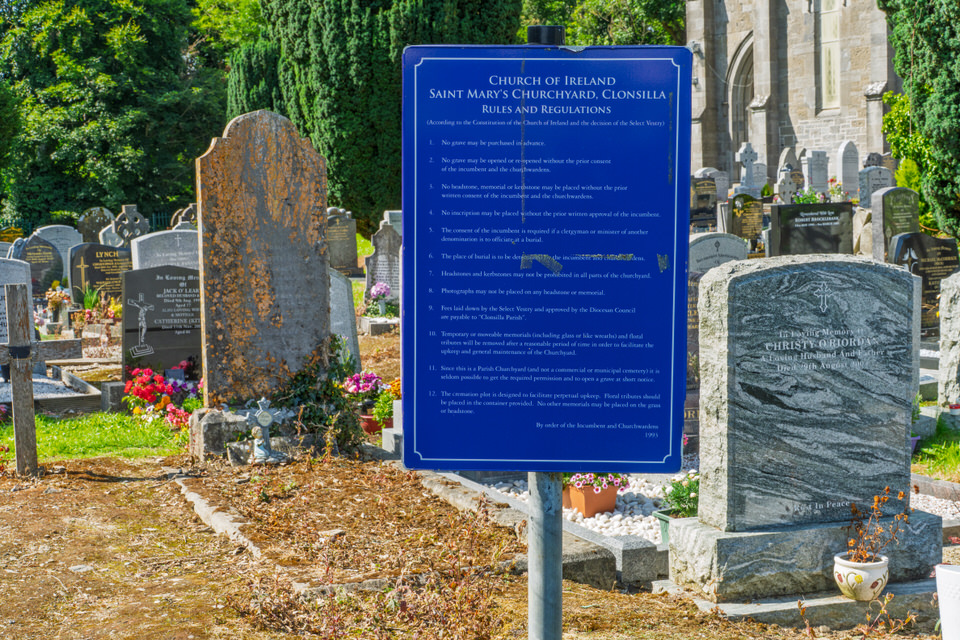
Back in 2021 I noticed extensive damage to old gravestones which is highly unusual for Irish graveyards, which are typically treated with a high degree of communal respect. Unfortunately, my observation from July 2021 aligns with a documented period of significant vandalism at St Mary’s.
The 2021 Vandalism Incidents
In the summer of 2021, St Mary’s Church and its graveyard were the targets of what local authorities and the parish described as "brazen" and "sustained" anti-social behaviour. The issues reported during that specific window included:
Defacement of Headstones: Multiple historic headstones were sprayed with graffiti. This caused particular distress because many of these stones are centuries old and made of porous limestone, which absorbs paint, making professional restoration both difficult and expensive.
Structural Damage: Beyond the graffiti, a section of the ancient surrounding stone wall was demolished, and a door to the church was also sprayed with tags.
External Factors: Local reports at the time suggested that the area between the church and the Porter’s Gate estate had become a frequent spot for illegal gatherings or "outdoor parties." This led to an increase in litter, the destruction of car park lighting, and the subsequent tagging of the monuments.
Is it a "Known Issue"?
While there isn't a long-standing historical "curse" or tradition of graffiti at the site, the church's location has made it vulnerable in recent years. It sits in a pocket of green space that is relatively secluded at night but close to growing residential hubs.
Following the 2021 incidents, there was a significant community outcry. The Clonsilla & Porterstown Heritage Society and the local Gardaí became more involved in monitoring the site. In Ireland, such acts are often viewed as "rural/suburban desecration" and usually lead to increased local surveillance.
Modern Status
The parish has worked hard to clean the site, though "ghosting" (faint outlines of paint) can sometimes still be seen on older stones. The presence of graffiti I saw was not a reflection of the church's importance, but rather a specific, unfortunate spike in local anti-social activity during the pandemic lockdowns when many secluded heritage sites across Ireland saw a temporary rise in similar issues.
St Mary’s Church of Ireland in Clonsilla, Dublin, is a fascinating site where ecclesiastical history, local folklore, and high-society scandal intersect. While the present building is a charming example of 19th-century architecture, the ground it stands upon has been a site of worship for over 1,500 years.
History and Architecture
The current church was built in 1845, replacing an earlier medieval structure. Its distinctive tower was added in 1850 during the tenure of Archbishop Richard Whately.
One of its unique features is its bell, which dates back to 1747. Interestingly, the church's bells were originally donated from St Werburgh’s Church in Dublin city centre. St Werburgh's tower had been forcibly lowered by the authorities at Dublin Castle, who feared it could be used by snipers or rebels to overlook the Castle’s courtyard—a testament to the volatile political climate of the era.
Notable Burials and Figures
The graveyard at St Mary’s serves as a "who’s who" of local and national Irish history, containing several notable interments:
The Luttrell Family: For 600 years, the Luttrells of Luttrellstown Castle were the dominant local force. Sir Thomas Luttrell, Solicitor General to Henry VIII, is buried here.
Henry Luttrell ("The Traitor"): Perhaps the most infamous resident, Henry was assassinated in 1717. He was so loathed for his perceived betrayal of the Jacobite cause that during the 1798 Rebellion, his grave was allegedly desecrated and his skull smashed by a local mob.
The White Family: In 1799, the wealthy bookseller Luke White purchased Luttrellstown Castle. The large, prominent White family mausoleum in the graveyard served as the architectural inspiration for the modern church hall nearby.
Judge William Wylie: A resident of Clonsilla House, Wylie is historically significant as the man who prosecuted the leaders of the 1916 Easter Rising. In a twist of local irony, Agnes Mallin, the widow of executed 1916 leader Michael Mallin, is also buried in the same graveyard.
The Shackletons: Members of the family of the famous Antarctic explorer Ernest Shackleton (who lived nearby at Beech Park) are interred here.
Intriguing Stories
The "Irish Crown Jewels" Mystery
In 1907, the Irish State Jewels (the Insignia of the Order of Saint Patrick) were stolen from Dublin Castle. In a bizarre turn of events, Sir Arthur Vickers, the Ulster King of Arms, followed the advice of a psychic medium who claimed the jewels were buried at St Mary’s Church in Clonsilla. Vickers conducted an extensive, albeit fruitless, search of the church grounds. To this day, local legends persist that the jewels remain hidden somewhere on the property.
The Clonsilla Poisoning
The graveyard also holds the remains of Captain William Hollwey Steeds. In 1887, his stables were the site of the "Clonsilla Poisoning," where 38 of his horses were targeted during the Land Wars. Thirteen of the animals died in what was a high-profile act of agrarian rebellion.
GALWAY CITY
CORK CITY AND COUNTY
GLOBAL MENU
DUBLIN SOUTHSIDE
DUBLIN NORTHSIDE
URBAN CARTOGRAPHER
EXCELLENT PICTURE THIS 2017
Saint Marys Church In Clonsilla - Presented By The Urban Cartographer
Who Is Building An Experience Which Is Getting Better Day By Day