Pearse Station St Patricks Day 2026 - Presented By The The Urban Cartographer
LET MISTER SCREEN ASSIST YOU
GLOBAL INDEXThe Urban Cartographer
TECHNICAL STUFFExplore the rich history of Pearse Station, formerly Westland Row. From its 1834 origins as the world’s first commuter line to its future under the DART+ expansion, discover why this Dublin landmark remains the city's busiest rail hub.
EXCELLENT PICTURE THIS 2017
Pearse Station St Patricks Day 2026 - Presented By The The Urban Cartographer
Pearse Station St Patricks Day 2026
Author: The Urban Cartographer
|
11. May 2026
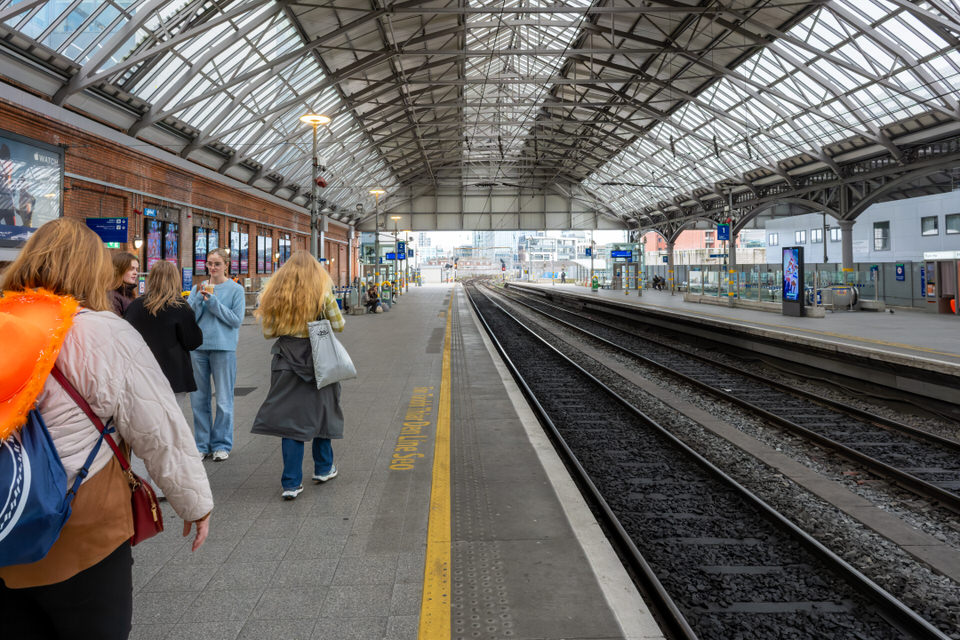
For over 190 years, the rhythmic clatter of trains has echoed through the arches of Westland Row. While the signage now reads Dublin Pearse, many local families—especially those who grew up in the shadow of Merrion Square—still hold fast to its original name: Westland Row Station. Stepping out of the station, you are immediately met by the imposing presence of St Andrew’s Church. For many, this corner of Dublin is a place of deep personal history; it is a site where life’s milestones, from baptisms to Sunday mornings, were soundtracked by the distant hiss of departing steam and the modern hum of the DART. A Pioneer of Rail Opened on 17 December 1834, Westland Row was the city terminus for the Dublin & Kingstown Railway, the first suburban railway in the world. It was a marvel of Victorian engineering, designed to connect the city centre with the burgeoning harbour at Kingstown (now Dún Laoghaire). In 1966, the station was renamed in honour of Patrick and Willie Pearse, leaders of the 1916 Rising who were born nearby on Great Brunswick Street (now Pearse Street). Despite the name change, the station’s Victorian character remains, most notably in its elevated platforms and the grand 1850s station house that still stands as a testament to the golden age of rail. Pearse Station Today Today, Pearse Station holds the title of Ireland’s busiest commuter station. It serves as the primary heartbeat for the city's Southside workforce and students at Trinity College. The station is a vital artery for: The DART: Connecting Malahide and Howth in the north to Bray and Greystones in the south. Commuter Services: Direct links to Northern/Dundalk lines and Western/Maynooth lines. Intercity Travel: Serving the scenic route down the coast to Rosslare Europort. The Future: DART+ The station isn't just a relic of the past; it is central to the future of Irish transport. Under the DART+ Coastal South programme, Pearse is set for significant infrastructure enhancements. These plans aim to: Increase Frequency: Boosting capacity from 6 to 12 trains per hour in each direction. Modernise Infrastructure: Recent works have already seen the installation of advanced lightning and surge protection systems to ensure the network can handle the increased electrical demand of a fully electrified fleet. Fleet Upgrades: The introduction of new battery-electric carriages will make travel through Pearse greener and quieter than ever before. Whether you are arriving for work or visiting the historic St Andrew’s Church, Pearse Station remains an enduring symbol of Dublin’s ability to move with the times while keeping its history firmly on the tracks. The shift to battery-electric technology is a clever bit of engineering designed to bypass a historic hurdle. As you noted, the rail network across the island uses a unique "Irish Gauge" (1600 mm or 5 ft 3 in), which is wider than the standard 1435 mm used in Great Britain and most of Europe. Because this bespoke network cannot simply "buy off the shelf" electrified trains, and because full overhead electrification of hundreds of miles of track is a multi-decade financial and logistical undertaking, these new carriages act as a technological bridge. How the "Stop-Gap" Works The new Alstom X'trapolis fleet (Class 90000) arriving for the DART+ programme uses a "hybrid" approach to power: Under the Wires: When travelling through Pearse Station or the existing DART core, the trains draw power from the 1,500V DC overhead lines via a pantograph. While doing this, they also top up their massive roof-mounted lithium-ion batteries. Off the Grid: Once the train reaches the end of the electrified wires (currently just north of Malahide), it doesn't have to stop. It simply drops the pantograph and switches to battery power, continuing for up to 80 km (50 miles) on a single charge. Fast Charging: To keep the cycle going, "fast-charging" stations—like the one recently installed in Drogheda—can fully replenish a train's battery in minutes while it sits at the platform, allowing it to make the return trip to the city without any overhead wires at all. Why This Matters for Pearse Station This technology effectively "pre-electrifies" the route long before the actual wires are hung. For a commuter boarding at Pearse, the benefits are immediate: Silence and Air Quality: These trains replace older diesel-powered commuter railcars. This means the deep, idling rumble of diesel engines under the station roof is replaced by a near-silent electric hum, significantly improving the environment for both passengers and the neighbouring Westland Row community. Sustainability: It allows the network to reach the goal of the All-Island Strategic Rail Review—decarbonising the fleet—without waiting for the entire 30 billion euro infrastructure plan to be completed. Cross-Border Potential: While the focus is currently on the Dublin commuter belt, this same "tri-mode" technology (Electricity/Battery/Diesel) is being planned for the Enterprise service to Belfast. This will allow trains to run silently and cleanly into both Dublin Connolly and the new Belfast Grand Central Station, regardless of which sections of the track have been modernised. By using the batteries as a "stop-gap," the railway is essentially decoupling the service from the infrastructure, ensuring that your grandmother’s "Westland Row" remains at the cutting edge of global transport history.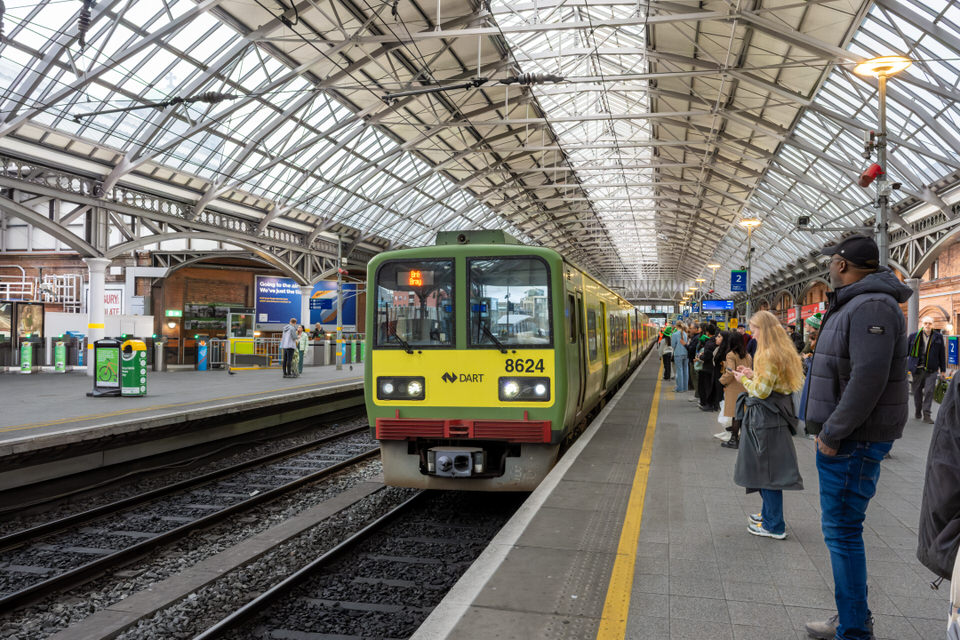 Pearse Station - Select Image To View Photographs
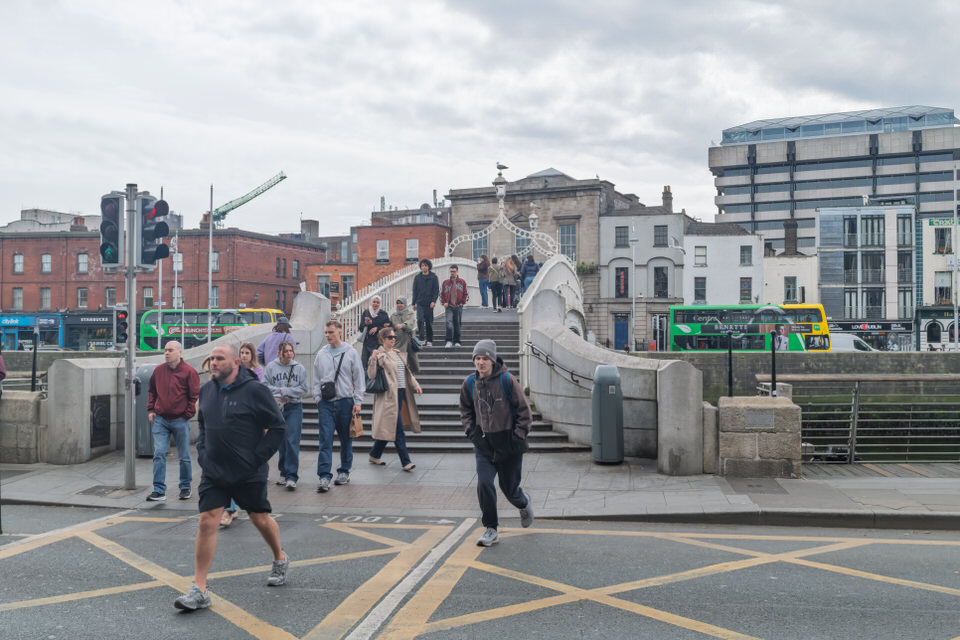 Liffey Street Area - Select Image To View Photographs
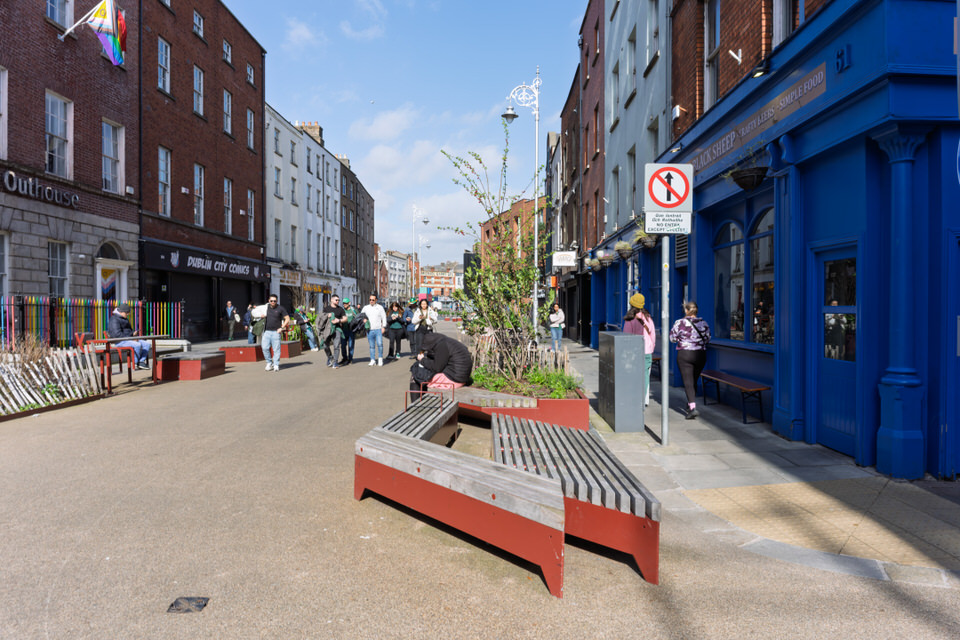 Capel Street - Select Image To View Photographs
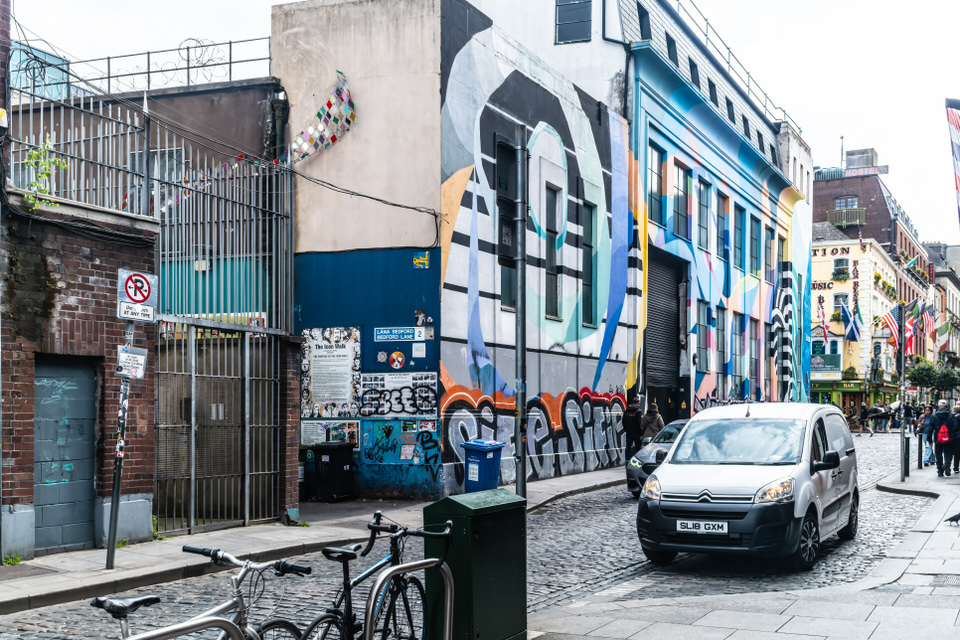 Temple Bar - Select Image To View Photographs
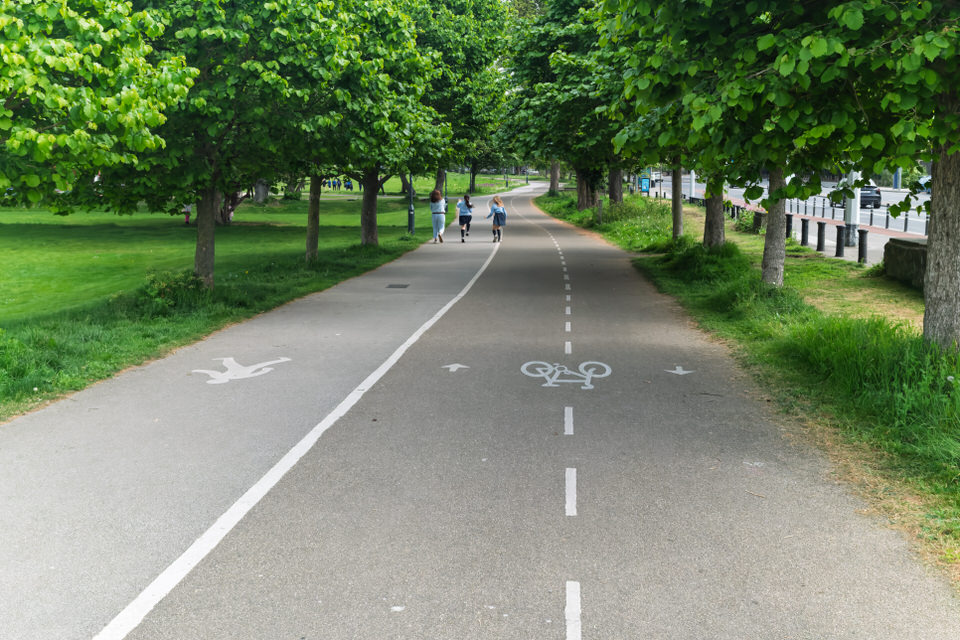 Blackrock Linear Park - Select Image To View Photographs
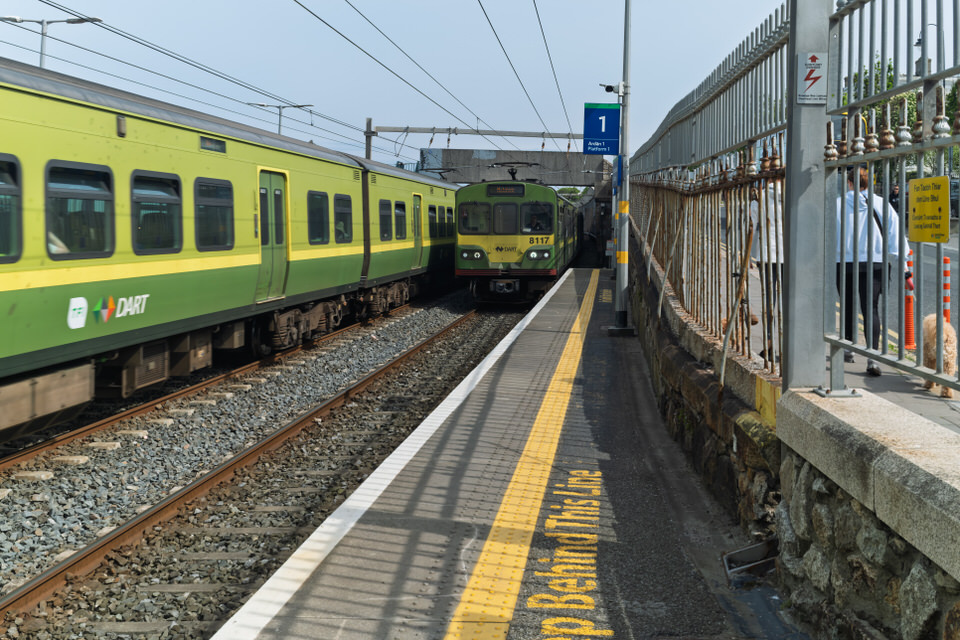 Blackrock Train Station - Select Image To View Photographs
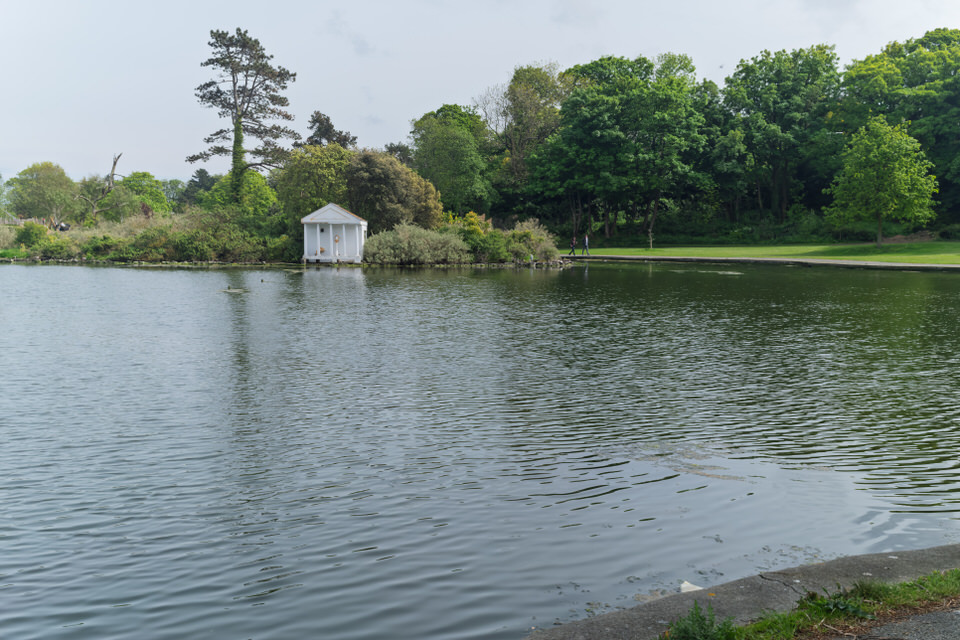 The Pond Area - Select Image To View Photographs
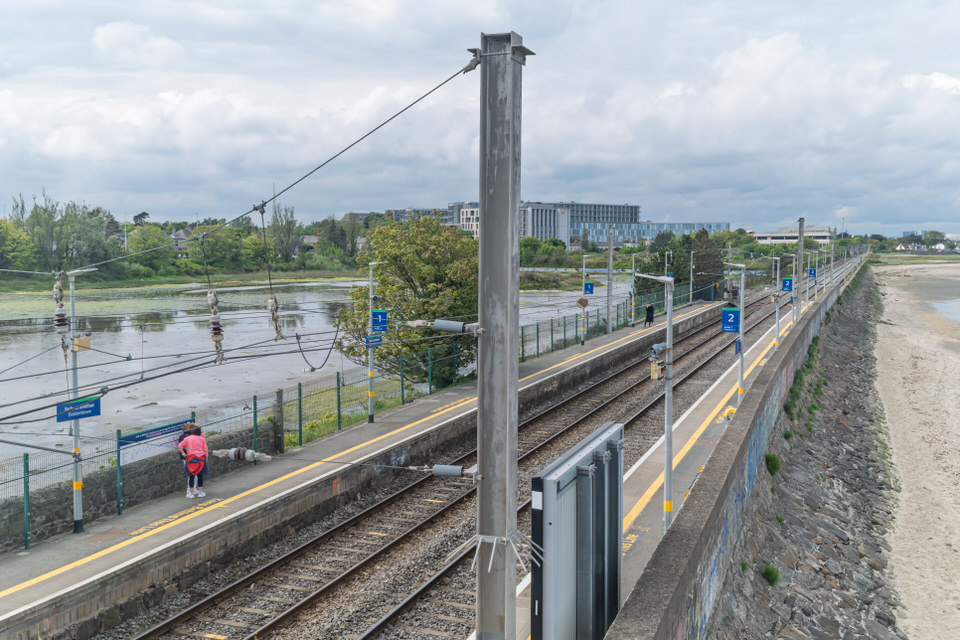 Booterstown - Select Image To View Photographs
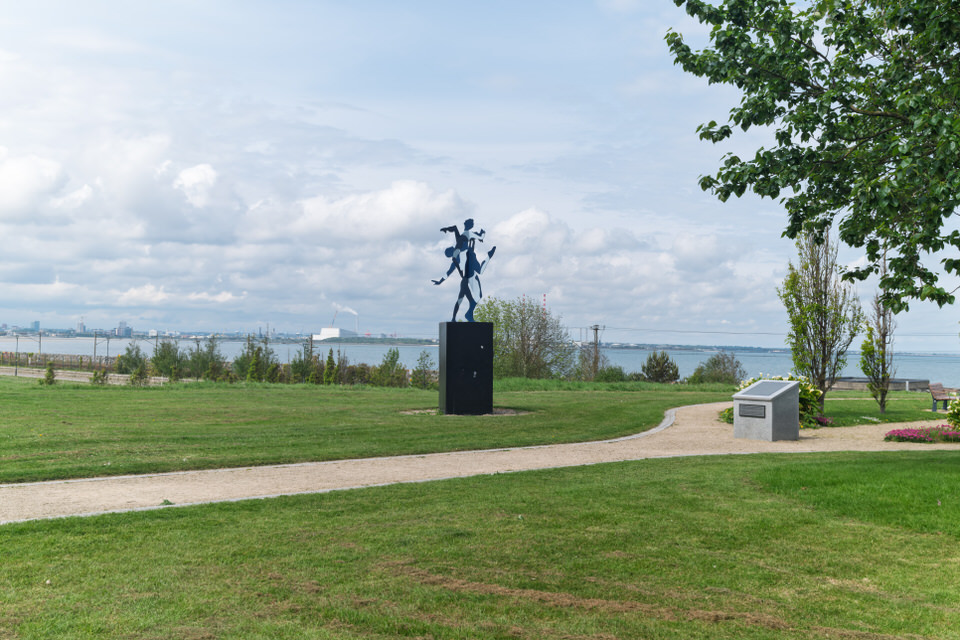 Cut Out People 2026 - Select Image To View Photographs
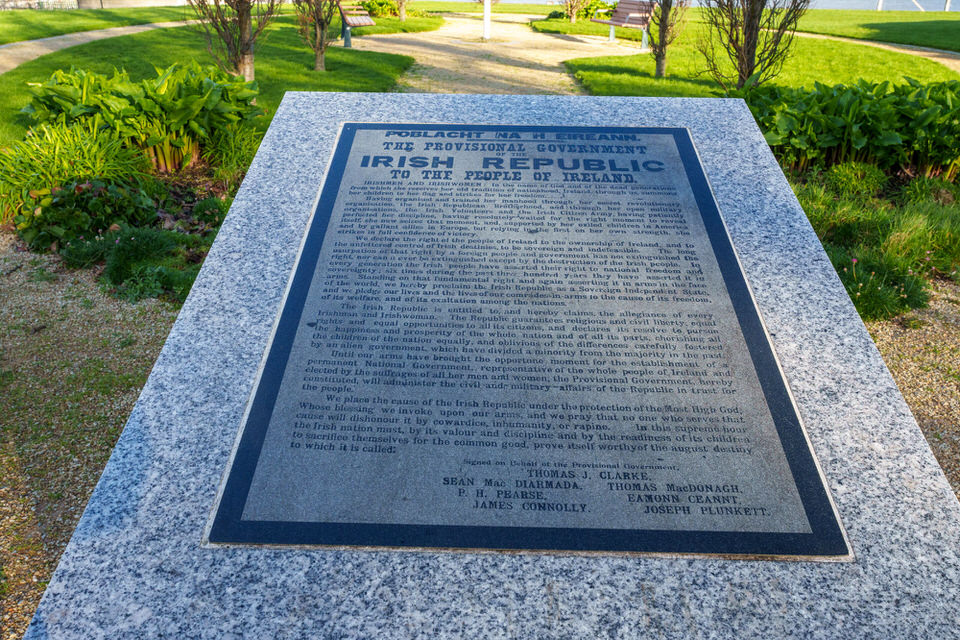 View The Sculpture - Select Image To View Photographs
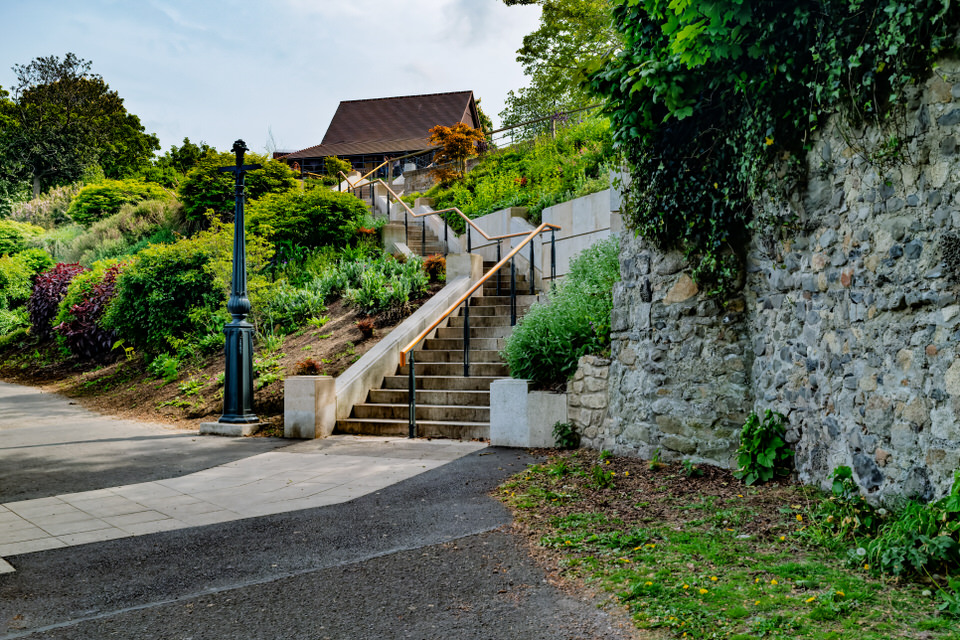 Mister Magpie Cafe - Select Image To View Photographs
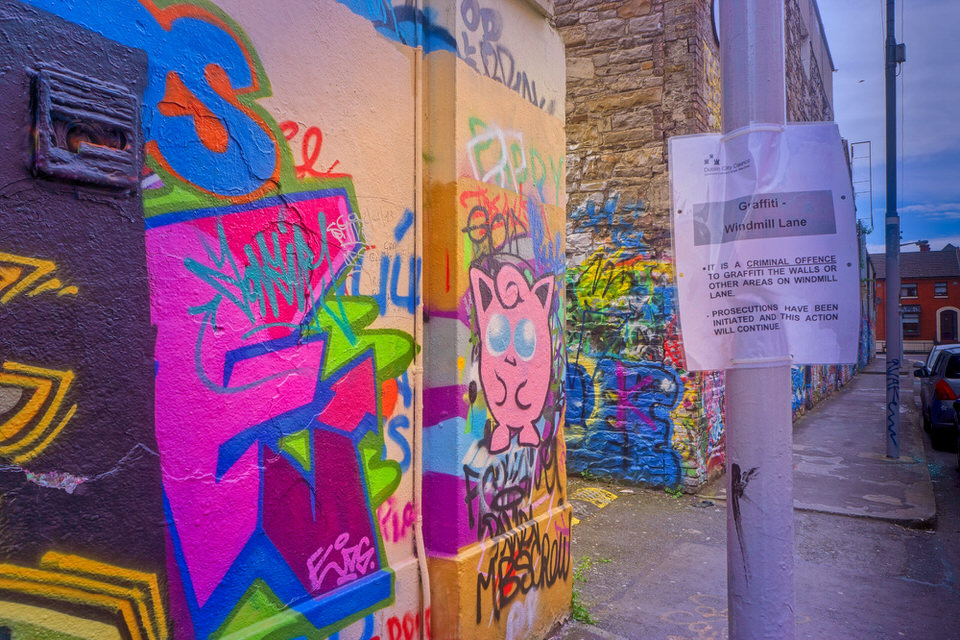 Graffiti Is Illegal In Ireland - Select Image To View Photographs
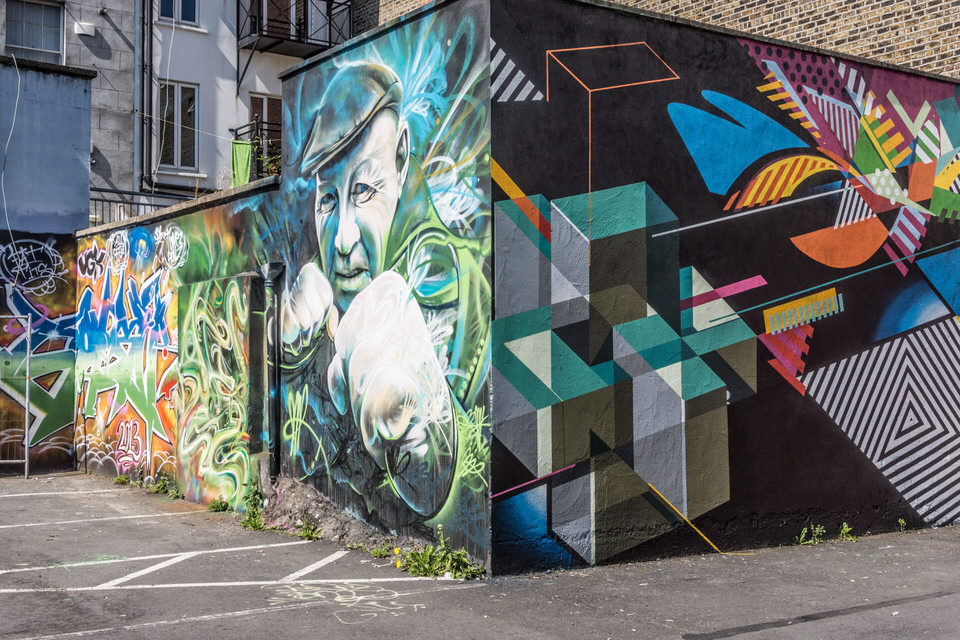 The Street Art - Select Image To View Photographs
 As It Was In 2016 - Select Image To View Photographs
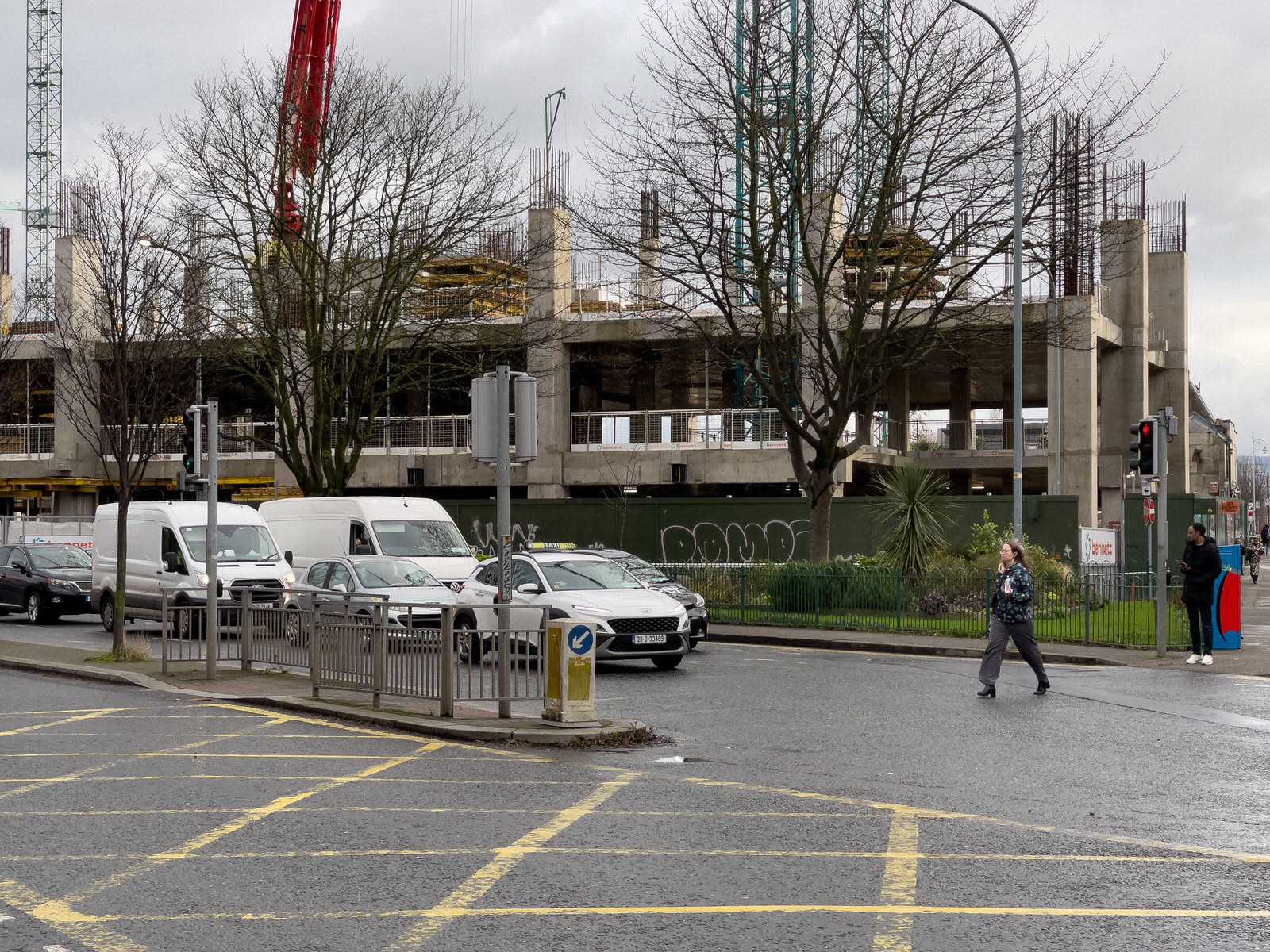 Camden Yard - Select Image To View Photographs
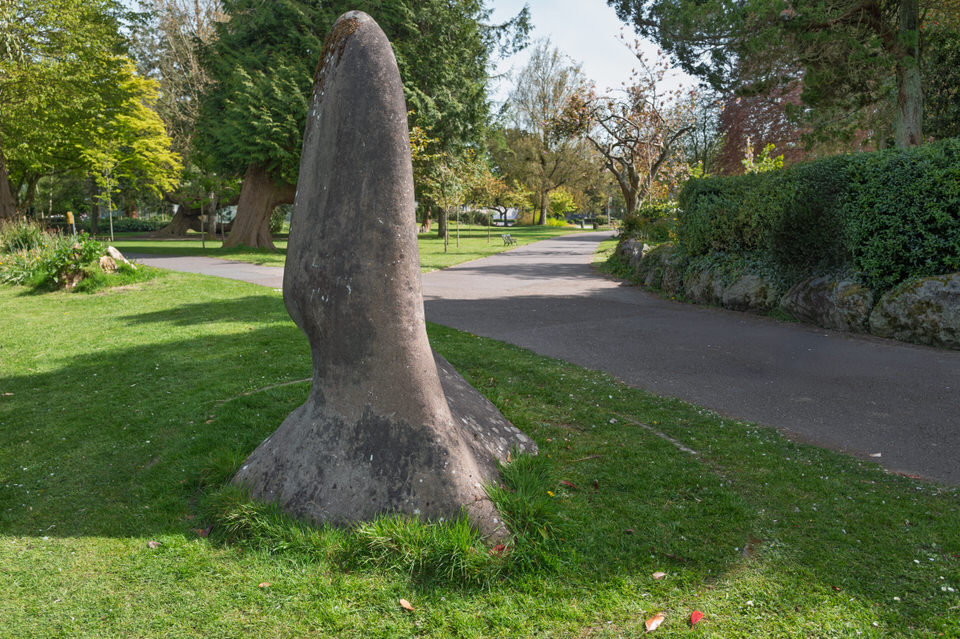 Abstract Sculptures - Select Image To View Photographs
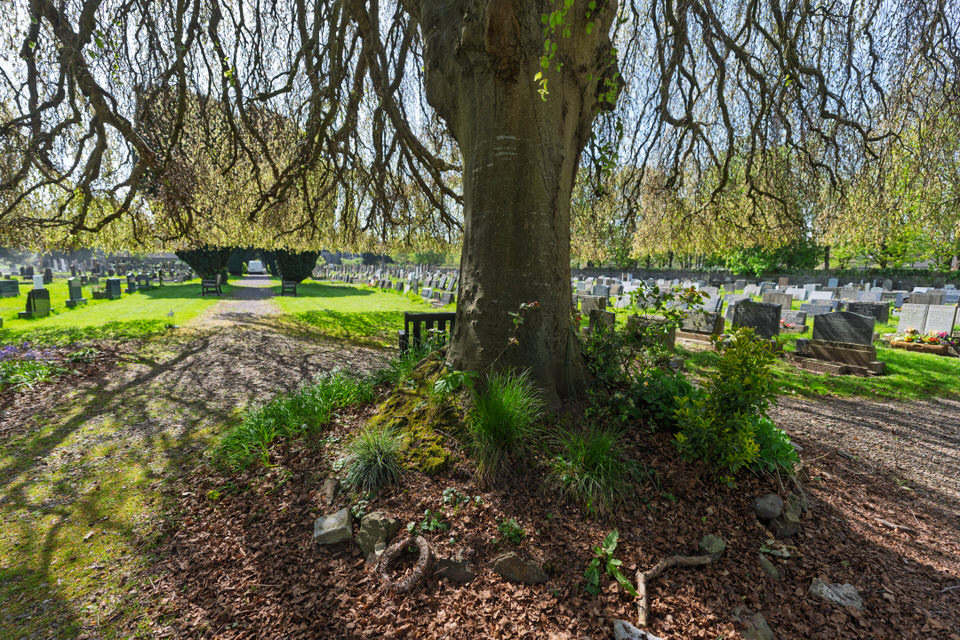 An Amazing Tree - Select Image To View Photographs
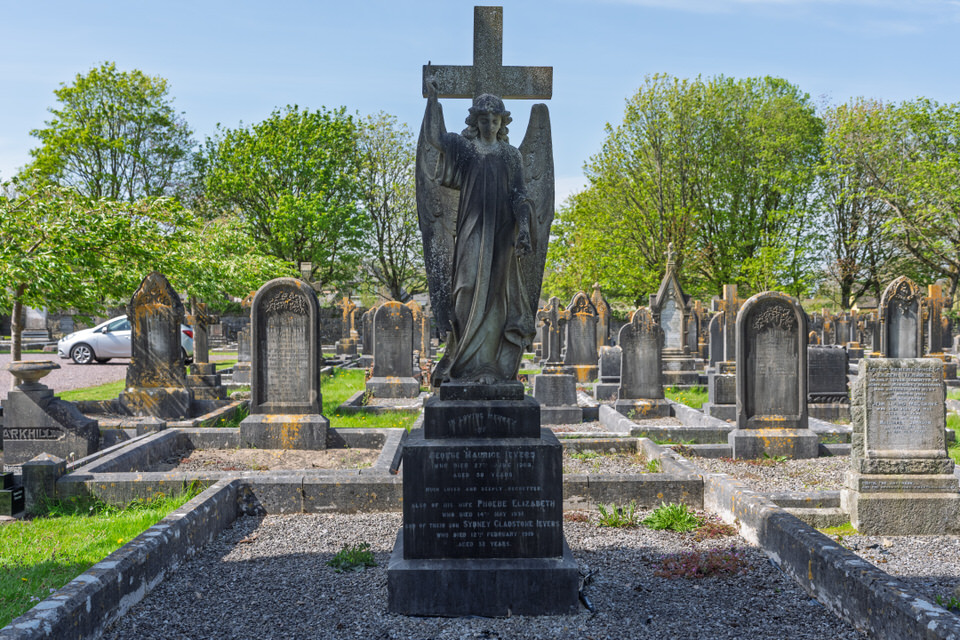 Old Churchyard - Select Image To View Photographs
VIEW HI-RES PHOTOGRAPHS
SONY A1 II
ABOUT PEARSE STATION
GLOBAL INDEX OF PHOTO GALLERIES
17 MARCH 2026 PHOTO CATALOGS
THE URBAN CARTOGRAPHER
EXCELLENT PICTURE THIS 2017
Pearse Station St Patricks Day 2026 - Presented By The The Urban Cartographer
Who Is Building An Experience Which Is Getting Better Day By Day