Paint The Box Full Moon At Christ Church - Presented By The The Urban Cartographer
LET MISTER SCREEN ASSIST YOU
GLOBAL INDEXThe Urban Cartographer
TECHNICAL STUFFDiscover the magic of 'Full Moon,' a vibrant new street art installation by Spanish artist Sara Maneiro Rey (Sarosky Studio). Located at the historic intersection of Winetavern Street and Cook Street in The Liberties, Dublin 8, this Dublin Canvas 'Paint-a-Box' piece brings a celestial glow to the heart of the medieval city. Explore the rich history of the Guild of Cooks and the ancient wine taverns of Christchurch while enjoying contemporary public art in one of Dublin’s most storied quarters.
EXCELLENT PICTURE THIS 2017
Paint The Box Full Moon At Christ Church - Presented By The The Urban Cartographer
Paint The Box Full Moon At Christ Church
Author: The Urban Cartographer
|
08. May 2026
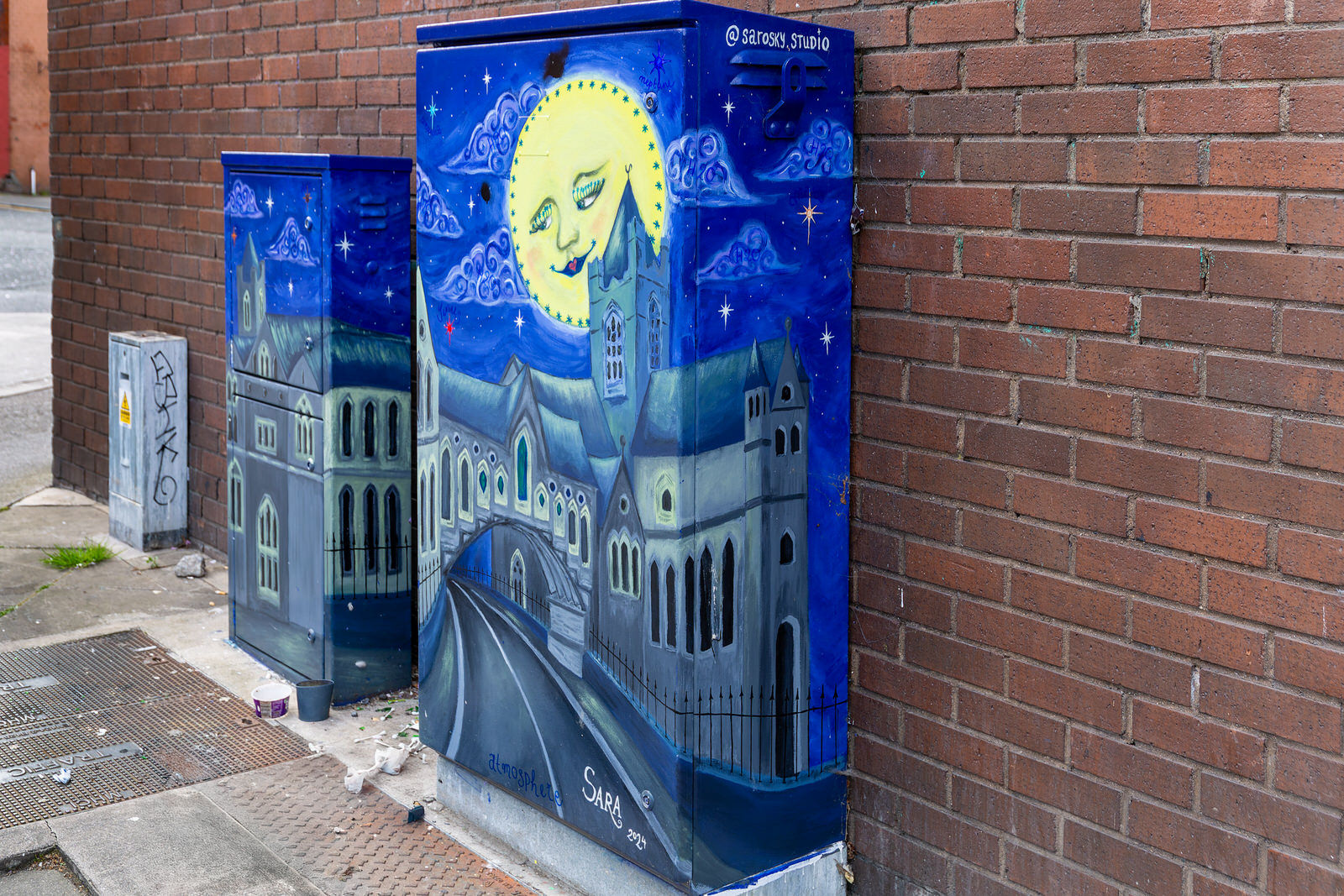
The artwork 'Full Moon' by Sara Maneiro Rey is a striking addition to Dublin’s urban landscape, specifically commissioned as part of the Dublin Canvas "Paint-a-Box" project. This initiative transforms functional utility boxes (traffic signal control boxes) into public canvases, bringing colour to the "grey" corners of the city. The Artist: Sara Maneiro Rey Sara Maneiro Rey is a Spanish artist and designer operating under the moniker Sarosky Studio. Her work often features a signature blend of magical realism, celestial themes, and vibrant, dreamlike palettes. Style: Her aesthetic typically involves bold, clean lines mixed with a deep, cosmic sense of wonder. The Piece: 'Full Moon' at Christ Church captures a luminous, mystical atmosphere. The positioning near the medieval cathedral adds a layer of juxtaposition—modern, ethereal street art sitting in the shadow of 1,000-year-old stone architecture. The Location: Winetavern Street & Cook Street Cook Street and Winetavern Strey represent two very different "flavours" of the historic city. In Dublin, it is common for a single continuous road to change names as it crosses an intersection (often reflecting the medieval "quarters" or guilds). Winetavern Street runs north-south, dropping down from High Street towards the River Liffey. Cook Street runs east-west, intersecting Winetavern Street right at the corner where the artwork is located. Because the "Paint-a-Box" unit sits exactly on this corner, it serves as a literal bridge between these two historic lanes. As the name suggests, this was the heart of Dublin’s wine trade from the 11th century. It was the "drinking man’s paradise," where sailors coming off the Liffey would head for refreshment. History: Archaeologists found thousands of tavern tokens and wine-jug fragments here. Claim to Fame: It was the site of the Great Gunpowder Explosion of 1597 and was once home to Rathbornes Candles, the world’s oldest candle company (founded in 1488). Just around the corner, the atmosphere shifted from wine to food. This was the headquarters of the Guild of Cooks. The "Fire Wall": The cooks and bakers were traditionally kept in this specific area because their constant use of ovens posed a massive fire risk to the timber-framed city. City Walls: This street still contains one of the best-preserved sections of the Old City Walls and St. Audoen’s Gate, the only surviving opening into the medieval city. A Geographical Curiositiy: The "Split" Street The location of the artwork at the intersection of Winetavern Street, Cook Street, and St. Michael’s Hill is more than just a busy corner; it is a fascinating "glitch" in Dublin’s street mapping. If you stand at this junction, you will notice a peculiar complication: the single stretch of road running alongside Christ Church Cathedral effectively has a split personality. On the western side, it is Winetavern Street, while the eastern side (adjacent to the Cathedral and the Synod Hall) is signed as St. Michael’s Hill. The Historical Seams: St. Michael’s Hill: Named after the ancient St. Michael’s Church (the tower of which remains as part of Dublinia), this side of the road represents the ecclesiastical and administrative peak of the medieval city. Winetavern Street: This side marks the start of the steep descent toward the River Liffey. In the 11th century, this was the commercial hub for wine importers and tavern keepers, serving as the "drinking quarter" of Viking and Norman Dublin. Cook Street: Perpendicular to this line, Cook Street was the domain of the Guild of Cooks. Bakers and cooks were clustered here behind the city walls to contain the ever-present risk of fire from their ovens. By placing ‘Full Moon’ at this precise intersection, Rey has marked a spot where Dublin’s layers of history overlap. The artwork sits at the threshold where the sacred (St. Michael’s Hill), the commercial (Winetavern Street), and the industrial (Cook Street) all converge under the silent gaze of the moon.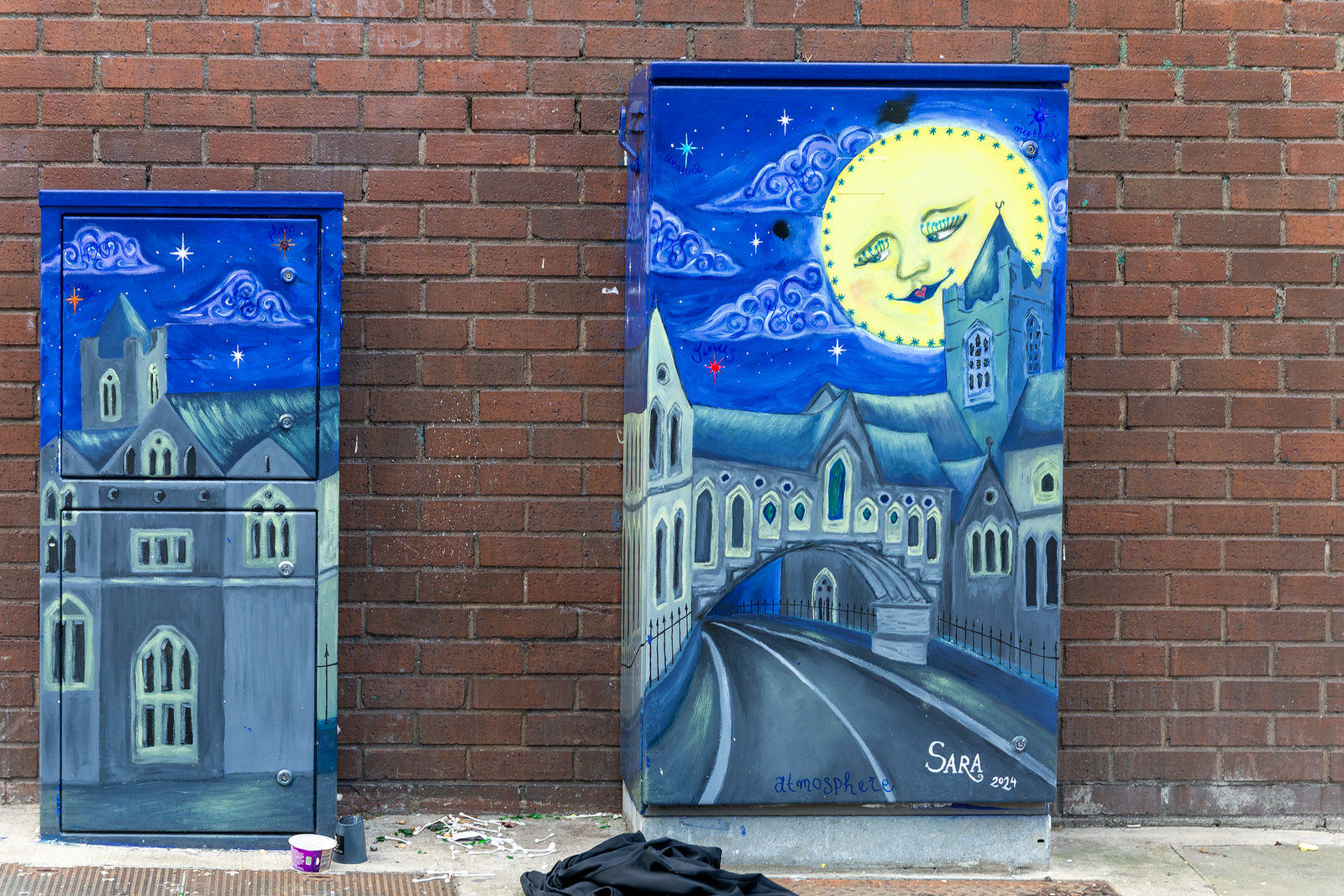 Examples Of Street Art - Select Image To View Photographs
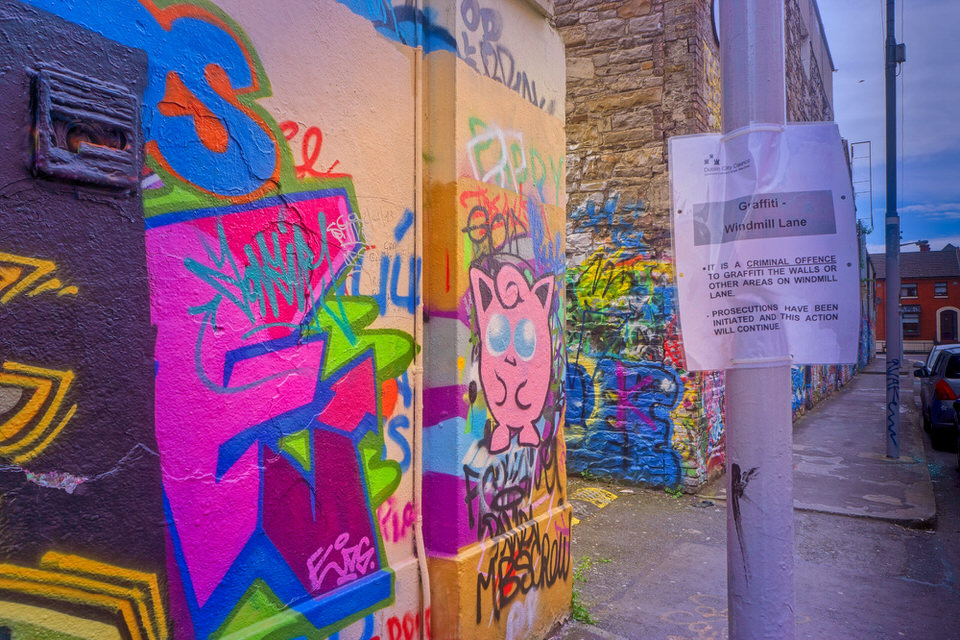 Graffiti Is Illegal In Ireland - Select Image To View Photographs
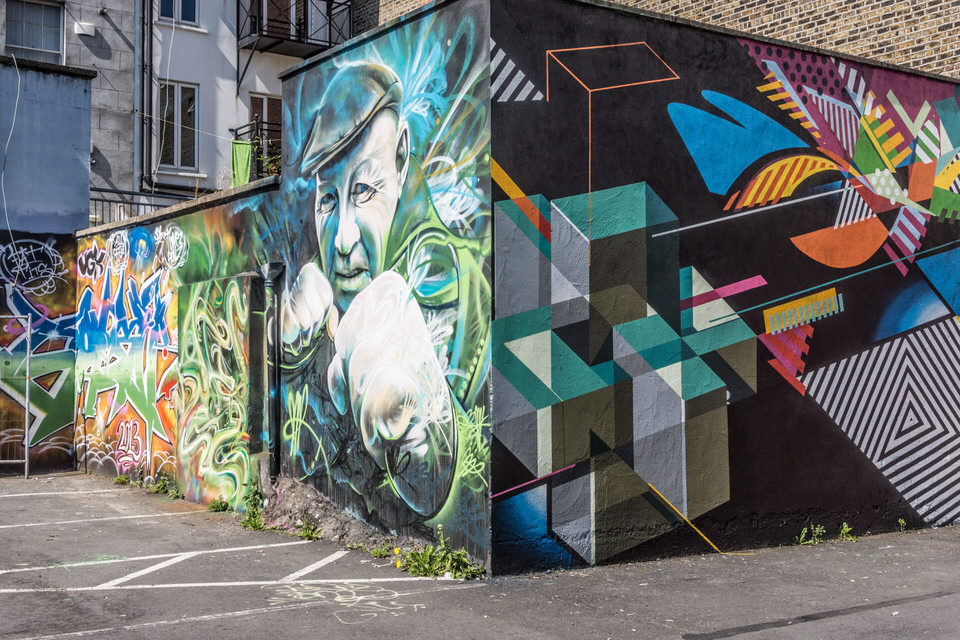 The Street Art - Select Image To View Photographs
 As It Was In 2016 - Select Image To View Photographs
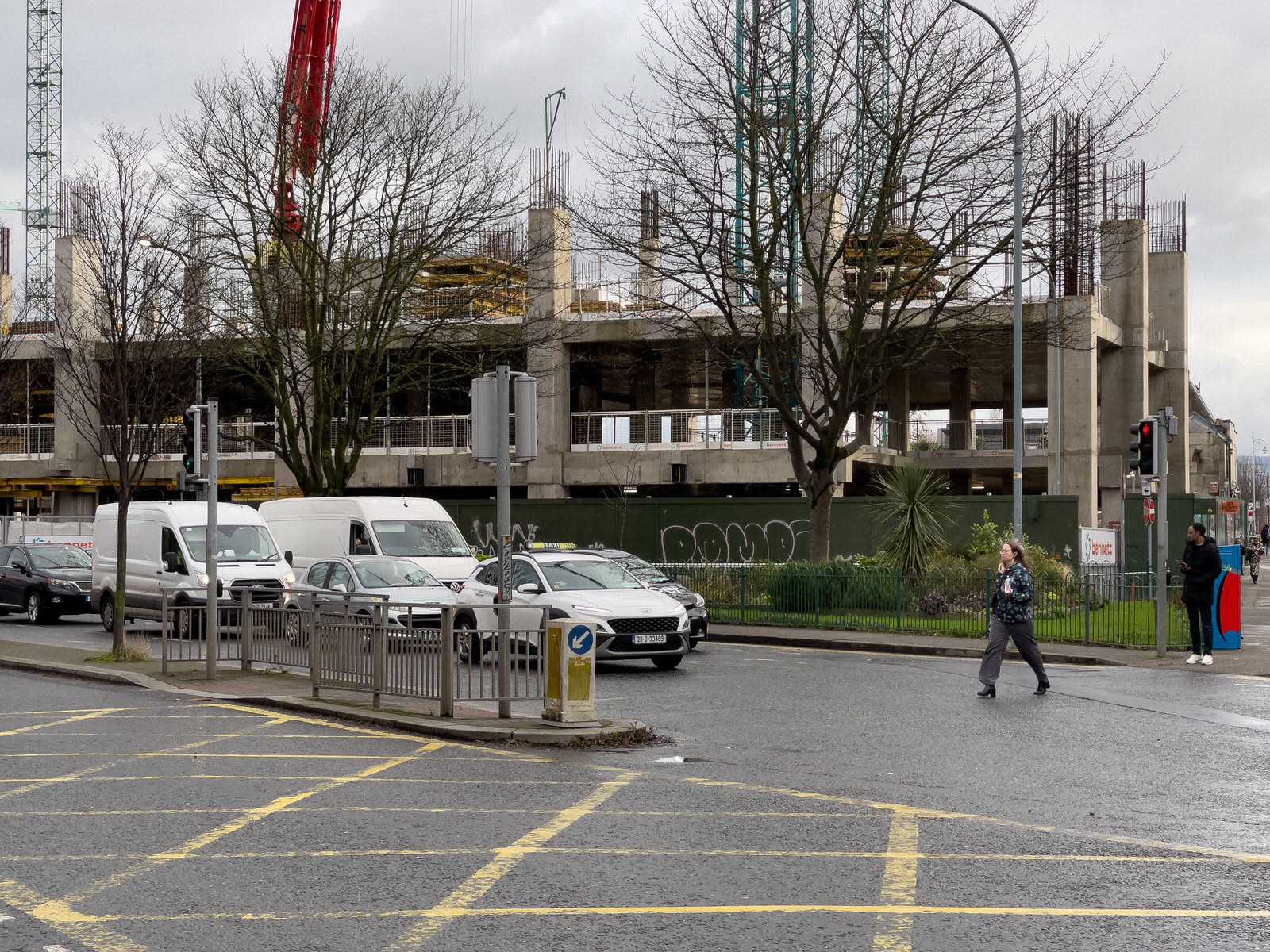 Camden Yard - Select Image To View Photographs
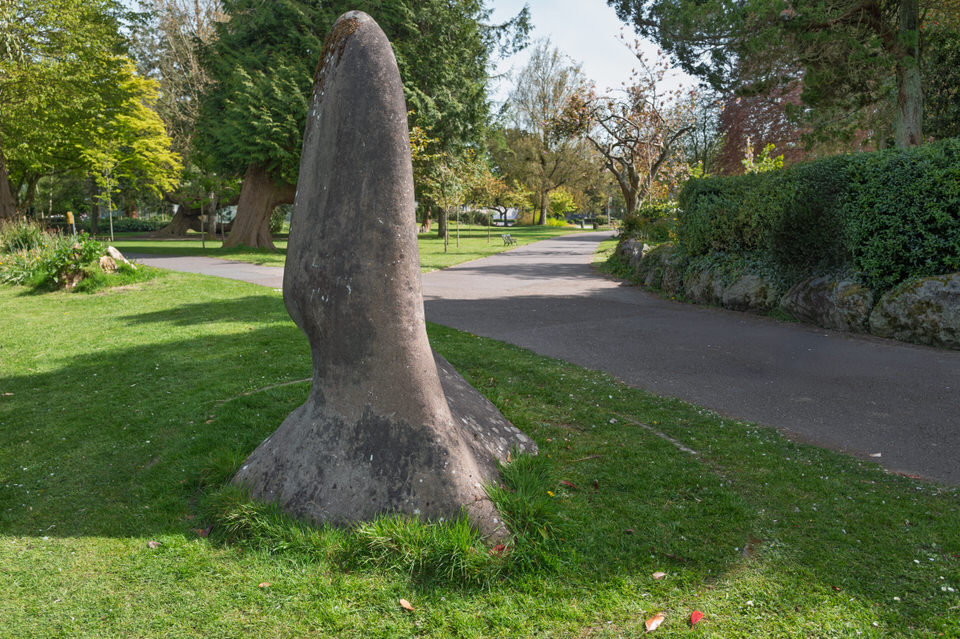 Abstract Sculptures - Select Image To View Photographs
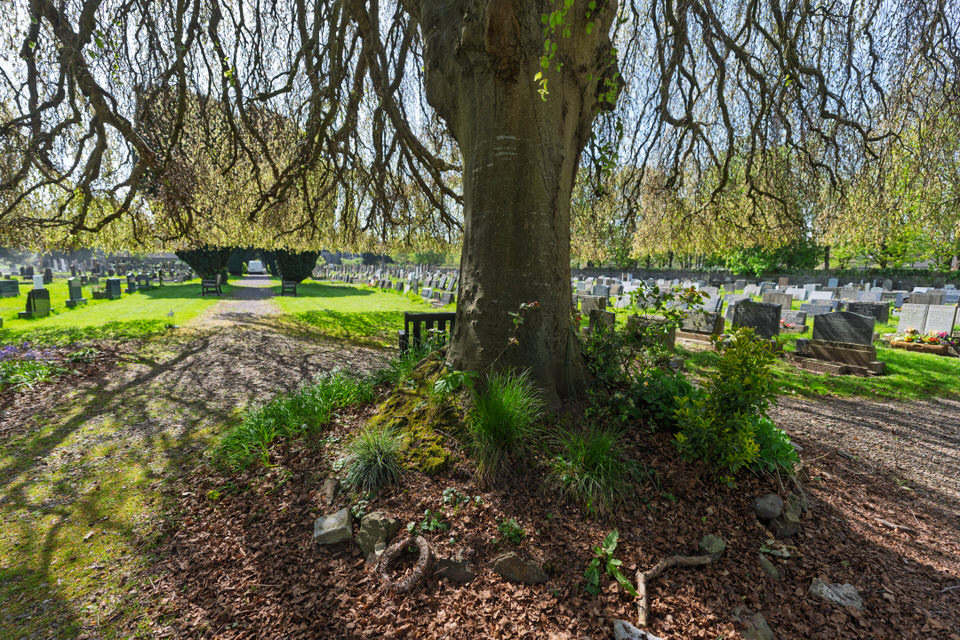 An Amazing Tree - Select Image To View Photographs
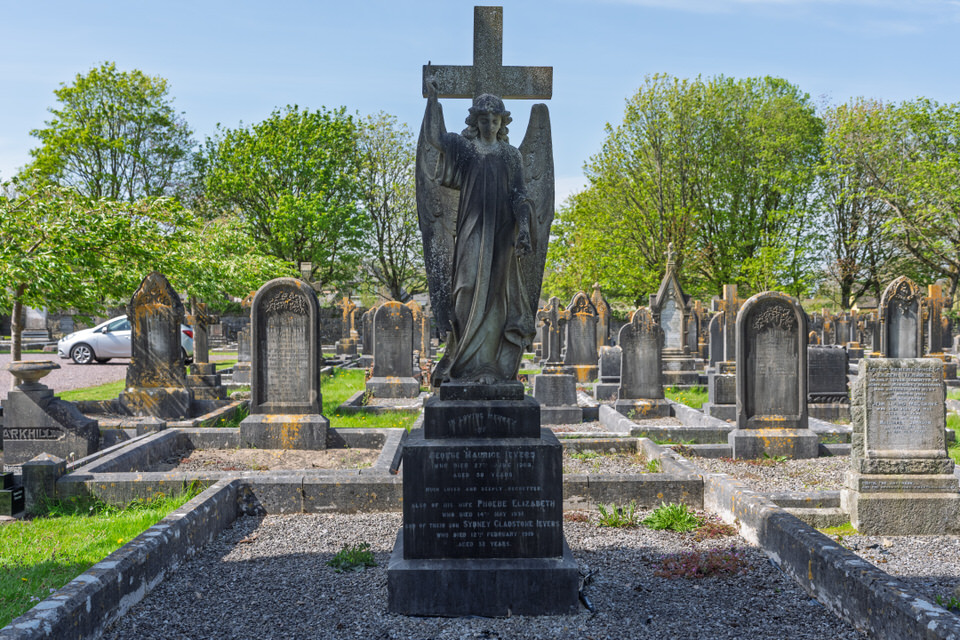 Old Churchyard - Select Image To View Photographs
VIEW HI-RES PHOTOGRAPHS
CANON 5D MkII PHOTO COLLECTION
ABOUT THIS EXAMPLE OF PAINT-A-BOX ART
GLOBAL INDEX OF PHOTO GALLERIES
URBAN EXPRESSION
THE URBAN CARTOGRAPHER
EXCELLENT PICTURE THIS 2017
Paint The Box Full Moon At Christ Church - Presented By The The Urban Cartographer
Who Is Building An Experience Which Is Getting Better Day By Day