Old Youghal Road August 2021 - Presented By The The Urban Cartographer
LET MISTER SCREEN ASSIST YOU
GLOBAL INDEXThe Urban Cartographer
TECHNICAL STUFFExplore the historic Old Youghal Road in Cork through this legacy photo essay from August 2021. Despite the challenges of Covid-19 restrictions and equipment mishaps, these reprocessed images capture the rugged character of one of Cork's most significant military and residential thoroughfares. Discover the history of Collins Barracks, the legacy of Michael Collins, and the atmospheric climb from St. Patrick's Hill to the heart of the city’s northern ridges,
EXCELLENT PICTURE THIS 2017
Old Youghal Road August 2021 - Presented By The The Urban Cartographer
Old Youghal Road August 2021
Author: The Urban Cartographer
|
02. May 2026
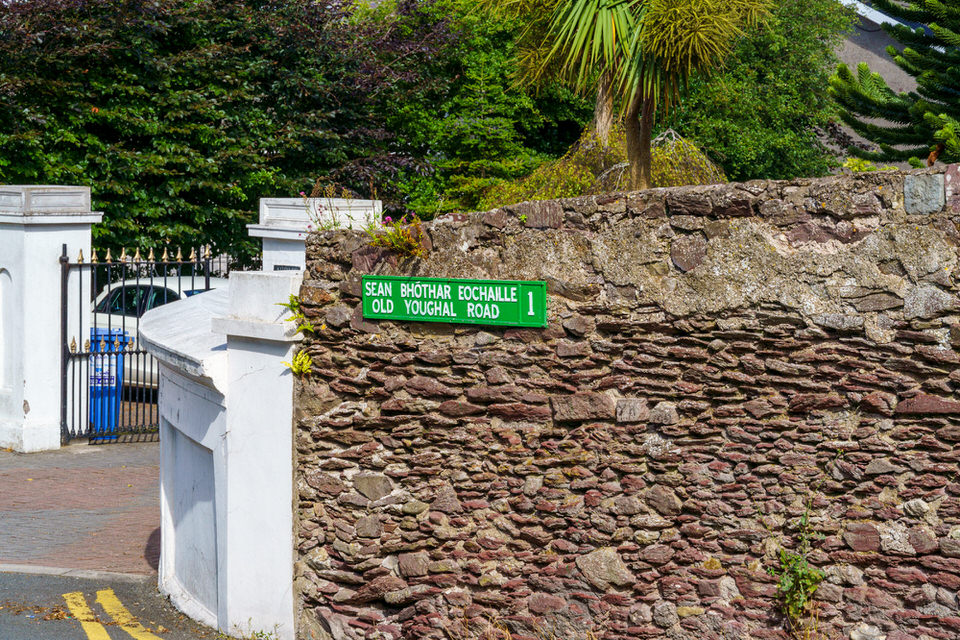
Back in August 2021 my 70-200mm lens detached from the camera body as I was getting off the bus and hit the floor of the bus before falling onto the street. Also the sensor decide to attract as much dust as possible. It and the camera did not perform at their best for the rest of the day so many of my photographs were substandard and unusable which was a pity as I have been unable to revisit many of the places that I had explored in August 2021. However, I have managed to reprocess many images to the extent that I can now publish them but some may appear over-processed or a bit strange. Now in 2026 I use the Sony FE 70-200mm f/4 G OSS II. The Old Youghal Road: A Gateway Through Time The Old Youghal Road is more than just a thoroughfare; it is a geographic scar that tells the story of Cork’s expansion. Unlike the modern N25, which bypasses the city's steep topography, this road represents the traditional route out of the "Rebel City" toward the east. Historical Significance Military Nerve Centre: The presence of Collins Barracks (formerly Victoria Barracks, completed in 1806) defines the road’s character. For over two centuries, this has been a site of immense political transition. It was the British military headquarters during the War of Independence and was handed over to General Michael Collins and the Irish Free State in 1922. The Steep Ascent: The road is famous for its elevation. By following the route I took described—climbing the iconic St. Patrick’s Hill—one transitions from the Victorian commercial heart of the city to the working-class residential heights of Montenotte and Dillon’s Cross. Architectural Texture: The road is lined with a mixture of modest terraced housing, old limestone walls, and institutional buildings that reflect the 19th-century "upward" growth of the city as the marshlands of the centre became overcrowded. Is it Unique? Yes, primarily because of its dual identity. It serves as a living museum of military history while remaining a vital, bustling residential artery. Standing on the Old Youghal Road, one can feel the shift from the colonial "Garrison Town" atmosphere of the barracks to the modern, resilient spirit of North Cork. It captures the literal and metaphorical "climb" of the city. My Camera And Lens The lens that I damaged was later replaced by Sony FE 70-200mm f/4 G OSS II and I prefer it. Many photographers share my preference, particularly those who value portability and versatility over the raw low-light power of an f/2.8 aperture. When comparing my current Sony FE 70-200mm f/4 G OSS II to the original Sony FE 70-200mm f/2.8 GM I used in 2021, the consensus is that the newer f/4 lens is a more refined tool for street and travel photography. The "G II" version I use now was released in 2023 and introduced several "game-changing" features that weren't available in the older GM lens. Most notably, users praise its half-macro (0.5x) capability, which allows you to capture fine details of historical artefacts or architecture that the older lens simply couldn't focus on. Furthermore, because it is nearly 50% lighter than the original f/2.8 GM, it is far better suited for the long walking tours of places like the Old Youghal Road. Key Comparison: Why the f/4 G II often beats the original GM Weight & Balance: The original f/2.8 GM is a "heavyweight" at nearly 1.5kg. Walking all day with that gear (especially if you had to walk everywhere as I did in 2021) is physically taxing. The current f/4 lens weighs only 794g, making it a much better companion for handheld street photography. Sharper Modern Optics: Reviewers often note that while the original GM was a flagship, its age shows. The newer f/4 G II features updated glass that often rivals or exceeds the first-generation GM in edge-to-edge sharpness, especially on high-resolution modern camera bodies. The "Macro" Advantage: The ability to focus just 26cm away at the 70mm end is a feature that has won over many landscape and travel photographers, as it eliminates the need to carry a separate macro lens. And Now The Teleconverters. When I purchased the original 70-200 GM lens I also purchased two Sony Teleconverters. At best they were disappointing and in reality the X2 version was unusable even on a tripod. The difference in performance between using teleconverters on the original 70-200mm GM versus the new f/4 G II is a well-documented technical reality. The original 70-200mm f/2.8 GM (Version 1) was released in 2016. While it was a flagship, its older optical design and focus motors struggled to maintain sharpness and speed when the 2.0x Teleconverter was added. The extra glass in the teleconverter often amplified the lens's existing minor aberrations, leading to the "unusable" soft results that I experienced. Why they work "perfectly" now The Sony FE 70-200mm f/4 G OSS II was engineered specifically with these converters in mind. Here is why I am seeing a dramatic improvement: Modern Optics: The G II uses significantly newer glass elements (Advanced Aspherical and ED glass) that are much "sharper" than the 2016 GM. This higher resolution means the lens has "detail to spare," so even when a teleconverter magnifies the image, it stays crisp. XD Linear Motors: Your new lens features four XD (Extreme Dynamic) Linear Motors. These are much more powerful than the older motors in the original GM. They can handle the extra work of focusing through a teleconverter without the "hunting" or sluggishness you likely saw in 2021. The "Macro" Bonus: A unique benefit of this specific pairing is that the teleconverters actually improve macro capabilities. With the 2.0x TC, the lens becomes a 140-400mm f/8 with a 1:1 Life-Size Macro magnification. This effectively turns my telephoto lens into a dedicated macro lens for the first time. Teleconverter Options for the f/4 G II Sony 1.4x Teleconverter (SEL14TC): Many users consider this the "sweet spot." It gives a 98-280mm f/5.6 setup with almost zero noticeable loss in autofocus speed or image quality. Sony 2.0x Teleconverter (SEL20TC): While this was disappointing on my old lens, on the f/4 G II it provides a massive 400mm reach. It does drop maximum aperture to f/8, so it performs best in the bright daylight you might find during an afternoon walk in Cork. It seems I have finally unlocked the full potential of those teleconverters by pairing them with a lens designed for the 2020s rather than the 2010s!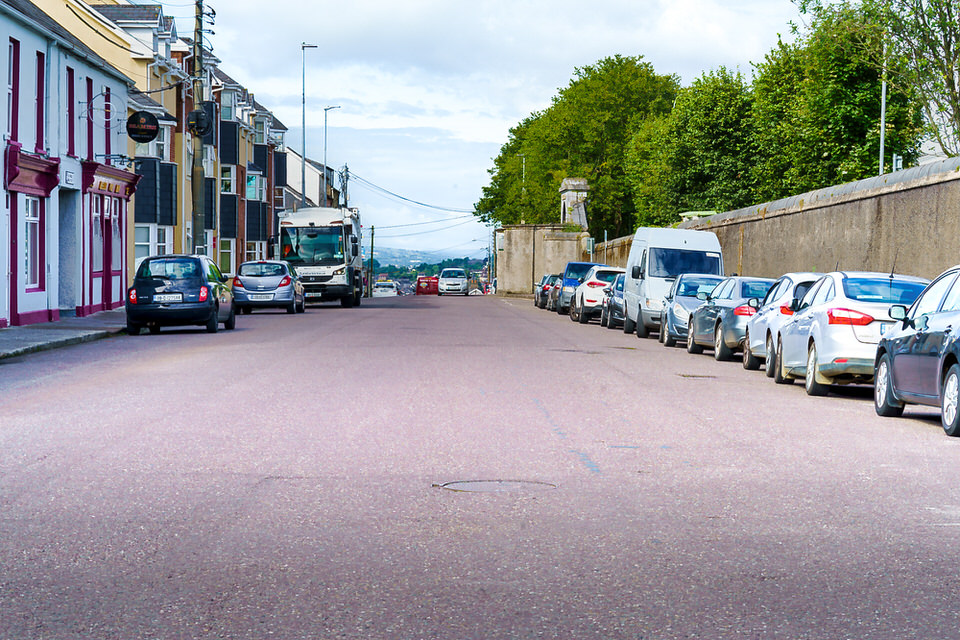 Old Youghal Road - Select Image To View Photographs
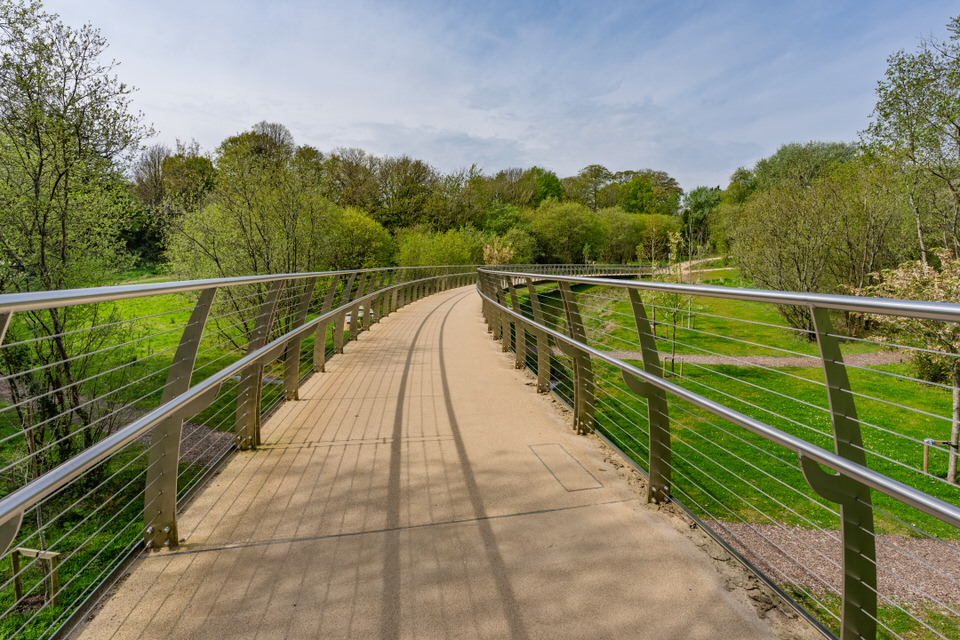 Elevated Walkway - Select Image To View Photographs
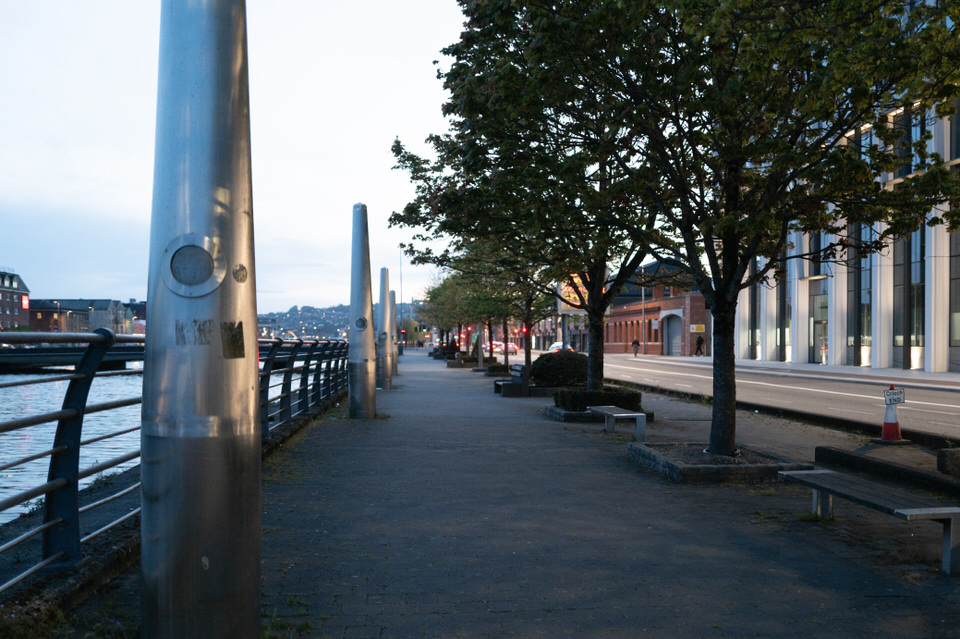 The Art And Arist - Select Image To View Photographs
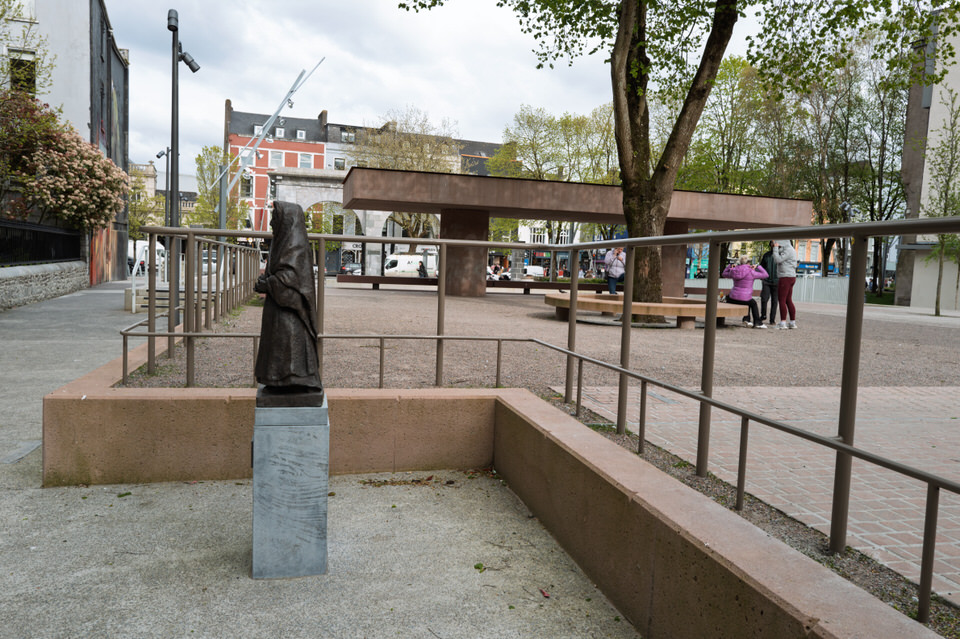 Onion Seller - Select Image To View Photographs
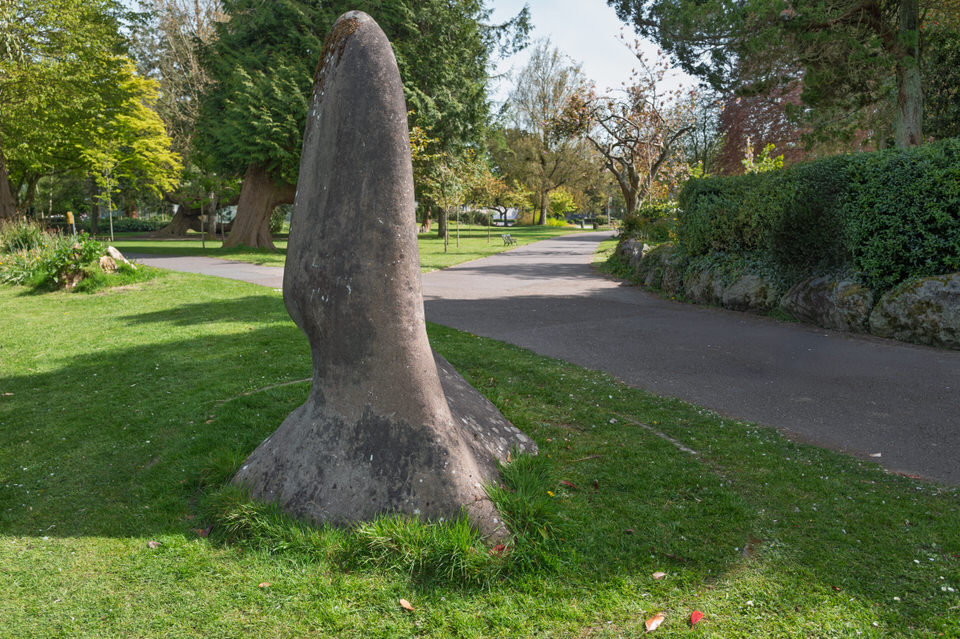 Abstract Sculptures - Select Image To View Photographs
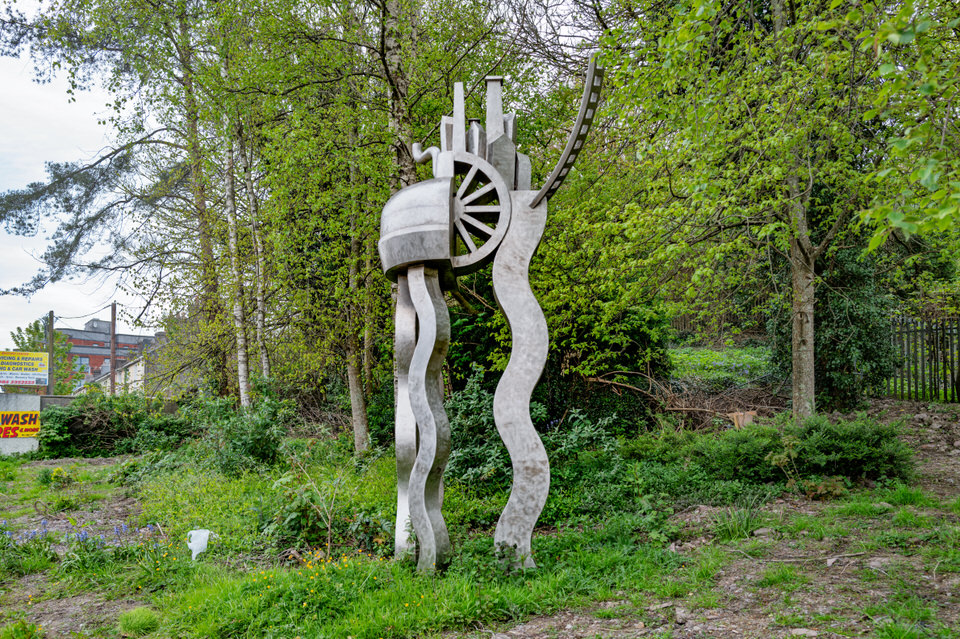 Lost Industries Sculpture - Select Image To View Photographs
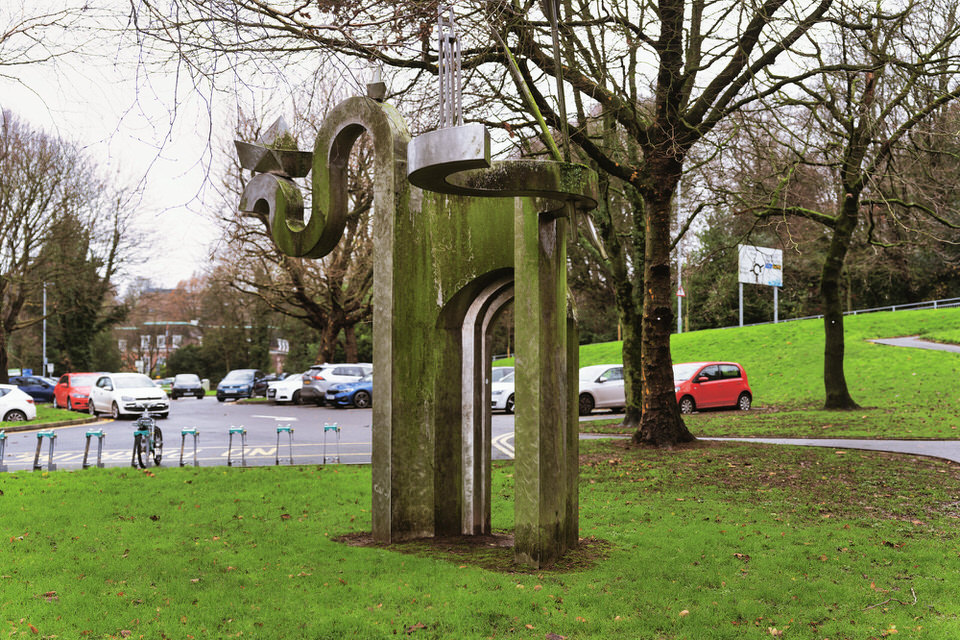 By Denis O'Connor - Select Image To View Photographs
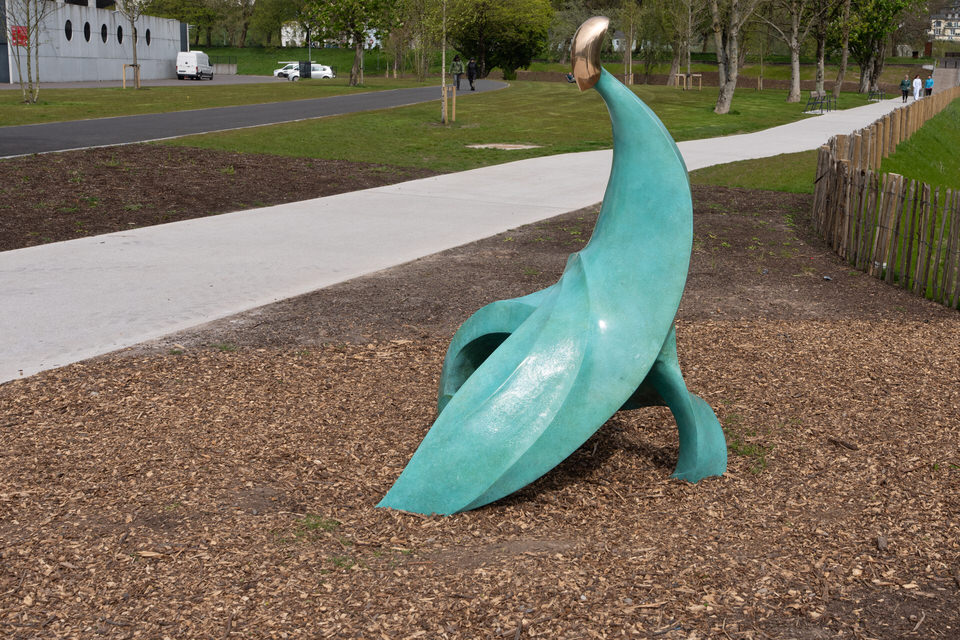 By Sandra Bell - Select Image To View Photographs
VIEW HI-RES PHOTOGRAPHS
CORK CITY AND COUNTY 2026
ABOUT THE OLD YOUGHAL ROAD
GLOBAL INDEX OF PHOTO GALLERIES
THE LEE FIELDS IN CORK
THE URBAN CARTOGRAPHER
EXCELLENT PICTURE THIS 2017
Old Youghal Road August 2021 - Presented By The The Urban Cartographer
Who Is Building An Experience Which Is Getting Better Day By Day