O'Devaney Gardens - A Skyline Transformed - Presented By The
LET MISTER SCREEN ASSIST YOU
GLOBAL INDEXThe Urban Cartographer
TECHNICAL STUFFA review of the transformation of O'Devaney Gardens in Dublin 7, documenting the shift from a 1950s social housing complex to a massive high-rise development. This article explores the history of anti-social issues in the area, the controversial Bartra Capital redevelopment, and the visual distortion of the historic village fabric at Thor Place. It further analyses the cumulative impact of the TU Dublin Grangegorman campus on the infrastructure and demographics of Stoneybatter and Arbour Hill.
EXCELLENT PICTURE THIS 2017
O'Devaney Gardens - A Skyline Transformed - Presented By The
O'Devaney Gardens - A Skyline Transformed
Author:
|
14. Jan 2026
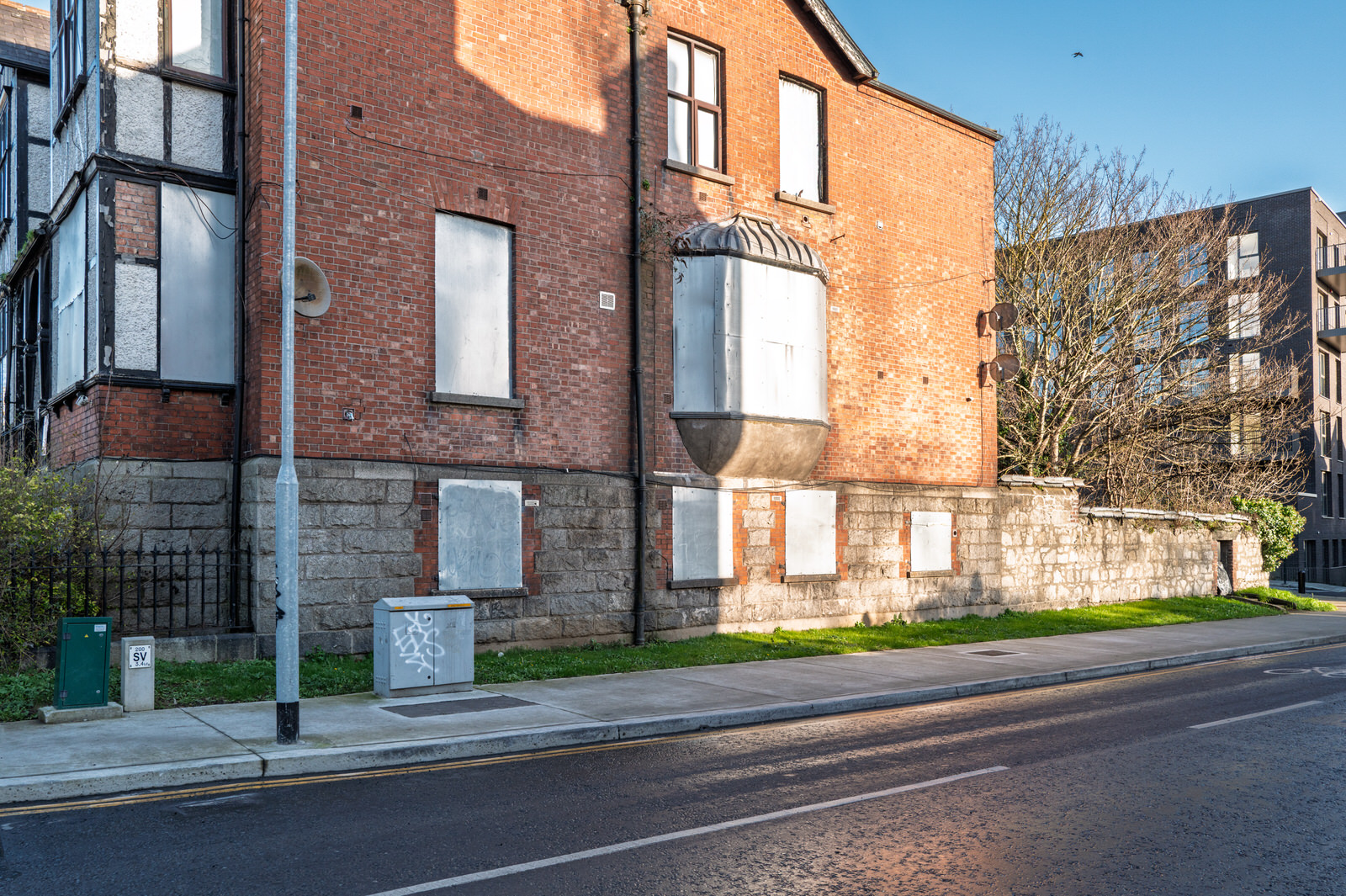
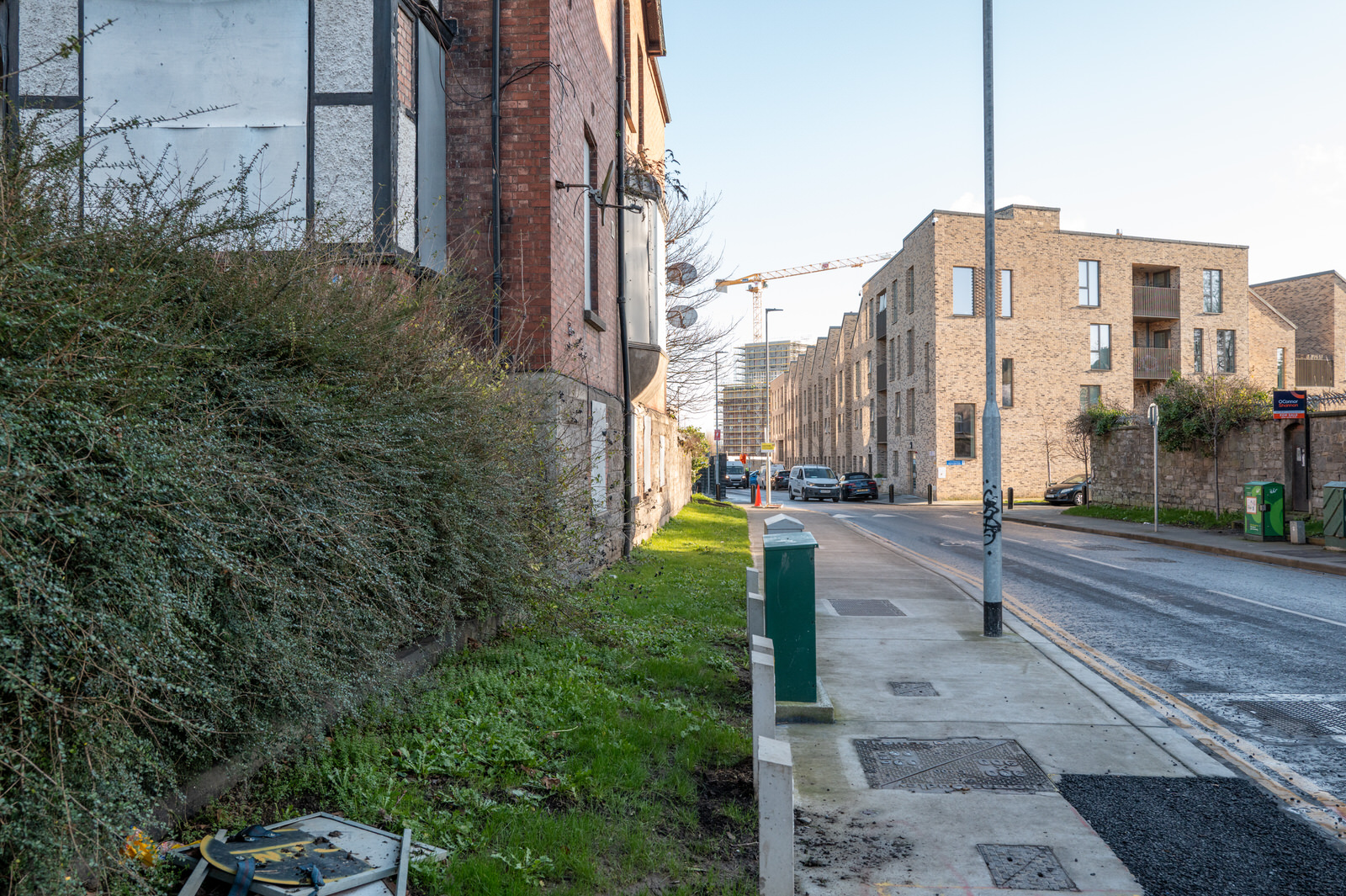
Photographed By William Murphy It has been approximately a year since the site of O'Devaney Gardens was last documented by myself, a period that has seen the area shift from a derelict "no-go" zone to one of the most significant—and imposing—construction sites in Dublin City. For decades, this area was avoided by outsiders due to safety concerns, a reputation forged in the difficult years following its decline. Today, however, the danger of isolation has been replaced by the dominance of development. My recent photography reveals the sheer scale of the new construction, capturing a skyline that now looms heavily over the historic streets of Stoneybatter and Arbour Hill. From Modern Promise to Margins: A History Constructed in the 1950s, the original O'Devaney Gardens complex consisted of 278 flats across 13 four-storey blocks. Like many mid-century social housing projects, it was initially hailed as a modern solution to the tenement crisis. However, over the decades, poor maintenance and isolationist urban design took their toll. By the 1980s and 1990s, the estate had become synonymous with severe anti-social behaviour. Despite being located just 1km from the city centre, the complex functioned as an island, cut off from the commercial life of Stoneybatter. It became a hub for joyriding and drug distribution, and in its final years, was tragically linked to the Hutch-Kinahan feud. This reputation for criminality led to a withdrawal of services; taxi drivers and public transport frequently refused to enter the estate, deepening the isolation of the law-abiding residents who remained. The Decision to Redevelop The decision to regenerate the site was driven by an urgent need to de-tenant the dilapidated flats and address Dublin's housing crisis. The resulting plan, a partnership between Dublin City Council and private developer Bartra Capital, has been a flashpoint for political controversy. The redevelopment involves a mix of social (30%), affordable (20%), and private (50%) housing. While this tenure diversity is designed to create a sustainable community, the transfer of public land for private rental yield has drawn significant criticism. However, it is the physical scale of the development that is currently causing the most local consternation. Distorting the Village Fabric: The Thor Place Contrast The visual impact of the redevelopment is most starkly illustrated where the new high-rise blocks meet the existing village fabric. As seen in the recent image of Thor Place, the contrast is jarring. The area is historically defined by low-rise, red-brick artisan cottages and the "Viking" heritage of Oxmantown. These single-storey homes, which have stood for generations, are now dwarfed by the new concrete and steel towers rising immediately behind them. This creates a "canyon effect," casting long shadows over streets that previously enjoyed open light. Critics argue that this juxtaposition distorts the character of Stoneybatter and Arbour Hill. Rather than integrating with the historic village feel, the sheer verticality of the new blocks—some reaching well above the established rooflines—dominates the skyline. The development feels less like an extension of the community and more like an imposition upon it. Cumulative Tensions: The TU Dublin Factor The tension in the area is not solely due to O'Devaney Gardens; it is compounded by the nearby TU Dublin (Technical University) Grangegorman campus. The simultaneous redevelopment of these two massive sites is rapidly altering the demographic and social DNA of Dublin 7. Infrastructure Strain: Stoneybatter’s narrow, Victorian-era street network is ill-equipped for the massive increase in population density. The addition of over 1,000 residential units at O'Devaney, combined with the daily footfall of thousands of students, threatens to overwhelm local transport and parking. "Studentification" and Gentrification: There is a growing fear that the private portion of the O'Devaney development will cater to transient populations—corporate lets and wealthy students—rather than long-term families. This "double hit" of a university campus and luxury apartments risks hyper-gentrifying the area, potentially pushing out the traditional working-class communities that gave Stoneybatter its authentic cultural identity. As construction progresses, the friction between the area's Viking past and its high-rise future is becoming the defining feature of the landscape.Select Image To Visit The Photo Gallery: O'Devaney Gardens - A Skyline Transformed
GALWAY CITY
CORK CITY AND COUNTY
GLOBAL MENU
DUBLIN SOUTHSIDE
DUBLIN NORTHSIDE
URBAN CARTOGRAPHER
EXCELLENT PICTURE THIS 2017
O'Devaney Gardens - A Skyline Transformed - Presented By The
Who Is Building An Experience Which Is Getting Better Day By Day