My September 2025 Visit To Douglas - Presented By The The Urban Cartographer
LET MISTER SCREEN ASSIST YOU
GLOBAL INDEXThe Urban Cartographer
TECHNICAL STUFFA comprehensive guide to the Village of Douglas, Cork. Discover the history of the "Black Stream," the industrial legacy of the mills, the Commonwealth War Graves at St. Luke's, and the latest transport and infrastructure updates for 2026.
EXCELLENT PICTURE THIS 2017
My September 2025 Visit To Douglas - Presented By The The Urban Cartographer
My September 2025 Visit To Douglas
Author: The Urban Cartographer
|
17. Apr 2026
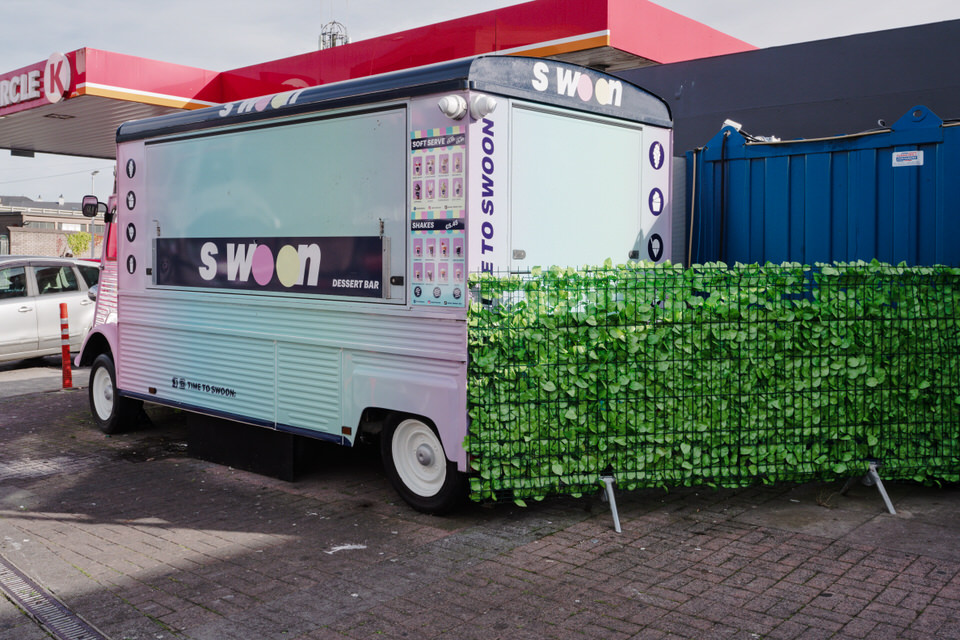
Situated on the southern outskirts of Cork City, Douglas is a location defined by a unique tension between its industrial past and its modern suburban identity. Often described as a village despite its significant population and commercial scale, it remains one of the most sought-after residential areas in the region. Douglas, Cork: The Industrial Village on the Black Stream The Origin of "Dubhghláise" The name Douglas is derived from the Irish Dubhghláise, meaning "Black Stream." This refers to the fast-flowing watercourse—often called the Tramore River—that carved the valley where the settlement grew. Historically, this river was the engine of Douglas. During the 18th and 19th centuries, it powered a massive textile industry. The village was home to Besnard’s Sailcloth Factory, which at its height was one of the largest in the world, supplying the British Navy. This industrial heritage is the reason Douglas developed with a "village core" of workers' cottages, distinct from the agricultural lands surrounding it. The River Today While much of the river was culverted (built over) during the 20th-century expansion of shopping centres and road networks, it remains ecologically significant. The Mangala: The river flows through Ballybrack Woods (The Mangala), providing a crucial wildlife corridor for otters, herons, and kingfishers. Importance: Once a source of industrial power, the river now serves as a focal point for local conservation efforts and flood management, bridging the gap between the urban environment and the natural valley. Historical Sites: A Tale of Two Graveyards Douglas is home to two significant burial grounds that reflect the religious and social history of the area. St. Luke’s Church of Ireland (Protestant): Located in the heart of the village, this graveyard contains the remains of many of the wealthy mill owners and prominent local families. It is also a site of military memory, housing five Commonwealth War Graves (four from World War I and one from World War II). St. Finbarr’s Cemetery (Catholic): This much larger cemetery nearby serves as a primary burial ground for the city’s southern suburbs. While St. Luke's houses British military graves, St. Finbarr's is famous for its Republican Plot, containing the graves of significant figures from the Irish War of Independence and the Irish Civil War. Village Status and Employment Though it functions with the infrastructure of a large town, Douglas is still classified as a village. This is partly due to its historical development as a cluster of mills and partly because it lacks its own independent town council, falling instead under the jurisdiction of Cork City Council since the 2019 boundary extension. Major Employers include: Retail Giants: The Douglas Village and Douglas Court shopping centres house major employers like Tesco, Marks & Spencer, and Dunnes Stores. Corporate Hubs: The nearby Musgrave Group headquarters and various professional services firms provide significant employment. Hospitality: A dense concentration of pubs, cafes, and restaurants forms the backbone of the local service economy. Connectivity and Transport Douglas is a major node for Cork’s public transport network. The 220 route provides a 24-hour connection between Carrigaline, Douglas, the City Centre, and Ballincollig. Other frequent services include the 206 and 216. As of April 2026, recent updates to the Bus Éireann schedules have focused on improving punctuality for the 219 cross-city route, which links the village to educational and employment hubs in Mahon and Bishopstown. Recent Changes (2025–2026) Since late 2025, Douglas has seen a shift toward "Public Realm" enhancements. This includes: Infrastructure: Expanded cycling infrastructure and pedestrian-friendly zones aimed at reducing traffic congestion in the narrow village core. Utility Upgrades: Completion of water infrastructure works by Uisce Éireann to address historical discolouration issues in the valley. Seasonal Transition: The spring of 2026 sees the maturation of new "green lungs" planting schemes throughout the Ballybrack Woods area, enhancing the village's reputation as a leafy suburban retreat. The History: Douglas and the Electric Tram When I last visited Douglas in September I noticed a shop named "Tramway" and that caught my attention as I had never considered that Cork has a tram system. The electric tram arrived in Douglas in 1898, operated by the Cork Electric Tramways and Lighting Company. The Route: Douglas was the southern terminus of a cross-city line that ran from Blackpool to Douglas. It was one of three main routes in the city. The "Tramway" Name: The tram terminated in Douglas village, performing a loop near the old RIC station. The small section of track that extended slightly further gave the name to Tramway Terrace and the local shop you see today. A Leisure Destination: At the turn of the century, Douglas was still a rural village. The tram made it a popular Sunday destination for city dwellers looking to escape the inner city for a walk along the Tramore River. The End of an Era: Due to the rise of buses and private cars, the system became less profitable. The last tram left Douglas for the final time on September 30, 1931. The Future: The "Cork Luas" Plan Fast forward to the 2020s, and there is a major proposal to bring light rail back to Cork under the Cork Metropolitan Area Transport Strategy (CMATS) 2040. The Proposed Route The proposed "Cork Luas" is an east-west line roughly 17km long. It is designed to connect: The "Douglas Problem" If you are looking for a tram back to Douglas, the current plan has a significant "missing link." Despite Douglas being one of the most congested areas in the city, the current Luas proposal does not include a line to Douglas. Current Strategy: The NTA (National Transport Authority) has prioritised the East-West corridor because it serves major employment and education hubs. Douglas Transport: Under the current plan, Douglas is slated to be served by BusConnects (high-frequency bus corridors) rather than light rail. Public Pushback: During recent public consultations, there has been significant local pressure to add a "North-South" line linking the City Centre to Douglas and Carrigaline. Authorities have stated that while "future extensions" are possible, they are not part of the initial phase. Estimated Timeline Summary of Changes In the original system (1898–1931), Douglas had direct access and was a main terminus. In the modern proposed system, Douglas is excluded from the rail line and will instead rely on upgraded bus routes. It is a bit of a historical irony—over 100 years ago, Douglas was the "star" of the network, but in the modern plan, it is currently on the sidelines. Birdnest Of Overhead Cables If you’re standing near Tramway Terrace or looking down toward the fingerpost, the "bird’s nest" of overhead cables is much more intense than in other modern Irish suburbs. There are a few specific reasons why Douglas feels like it’s stuck in a previous century regarding its utility infrastructure: Douglas developed very rapidly as an industrial village (around the woollen mills) long before modern planning laws required utilities to be buried underground. Because the village sits in a bit of a topographical "bowl," the main artery roads are narrow. When electricity and telecoms expanded in the mid-20th century, it was cheaper and easier to string wires between poles than to dig up the narrow, congested footpaths of an old village. In Douglas, you aren't just seeing electricity lines. The "distracting" mess is usually a combination of: ESB Power Lines: The heavy-duty lines. Legacy Telecoms (Eir): Huge bundles of copper phone lines that were never removed. SIRO / Virgin Media: Modern fiber-optic cables that are often "over-lashed" (wrapped around) the existing old poles rather than being trenched. You might wonder why they haven't been moved underground yet. Usually, "undergrounding" cables happens during major "Public Realm" works (like what happened on Grand Parade or St. Patrick's Street in the city). In Douglas, these works have been tied up in the BusConnects Cork debate. The plan to move the cables underground is bundled with the plan to widen roads and change the village layout. Because the bus plan has faced so much local opposition regarding parking and trees, the "beautification" (removing the poles) has been stuck in limbo along with it. Ironically, the very thing we discussed—the old tramway—started this trend. Douglas was one of the first places in Cork to have heavy overhead traction wiring to power the trams. While those specific wires are gone, the village never really lost that "overhead" character as it transitioned from tram wires to telegraph wires to modern broadband. The "Messy" Reality: Until the Cork Metropolitan Area Transport Strategy actually breaks ground in Douglas to fix the traffic flow, those poles are likely staying put. They are essentially a visual record of 100 years of "bolting on" new technology without ever cleaning up the old stuff.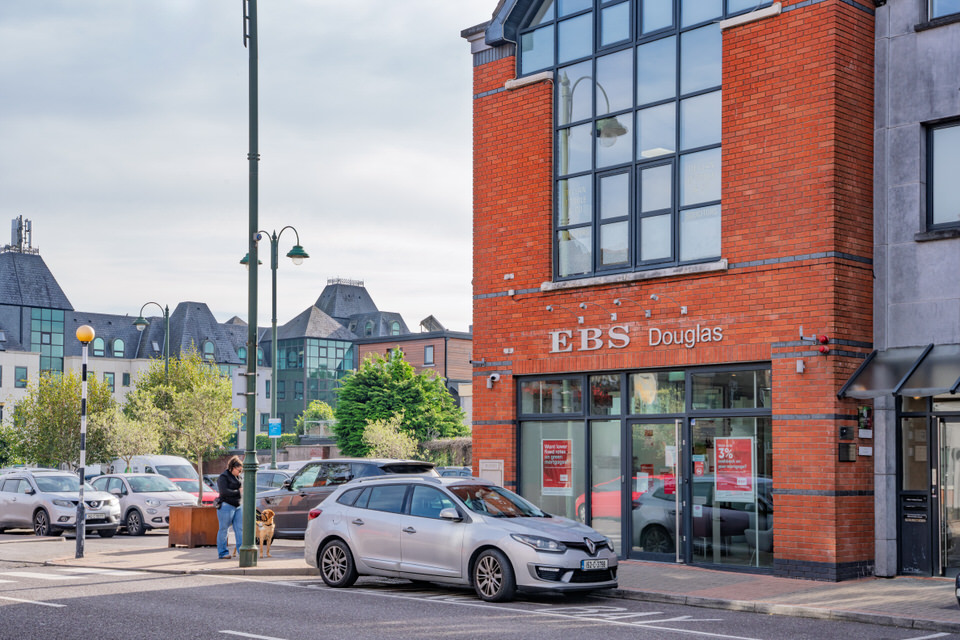 The Village - Select Image To View Photographs
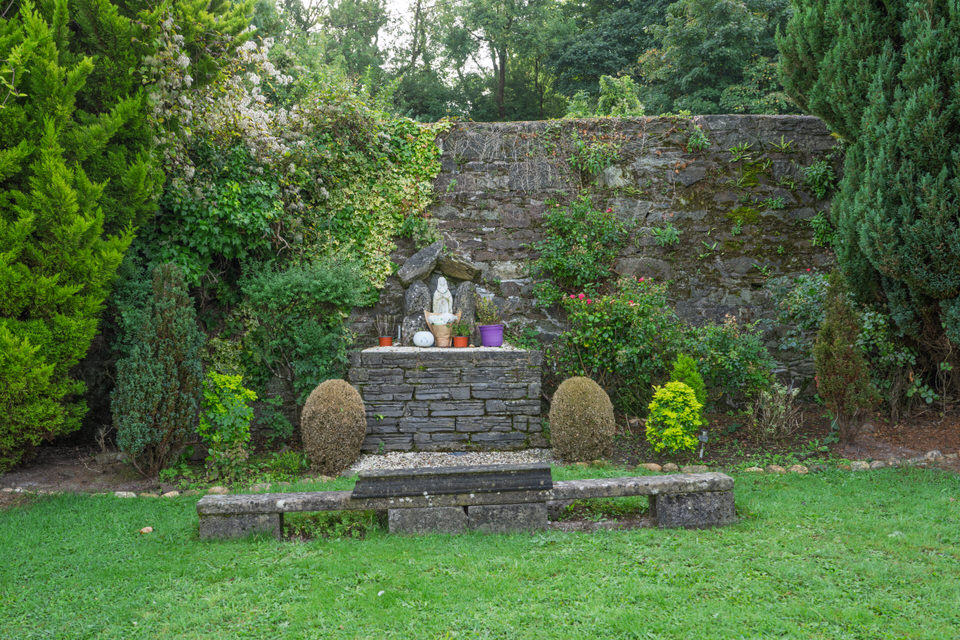 Religious Shrine - Select Image To View Photographs
VIEW HI-RES PHOTOGRAPHS
CORK CITY AND COUNTY
ABOUT DOUGLAS VILLAGE
GLOBAL INDEX OF PHOTO GALLERIES
CORK CITY AND COUNTY
THE URBAN CARTOGRAPHER
EXCELLENT PICTURE THIS 2017
My September 2025 Visit To Douglas - Presented By The The Urban Cartographer
Who Is Building An Experience Which Is Getting Better Day By Day