Landsdowne Train Station March 2026 - Presented By The The Urban Cartographer
LET MISTER SCREEN ASSIST YOU
GLOBAL INDEXThe Urban Cartographer
TECHNICAL STUFFA first-hand account of the logistical challenges faced during St. Patrick's Day 2026 in Dublin. Exploring the history of Lansdowne Road Station and the recurring constraints of Irish bus and rail services during Bank Holidays.
EXCELLENT PICTURE THIS 2017
Landsdowne Train Station March 2026 - Presented By The The Urban Cartographer
Landsdowne Train Station March 2026
Author: The Urban Cartographer
|
11. May 2026
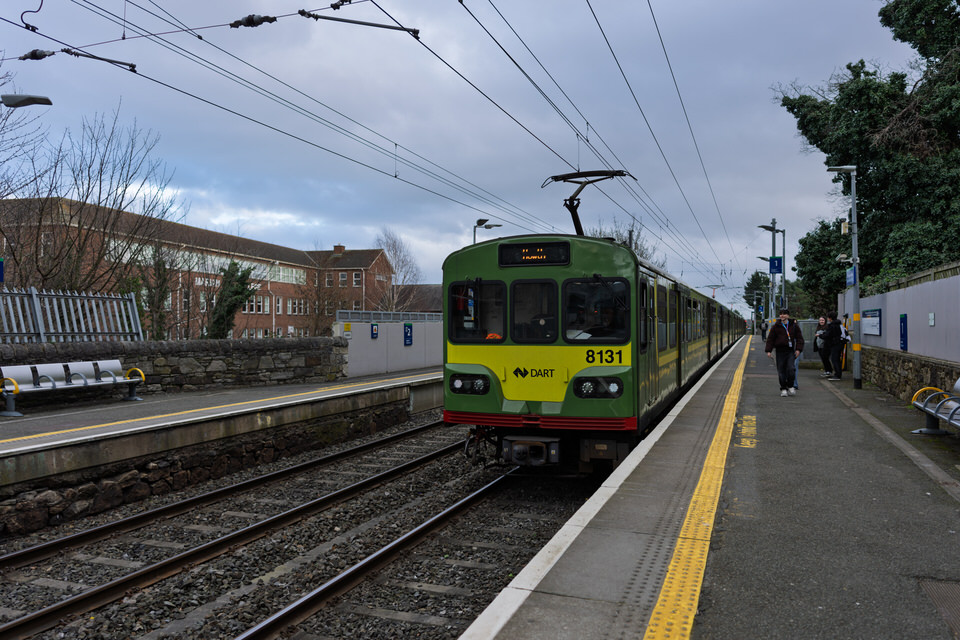
For any urban explorer or photographer, the allure of a quiet city on a Bank Holiday is often tempered by the logistical labyrinth of the transport network. St. Patrick’s Day 2026 proved to be a case study in this frustration. While the city centre becomes a focal point for parades and festivities, the infrastructure supporting those who wish to venture further afield—such as a walk across the Sandymount strand—can be surprisingly fragile. The Long Wait: Navigating Dublin’s Holiday Transport Gridlock The Holiday Constraint: A Predictable Disconnect It is a recurring irony in Irish transport: on the days when the public has the most time to travel, the services are at their most restricted. Bank Holidays frequently see the implementation of "Sunday Service" schedules, which, while predictable on paper, often fail to account for the actual flow of people displaced by event closures. The Regional Split: It is often the case that engineering works or revised schedules result in no train services operating on either the northside or the southside lines. This effectively bisects the city, turning a simple cross-town journey into an endurance test of walking or waiting for elusive buses. The Cross-Border Gap: Even the flagship Enterprise service is not immune. On several Bank Holidays throughout the year, there are no train services operating between Dublin and Belfast, severing the primary rail link between the two cities just when leisure travel is at its peak. Lansdowne Road: A Station of Heritage and Transition Finding oneself stranded at Lansdowne Road station for an hour provides a rare moment of stillness in a location usually defined by high-velocity transit and match-day crowds. Opened in 1870, Lansdowne Road is one of the oldest commuter stations in the world. Its historical importance is inextricably linked to the development of the Dublin and Kingstown Railway. It serves as the primary gateway to the Aviva Stadium, but beyond the modern steel and glass of the arena, the station sits at a fascinating architectural crossroads. It bridges the gap between the grand Victorian terraces of Dublin 4 and the industrial echoes of the nearby Dodder River. For the digital archivist, an hour’s delay here isn't just lost time; it is an opportunity to document the "built environment" in its most dormant state—the empty platforms and the silent tracks offering a stark contrast to the chaos of the city centre parade. The shift to battery-electric technology is a clever bit of engineering designed to bypass a historic hurdle. As you noted, the rail network across the island uses a unique "Irish Gauge" (1600 mm or 5 ft 3 in), which is wider than the standard 1435 mm used in Great Britain and most of Europe. Because this bespoke network cannot simply "buy off the shelf" electrified trains, and because full overhead electrification of hundreds of miles of track is a multi-decade financial and logistical undertaking, these new carriages act as a technological bridge. How the "Stop-Gap" Works The new Alstom X'trapolis fleet (Class 90000) arriving for the DART+ programme uses a "hybrid" approach to power: Under the Wires: When travelling through Pearse Station or the existing DART core, the trains draw power from the 1,500V DC overhead lines via a pantograph. While doing this, they also top up their massive roof-mounted lithium-ion batteries. Off the Grid: Once the train reaches the end of the electrified wires (currently just north of Malahide), it doesn't have to stop. It simply drops the pantograph and switches to battery power, continuing for up to 80 km (50 miles) on a single charge. Fast Charging: To keep the cycle going, "fast-charging" stations—like the one recently installed in Drogheda—can fully replenish a train's battery in minutes while it sits at the platform, allowing it to make the return trip to the city without any overhead wires at all. Why This Matters for Pearse Station This technology effectively "pre-electrifies" the route long before the actual wires are hung. For a commuter boarding at Pearse, the benefits are immediate: Silence and Air Quality: These trains replace older diesel-powered commuter railcars. This means the deep, idling rumble of diesel engines under the station roof is replaced by a near-silent electric hum, significantly improving the environment for both passengers and the neighbouring Westland Row community. Sustainability: It allows the network to reach the goal of the All-Island Strategic Rail Review—decarbonising the fleet—without waiting for the entire 30 billion euro infrastructure plan to be completed. Cross-Border Potential: While the focus is currently on the Dublin commuter belt, this same "tri-mode" technology (Electricity/Battery/Diesel) is being planned for the Enterprise service to Belfast. This will allow trains to run silently and cleanly into both Dublin Connolly and the new Belfast Grand Central Station, regardless of which sections of the track have been modernised. By using the batteries as a "stop-gap," the railway is essentially decoupling the service from the infrastructure, ensuring that your grandmother’s "Westland Row" remains at the cutting edge of global transport history.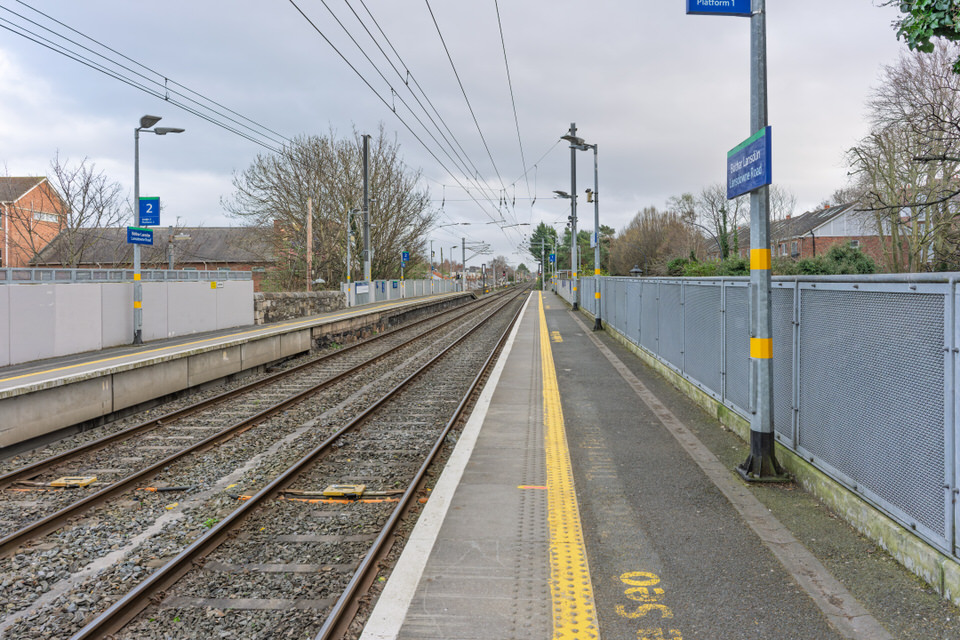 Landsdowne Station - Select Image To View Photographs
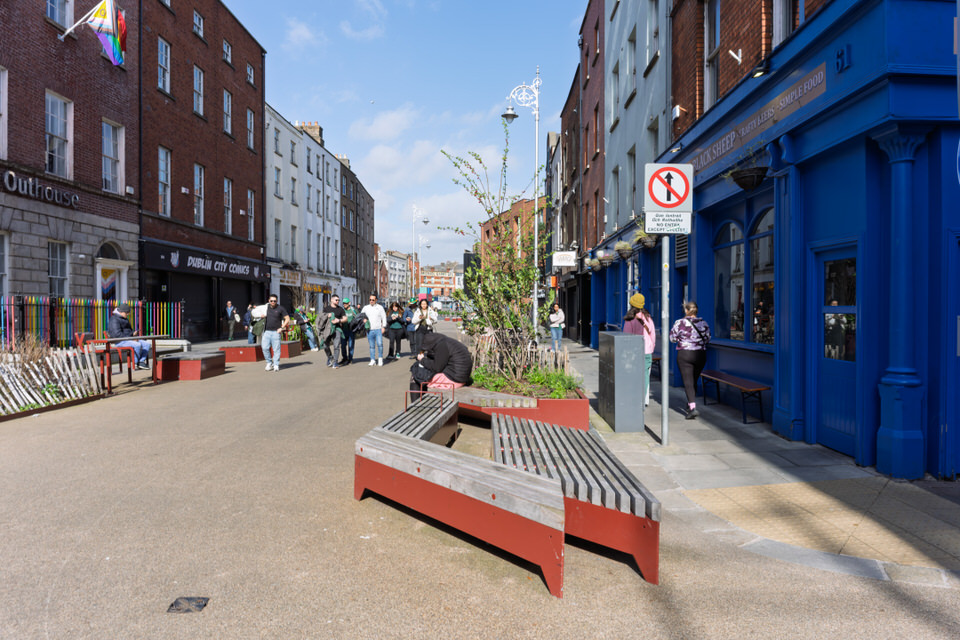 Capel Street - Select Image To View Photographs
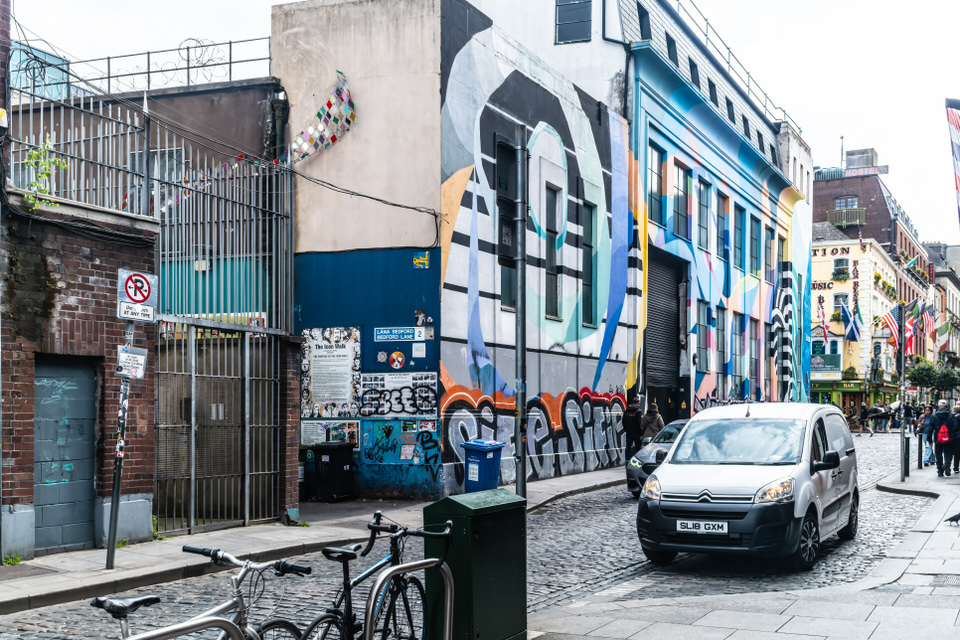 Temple Bar - Select Image To View Photographs
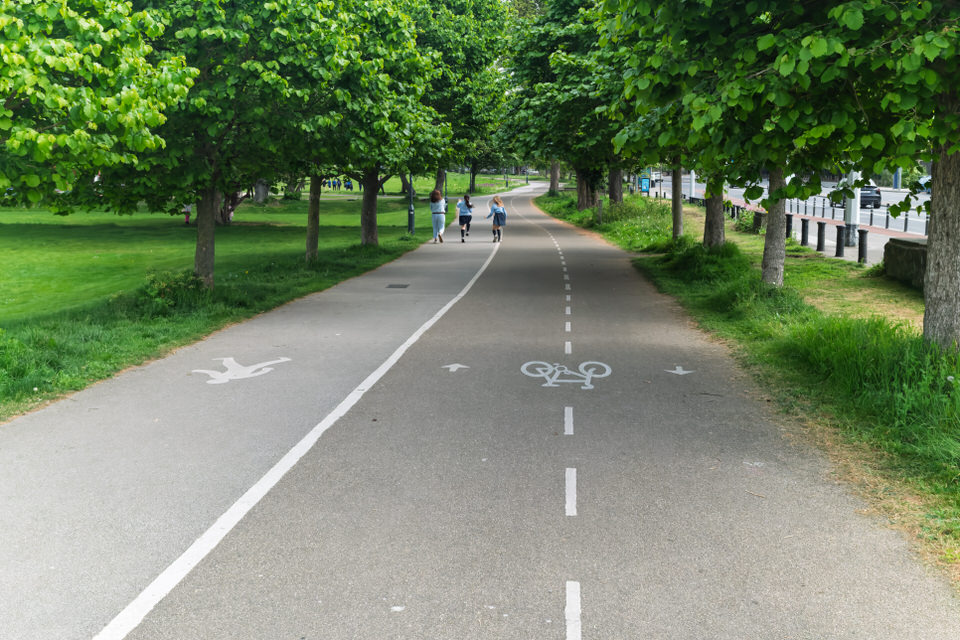 Blackrock Linear Park - Select Image To View Photographs
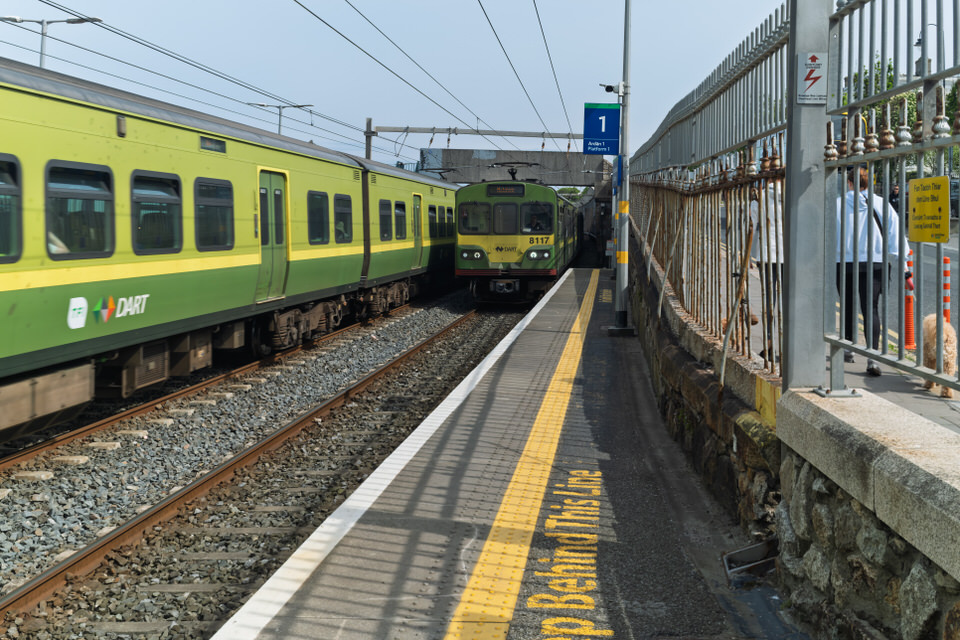 Blackrock Train Station - Select Image To View Photographs
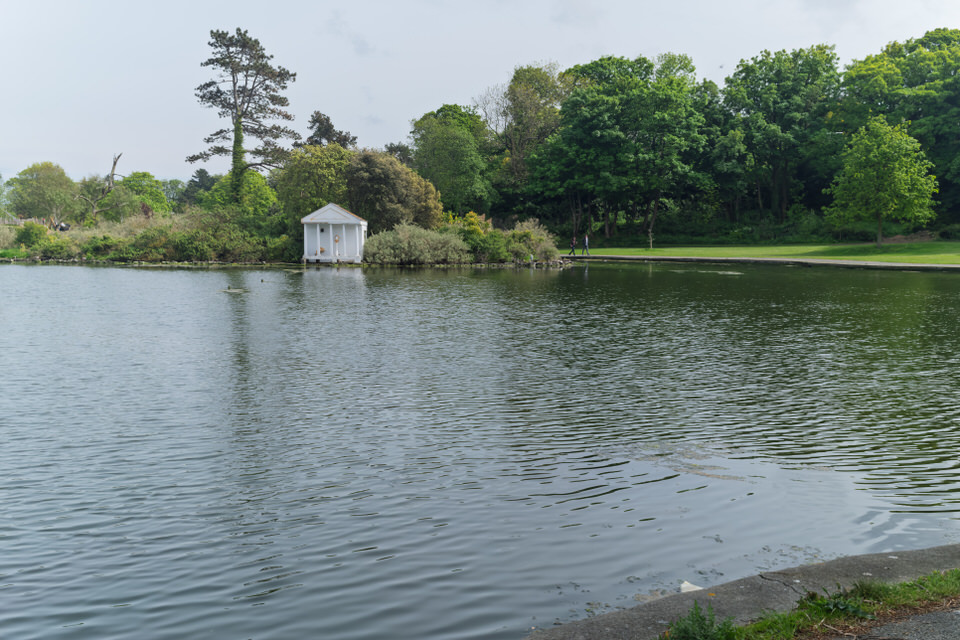 The Pond Area - Select Image To View Photographs
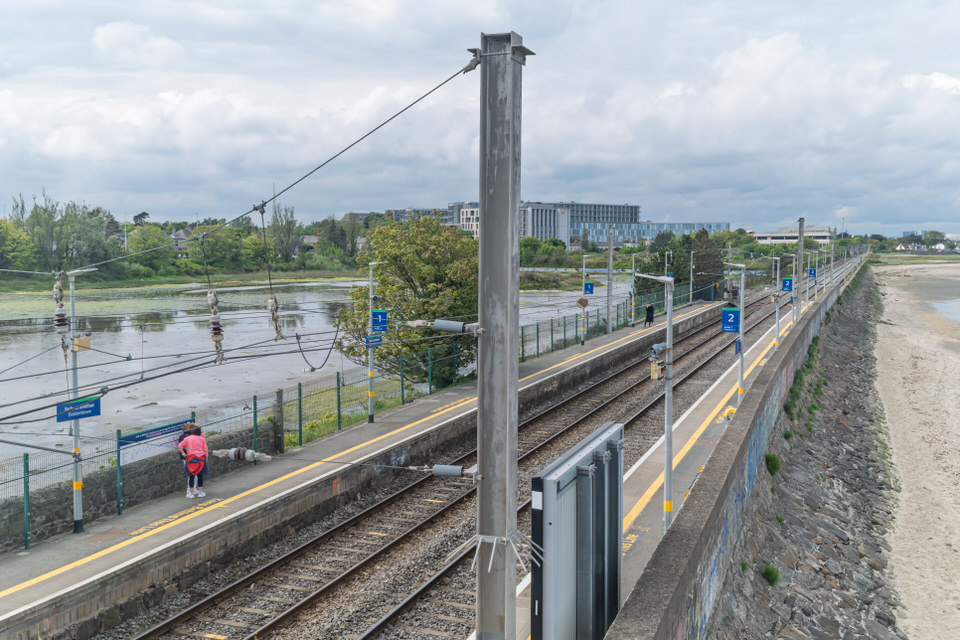 Booterstown - Select Image To View Photographs
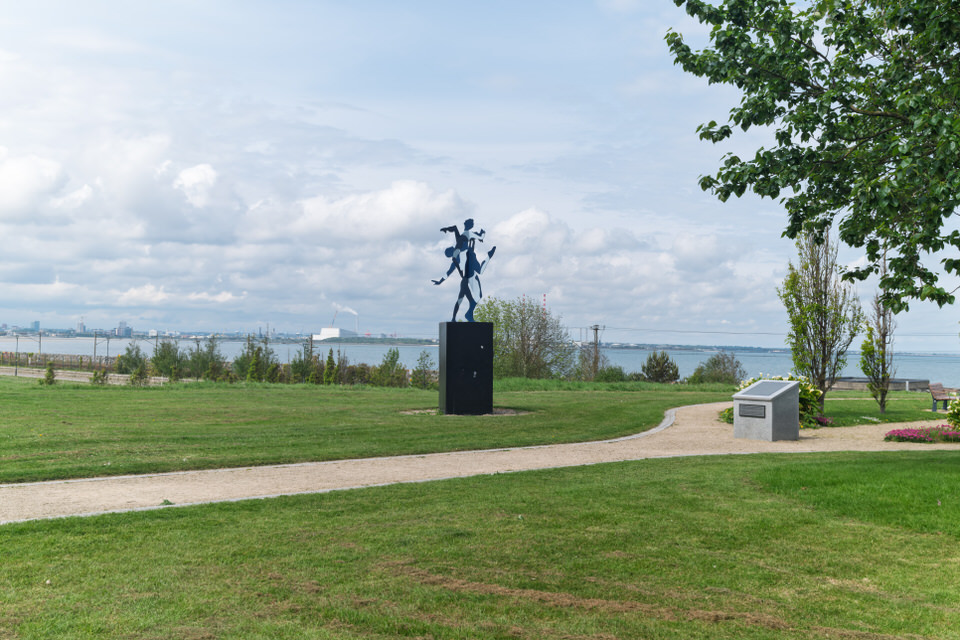 Cut Out People 2026 - Select Image To View Photographs
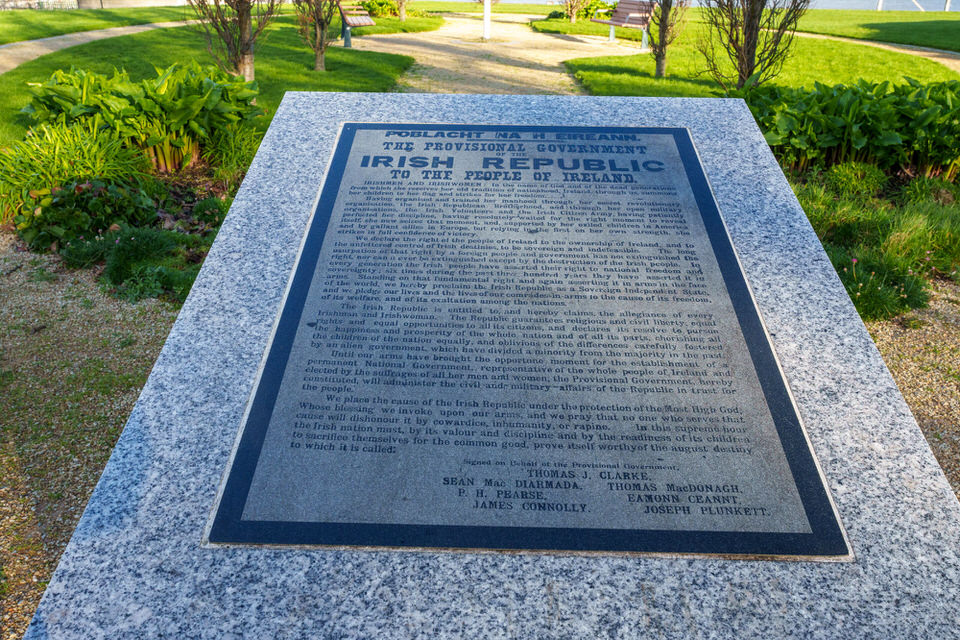 View The Sculpture - Select Image To View Photographs
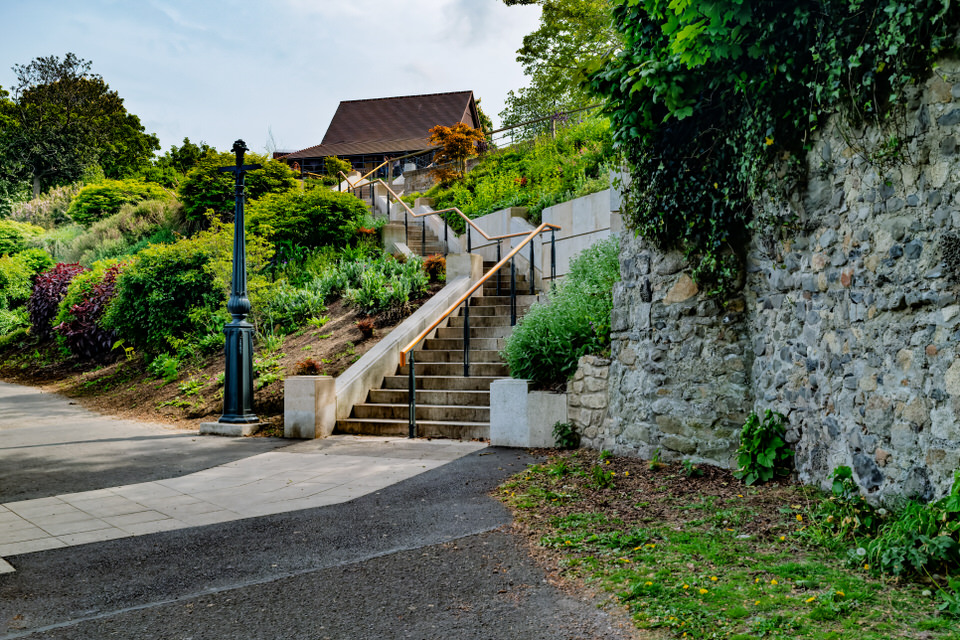 Mister Magpie Cafe - Select Image To View Photographs
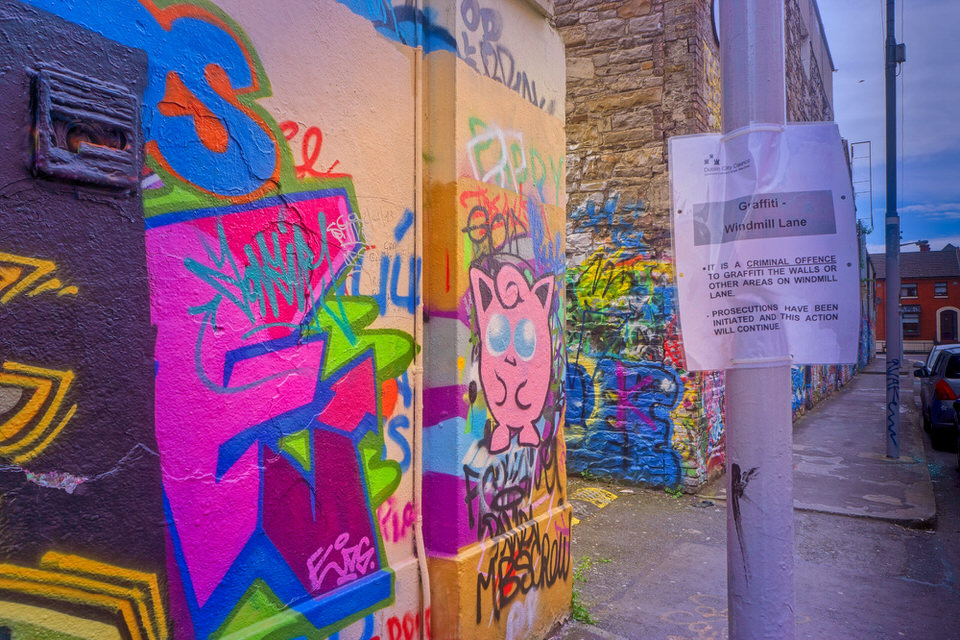 Graffiti Is Illegal In Ireland - Select Image To View Photographs
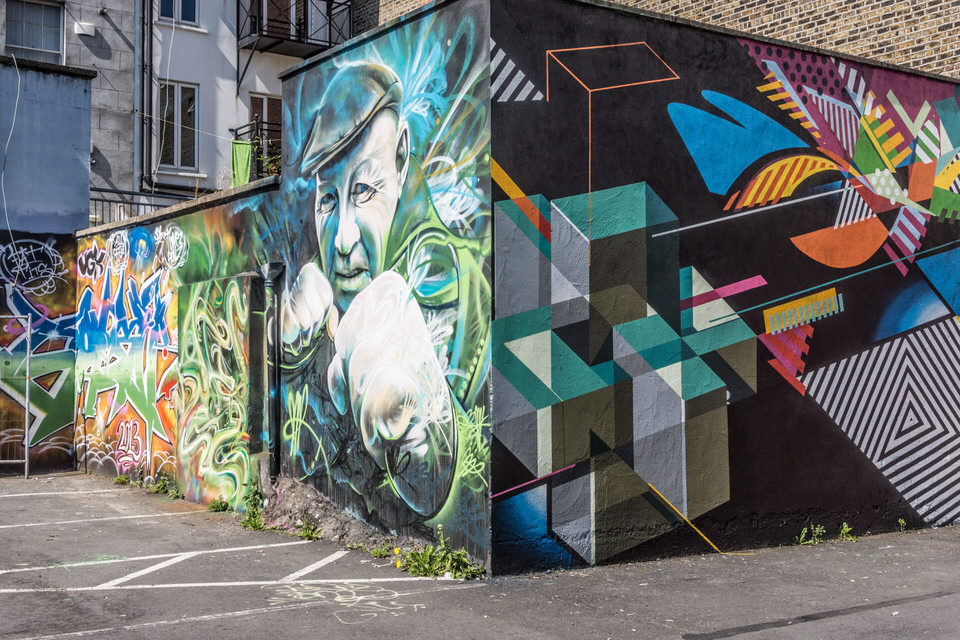 The Street Art - Select Image To View Photographs
 As It Was In 2016 - Select Image To View Photographs
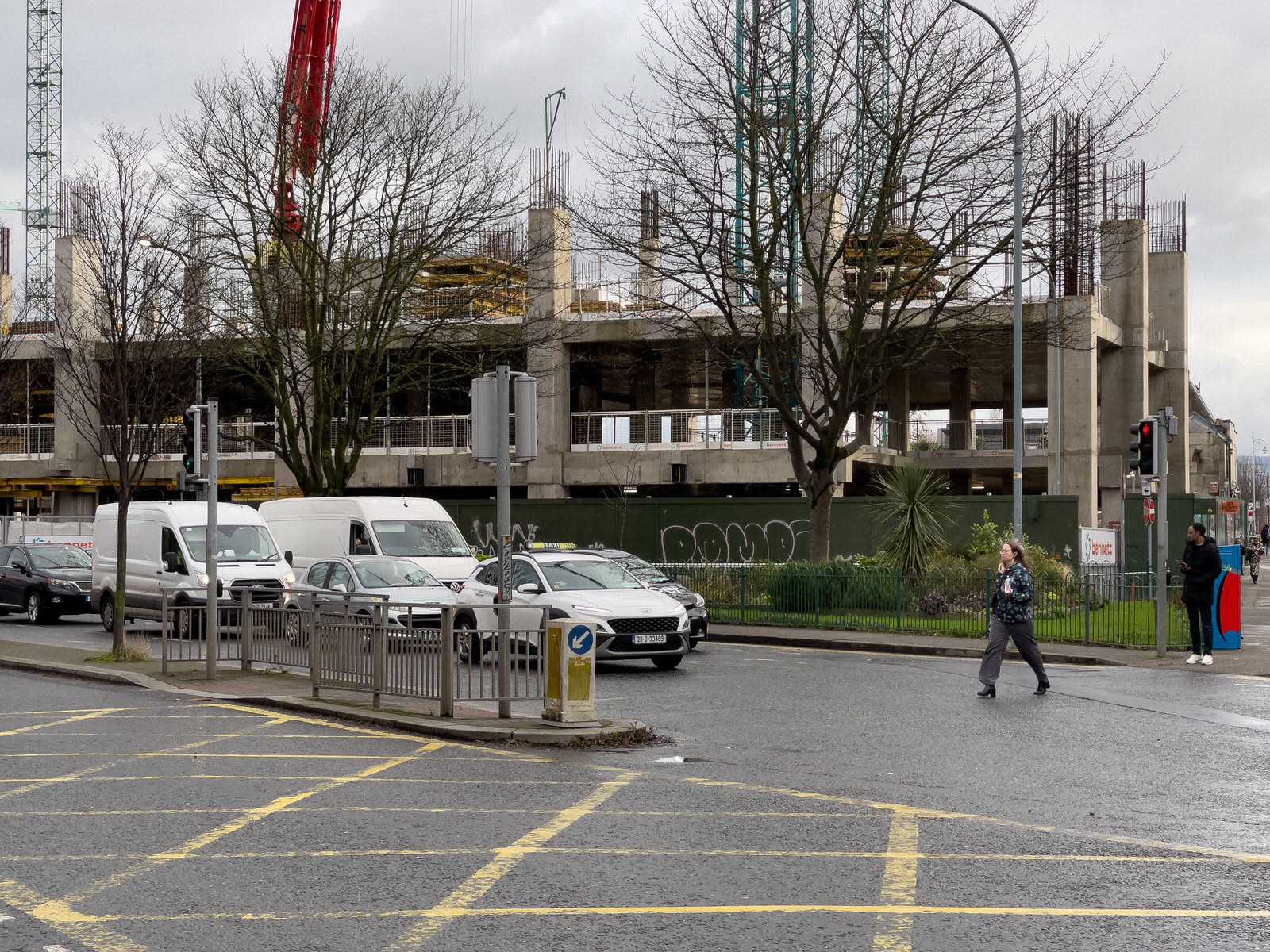 Camden Yard - Select Image To View Photographs
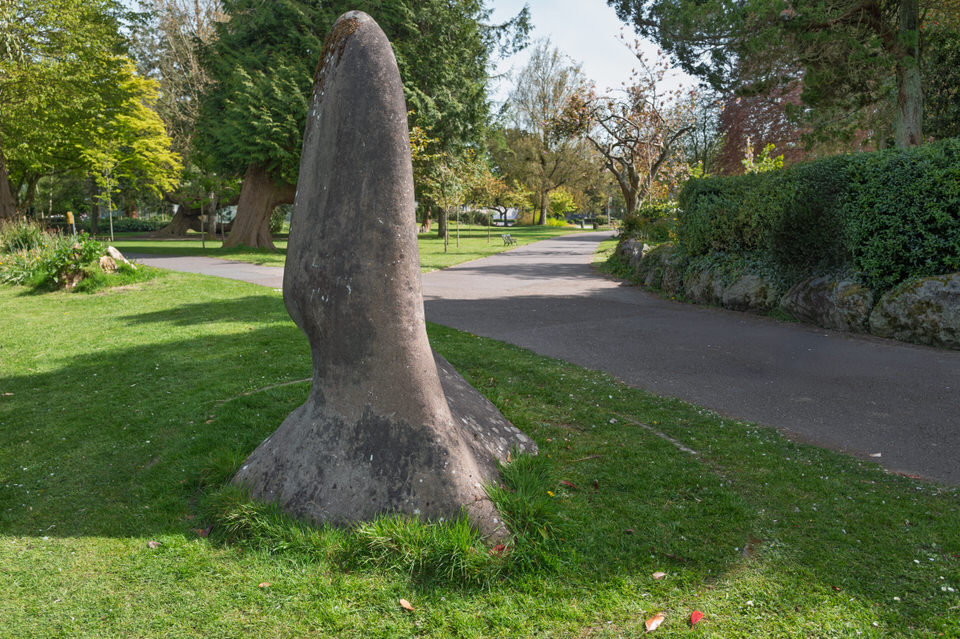 Abstract Sculptures - Select Image To View Photographs
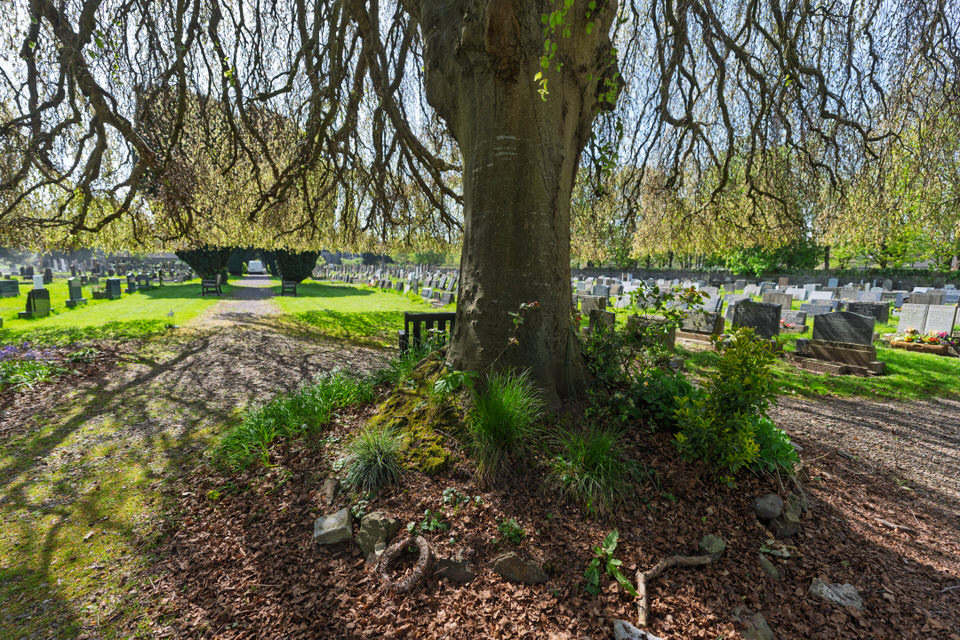 An Amazing Tree - Select Image To View Photographs
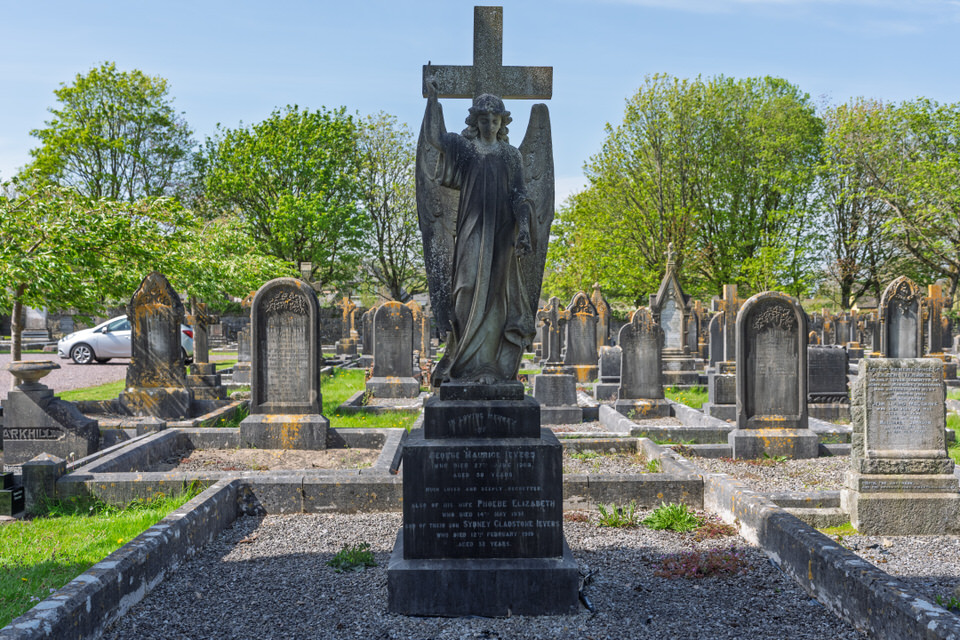 Old Churchyard - Select Image To View Photographs
VIEW HI-RES PHOTOGRAPHS
SONY A1 II
ABOUT LANDSDOWNE STATION
GLOBAL INDEX OF PHOTO GALLERIES
ALL FORMS OF PUBLIC TRANSPORT
THE URBAN CARTOGRAPHER
EXCELLENT PICTURE THIS 2017
Landsdowne Train Station March 2026 - Presented By The The Urban Cartographer
Who Is Building An Experience Which Is Getting Better Day By Day