Saint Canices Cathedral In Kilkenny - Presented By The Infomatique
LET MISTER SCREEN ASSIST YOU
GLOBAL INDEXThe Urban Cartographer
TECHNICAL STUFFExplore St. Canice’s Cathedral and Round Tower, the medieval jewels of Kilkenny. Discover the history of the 9th-century tower, climb for panoramic views, and wander through a graveyard filled with 16th-century effigies and unique tradesmen's headstones. A must-visit on Ireland’s Medieval Mile..
EXCELLENT PICTURE THIS 2017
Saint Canices Cathedral In Kilkenny - Presented By The Infomatique
Saint Canices Cathedral In Kilkenny
Author: Infomatique
|
28. Feb 2026
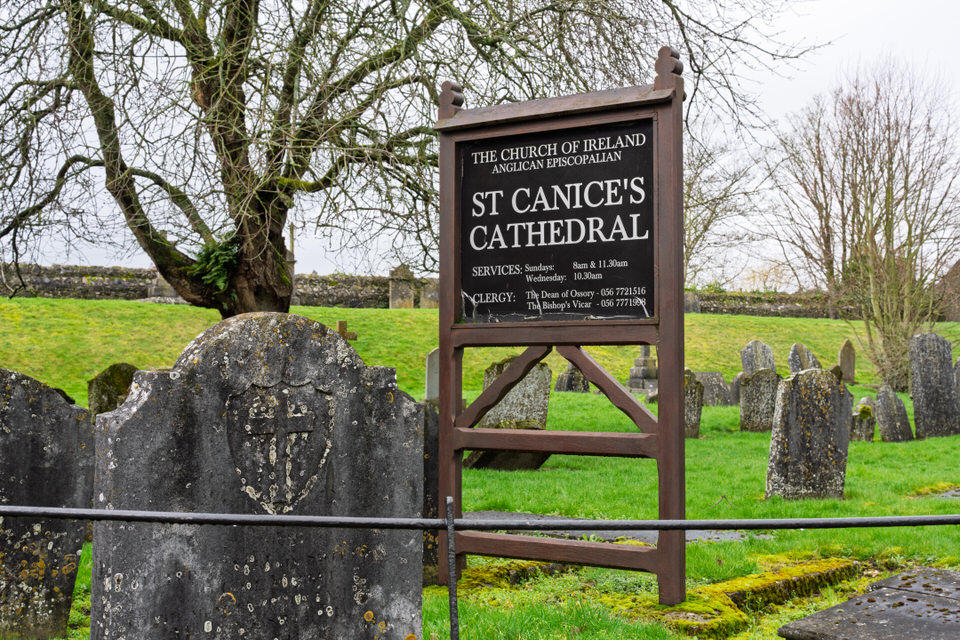
Photographed By William Murphy - Select Image To View Photographs
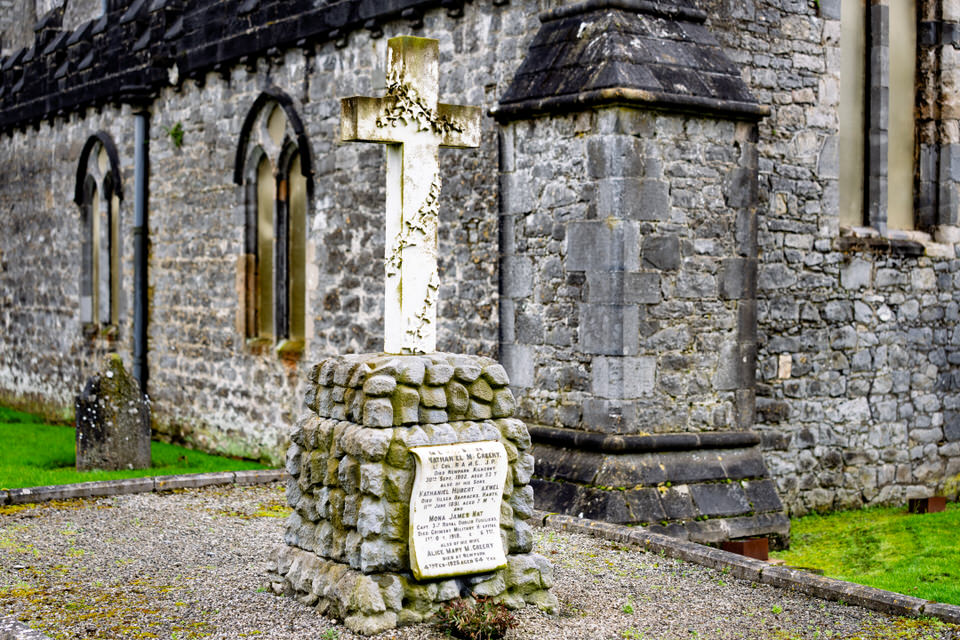
Perched upon a hill in the "Irishtown" district, St. Canice’s Cathedral and Round Tower form the ecclesiastical heart of Kilkenny. Named after St. Canice (Cainneach), who founded a monastic settlement here in the 6th century, the site has been a centre of worship for nearly 1,500 years.
The Cathedral: A Gothic Masterpiece
The current structure, built primarily between 1202 and 1285, is the second-longest cathedral in Ireland. It is a stunning example of the Early English Gothic style, constructed from local limestone and "Kilkenny Black Marble."
Architectural Features: The cathedral is cruciform in shape with a low central tower. Despite historical turmoil—including the collapse of its original tower in 1332 and desecration by Cromwell’s forces in 1650—it has retained much of its medieval character.
St. Kieran’s Chair: Inside the North Transept sits an ancient stone throne dating to at least the 12th century. To this day, it is used for the enthronement of the Bishops of Ossory.
The East Window: The original 14th-century stained glass was destroyed by Cromwell. The current window is a meticulous 19th-century replica based on drawings made by the Papal Nuncio, Rinuccini, shortly before the original's destruction.
The Round Tower: A Silent Sentinel
The 9th-century Round Tower is the oldest standing structure in Kilkenny. Standing at 30 metres (100 ft) tall, it originally served as a bell tower and a place of refuge during Viking raids.
The Climb: It is one of only two medieval round towers in Ireland that the public can still climb.
The View: After ascending a series of seven steep internal ladders (121 steps), visitors are rewarded with a panoramic view of the medieval city.
Unique State: Unlike most round towers, it lacks its original conical cap, which was replaced by a parapet that allows for safer viewing.
The Graveyards and Notable Monuments
The grounds and the cathedral interior house one of the most significant collections of sepulchral monuments in Ireland. The transition from the interior "aristocratic" tombs to the exterior "merchant" graves provides a fascinating social history of Kilkenny.
Interior Effigies
Inside the cathedral, the floors and walls are lined with effigial tombs, many carved by the famous 16th-century sculptor Rory O’Tunney.
The Butler Dynasty: Numerous tombs belong to the powerful Butler family (Earls of Ormonde), including the famous "Red Piers" Butler and his wife, Margaret Fitzgerald.
The "Unknown Lady": A 16th-century effigy of a woman dressed in a religious habit, believed by some to be the "notorious" Abbess Elicia Butler.
The Kytler Connection: Look for the grave slab associated with the family of Alice Kyteler, the first woman in Ireland to be accused of witchcraft in 1324.
The Exterior Graveyard
The external graveyard contains thousands of burials, with the oldest legible stones dating back to the 17th century.
Tradesmen’s Symbols: Many 18th-century headstones feature folk-art carvings of the tools of the deceased’s trade—look for the shears of a clothier, the hammer of a smith, or the compass of a mason.
The "Vicar’s Choral": The graveyard is flanked by the original Cathedral Close buildings, including the 17th-century library and the Bishop’s Palace (now the Heritage Council HQ).
Vignoles' Improvement: In the 1840s, Dean Vignoles lowered the ground level of the graveyard, which had risen so high from centuries of burials that it was nearly blocking the cathedral windows.
GALWAY CITY
CORK CITY AND COUNTY
GLOBAL MENU
DUBLIN SOUTHSIDE
DUBLIN NORTHSIDE
URBAN CARTOGRAPHER
EXCELLENT PICTURE THIS 2017
Saint Canices Cathedral In Kilkenny - Presented By The Infomatique
Who Is Building An Experience Which Is Getting Better Day By Day