James Joyce Martello Tower In Context - Presented By The The Urban Cartographer
LET MISTER SCREEN ASSIST YOU
GLOBAL INDEXThe Urban Cartographer
TECHNICAL STUFFExplore the history of Martello Tower 11, the James Joyce Museum, and the Forty Foot Christmas swim. Discover the "Forty Foot Men" joke and avoid the Sandymount Tower 13 error.
EXCELLENT PICTURE THIS 2017
James Joyce Martello Tower In Context - Presented By The The Urban Cartographer
James Joyce Martello Tower In Context
Author: The Urban Cartographer
|
11. May 2026
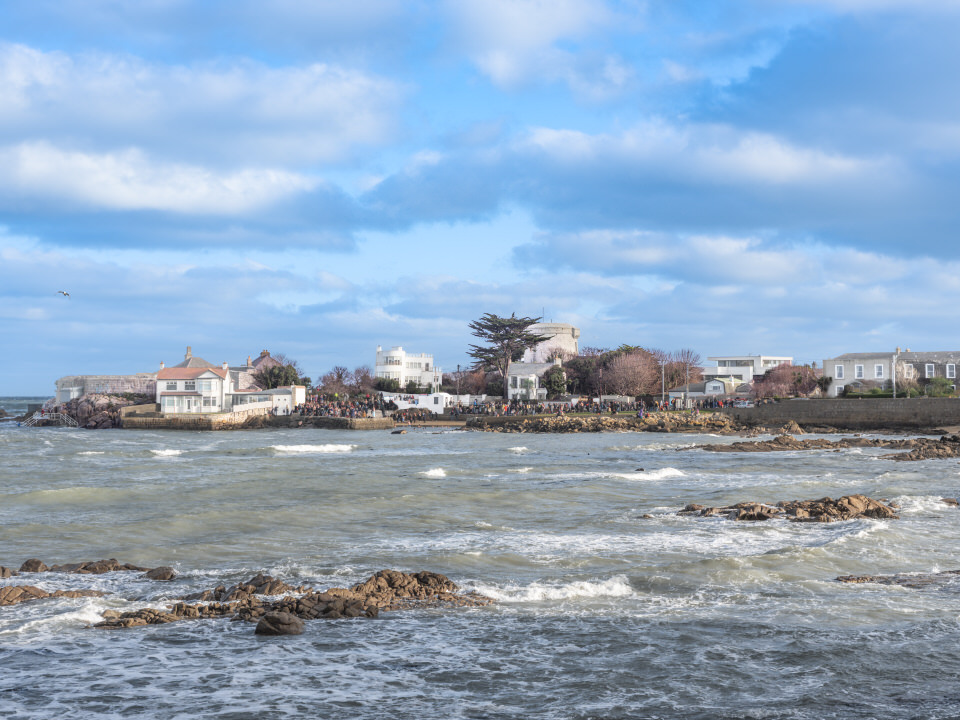
The Martello Tower at Sandycove, identified as Tower 11, remains one of the most culturally significant defensive structures along the Irish coast. Originally built as part of a Napoleonic-era coastal defence system, its global fame is now inextricably linked to the opening chapters of James Joyce’s Ulysses. Martello Tower 11: The James Joyce Tower and the Forty Foot History of the Tower Constructed in 1804, Tower 11 was designed to withstand a potential French invasion. Built of solid granite, these towers featured a circular design with walls several feet thick and a rooftop platform for a traversing cannon. By the early 20th century, the military purpose of the towers had faded. In 1904, Oliver St. John Gogarty rented the tower from the War Office. James Joyce stayed there for six nights in September of that year, an experience that provided the setting for the famous "stately, plump Buck Mulligan" opening of his masterpiece. Today, it houses the James Joyce Tower and Museum, a site of pilgrimage for Joyceans worldwide. The Forty Foot and the Christmas "Dip" Located just below the tower is the Forty Foot, a promontory that has served as a swimming spot for over 250 years. On Christmas Day, this location becomes the epicentre of a Dublin tradition: the Christmas Morning Swim. Thousands of "dippers" descend upon Sandycove to plunge into the frigid Irish Sea. On mornings when severe weather conditions or high swells make the Forty Foot inaccessible—as was the case on Christmas morning 2025—the crowds often migrate to the base of the tower or Sandycove Harbour to find a safer entry point. The Legend of the "Forty-Foot Men" The naming of the Forty Foot is often attributed to the 40th Regiment of Foot, who were once stationed at the tower. However, the spot became famous for a specific piece of signage that stood for decades. The sign simply stated: FORTY FOOT
MEN ONLY While intended to mark the area as a male bathing place, the lack of punctuation led to a long-standing local joke. Read literally, the sign appeared to be a strict height requirement, implying that the area was reserved exclusively for giants of at least forty feet in height. The sign made no mention of women at all; it simply suggested that if you weren't a colossus, you had no business being there. This unintended visual pun became a beloved part of the area's folklore before the "Men Only" restriction was eventually lifted. The Sandymount Confusion A common navigational error occurs among tourists seeking the Joyce Tower. Many visitors mistakenly travel to Martello Tower 13 in Sandymount. While Tower 13 is a striking landmark on the Sandymount Strand and is also associated with Ulysses (as the backdrop for the "Nausicaa" episode), it is not the Joyce Museum. The actual "Omphalos" of the book is located strictly at the Sandycove tower. The shift to battery-electric technology is a clever bit of engineering designed to bypass a historic hurdle. As you noted, the rail network across the island uses a unique "Irish Gauge" (1600 mm or 5 ft 3 in), which is wider than the standard 1435 mm used in Great Britain and most of Europe. Because this bespoke network cannot simply "buy off the shelf" electrified trains, and because full overhead electrification of hundreds of miles of track is a multi-decade financial and logistical undertaking, these new carriages act as a technological bridge. How the "Stop-Gap" Works The new Alstom X'trapolis fleet (Class 90000) arriving for the DART+ programme uses a "hybrid" approach to power: Under the Wires: When travelling through Pearse Station or the existing DART core, the trains draw power from the 1,500V DC overhead lines via a pantograph. While doing this, they also top up their massive roof-mounted lithium-ion batteries. Off the Grid: Once the train reaches the end of the electrified wires (currently just north of Malahide), it doesn't have to stop. It simply drops the pantograph and switches to battery power, continuing for up to 80 km (50 miles) on a single charge. Fast Charging: To keep the cycle going, "fast-charging" stations—like the one recently installed in Drogheda—can fully replenish a train's battery in minutes while it sits at the platform, allowing it to make the return trip to the city without any overhead wires at all. Why This Matters for Pearse Station This technology effectively "pre-electrifies" the route long before the actual wires are hung. For a commuter boarding at Pearse, the benefits are immediate: Silence and Air Quality: These trains replace older diesel-powered commuter railcars. This means the deep, idling rumble of diesel engines under the station roof is replaced by a near-silent electric hum, significantly improving the environment for both passengers and the neighbouring Westland Row community. Sustainability: It allows the network to reach the goal of the All-Island Strategic Rail Review—decarbonising the fleet—without waiting for the entire 30 billion euro infrastructure plan to be completed. Cross-Border Potential: While the focus is currently on the Dublin commuter belt, this same "tri-mode" technology (Electricity/Battery/Diesel) is being planned for the Enterprise service to Belfast. This will allow trains to run silently and cleanly into both Dublin Connolly and the new Belfast Grand Central Station, regardless of which sections of the track have been modernised. By using the batteries as a "stop-gap," the railway is essentially decoupling the service from the infrastructure, ensuring that your grandmother’s "Westland Row" remains at the cutting edge of global transport history.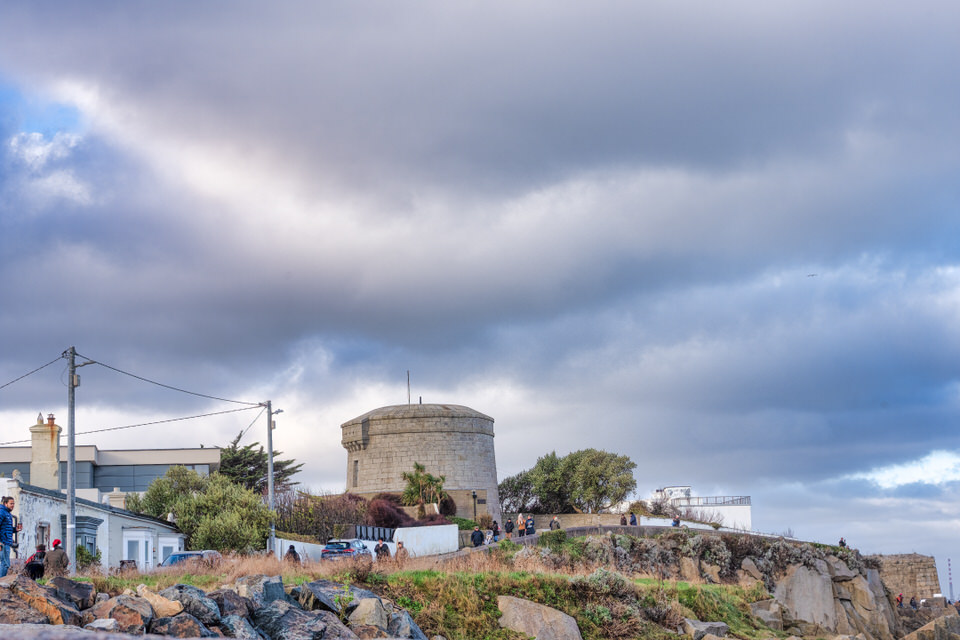 James Joyce Martello Tower In Context - Select Image To View Photographs
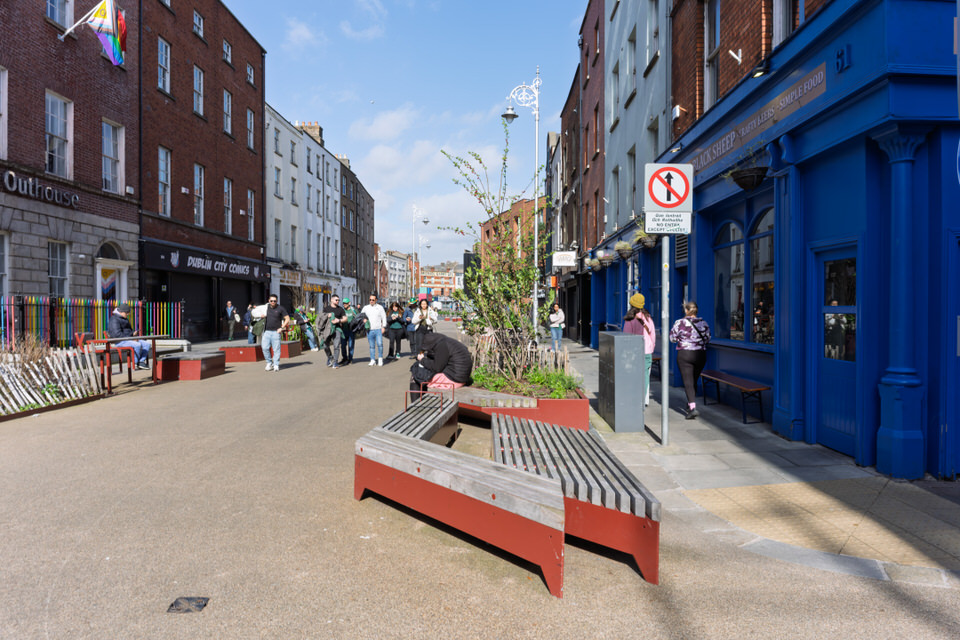 Capel Street - Select Image To View Photographs
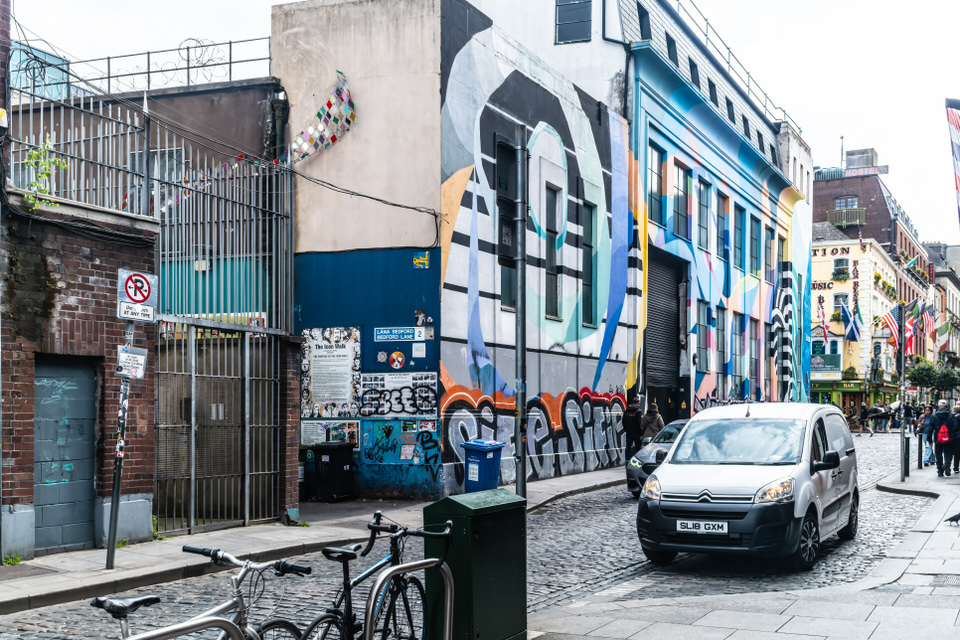 Temple Bar - Select Image To View Photographs
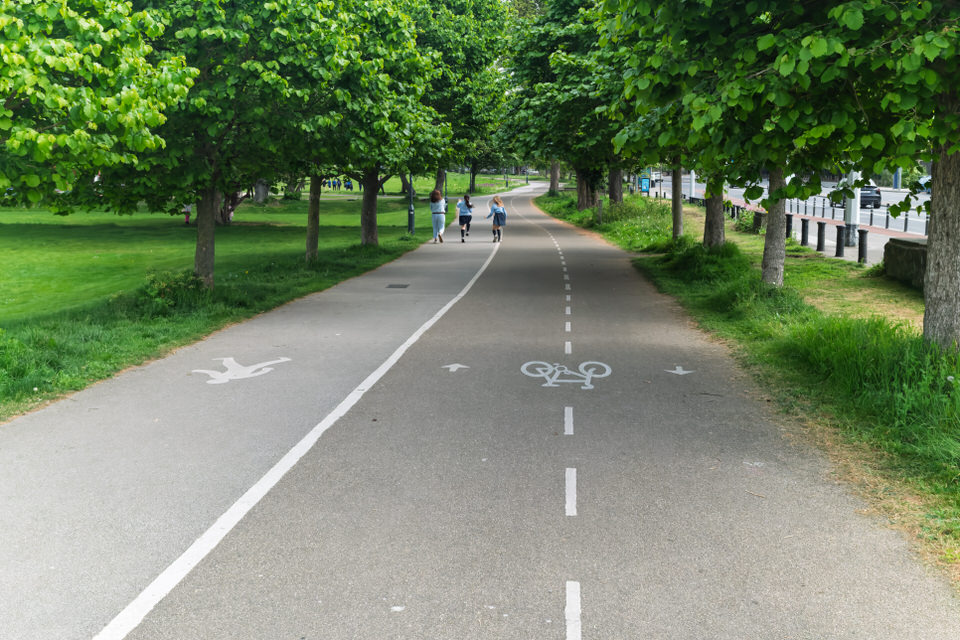 Blackrock Linear Park - Select Image To View Photographs
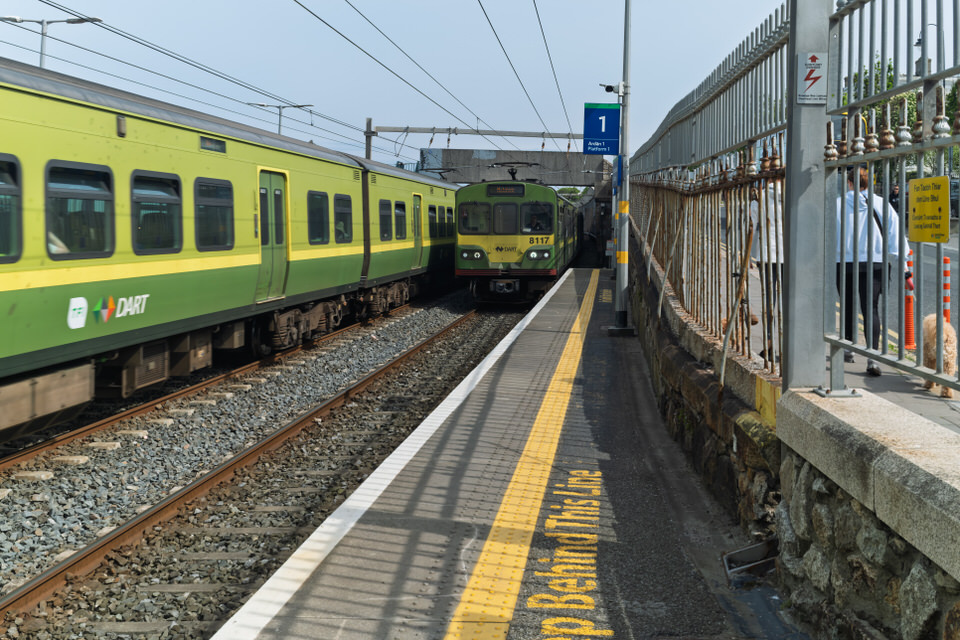 Blackrock Train Station - Select Image To View Photographs
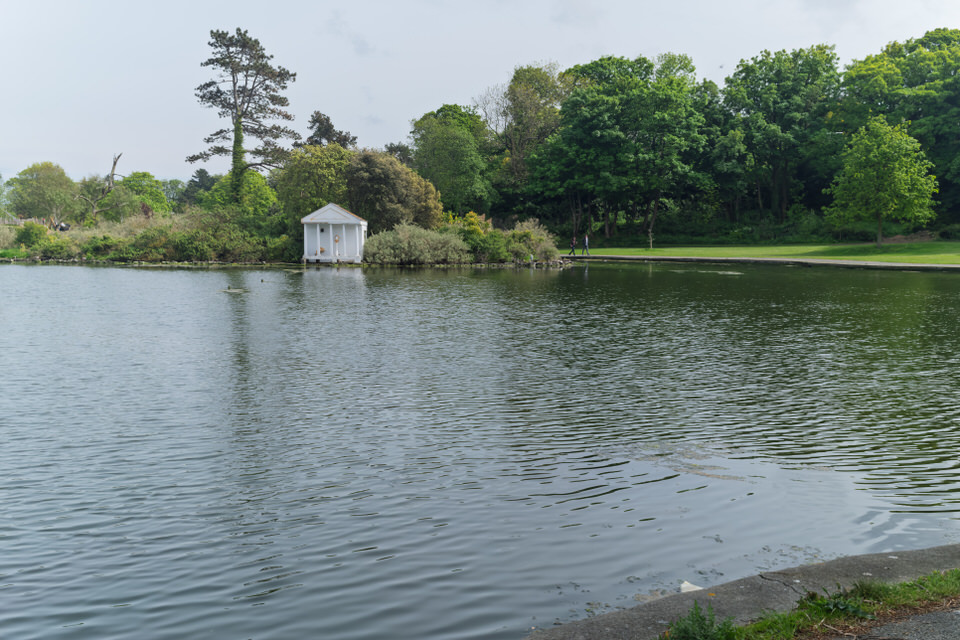 The Pond Area - Select Image To View Photographs
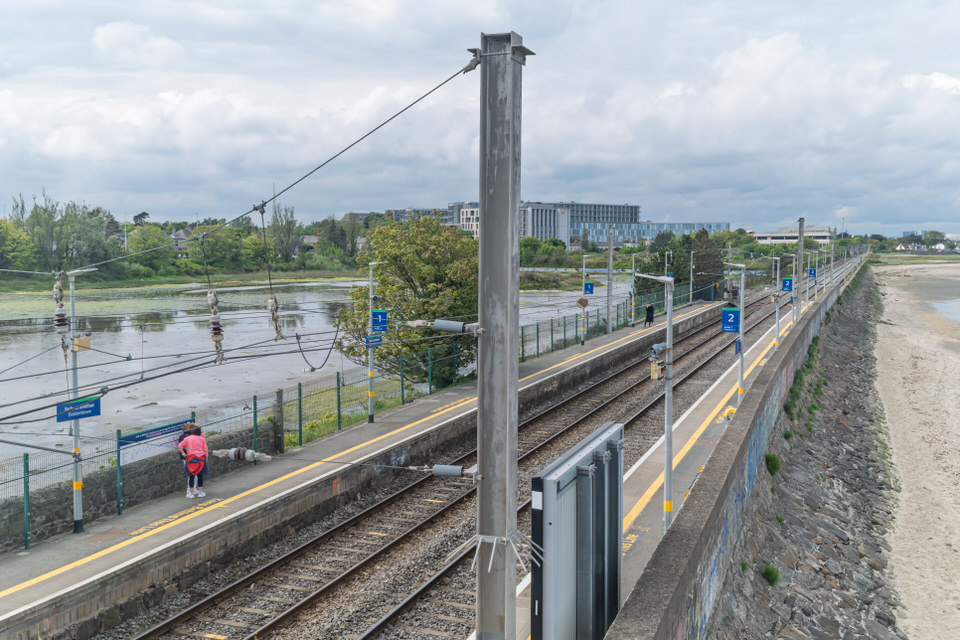 Booterstown - Select Image To View Photographs
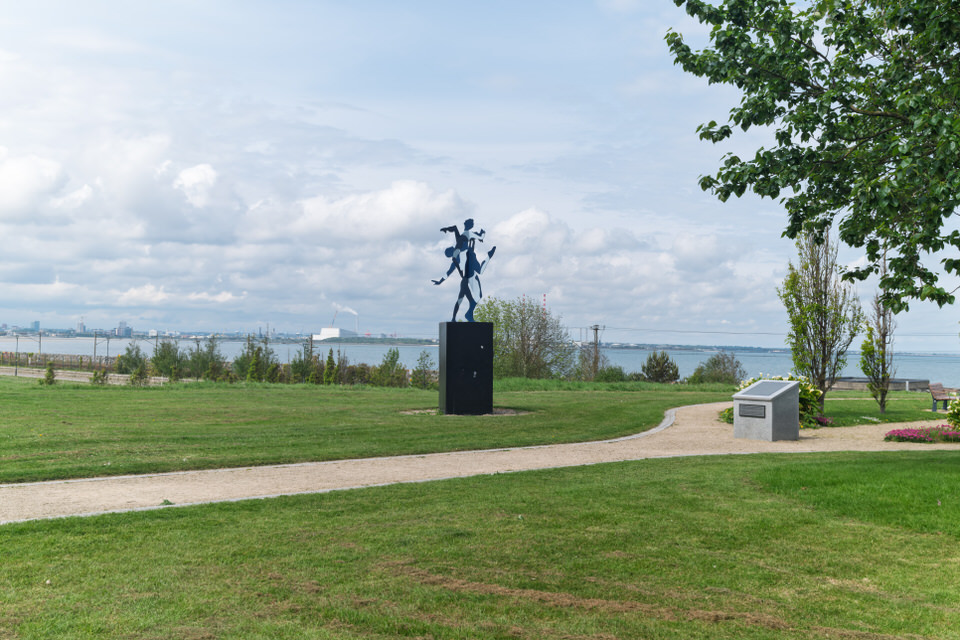 Cut Out People 2026 - Select Image To View Photographs
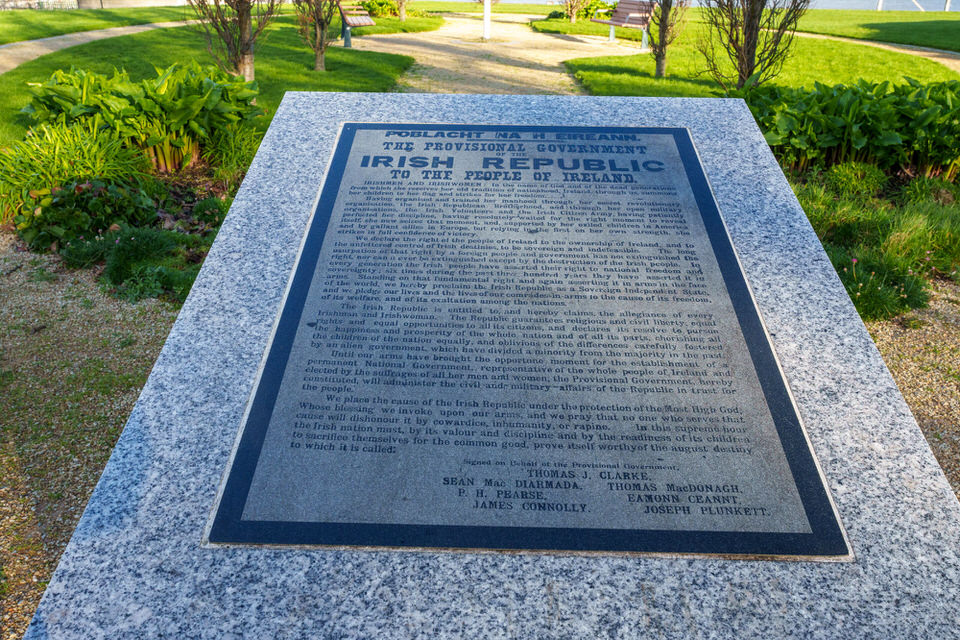 View The Sculpture - Select Image To View Photographs
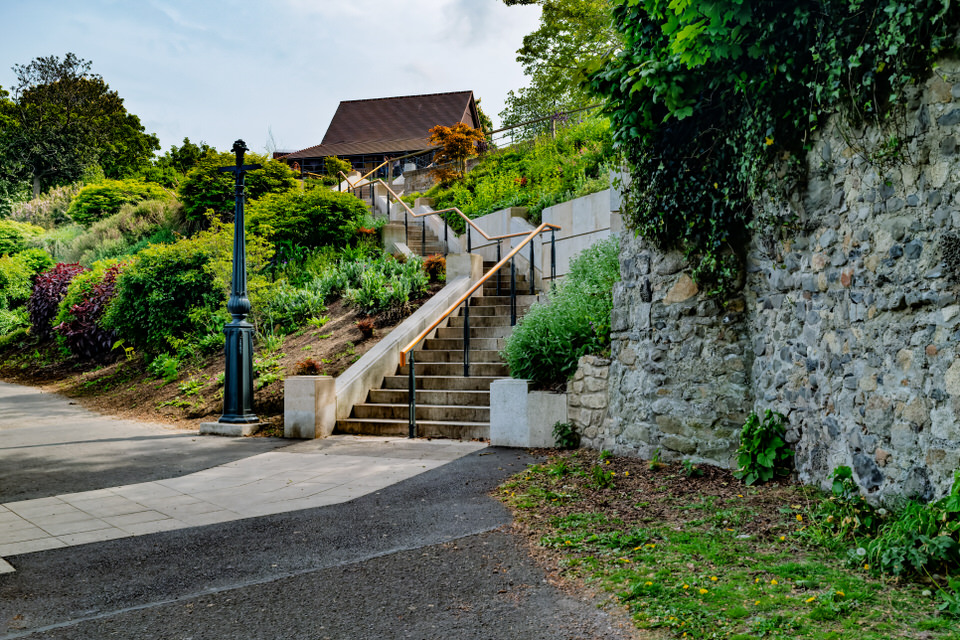 Mister Magpie Cafe - Select Image To View Photographs
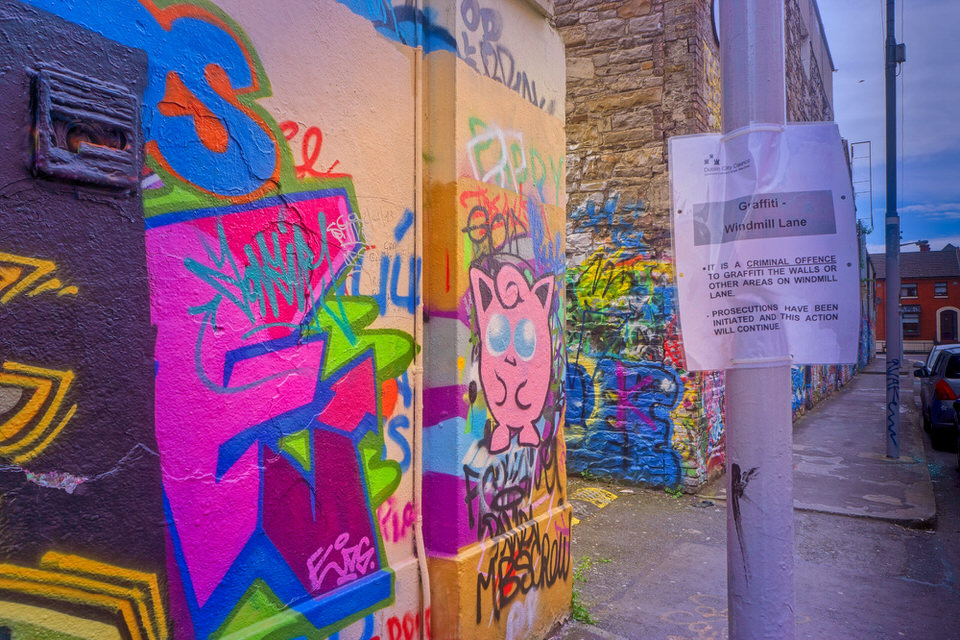 Graffiti Is Illegal In Ireland - Select Image To View Photographs
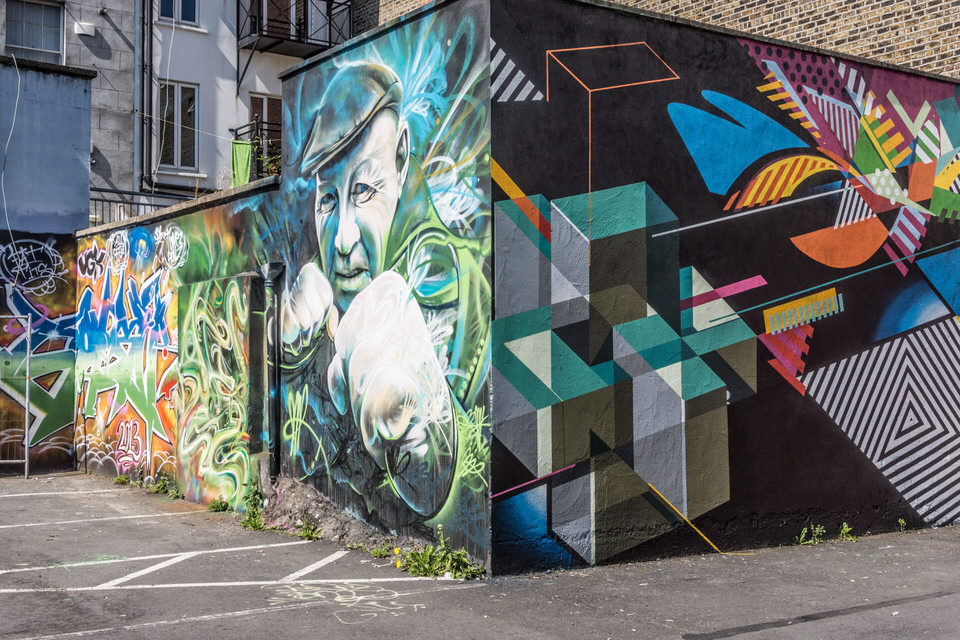 The Street Art - Select Image To View Photographs
 As It Was In 2016 - Select Image To View Photographs
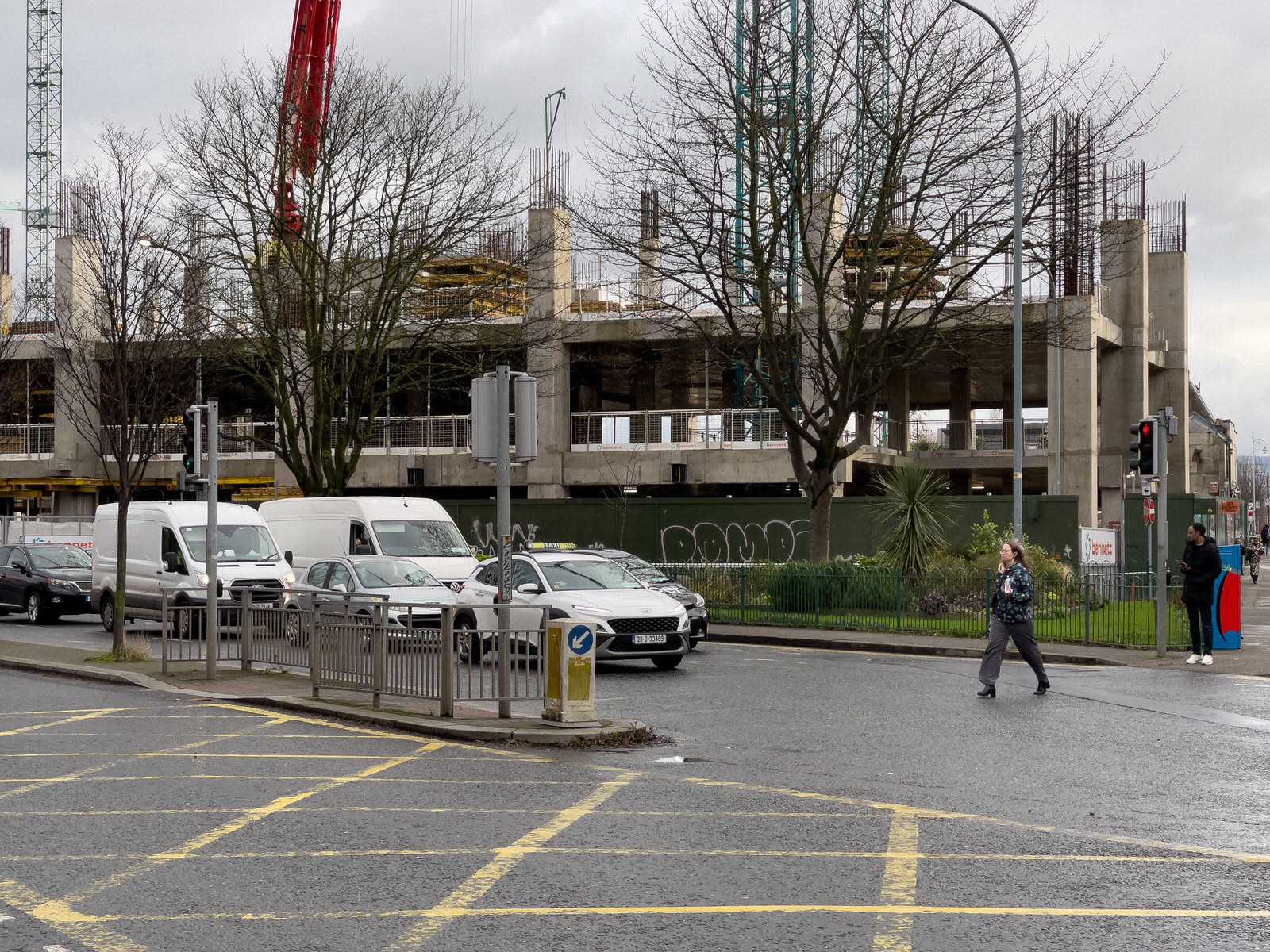 Camden Yard - Select Image To View Photographs
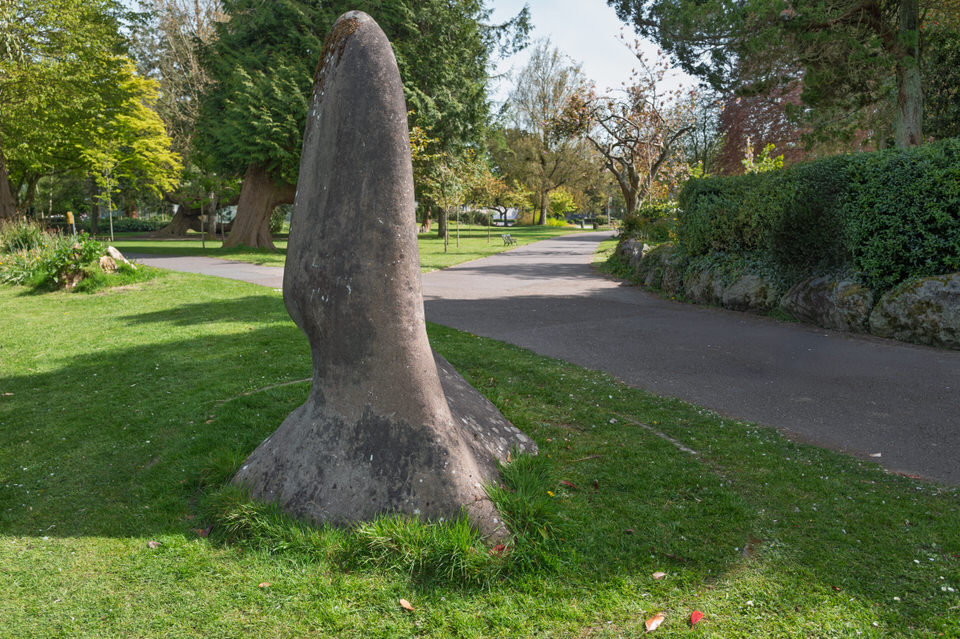 Abstract Sculptures - Select Image To View Photographs
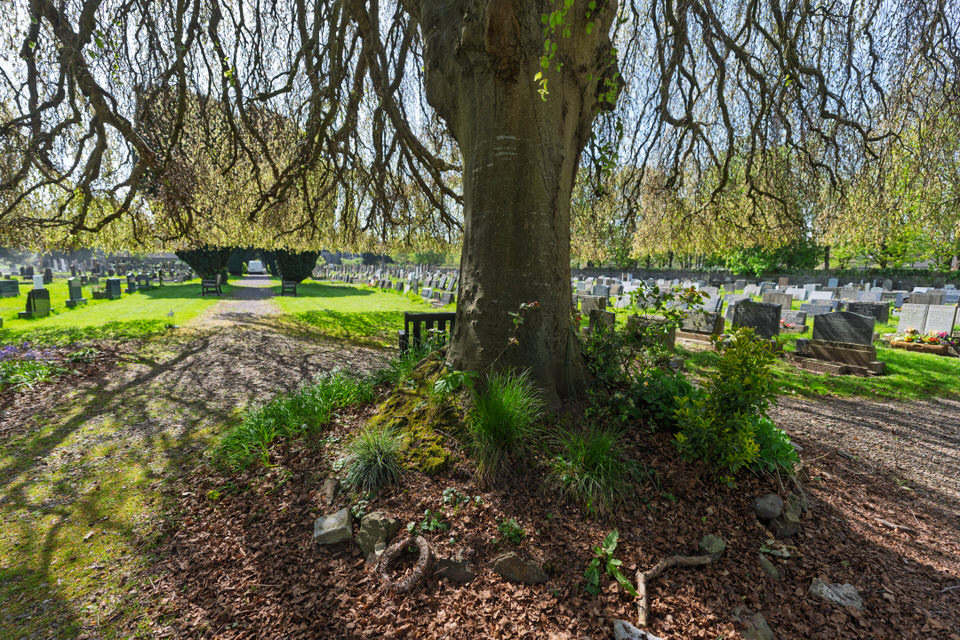 An Amazing Tree - Select Image To View Photographs
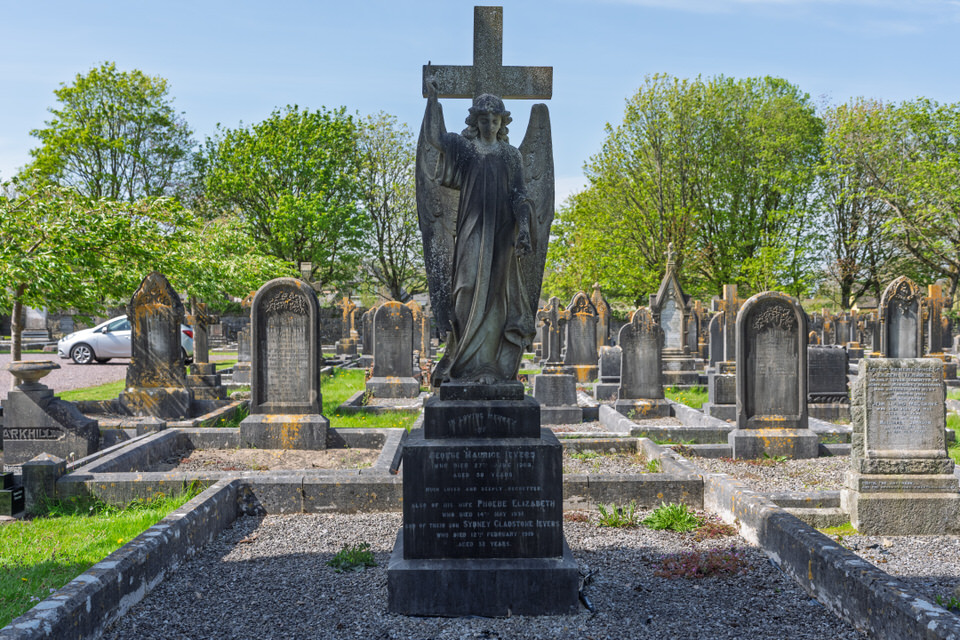 Old Churchyard - Select Image To View Photographs
VIEW HI-RES PHOTOGRAPHS
SONY A1 II
ABOUT THE JAMES JOYCE TOWER
GLOBAL INDEX OF PHOTO GALLERIES
CHRISTMAS CATALOG 2025
THE URBAN CARTOGRAPHER
EXCELLENT PICTURE THIS 2017
James Joyce Martello Tower In Context - Presented By The The Urban Cartographer
Who Is Building An Experience Which Is Getting Better Day By Day