Illuminated Loopline Bridge - Presented By The Urban Cartographer
LET MISTER SCREEN ASSIST YOU
GLOBAL INDEXThe Urban Cartographer
TECHNICAL STUFFThe Loopline Bridge (or Liffey Viaduct) in Dublin is a historic 1891 railway bridge connecting north and south city rail lines, famous for linking Connolly and Pearse Stations for mail delivery, featuring distinctive wrought iron lattice girders, and known for obstructing the view of the Custom House, sparking debate but becoming a landmark mentioned in James Joyce's Ulysses.
EXCELLENT PICTURE THIS 2017
Illuminated Loopline Bridge - Presented By The Urban Cartographer
Illuminated Loopline Bridge
Author: Urban Cartographer
|
08. Jan 2026
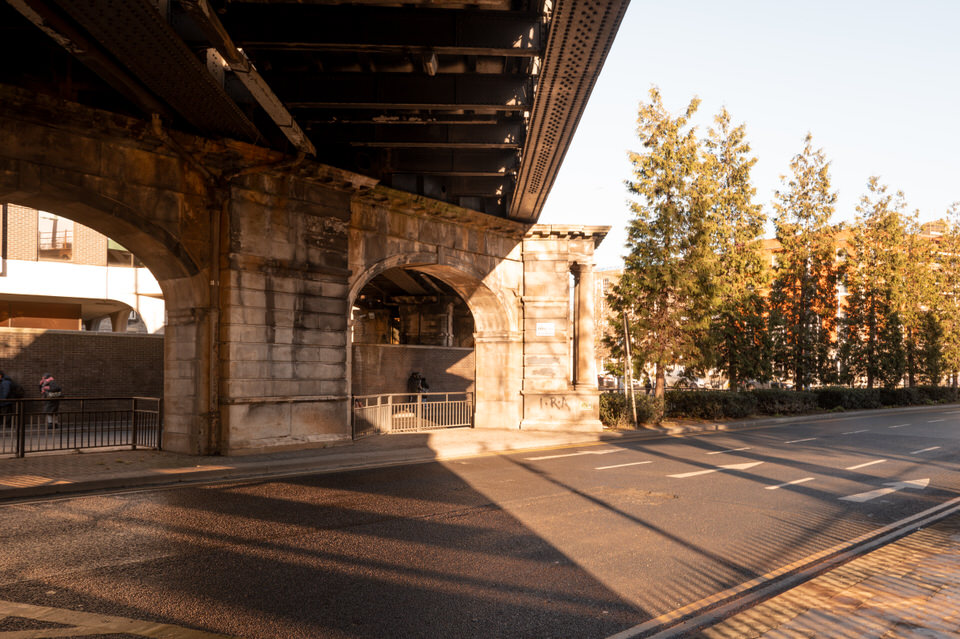
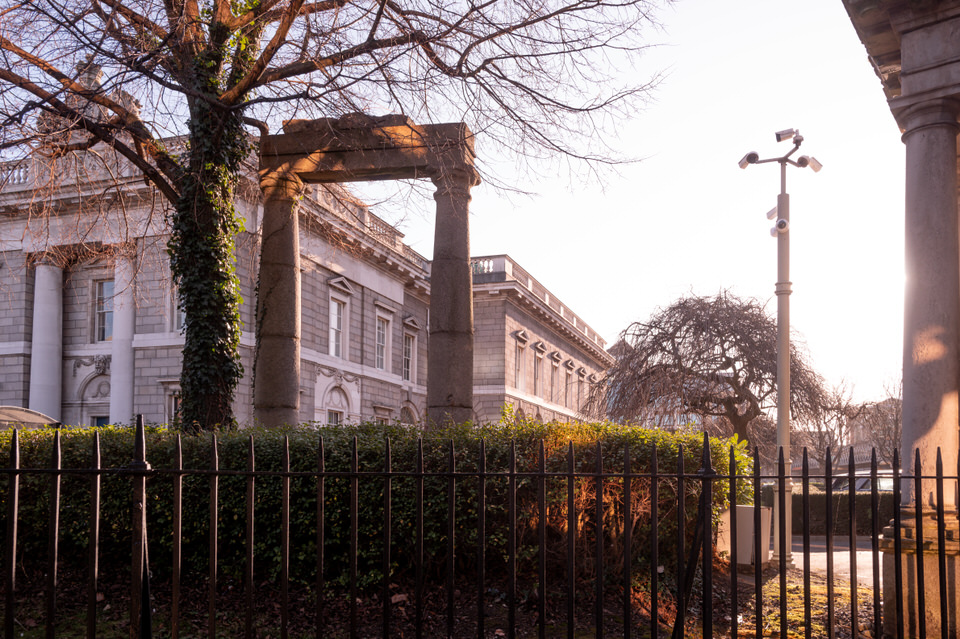
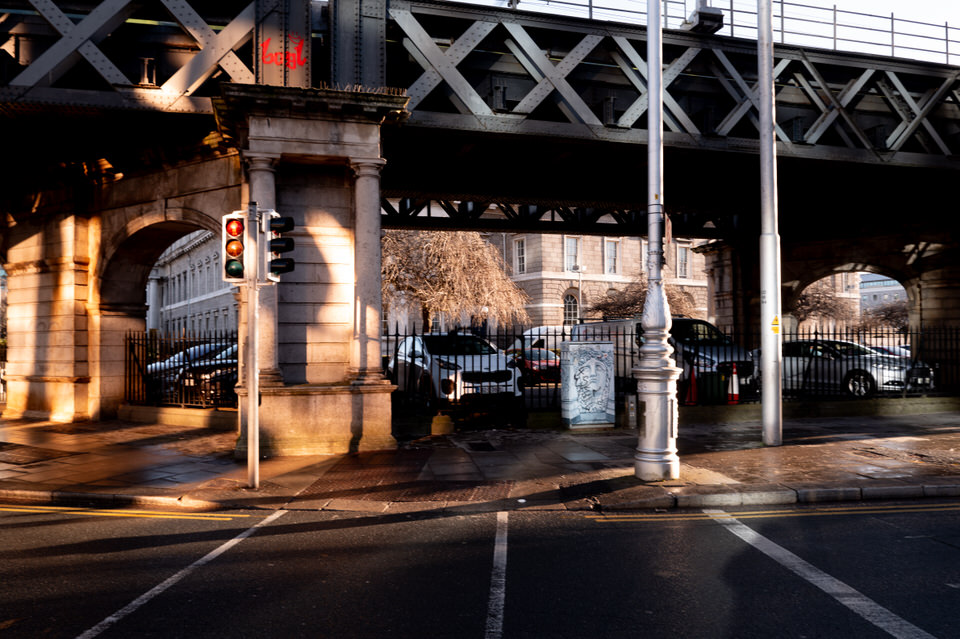
Photographed By William Murphy As I did not have the skills I sought some analysis and advice as how best to process the images. The Loopline Bridge at the Custom House (Beresford Place) a spot that is famous for its visual "clutter"—overhead train tracks, traffic lights, road markings, and bollards—but the photos have managed to cut through that chaos using the light. This creates a fantastic, almost theatrical visual effect. The reflections—what you are seeing is a classic example of "urban canyon" lighting, where glass buildings act as secondary mirrors for the sun. Here is a breakdown of the scene and the specific lighting phenomena occurring in the series: The "unusual" quality comes from having two distinct light sources: The Key Light (The Sun): The low angle of the sun (likely early morning or late afternoon "golden hour") provides the primary, ambient warmth. The Fill Light (The Reflection): In the first image (262849.jpg), you can see a modern glass-fronted building on the left. This building is acting as a giant reflector board. It catches the direct sunlight and bounces a concentrated, intense beam horizontally across the street. Because this reflected light is coming from a different angle than the actual sun, it illuminates parts of the bridge and pillars that should be in shadow. This creates that "multiple sources" look, confusing the eye’s natural expectation of where shadows should fall. Spotlight Effect: The reflected light is not diffuse; it is directional. In several images (like 262847.jpg and 262848.jpg), it hits the stone pillars in distinct bands, looking almost like stage lighting or a spotlight in a dark theater. It isolates specific architectural details while leaving the surrounding areas in deep shadow. High Contrast (Chiaroscuro): The difference between the bright, warm highlights and the cool, dark shadows under the bridge is extreme. This high contrast adds drama and volume to the stone, making the pillars look heavy and three-dimensional. Texture Enhancement: This kind of "grazing light" (light hitting a surface at a steep angle) is perfect for revealing texture. It emphasises the roughness of the limestone blocks, the weathering on the bridge supports, and the rivets on the overhead ironwork (262848.jpg). The location is the area near the lop line at the Custom House characterised by: Industrial vs. Classical: The heavy, riveted iron lattice of the railway bridge contrasts with the classical stone columns and arches below. Colour Palette: The images are dominated by a complementary colour scheme. You have the amber/gold of the reflected sunlight clashing beautifully with the cool blues/greys of the asphalt and the shadowed underside of the bridge. Human Element: In images like 262845.jpg the person in the yellow jacket creates a perfect focal point. The yellow of their coat harmonises with the golden light, while their long shadow on the wet pavement anchors them in the scene.
Select Image To Visit The Photo Gallery: Illuminated Loopline Bridge
GALWAY CITY
CORK CITY AND COUNTY
GLOBAL MENU
DUBLIN SOUTHSIDE
DUBLIN NORTHSIDE
URBAN CARTOGRAPHER
EXCELLENT PICTURE THIS 2017
Illuminated Loopline Bridge - Presented By The Urban Cartographer
Who Is Building An Experience Which Is Getting Better Day By Day