My First Time To Photograph The TU Campus Using A Sony A7RVI - Presented By The The Urban Cartographer And William Murphy
LET MISTER SCREEN ASSIST YOU
GLOBAL INDEXThe Urban Cartographer
TECHNICAL STUFFA comprehensive review of the TU Dublin Grangegorman campus development in 2026. Examining the historical masterplan, the persistent relocation delays facing Bolton Street College, and the growing anxieties of Stoneybatter and Henrietta Place residents regarding the proliferation of student accommodation and rapid urban transformation.
THE JUNE 2026 PHOTO GALLERIES
My First Time To Photograph The TU Campus Using A Sony A7RVI - Presented By The The Urban Cartographer And William Murphy
My First Time To Photograph The TU Campus Using A Sony A7RVI
Author: The Urban Cartographer And William Murphy
|
31. May 2026
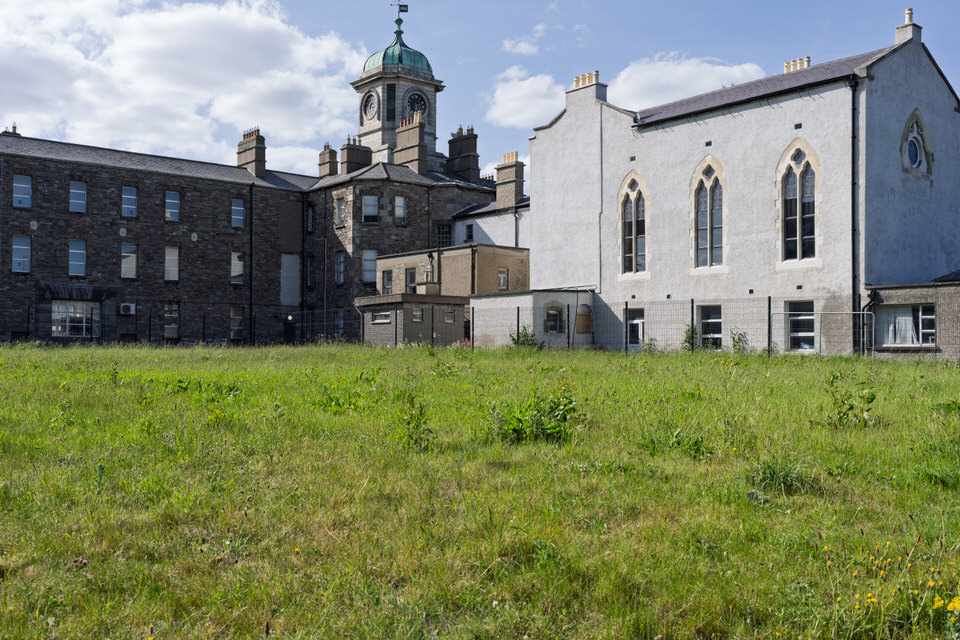
Having waited for about 8 months for the AI II body to arrived I was more than surprised that the A7RVI arrived in May rather than June ... the only problem being that I have only one battery. The other issue was the price of the CFexpress Type A cards but I will discuss this in a later discussion. The transformation of the 73-acre former St. Brendan’s Hospital grounds into the Technological University Dublin (TU Dublin) Grangegorman Campus stands as one of the most significant urban regeneration projects in modern Irish history. Conceived under the Grangegorman Development Agency (GDA) Act 2005, the masterplan aimed to consolidate TU Dublin’s fragmented city-centre footprint into a cohesive, world-class education and health hub. By 2026, this vision has largely materialised, fundamentally rewriting the urban fabric of Dublin 7 and Dublin 1. However, the sheer scale of the campus expansion has brought complex social, structural, and architectural challenges to its perimeter. The Footprint: Stoneybatter and Henrietta Place While the consolidation of the university has injected vibrant civic spaces, public amenities, and cultural life into the north inner city, it has also sparked acute anxieties regarding "studentification" in the adjacent historic neighbourhoods. In established urban enclaves like Stoneybatter—and along the residential corridors stretching past Bolton Street toward Henrietta Place—long-term residents increasingly feel that the unique character of their communities is being overwhelmed. Why Has Bolton Street College Stood Firm? A core objective of the Grangegorman masterplan was to completely vacate TU Dublin’s historic city-centre buildings, including Kevin Street, Aungier Street, and Bolton Street. While Kevin Street has transitioned and Aungier Street’s decanting is highly advanced, elements of the Bolton Street College (the School of Architecture and Building Services Engineeering) remain distinctly separate from the main campus. The delay in moving the remaining faculties from Bolton Street boils down to three distinct factors: The Bolton Street Hold-Up: Key Factors Current Status and Forthcoming Horizons As of mid-2026, the Grangegorman campus is operating at a mature capacity, with flagship structures like the Central Quad (Sciences, Health, and Culinary Arts) and the East Quad (Arts, Media, and Humanities) fully integrated into the campus lifecycle. The university’s strategic focus is heavily trained on its Climate Action Roadmap, striving for deep retrofits and testing geothermal energy production on-site to decarbonise the campus district heating network. Over the coming months, several pivotal developments are expected to transition from planning to physical reality: The West Quad Milestone Procurement and design stages for the highly anticipated West Quad are advancing rapidly. Positioned to the west of the Academic Hub, this structure will ultimately house the Faculty of Business (completing the relocation from Aungier Street), alongside the Schools of Law and Languages. Crucially for local residents, it features a planned ground-floor public route connecting the heart of the campus directly to Prussia Street, intended to foster greater physical permeability rather than isolated containment. Public Realm and Civic Spaces The GDA is set to roll out enhanced public realm frameworks, focusing on the completion of permanent outdoor sports pitches, recreational green spaces, and dedicated community-access facilities designed to break down the "town and gown" barrier that has troubled Stoneybatter and Henrietta Place residents.
MORE DETAILED CATALOG
I USED A NEW SONY A7RVI
LET MISTER SCREEN DIRECT YOU
GLOBAL INDEX OF PHOTO GALLERIES
DUBLIN NORTHSIDE
THE URBAN CARTOGRAPHER
THE JUNE 2026 PHOTO GALLERIES
My First Time To Photograph The TU Campus Using A Sony A7RVI - Presented By The The Urban Cartographer And William Murphy
Who Is Building An Experience Which Is Getting Better Day By Day