New Hospitality Axis - Strand Street Great to Little - Presented By The Urban Cartographer
LET MISTER SCREEN ASSIST YOU
GLOBAL INDEXThe Urban Cartographer
TECHNICAL STUFFThe Strand Street corridor in Dublin is undergoing a total transformation into a hotel hub. Featuring major projects like the Marlet Abbey Street development and the new July Hotel, this article explores the impact on the area and how local staples like Yamamori are adapting their premises to face this new wave of tourism.
EXCELLENT PICTURE THIS 2017
New Hospitality Axis - Strand Street Great to Little - Presented By The Urban Cartographer
New Hospitality Axis - Strand Street Great to Little
Author: Urban Cartographer
|
20. Jan 2026
Photographed By William Murphy
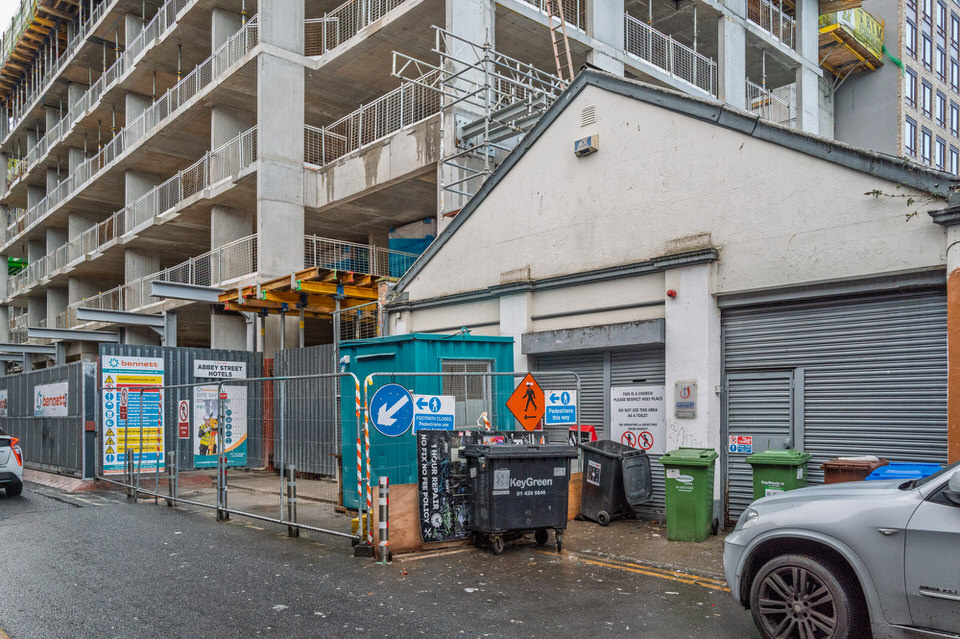
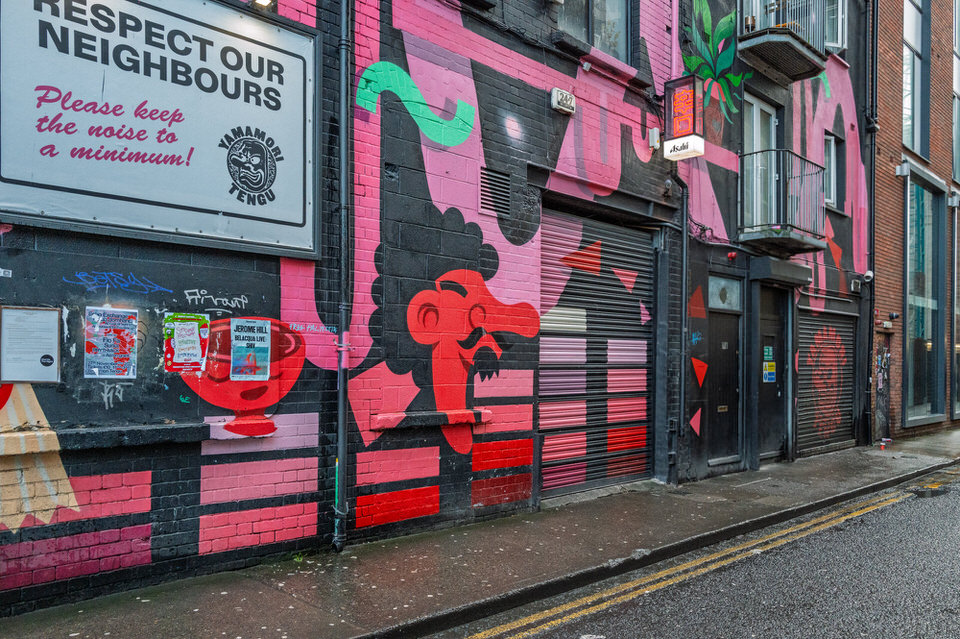
The geography of this area is split by the now-pedestrianised Capel Street. To the east lies Strand Street Great, which is currently dominated by the massive "Project Ash" development. To the west, Strand Street Little retains a narrower, more historic feel but is the site of two major hospitality anchors that will redefine the street's character. This colossal dual-hotel development by the Marlet Property Group occupies the block between Middle Abbey Street and Strand Street Great. The Scale: It features a Marriott Courtyard (facing Abbey Street) and a Marriott Residence Inn (facing Strand Street Great). Capacity: Combined, these provide nearly 500 rooms. Impact: Scheduled for completion in 2026, this project replaces what was effectively a "dead" warehouse wall with active retail units and hotel lobbies, fundamentally shifting the footfall of Strand Street Great from delivery vans to thousands of international tourists. At the intersection where "Great" becomes "Little," the July Hotel (an aparthotel brand by City ID) is nearing completion. Design: This project involves the controversial demolition of the former Dublin Working Men’s Club and the refurbishment of 162 Capel Street. Feature: It will include a public "neighbourhood deli" and bar on the ground floor, specifically designed to bridge the gap between the hotel guests and the local Capel Street community. The "missing piece" of the puzzle is the Ormond Hotel. Historically significant as a setting in James Joyce’s Ulysses, the site has been in a "frozen" state for years. However, as of 2025/2026, there are renewed signs of life. The Plan: A 121-bedroom hotel that seeks to integrate the historic quay frontage with a modern extension back onto Strand Street Little. Status: While progress has been intermittent, the completion of its neighbours (The July and Project Ash) has placed immense economic pressure on this site to finally reach completion. As the street transforms from a service lane into a "front-door" destination, existing businesses are being forced to choose: remain a "back-of-house" operation or pivot to face the new market. Yamamori, whose properties (Nos. 34–37) back onto Strand Street Great, serves as a prime example of this adaptation. Historically, Yamamori’s Strand Street presence was primarily for waste management, staff access, and the late-night entrance to Tengu. However, recent planning activity (Ref: 3830/20 and 2025 amendments) reveals a strategic "flip" of the business orientation: The Collection Window: Yamamori has sought permission to unblock original windows and install a new sliding sash window specifically for food delivery and collection. This creates a literal point of sale facing the new hotels. Ticket Booths & Cloakrooms: By formalising the entrance with a dedicated ticket booth and cloakroom area, they are transforming a "back door" into a professional, high-capacity venue entrance. Kitchen Migration: Moving prep areas and patron toilets to the ground floor near the Strand Street façade suggests that the business expects this street—not just the Quays—to be a primary source of walk-in traffic. Analysis: Yamamori's strategy reflects a broader trend: as the Marlet development brings thousands of hungry guests to their back door, the "back door" must now become a second "front door." The clustering of these hotels will undoubtedly revitalise a previously neglected part of Dublin. The increased lighting, security, and footfall will make Strand Street feel safer and more vibrant. However, the saturation of transient accommodation raises concerns about the "hollowing out" of the area's permanent residential character. For businesses like Yamamori, the shift is an opportunity for growth, but for the area's remaining industrial heritage, the era of the "quiet backstreet" is officially over.
Select Image To Visit The Photo Gallery: New Hospitality Axis - Strand Street Great to Little
GALWAY CITY
CORK CITY AND COUNTY
GLOBAL MENU
DUBLIN SOUTHSIDE
DUBLIN NORTHSIDE
URBAN CARTOGRAPHER
EXCELLENT PICTURE THIS 2017
New Hospitality Axis - Strand Street Great to Little - Presented By The Urban Cartographer
Who Is Building An Experience Which Is Getting Better Day By Day