Graffiti Is Illegal In Ireland - Presented By The The Urban Cartographer
LET MISTER SCREEN ASSIST YOU
GLOBAL INDEXThe Urban Cartographer
TECHNICAL STUFFExplore the history and demolition of Dublin's famous U2 graffiti wall at Windmill Lane, the evolution of Irish graffiti legislation, and how community art initiatives like Dublin Canvas are transforming the urban landscape.
EXCELLENT PICTURE THIS 2017
Graffiti Is Illegal In Ireland - Presented By The The Urban Cartographer
Graffiti Is Illegal In Ireland
Author: The Urban Cartographer
|
05. May 2026
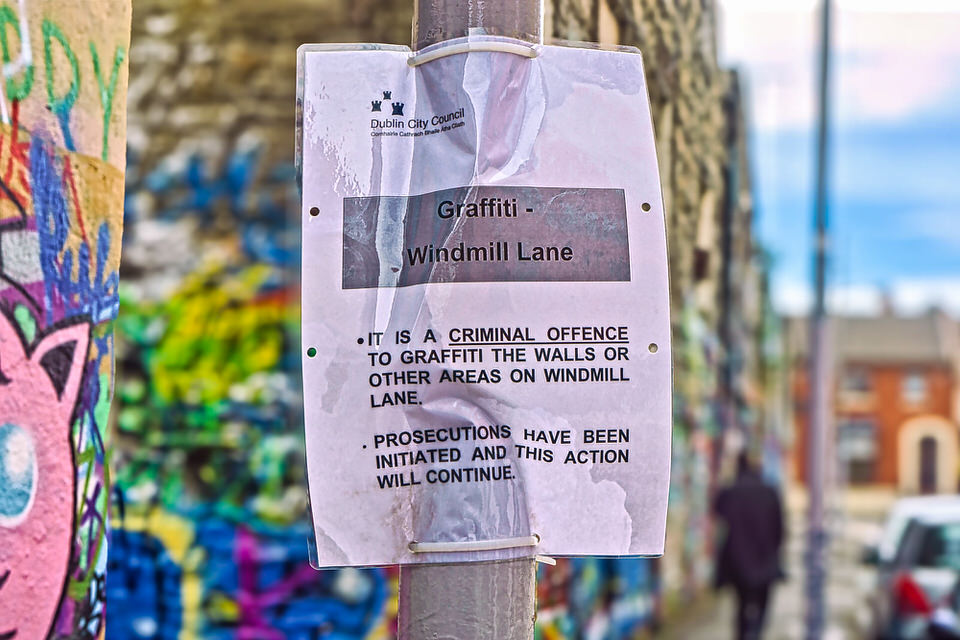
Back in May 2013 I photograph the street art at Windmill Lane where the famous U2 recording studio was once located and to be honest the area was a total mess and many residents found it to be overpowering and distressing. The Rise and Fall of the U2 Wall: Graffiti, Law, and Urban Evolution at Windmill Lane For years, the graffiti wall at the old Windmill Lane Studios stood as a vibrant, chaotic monument to fans of U2 and street artists alike. While many believed that leaving a mark there was completely legal, the reality was somewhat different. Fast forward to May 2023, and stark official notices made the situation undeniable: "It Is A Criminal Offence To Graffiti The Walls Or Other Areas On Windmill Lane." This evolution brings up fascinating questions regarding the legal status of street art, the demolition of a cultural landmark, and how urban developers are now tackling the issue of random tagging. Graffiti and the Law: 2013 versus Today Back in 2013, graffiti fell under two primary pieces of Irish legislation: the Criminal Damage Act 1991 and the Litter Pollution Act 1997. Under Section 19 of the Litter Pollution Act, defacing structures without the owner's permission was an offence punishable by on-the-spot fines or court prosecution. For more severe defacement, the Criminal Damage Act 1991 was utilised, carrying heavier penalties. Has the law changed since 2013? Fundamentally, the legal framework remains intact. The primary difference lies in enforcement and public messaging. The prominent warning signs erected at Windmill Lane in 2023 highlight a stricter enforcement approach by local authorities and property owners, rather than new legislation. The core statutes making unauthorised tagging a criminal offence have been consistently applied throughout the decade. The Demolition of the U2 Wall The original Windmill Lane Studios, a site of pilgrimage where U2 recorded albums like 'Boy' and 'The Joshua Tree', closed its doors in the 1990s when operations relocated to Ringsend. The derelict site, however, continued to attract international fans and artists who covered the walls in layers of paint. In May 2014, property investment company Hibernia REIT acquired the site. By April 2015, demolition commenced. At the time, Hibernia REIT announced plans to salvage a 20-metre section of the historic graffiti wall. Proposals included recreating the wall in the atrium of a new building, donating it to Dublin City Council, or handing it over to a charity for auction. Despite these announcements, observers photographing the demolition noted the seemingly complete destruction of the masonry. It is highly likely that while a specific section was carefully dismantled for preservation, the vast majority of the boundary walls were ground into dust. The confusion is further compounded by another highly tagged wall over at nearby Hanover Quay, which fans often mistakenly associate with the primary Windmill Lane studio. The Redevelopment of Windmill Lane Following the demolition, the area underwent a massive transformation. The derelict, culturally rich site was redeveloped into a modern, mixed-use precinct known as the Windmill Quarter. This development replaced the graffiti-strewn ruins with sleek office blocks, retail spaces, and residential units. While an architectural nod remains, the gritty, underground atmosphere of the old Windmill Lane has been entirely overwritten by contemporary urban gentrification. Commercial Murals and the "Paint-a-Box" Strategy As the city modernises, authorities have shifted tactics to manage graffiti. Instead of relying solely on punitive laws, there is a growing trend of using commissioned art to deter random tagging. Initiatives like the "Dublin Canvas" project—which began as a trial around 2013 and expanded significantly by 2015—utilise a "paint-a-box" strategy. Traffic signal boxes, typically magnets for unsightly tags, are assigned to community volunteers and artists who transform them into colourful murals. Taggers adhere to an unspoken code of respect and rarely deface established, vibrant artwork. Similarly, commercial murals are increasingly popular on gable walls. Brands sponsor artists to create large-scale, hand-painted advertisements. These sponsored spaces are actively maintained, and their presence deters opportunistic vandalism. By commercialising and curating street art, the city effectively reduces the canvas available for illegal graffiti while still retaining an urban aesthetic. The story of Windmill Lane serves as a microcosm of Dublin's changing relationship with street art: moving away from organic, unregulated expression towards curated community canvases and sleek, policed developments.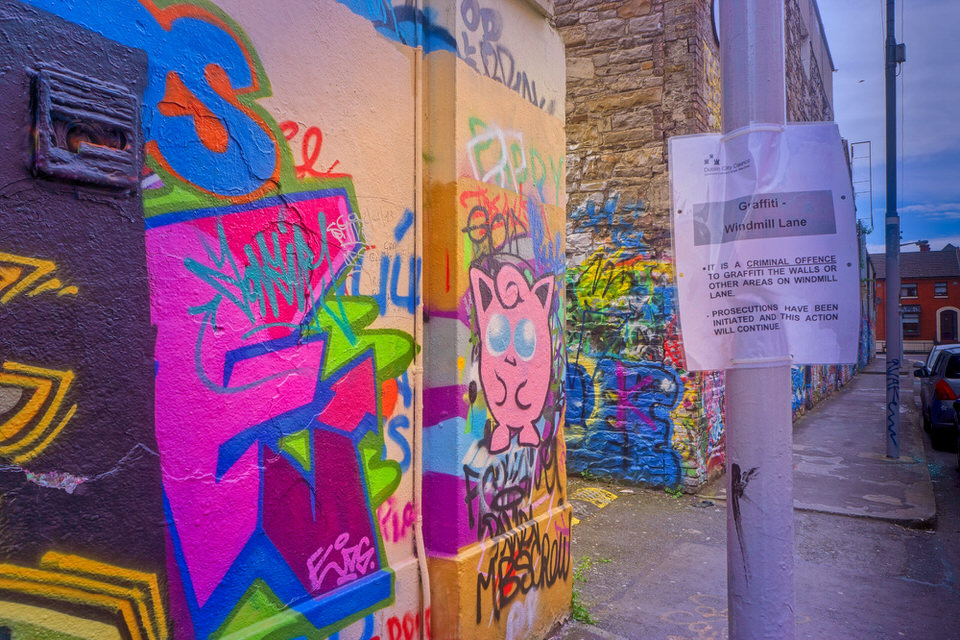 Graffiti Is Illegal In Ireland - Select Image To View Photographs
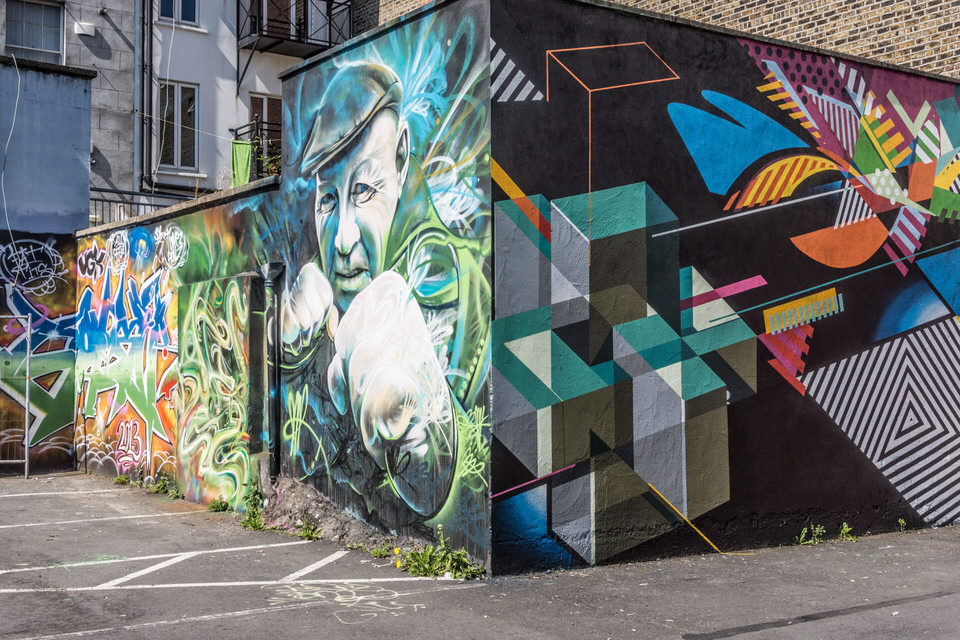 The Street Art - Select Image To View Photographs
 As It Was In 2016 - Select Image To View Photographs
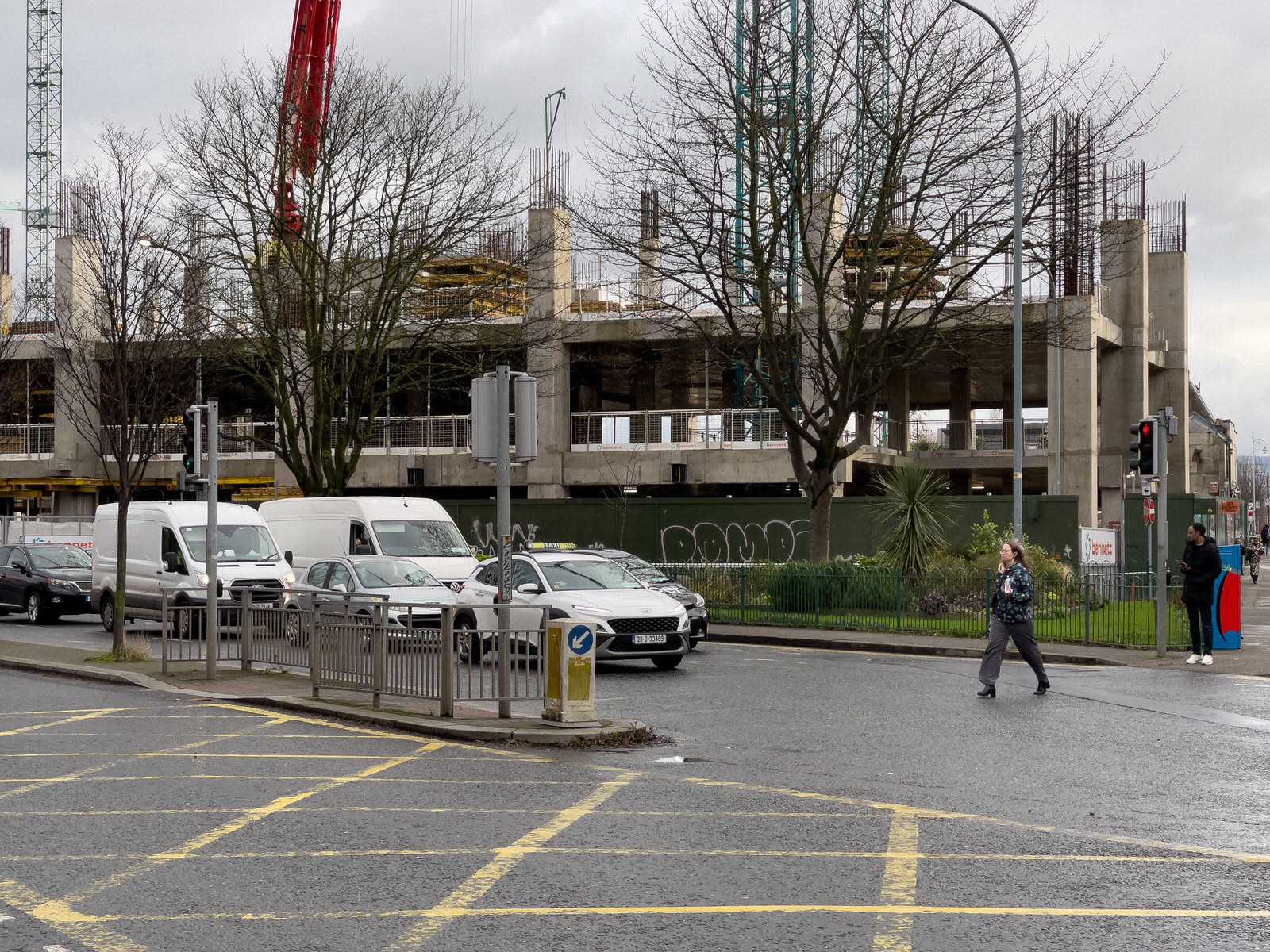 Camden Yard - Select Image To View Photographs
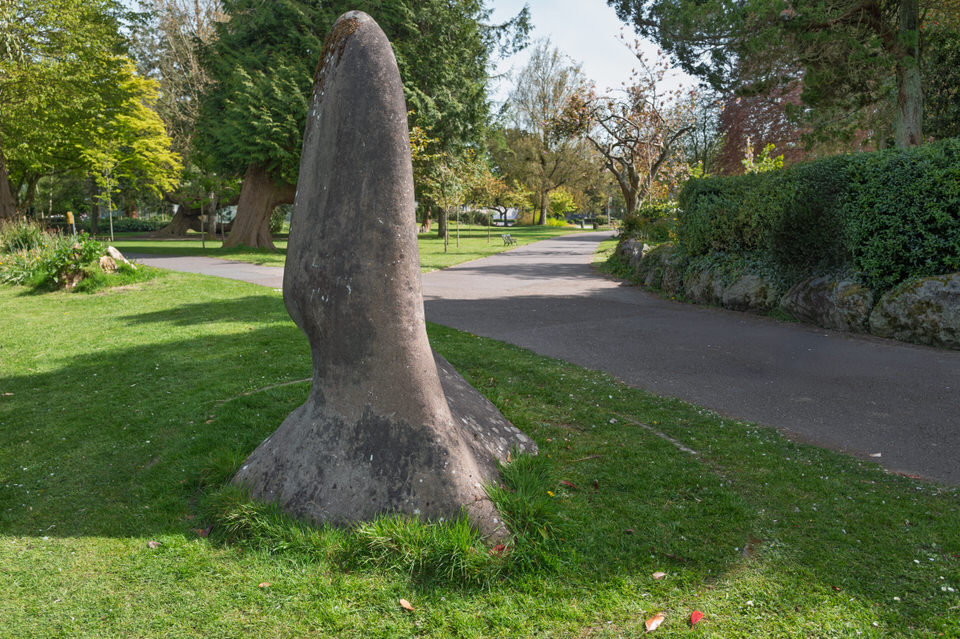 Abstract Sculptures - Select Image To View Photographs
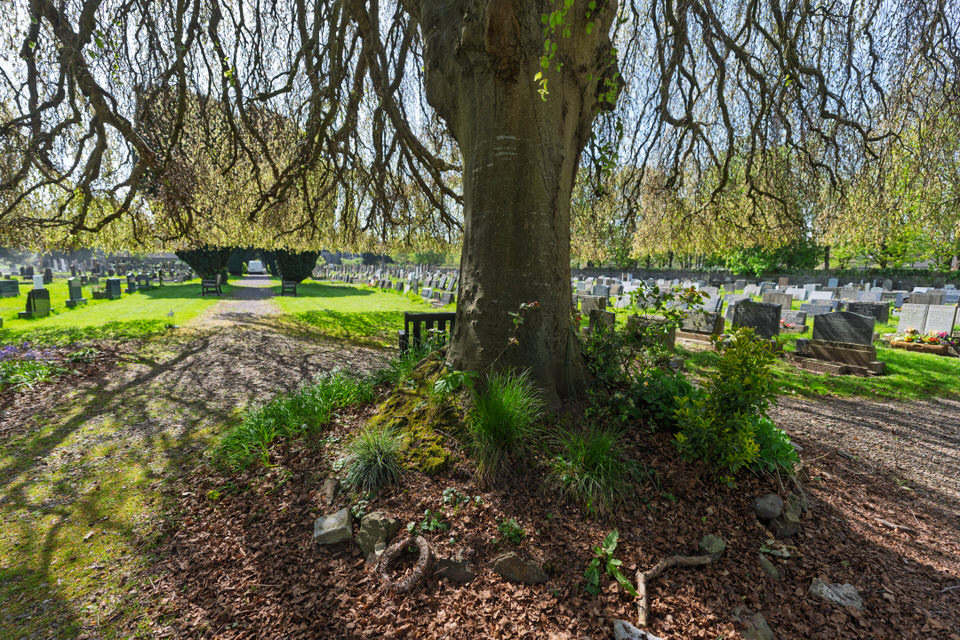 An Amazing Tree - Select Image To View Photographs
 Old Churchyard - Select Image To View Photographs
VIEW HI-RES PHOTOGRAPHS
SONY NEX-7 COLLECTION
THE LAST DAYS OF THE U2 WALL
GLOBAL INDEX OF PHOTO GALLERIES
URBAN EXPRESSION
THE URBAN CARTOGRAPHER
EXCELLENT PICTURE THIS 2017
Graffiti Is Illegal In Ireland - Presented By The The Urban Cartographer
Who Is Building An Experience Which Is Getting Better Day By Day