Electric Fury By Sonny Sundancer - Presented By The The Urban Cartographer
LET MISTER SCREEN ASSIST YOU
GLOBAL INDEXThe Urban Cartographer
TECHNICAL STUFFThe 2016–2017 Waterford Walls festivals marked a pivotal shift in the city's cultural narrative. By reframing derelict walls as canvases for hope, the project successfully reinstated civic pride and repositioned Waterford as a dynamic hub for public art. For the photographer, these remastered images serve as a record of a city in the midst of a profound visual and social reclamation.
EXCELLENT PICTURE THIS 2017
Electric Fury By Sonny Sundancer - Presented By The The Urban Cartographer
Electric Fury By Sonny Sundancer
Author: The Urban Cartographer
|
12. May 2026
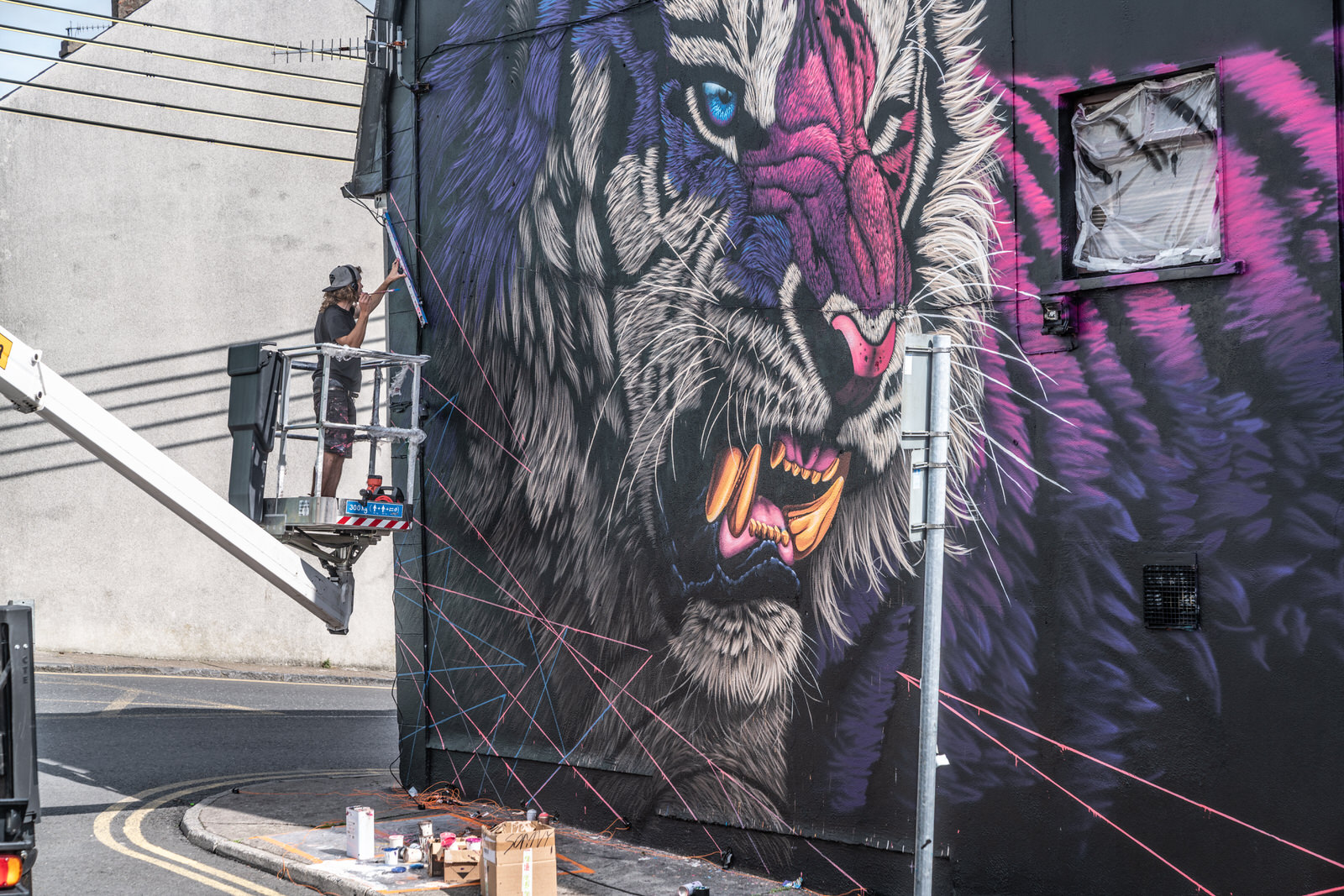
A retrospective look at the transformative power of the Waterford Walls festival, featuring remastered photography of Sonny’s "Electric Fury" tiger mural. Explore the history of urban reclamation in Ireland's oldest city through the lens of the built environment. The Electric Fury: A Retrospective on Waterford Walls The following account has been revised for clarity and logical flow, documenting the 2017 encounter with Sonny’s work within the broader context of the festival’s evolution. Introduction: Artistic Vision Amidst Urban Decay The Waterford Walls festival emerged as a visceral response to a period of profound economic stagnation. By the mid-2010s, the city centre was struggling with the fallout of the recession—marked by vacant factories, boarded-up storefronts, and a palpable sense of atmospheric "hopelessness." Co-founder Edel Tobin envisioned the festival as a way to re-energise these symbols of failure, transforming the city's derelict skin into a vibrant public gallery. The 2016 and 2017 iterations represented a significant maturation of this movement. With a progressive operational model that granted artists access to the entire city, the initiative fostered a unique "mutual trust" between the local council, property owners, and the creative community. The Encounter: Sonny’s "Electric Fury" On 23 August 2017, I revisited Newgate Street to document the completed mural by the artist Sonny (often referred to as Sonny Sundancer). Titled Electric Fury, the piece features a magnificent, vibrantly coloured tiger—a signature of Sonny’s work which often highlights endangered wildlife. Having photographed the artist in action earlier that week, I returned on the final day to gauge the local reception. The atmosphere was overwhelmingly positive; residents expressed genuine excitement at having such a "standout" piece in their neighbourhood. It was clear that the work had achieved the festival’s primary goal: encouraging people to "lift their eyes" and reconnect with their urban surroundings. Challenges on the Ground: Friction and Elements Documenting the festival was not without its trials. Navigating the trail proved difficult as the available maps lacked precision, often leading to aimless wandering. Furthermore, the persistent Irish weather meant that nearly half of my visit was spent indoors, as my equipment at the time lacked the robust weather-sealing required for such conditions. More significantly, I encountered a physical confrontation that highlighted the lingering tensions regarding street art. While I was photographing a mural by the artist Arcy, an individual intervened, physically placing a hand over my lens. He accused the act of documentation as supporting "anti-social behaviour." Unfortunately, the interaction resulted in more than just greasy streaks on the glass; a sharp object in his hand caused permanent damage to the wide-angle lens, necessitating a professional repair upon my return to Dublin. Public Discourse: Tension and Triumph The festival sparked a necessary debate on the role of art in the public square. While brand ambassadors like Brent Pope urged the public to embrace the transformation, some conservative voices argued via social media that art should remain confined to traditional galleries, advocating for a "grey and uniform" city. There were also practical frictions regarding artistic freedom versus community consensus. A local councillor famously criticised a mural on the former Xtra-vision premises as "dreary," highlighting the difficulty of achieving a universal aesthetic. However, the enduring legacy of the 2017 festival was one of success. Murals like Joe Caslin’s Ar scáth a chéile a mhaireann na daoine (addressing mental health) and Louis Masai’s wildlife pieces demonstrated that these works were more than cosmetic—they were vehicles for social dialogue. The fact that many of these murals remained unblemished by vandalism in the years following their creation is a testament to the community's sense of ownership and pride. Conclusion The 2016–2017 Waterford Walls festivals marked a pivotal shift in the city's cultural narrative. By reframing derelict walls as canvases for hope, the project successfully reinstated civic pride and repositioned Waterford as a dynamic hub for public art. For the photographer, these remastered images serve as a record of a city in the midst of a profound visual and social reclamation.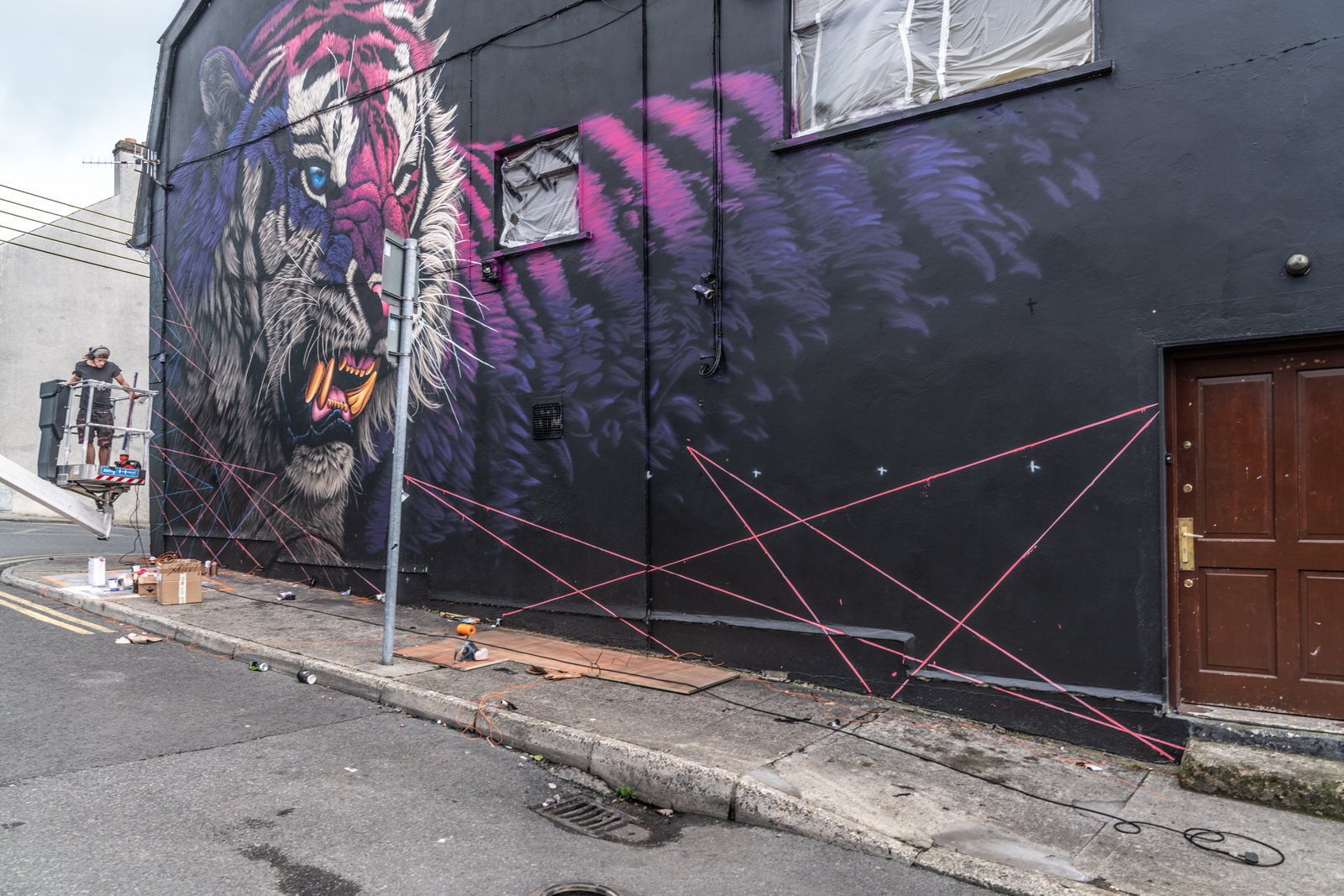 Electric Fury By Sonny Sundancer - Select Image To View Photographs
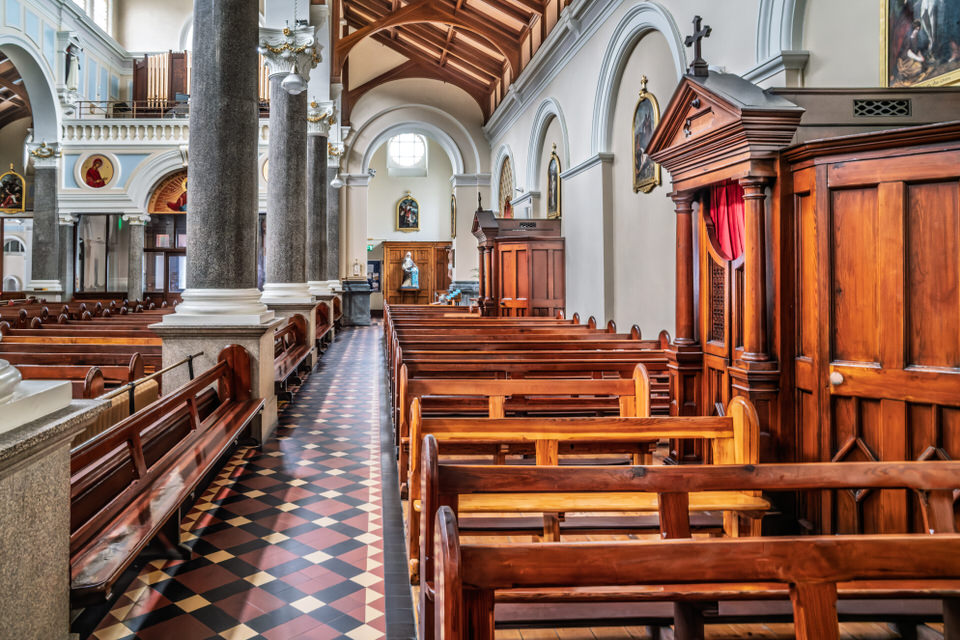 Church On Bridge Street - Select Image To View Photographs
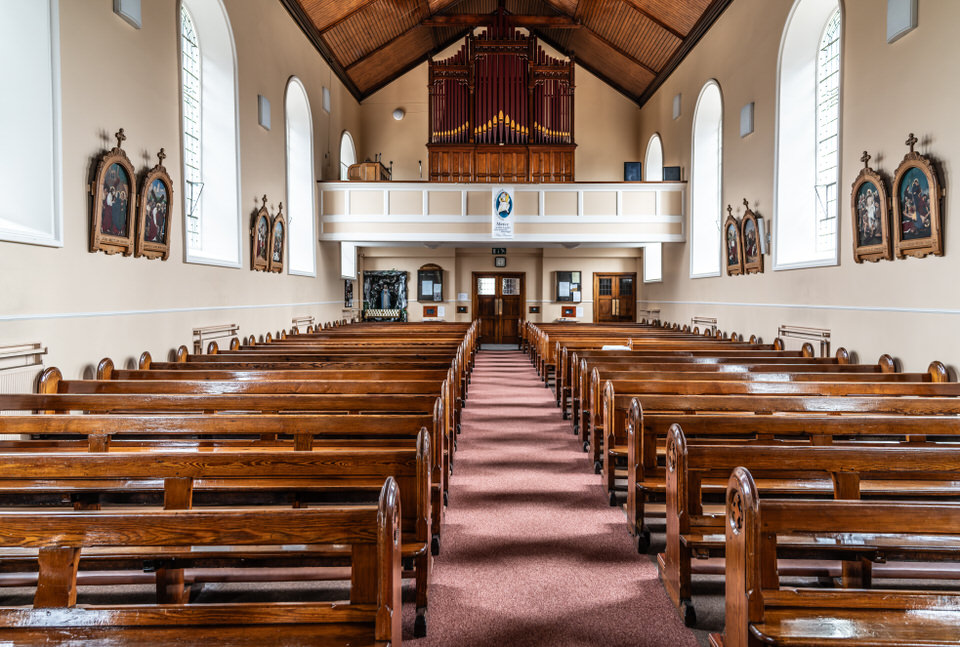 Ballybricken Church - Select Image To View Photographs
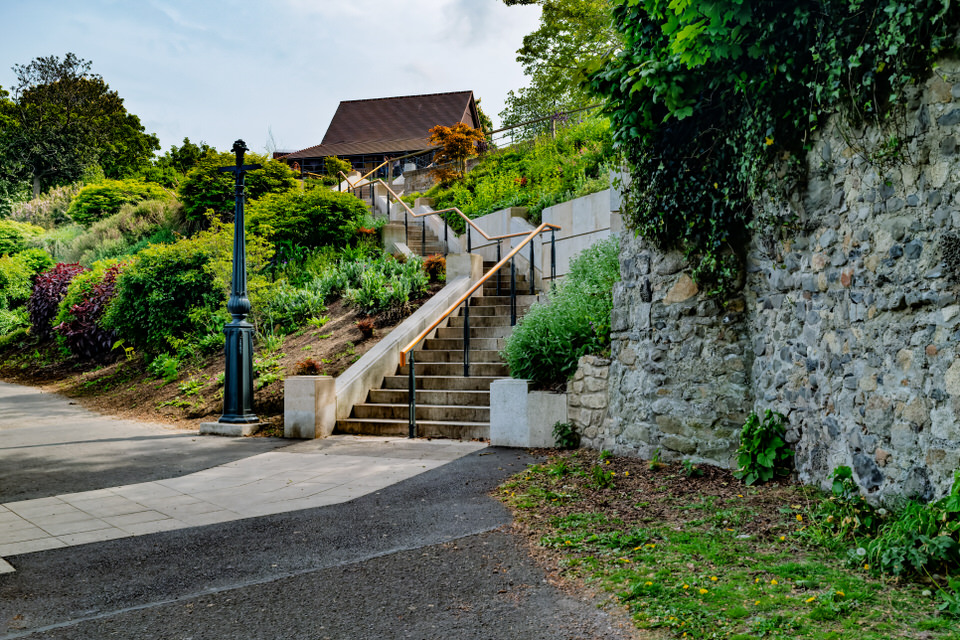 Mister Magpie Cafe - Select Image To View Photographs
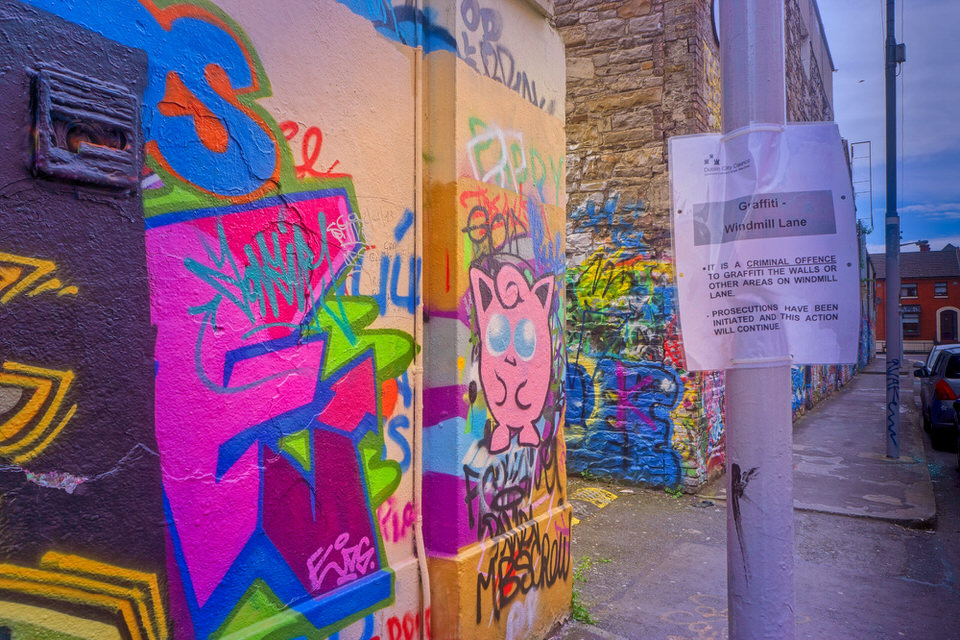 Graffiti Is Illegal In Ireland - Select Image To View Photographs
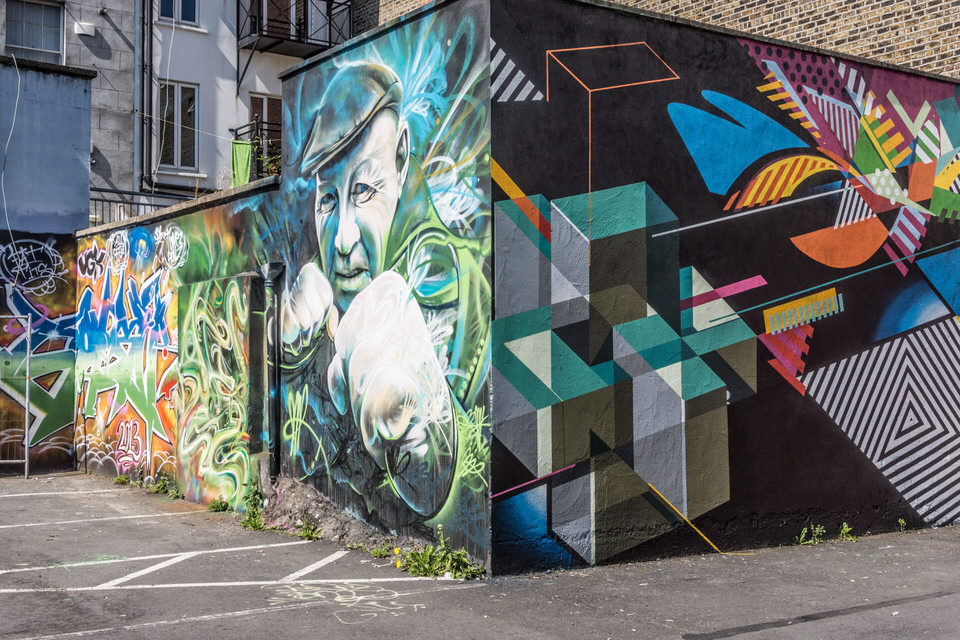 The Street Art - Select Image To View Photographs
 As It Was In 2016 - Select Image To View Photographs
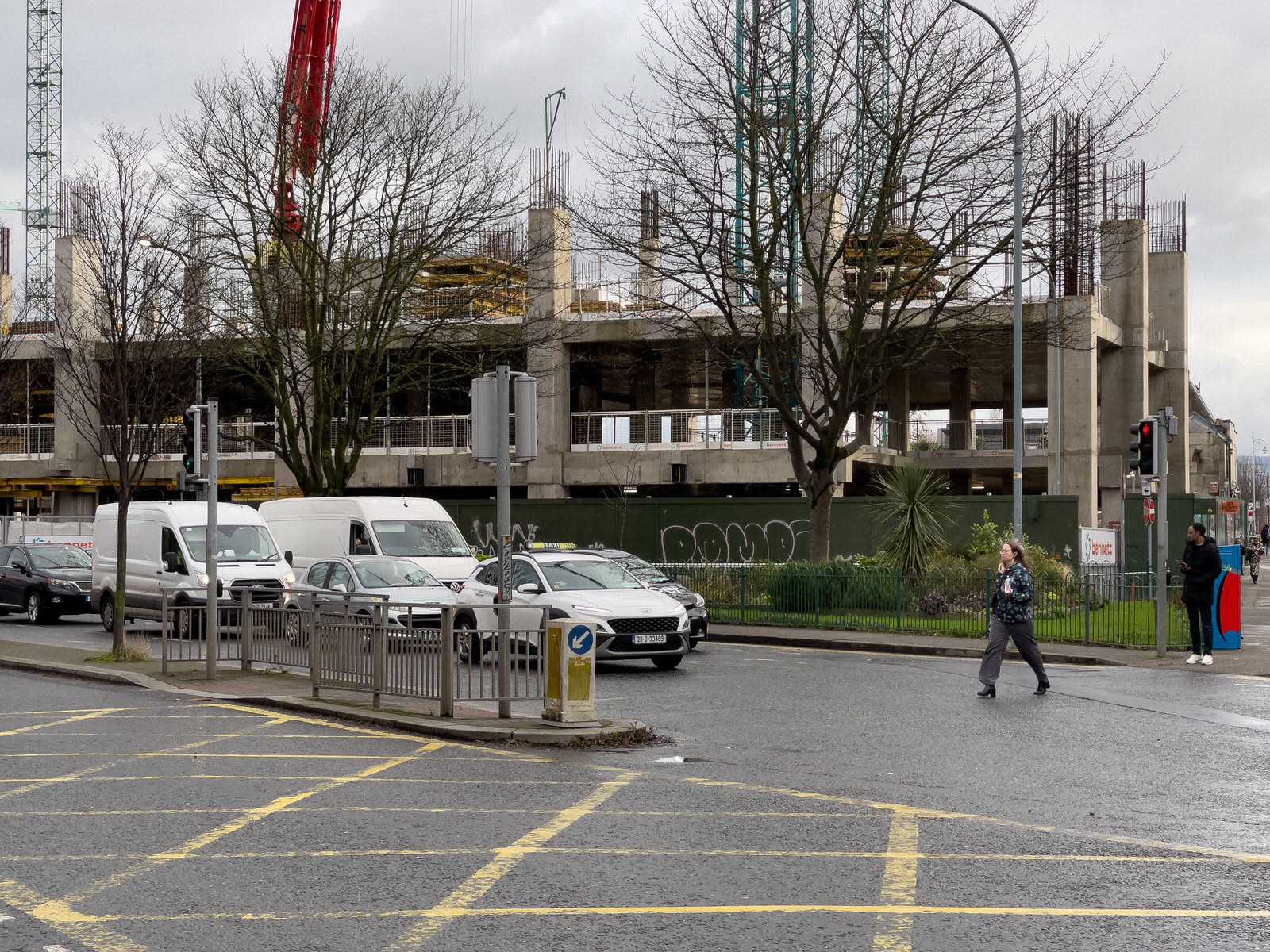 Camden Yard - Select Image To View Photographs
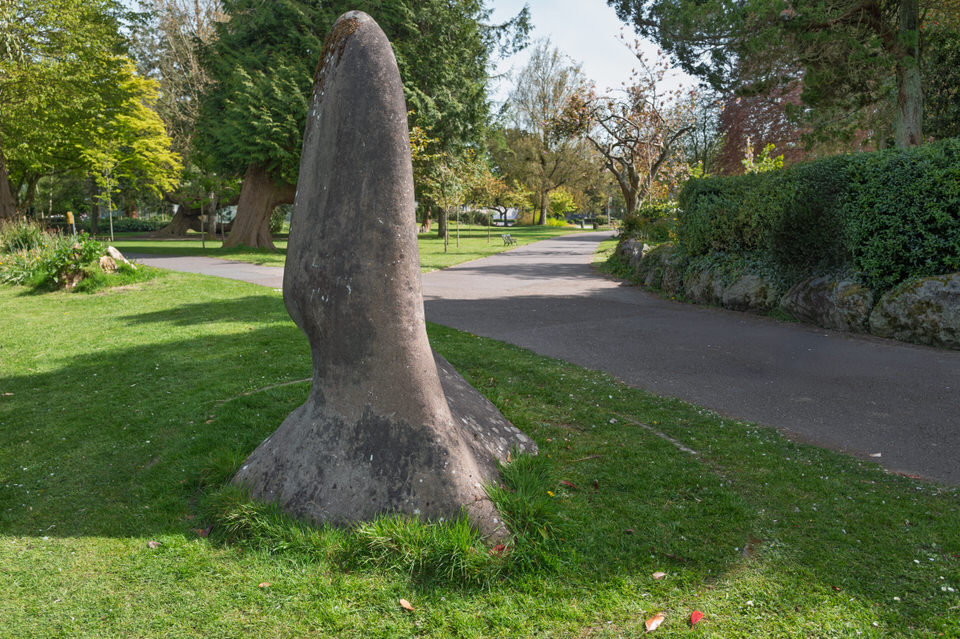 Abstract Sculptures - Select Image To View Photographs
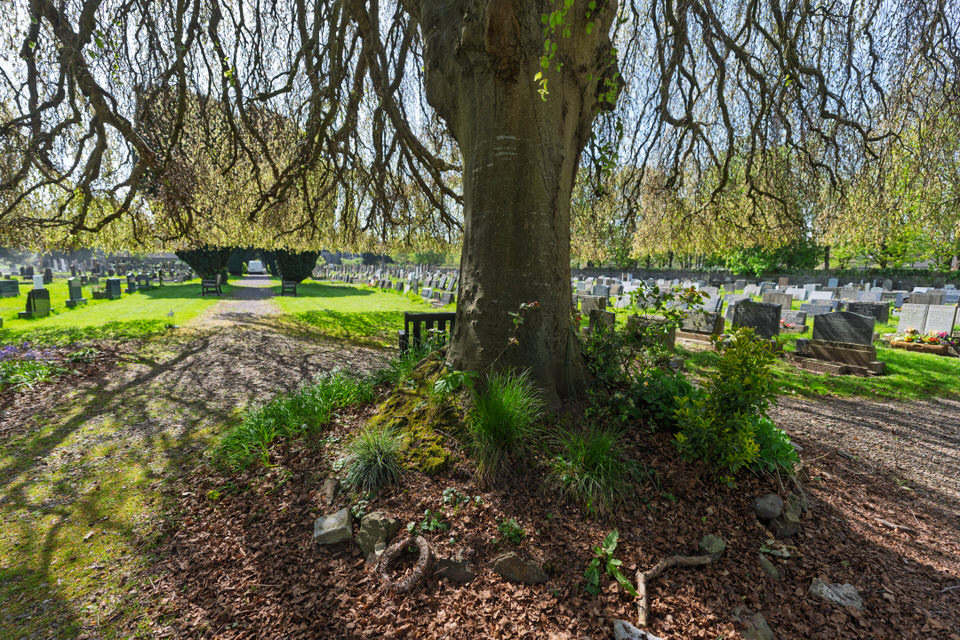 An Amazing Tree - Select Image To View Photographs
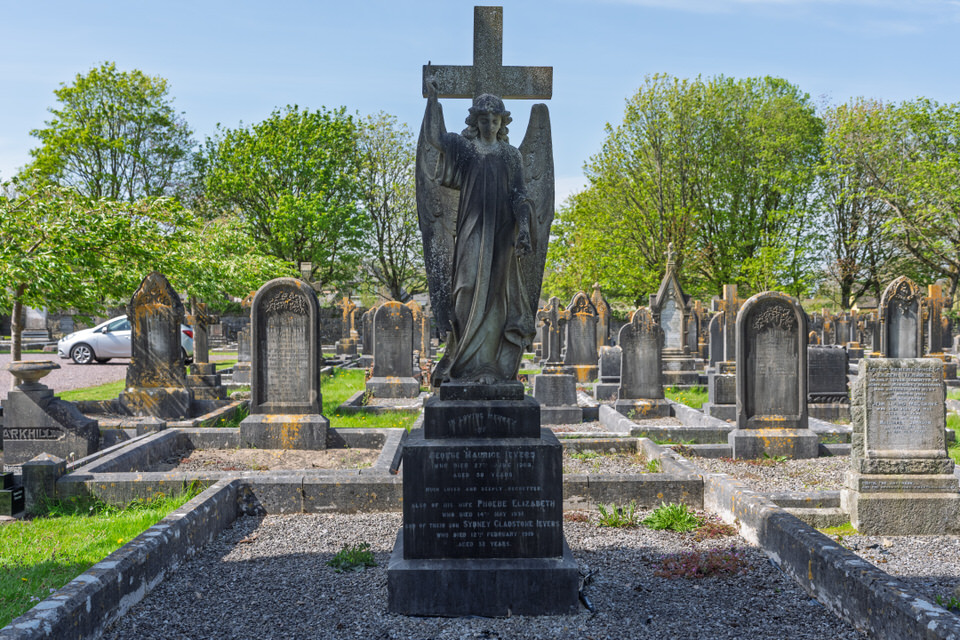 Old Churchyard - Select Image To View Photographs
VIEW HI-RES PHOTOGRAPHS
SONY A7RII PHOTO COLLECTION
ABOUT THIS MURAL
GLOBAL INDEX OF PHOTO GALLERIES
WATERFORD MURALS - WATERFORD WALLS
THE URBAN CARTOGRAPHER
EXCELLENT PICTURE THIS 2017
Electric Fury By Sonny Sundancer - Presented By The The Urban Cartographer
Who Is Building An Experience Which Is Getting Better Day By Day