Dublin Fire Brigade - Presented By The Urban Cartographer
LET MISTER SCREEN ASSIST YOU
GLOBAL INDEXThe Urban Cartographer
TECHNICAL STUFFDiscover the unique history and operations of the Dublin Fire Brigade. Learn how this dual-role service combines firefighting with advanced paramedic care to protect Ireland's capital city, from the 1916 Rising to modern marine rescue.
EXCELLENT PICTURE THIS 2017
Dublin Fire Brigade - Presented By The Urban Cartographer
Dublin Fire Brigade
Author: Urban Cartographer
|
03. Jan 2026
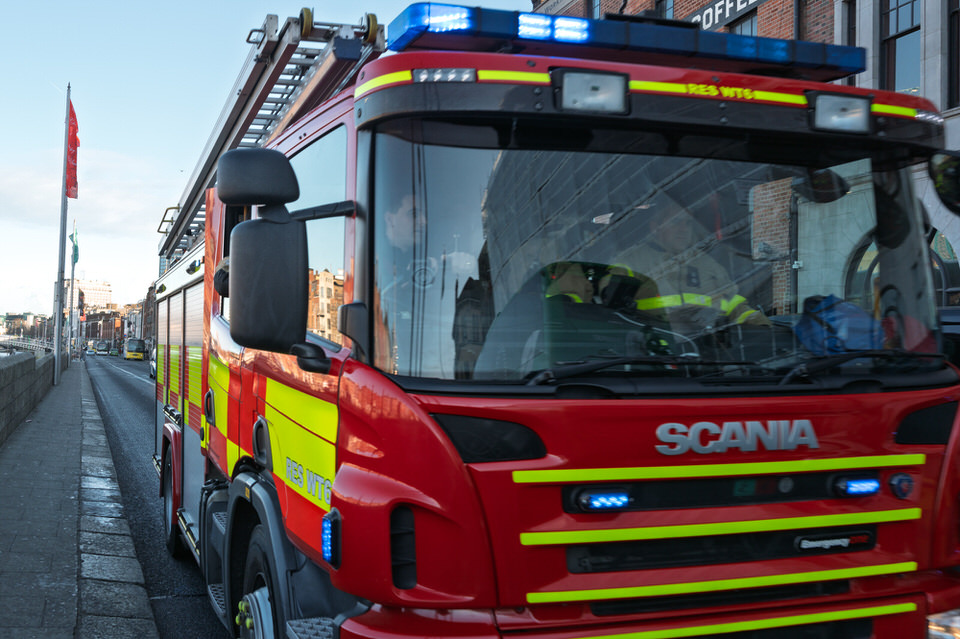
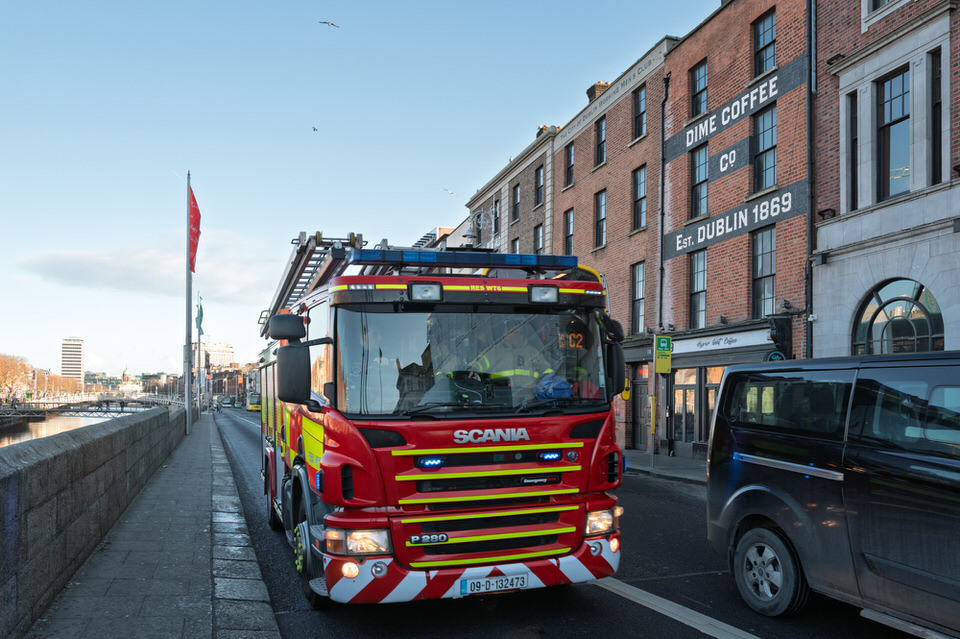
Photographed On Wellington Quay! When you hear sirens wailing through the streets of Ireland's capital, you might assume it’s a standard fire engine racing to a blaze. But if you are in Dublin, there is a strong chance that the red engine passing you is actually on its way to a medical emergency. The Dublin Fire Brigade (DFB) is not your typical fire service. It is one of the few organisations in the world—and certainly in Europe—that operates a fully integrated fire and emergency ambulance service. Whether you are a local curious about the red trucks or a visitor wondering how emergency services operate in the Fair City, here is a look at the history, structure, and unique capabilities of this vital service. A History Forged in Fire (and Revolution) The DFB has been protecting Dubliners for over 160 years. Established in 1862, it predates many modern state institutions. Its history is deeply intertwined with the history of the city itself. 1898: The brigade launched its ambulance service, cementing its dual medical and fire role early on. 1916 Rising: During the Easter Rising, the brigade had to navigate a literal war zone, extinguishing fires caused by artillery shelling while trying to remain neutral and save lives on both sides. The Stardust Tragedy (1981): A pivotal moment in Irish history, the response to this nightclub fire remains a sombre chapter in the brigade's legacy, heavily influencing modern fire safety regulations in Ireland. How It Works: The Dual Role What makes the DFB distinct is that every full-time firefighter is also a fully qualified paramedic. In most cities, you have a fire department and a separate ambulance service. In Dublin, while the National Ambulance Service (NAS) operates alongside them, the Fire Brigade provides a massive portion of the city's emergency medical coverage. Fire-based EMS: If you call 999 or 112 for a cardiac arrest in Dublin, a fire engine might arrive before the ambulance. This "fire appliance" is fully kitted out with medical gear, including defibrillators and advanced life support equipment. Rotation: Staff rotate between staffing the fire engines and staffing the DFB ambulances. This ensures that skills in both firefighting and pre-hospital care remain sharp. Advanced Care: Many DFB staff are Advanced Paramedics (APs), capable of administering advanced drugs and performing complex clinical procedures at the roadside. Specialist Capabilities It isn't just house fires and heart attacks. The DFB maintains specialist units to handle the complex geography of a coastal capital city: Marine Emergency Response: Working with the Coast Guard to handle ship fires and water rescues in Dublin Bay. High-Line Rescue: Specialist teams trained to rescue people from cranes, cliffs, and tall buildings. Tunnel Response: With the Dublin Port Tunnel being a critical artery, specific vehicles and protocols are in place for subterranean emergencies. HazMat: Handling chemical spills and hazardous materials incidents. Current Challenges and Recruitment Like many public services, the DFB faces modern challenges. As the population of the Greater Dublin Area swells, the demand on the service has increased. Recent years have seen recruitment drives to bolster numbers, specifically targeting a more diverse workforce to reflect the changing face of Dublin. The physical and mental demands are high, but for the 1,000+ personnel across the city's 12 full-time and 2 retained (part-time) stations, it remains a vocation of immense pride. Summary The Dublin Fire Brigade is a modern, multi-skilled force with a Victorian heritage. By combining the muscle of a fire service with the clinical expertise of an ambulance corps, they ensure that Dublin remains one of the safest cities in Europe to live, work, and visit. So, the next time you see a DFB engine, remember: they are ready for everything—from a blazing building to a baby being born.
Select Image To Visit The Photo Gallery: The Clontarf Wind Shelters
GALWAY CITY
CORK CITY AND COUNTY
GLOBAL MENU
DUBLIN SOUTHSIDE
DUBLIN NORTHSIDE
URBAN CARTOGRAPHER
EXCELLENT PICTURE THIS 2017
Dublin Fire Brigade - Presented By The Urban Cartographer
Who Is Building An Experience Which Is Getting Better Day By Day