March 2026 Visit To Dublin Castle - Presented By The The Urban Cartographer
LET MISTER SCREEN ASSIST YOU
GLOBAL INDEXThe Urban Cartographer
TECHNICAL STUFFExplore the authentic history of Dublin Castle, a working government site that defies "Disney" expectations. Discover the moving Veronica Guerin memorial garden and learn why this Georgian palace remains the symbolic heart of Irish administration.
EXCELLENT PICTURE THIS 2017
March 2026 Visit To Dublin Castle - Presented By The The Urban Cartographer
March 2026 Visit To Dublin Castle
Author: The Urban Cartographer
|
08. Mar 2026
 Photographed By William Murphy - Select Image To View Photographs
In the heart of Ireland’s capital, Dublin Castle stands as a complex symbol of power, transition, and remembrance. Unlike the fairytale fortifications often seen in cinema, this site is a "working" castle—a living administrative hub that has evolved through eight centuries of history.
The Reality of a Working Castle
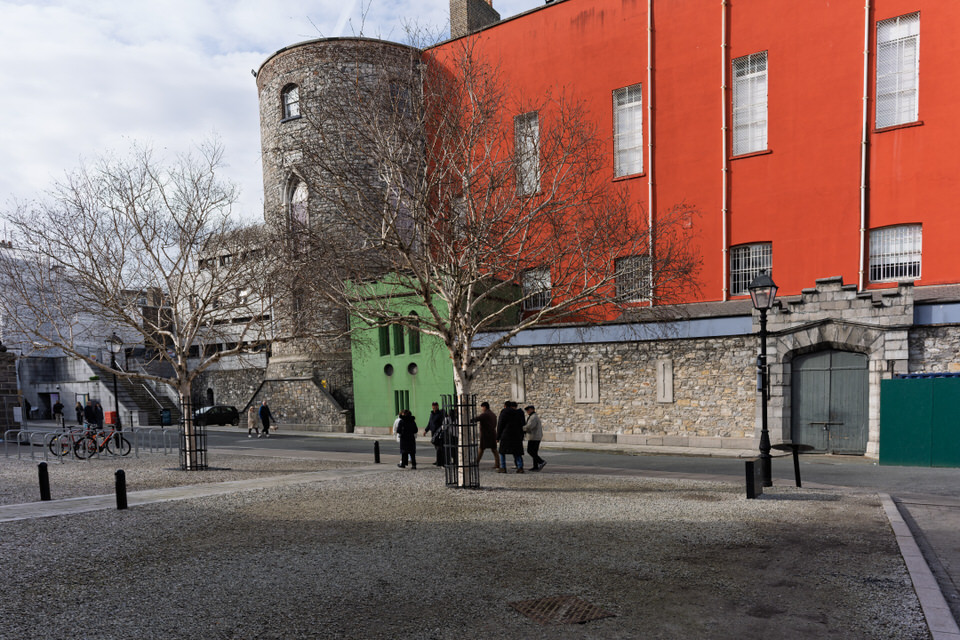
Visitors arriving at Dublin Castle expecting the soaring turrets, moats, and "Disney" aesthetic of Neuschwanstein or Windsor may find themselves momentarily underwhelmed. However, its lack of a medieval "fortress" look is a direct result of its continuous utility.
Evolution from Fortress to Palace: After a catastrophic fire in 1684, much of the medieval structure was replaced with elegant Georgian architecture. It shifted from a defensive stronghold to a palatial administrative seat for British rule.
A Modern Nerve Centre: Today, it remains a vital government complex. It hosts presidential inaugurations, State Banquets, and meetings for the European Council.
The Aesthetic: Because it is functional, the "castle" looks more like a grand European square or a series of palatial office blocks. The only significant medieval remnant is the Record Tower, which stands as a lone sentinel of the 13th-century original.
The Veronica Guerin Memorial
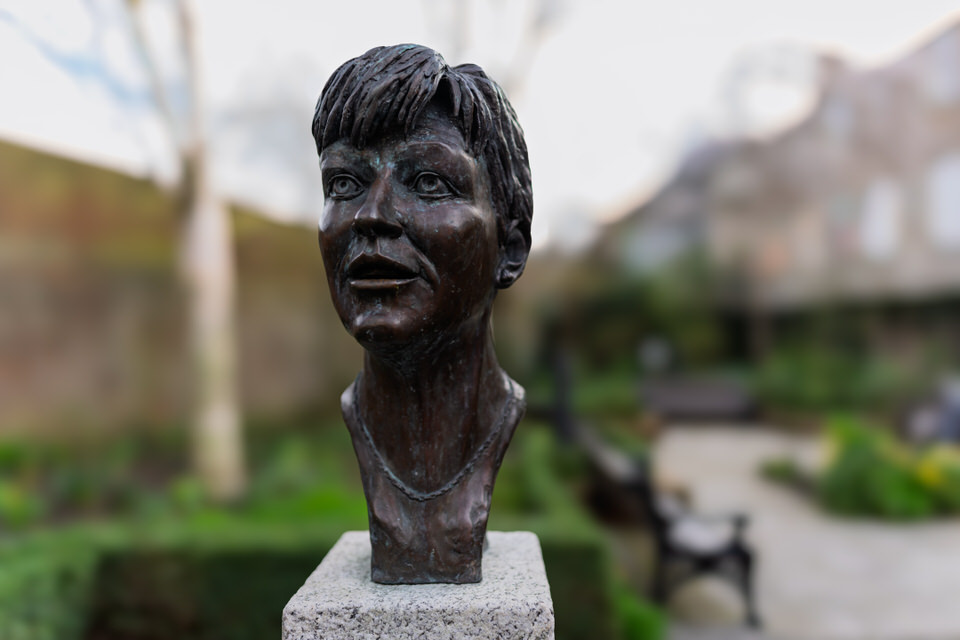
Tucked away in the tranquil Dubh Linn Gardens on the castle grounds is a poignant tribute to one of Ireland’s most fearless figures: investigative journalist Veronica Guerin.
The Sculpture and Garden
The memorial consists of a bronze bust of Guerin, created by sculptor John Coll. It was unveiled in 2001 to honour her legacy after her 1996 assassination by members of a drug gang she was investigating.
The Inscription: The bust bears the hauntingly brave words: "Be Not Afraid."
Symbolism: Positioned near the site of the original "Black Pool" (Dubh Linn) from which the city takes its name, the garden serves as a place of quiet reflection amidst the bustle of the city.
Legacy: The garden is not just a tribute to a woman but to the freedom of the press and the impact of her death, which led to the establishment of the Criminal Assets Bureau (CAB) in Ireland.
Visitor Tips: Avoiding Disappointment
To appreciate Dublin Castle, one must look past the "fairytale" expectation and embrace its historical weight:
Visit the State Apartments: This is where the true "palace" feel resides, with opulent décor that rivals any European royal residence.
Explore the Undercroft: Here, you can see the original Viking and medieval foundations, proving the site’s ancient roots despite its modern façade.
The Chapel Royal: A stunning example of Gothic Revival architecture that provides the "classic" stone-and-pinnacle look many tourists crave.
GALWAY CITY
CORK CITY AND COUNTY
GLOBAL MENU
DUBLIN SOUTHSIDE
DUBLIN NORTHSIDE
URBAN CARTOGRAPHER
EXCELLENT PICTURE THIS 2017
March 2026 Visit To Dublin Castle - Presented By The The Urban Cartographer
Who Is Building An Experience Which Is Getting Better Day By Day