Cork Harbour As Seen From Fort Meagher - Presented By The The Urban Cartographer
LET MISTER SCREEN ASSIST YOU
GLOBAL INDEXThe Urban Cartographer
TECHNICAL STUFFExplore the strategic majesty of Fort Camden Meagher in Crosshaven. This guide details the historic views of Cork Harbour, the fort's dual British and Irish nomenclature, and the immense geographical importance of the world's second-largest natural harbour.
EXCELLENT PICTURE THIS 2017
Cork Harbour As Seen From Fort Meagher - Presented By The The Urban Cartographer
Cork Harbour As Seen From Fort Meagher
Author: The Urban Cartographer
|
18. Apr 2026
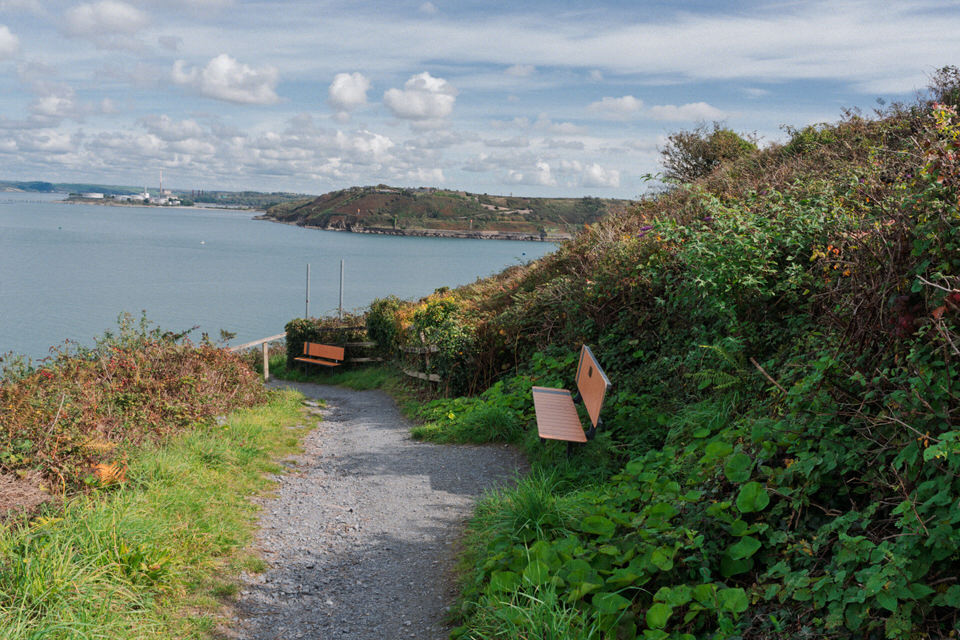
On the first day of my week-long stay at the Moxy Hotel in September 2025, I met an English couple who travel the world photographing historic fortifications. They had chosen the Moxy specifically for its location on Camden Quay—a fitting base, as they were in town to document Fort Camden Meagher. While I had glimpsed the structure from a boat some fifty years ago, I was largely unaware of the fort's scale until our conversation. Intrigued, I decided to visit the following day. I was utterly unprepared for the sheer extent of the complex; it was so vast that my camera battery died before I could finish exploring. I had fully intended to return during my 2026 visit to Cork to complete the tour, only to discover that the site is closed to the public until May. Regrettably, a return visit later this year isn't feasible, as my itinerary is set and my hotels in other cities are already booked. Why is the Fort Closed in Winter? The seasonal closure of Camden Fort Meagher is a practical necessity dictated by its environment and operational model: Subterranean Conditions: Approximately 65% of the installation is underground. During the Irish winter, these tunnels and magazines suffer from intense dampness and plunging temperatures. Coastal Exposure: Perched at the mouth of Cork Harbour, the outdoor ramparts are battered by harsh Atlantic winds, posing safety risks to visitors. Restoration & Maintenance: The off-season provides a vital window for structural repairs and heritage conservation on the massive stone works without the interference of crowds. Staffing: The site relies heavily on a dedicated volunteer workforce, making a year-round full-time operation unsustainable during the quieter months. Currently, the fort is undergoing significant restoration and is scheduled to reopen in Spring 2026. A Strategic Vantage Point Occupying a commanding position on the western headland at Crosshaven, Fort Camden Meagher offers what are arguably the most strategic and picturesque vistas in Ireland. The Panorama From the ramparts, one can observe the entire maritime gateway to Cork. To the east lies Fort Davis (formerly Fort Carlisle). The "pincer" positioning of these two forts illustrates the formidable defensive line that once protected the British naval fleet. Looking north into the inner harbour, Spike Island and Haulbowline Island (the headquarters of the Irish Naval Service) dominate the view. On clear days, the colourful, tiered houses of Cobh are visible, anchored by the towering spire of St Colman’s Cathedral. It is a unique vantage point for watching modern cruise liners and container ships navigate the narrow "mouth" of the harbour—a striking juxtaposition of Victorian military engineering and 21st-century commerce. Nomenclature: Why Camden Meagher? The fort’s dual name reflects the shifting tides of Irish history: Lord Camden: Reconstructed in the late 18th century, it was named after John Pratt, 1st Marquess Camden, who served as Lord Lieutenant of Ireland during the suppression of the 1798 Rebellion. Thomas Francis Meagher: Following the 1938 handover of the "Treaty Ports" to Ireland, the fort was renamed to honour the leader of the 1848 Young Irelander Rebellion and the creator of the Irish Tricolour. This transition from an imperial stronghold to a site of sovereign heritage is a powerful symbol of Ireland's national journey. The Majesty of Cork Harbour Cork Harbour is frequently cited as the second-largest natural harbour in the world by navigable area, surpassed only by Port Jackson in Sydney. Strategic and Economic Importance Historically, the harbour was the "Western Gateway" to Europe, serving as a vital assembly point for Atlantic convoys during the Napoleonic Wars and WWI. Today, it remains the industrial heart of southern Ireland, home to a significant pharmaceutical cluster and the Whitegate oil refinery. The Physics of the Harbour The harbour’s viability is maintained by its natural geography. The volume of water exchanged during a tidal cycle—known as the tidal prism—ensures the channels remain largely self-scouring, reducing the need for constant dredging. This can be expressed by the formula: P=A×R
Where: This massive displacement of water ensures that deep-water access remains open for global trade, just as it once did for the great naval fleets of the past. Why Is It Fort Camden Meagher Rather Than Fort Meagher? It is a fascinating anomaly, isn't it? Usually, the post-independence trend in Ireland was to scrub colonial names entirely—think Kingstown becoming Dún Laoghaire or Queenstown becoming Cobh. The short answer is that the "Camden" in Fort Camden Meagher wasn't kept because he was loved; it was kept because the fort’s history and the specific man it was eventually co-named after created a unique compromise. Here is the breakdown of why the name persists today. Was Camden Respected? To put it bluntly: No. John Pratt, the 2nd Earl Camden, served as Lord Lieutenant of Ireland from 1795 to 1798. His tenure is largely associated with: The suppression of the 1798 Rebellion: His administration was known for its harshness and the use of torture (such as pitch-capping) to extract information from United Irishmen. The "Reign of Terror": He was widely despised by the nationalist population for his reactionary policies. The fort was named after him simply because it was built/strengthened during his time in office to defend against a potential French invasion. Why was the name retained? The decision to rename the site Fort Camden Meagher in the 20th century was a pragmatic and symbolic choice rather than an endorsement of the Earl. Recognition of History: Unlike a town or a street, a "Fort" is a specific historical artifact. The name "Fort Camden" had been used globally in maritime charts and military records for over a century. Keeping the name maintained a link to its architectural and strategic history. The "Meagher" Addition: The real shift happened when the Irish State decided to honour Thomas Francis Meagher. Meagher was a leader of the Young Irelanders, the man who flew the first Irish Tricolour, and a brigadier general in the American Civil War. The Compromise: By hyphenating or combining the names, the state "reclaimed" the site. It effectively layered an Irish patriot over a British administrator. It transformed the identity of the fort from a purely British colonial outpost into a monument to Irish military history and the Irish diaspora. In modern Ireland, the site is often referred to simply as Fort Meagher, but the official "Camden Meagher" title remains a rare linguistic bridge between the site's construction by the British and its eventual occupation by Irish forces in 1938. It wasn't that Camden was respected; it’s that Meagher was powerful enough to share the marquee.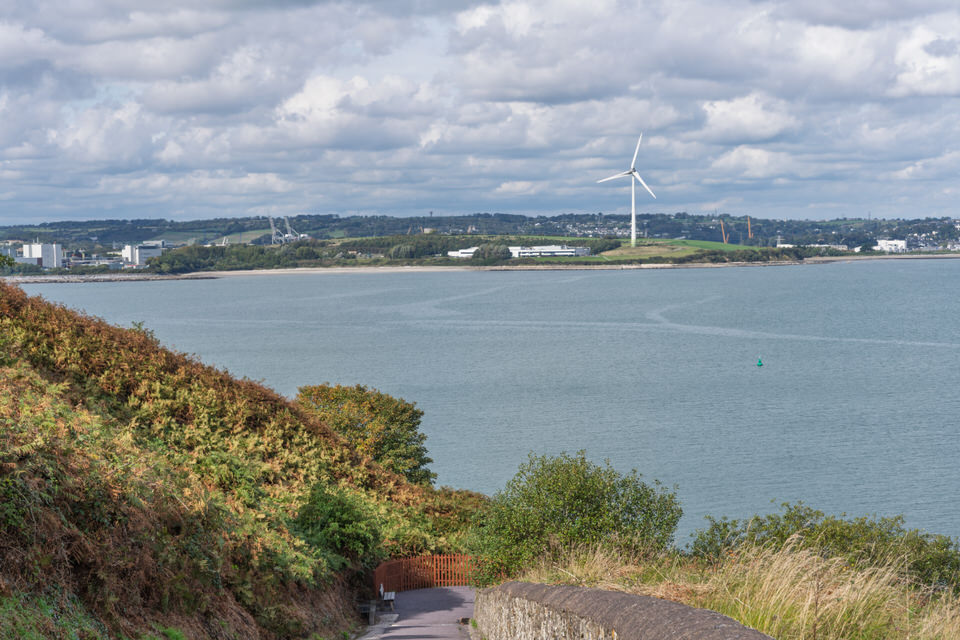 Views Of Cork Harbour - Select Image To View Photographs
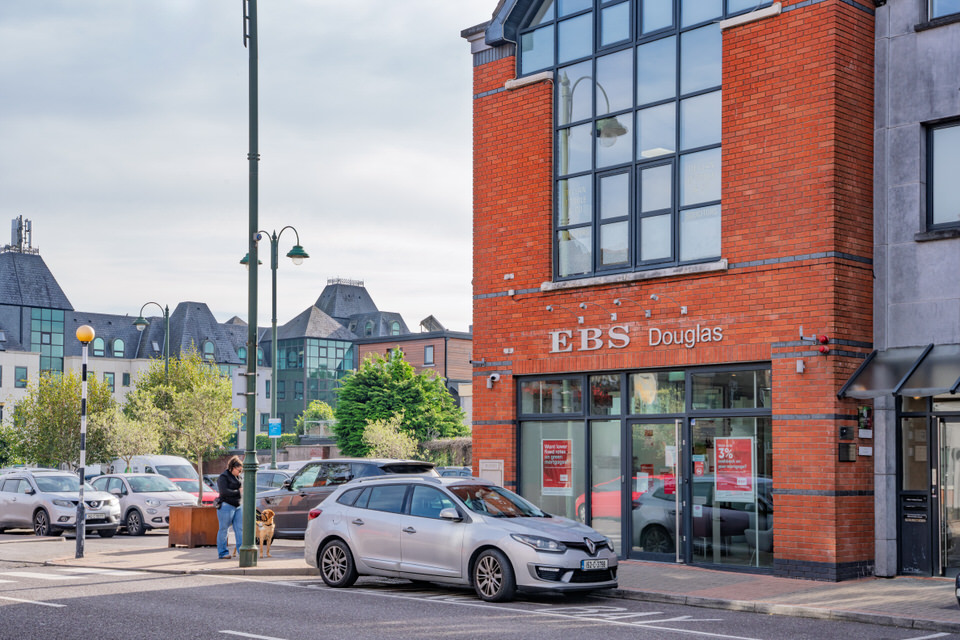 The Village - Select Image To View Photographs
VIEW HI-RES PHOTOGRAPHS
CORK CITY AND COUNTY
CORK HARBOUR
GLOBAL INDEX OF PHOTO GALLERIES
CORK CITY AND COUNTY
THE URBAN CARTOGRAPHER
EXCELLENT PICTURE THIS 2017
Cork Harbour As Seen From Fort Meagher - Presented By The The Urban Cartographer
Who Is Building An Experience Which Is Getting Better Day By Day