Commonwealth War Grave for Gunner M. Loughren 18816 - Presented By The The Urban Cartographer
LET MISTER SCREEN ASSIST YOU
GLOBAL INDEXThe Urban Cartographer
TECHNICAL STUFFRemembering Gunner M. Loughren (18816) - A Great War Legacy in Kilkenny. Discover the history of Gunner M. Loughren of the Royal Garrison Artillery, buried at St John's Churchyard, Kilkenny. Explore the significance of this Commonwealth War Grave and the role of Irish soldiers in the First World War.
EXCELLENT PICTURE THIS 2017
Commonwealth War Grave for Gunner M. Loughren 18816 - Presented By The The Urban Cartographer
Commonwealth War Grave for Gunner M. Loughren 18816
Author: The Urban Cartographer
|
03. Mar 2026
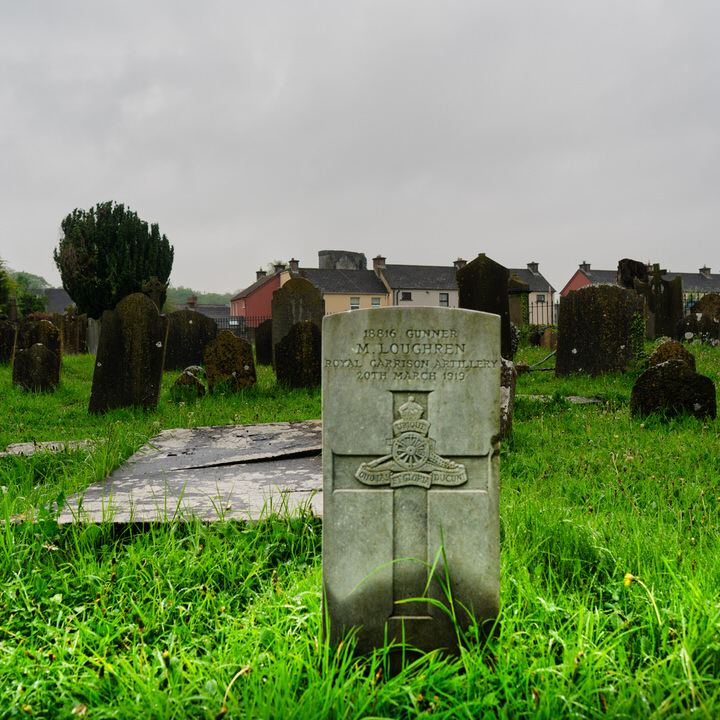
Photographed By William Murphy - Select Image To View Photographs
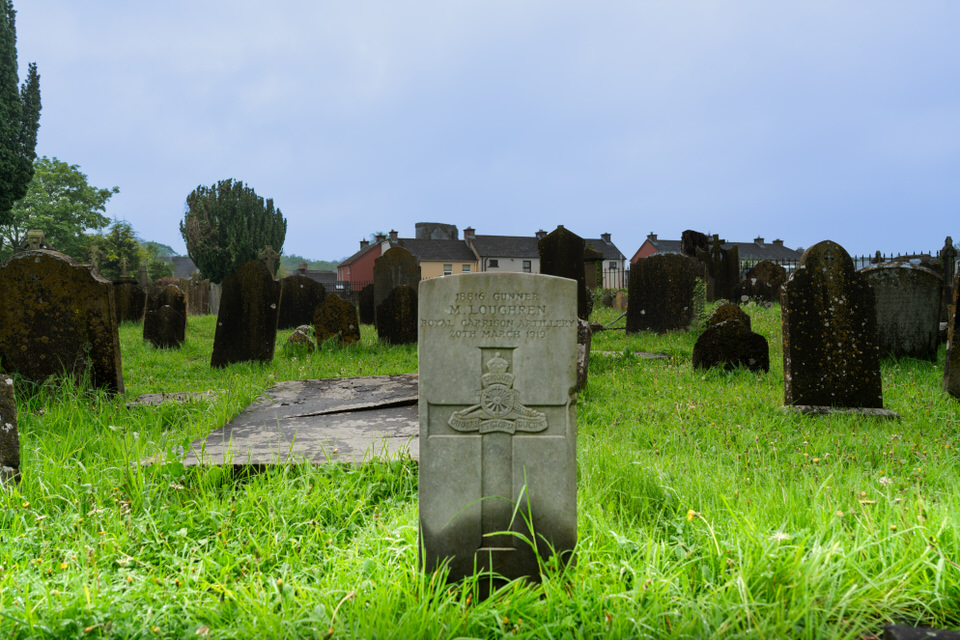
The Commonwealth War Grave for Gunner M. Loughren (Service Number 18816) is a poignant piece of First World War heritage located in the historic grounds of St John’s Churchyard in Kilkenny, Ireland. This site is also known as the St John's Catholic Churchyard to distinguish it from the nearby Church of Ireland priory.
Historical Context
Gunner Loughren served with the Royal Garrison Artillery (RGA). The RGA was responsible for the heavy, large-calibre guns—including mountain batteries, siege guns, and coastal defence—that provided the massive firepower required during the stationary trench warfare of the Western Front.
According to records, Gunner Loughren passed away on 20 March 1919. While this date is after the Armistice of November 1918, he is still officially commemorated by the Commonwealth War Graves Commission (CWGC). During this period, many soldiers died from wounds sustained in battle or, very frequently, from the global Spanish Flu pandemic that ravaged returning troops between 1918 and 1919.
The Burial Site
St John’s Churchyard is a site of significant antiquity in Kilkenny, housing graves that date back several centuries. Gunner Loughren’s grave is one of four First World War Commonwealth burials in this specific churchyard.
The headstone is the iconic white Portland stone or granite marker, featuring the cross, the regimental badge of the Royal Artillery (which includes a field gun and the motto Ubique—"Everywhere"), and his service details. In Ireland, these graves are vital reminders of the tens of thousands of Irishmen who served in the British forces during the Great War.
Significance
The presence of a CWGC headstone in a local Kilkenny churchyard often indicates that the soldier died at home—perhaps in a military hospital such as the one formerly at Kilkenny Barracks—or was returned to his family for burial after succumbing to illness or injury.
Based on available records from the Commonwealth War Graves Commission (CWGC) and military archives, here are the biographical details for Gunner Michael Loughren:
Biographical Details
Full Name: Michael Loughren
Service Number: 18816
Rank: Gunner
Regiment: Royal Garrison Artillery (RGA)
Date of Death: 20 March 1919
Age at Death: 38
Personal Context and Next of Kin
Records indicate that Michael Loughren was a native of Kilkenny. This explains his burial in St John’s Churchyard, as it was common for soldiers who died of illness or wounds while at home in Ireland to be buried in their local parish or family plot rather than a distant military cemetery.
His family ties to the area are confirmed by the CWGC, which identifies him as the son of Michael and Mary Loughren. At the time of the records being finalised, his family's address was noted as 30 John Street, Kilkenny.
Service History
As a member of the Royal Garrison Artillery, Gunner Loughren would have been part of the technical branch of the British Army, tasked with manning the heaviest guns.
Circumstances of Death: Since he died in March 1919, several months after the cessation of hostilities (11 November 1918), his death is officially classified as being "in service." During this specific month in 1919, a significant number of military deaths in the United Kingdom and Ireland were attributed to complications from the Influenza Pandemic or lingering respiratory issues caused by wartime exposure.
Memorial Location
He is buried in St John’s Catholic Churchyard, Kilkenny, located in the North-East part of the city. His grave is officially maintained by the Commonwealth War Graves Commission and stands as a permanent memorial to his service during the Great War.
GALWAY CITY
CORK CITY AND COUNTY
GLOBAL MENU
DUBLIN SOUTHSIDE
DUBLIN NORTHSIDE
URBAN CARTOGRAPHER
EXCELLENT PICTURE THIS 2017
Commonwealth War Grave for Gunner M. Loughren 18816 - Presented By The The Urban Cartographer
Who Is Building An Experience Which Is Getting Better Day By Day