Blackhorse Avenue In January 2026 - Presented By The Urban Cartographer
LET MISTER SCREEN ASSIST YOU
GLOBAL INDEXThe Urban Cartographer
TECHNICAL STUFFDiscover the history of Blackhorse Avenue, Dublin 7. From the medieval 'Blackhorse Inn' to the architectural splendour of McKee Barracks and the 1875 stone bridge over the railway cutting, explore this unique road on the edge of Phoenix Park. Read about its military connections, local landmarks, and current redevelopment trends.
EXCELLENT PICTURE THIS 2017
Blackhorse Avenue In January 2026 - Presented By The Urban Cartographer
Blackhorse Avenue In January 2026
Author: Urban Cartographer
|
13. Jan 2026
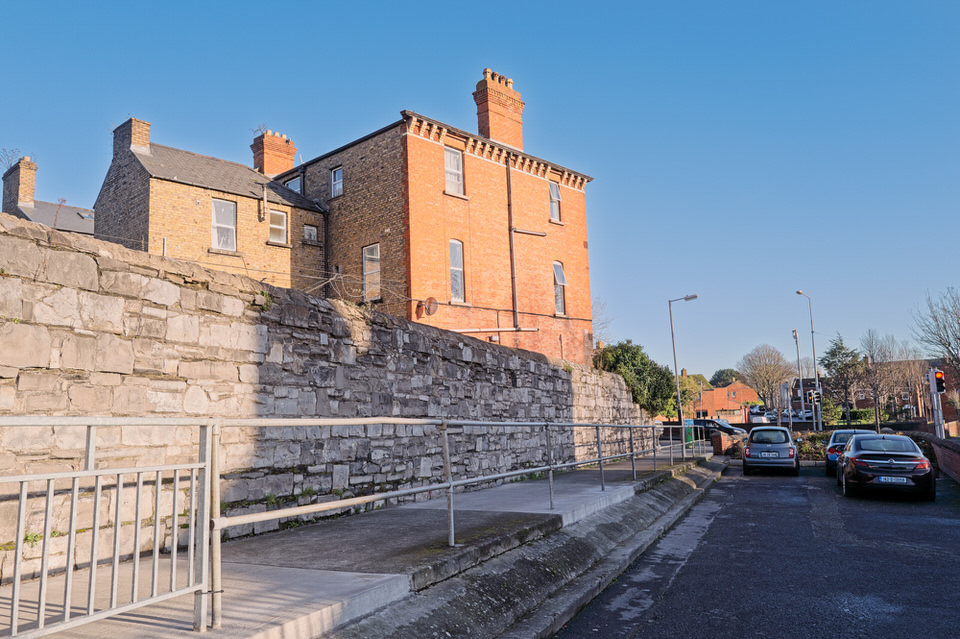
Photographed By William Murphy The Country Road in the City: A Guide to Blackhorse Avenue, Dublin 7
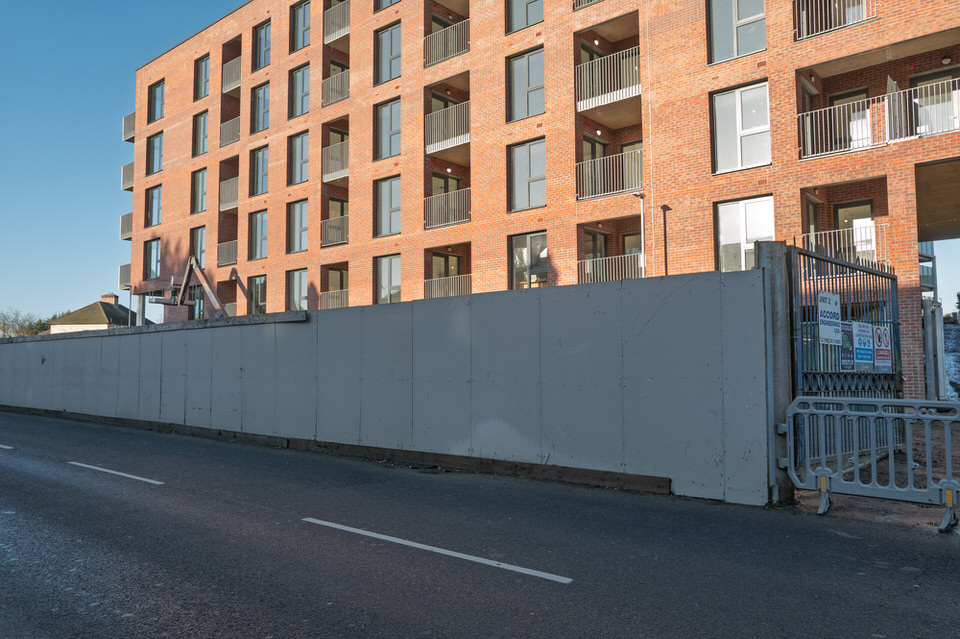
If you walk far enough along the North Circular Road, past the bustle of Phibsborough and the turn for Hanlon’s Corner, you will find yourself at the mouth of a long, meandering road that feels entirely distinct from the rest of Dublin 7. This is Blackhorse Avenue, a thoroughfare that hugs the northern boundary of the Phoenix Park, serving as a boundary line between the wild greenery of the park and the suburban spread of Cabra and Ashtown. For many Dubliners, it is simply a shortcut to Castleknock, but the avenue holds a fascinating history of soldiers, secret drinks, and impressive Victorian engineering. How it Got the Name The name "Blackhorse" is not derived from a dark steed ridden by a local ghost, but rather from the hospitality trade. Dating back to medieval times, this route was a primary artery for travellers approaching Dublin City from the north-west. In 1651, a coaching inn was established here known as ‘Ye Signe of Ye Blackhorse Inn’. It was a vital stop-off point for merchants and weary travellers before they entered the city proper. While the original structure has evolved over centuries, the name stuck to the road, immortalising the tavern that once kept travellers warm. That very tavern is still central to the road's identity today, though you likely know it by a different name: The Hole in the Wall. The Railway Bridge and Cutting A significant but often overlooked feature of the avenue’s geography is how it interacts with the railway network. The road sits above the deep railway cutting that carries the line connecting the Phoenix Park Tunnel to the wider Irish Rail network. Near the city end of the avenue, the road crosses this cutting via a handsome single-arch stone bridge, dating from approximately 1875. It is a robust example of Victorian infrastructure, constructed with rock-faced limestone piers and a segmental-headed arch. The parapet walls—a mix of original limestone and later concrete repairs—line the road as it rises over the tracks below. It is a subtle piece of engineering, but it serves as a reminder of the major infrastructure projects that carved through this part of Dublin in the late 19th century to connect the city's rail termini. Buildings of Note Dominating the skyline near the city end of the avenue is the spectacular McKee Barracks. Built between 1888 and 1892, it was originally named Marlborough Barracks. It is widely considered one of the finest examples of military architecture in Ireland, featuring red brick, elaborate gables, and distinct turrets that give it a "fairy-tale castle" silhouette. It was designed specifically to house cavalry regiments, which explains the vast stables and the horse-head carvings visible on the facade. It remains an active installation for the Irish Defence Forces. Today, the pub is a landmark in its own right. It claims to be the longest pub in Europe, stretching 100 metres along the avenue. Its Tudor-style exterior and proximity to the park make it a destination venue. The name comes from a strong local tradition involving the British Army stationed at the nearby barracks. Strict curfews meant soldiers couldn't always visit the tavern via the front door. Legend has it that the proprietor would serve pints to the soldiers through a hole in the park wall, allowing them to drink without technically leaving the park grounds. Just off Blackhorse Avenue is a serene and sombre site: the Grangegorman Military Cemetery. Opened in 1876, it contains the graves of soldiers from the British Empire who died in Ireland, including casualties from the 1916 Rising and the sinking of the RMS Leinster. It is a beautifully maintained green space that offers a quiet counterpoint to the busy road. Redevelopment and Future Plans Blackhorse Avenue is currently undergoing a quiet transformation. While there are no massive infrastructure projects comparable to the city-centre Luas works, the area is seeing significant residential infill. Housing Developments: There is a growing trend of developing "brownfield" sites and large rear gardens into modern accommodation. Planning permissions have been granted in recent years for apartment developments to replace older, low-density industrial units and vacant sites along the road. Renovation: Many of the older cottages and red-brick terraces are being renovated by young families moving into Dublin 7, drawn by the proximity to Stoneybatter and the Park. Traffic Calming: As a long, straight road, it has historically suffered from speeding. Local council plans frequently review traffic calming measures to make the avenue safer for the increasing number of cyclists using it as a scenic commute into the city.Select Image To Visit The Photo Gallery: Blackhorse Avenue In January 2026
GALWAY CITY
CORK CITY AND COUNTY
GLOBAL MENU
DUBLIN SOUTHSIDE
DUBLIN NORTHSIDE
URBAN CARTOGRAPHER
EXCELLENT PICTURE THIS 2017
Blackhorse Avenue In January 2026 - Presented By The Urban Cartographer
Who Is Building An Experience Which Is Getting Better Day By Day