The Church of Christ the King - Presented By The The Urban Cartographer
LET MISTER SCREEN ASSIST YOU
GLOBAL INDEXThe Urban Cartographer
TECHNICAL STUFFDiscover the history and architecture of the Church of Christ the King in Turner’s Cross, Cork. Designed by Chicago architect Barry Byrne, this 1931 masterpiece is Ireland’s first Modernist church, featuring a unique octagonal layout, a 19-foot John Storrs sculpture, and pioneering reinforced concrete construction.
EXCELLENT PICTURE THIS 2017
The Church of Christ the King - Presented By The The Urban Cartographer
The Church of Christ the King
Author: The Urban Cartographer
|
25. Apr 2026
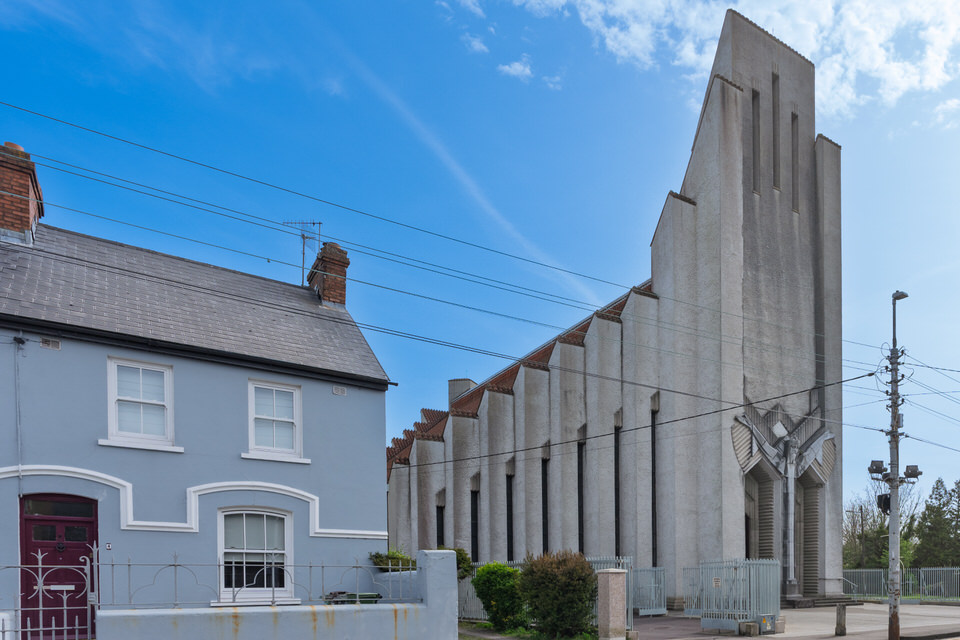
The Church of Christ the King in Turner’s Cross, Cork, is one of the most significant pieces of 20th-century ecclesiastical architecture in Ireland. Completed in 1931, it stands as a radical departure from the traditional Gothic and Romanesque styles that dominated Irish church building at the time. History of the Parish and Church The parish of Turner’s Cross was born out of the rapid southward expansion of Cork City in the early 20th century. By the mid-1920s, the South Parish had become too large to be served by a single church. In 1927, the Bishop of Cork, Dr Daniel Cohalan, commissioned the new church to meet this demand. The choice of architect was unconventional. Instead of a local firm, the Bishop selected Barry Byrne, a Chicago-based architect who had trained under the legendary Frank Lloyd Wright. This decision was influenced by Byrne's ability to design striking buildings on a modest budget—a necessity given the economic climate of the late 1920s. Though Byrne never actually visited the site during construction, the project was overseen locally by J.R. Boyd Barrett. The church was dedicated on the Feast of Christ the King, 25 October 1931. Architectural Uniqueness The church is celebrated as Ireland's first truly Modernist church. Several features make it unique: Pioneering Use of Concrete: Originally intended to be brick, the church was built entirely of reinforced concrete due to budget constraints. It was the first church in Ireland to use this material as its primary structure, a radical choice for the 1920s. The Sculpture of Christ: The entrance is dominated by a 19-foot statue of Christ the King with outstretched arms. Designed by American sculptor John Storrs (a student of Rodin), the sculpture is integrated into the facade, creating a dramatic, welcoming silhouette that lacks the traditional steeple. The Octagonal Floor Plan: Byrne designed the interior with an octagonal shape to eliminate internal pillars. This ensured that every member of the 1,200-person congregation had an unobstructed view of the altar, a concept that anticipated the liturgical reforms of Vatican II by several decades. The "Zig-Zag" Motif: A recurring Art Deco theme is found throughout the building. The serrated plaster ceiling—one of the largest suspended ceilings in Europe at the time—mimics a zig-zag pattern that is repeated in the terrazzo floors, the altar reredos, and even the narrow stained-glass windows designed by the architect's wife, Annette Cremin Byrne. Lighting: The church lacks traditional large side windows. Instead, light enters through tall, narrow slits of coloured glass and a glass roof apex, creating a soft, "light screen" effect reminiscent of Frank Lloyd Wright’s Prairie Style.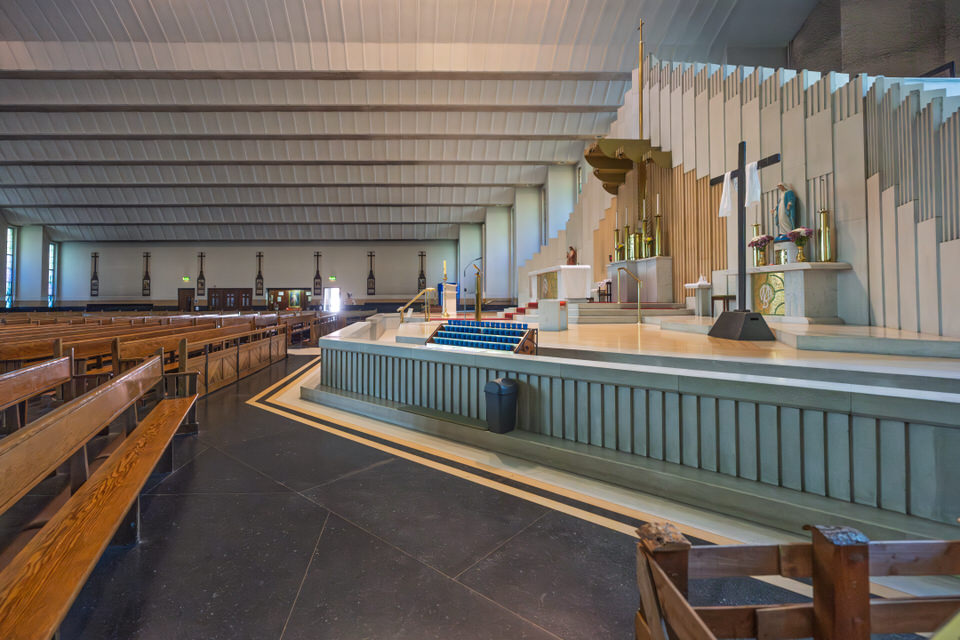 Art Deco Church - Select Image To View Photographs
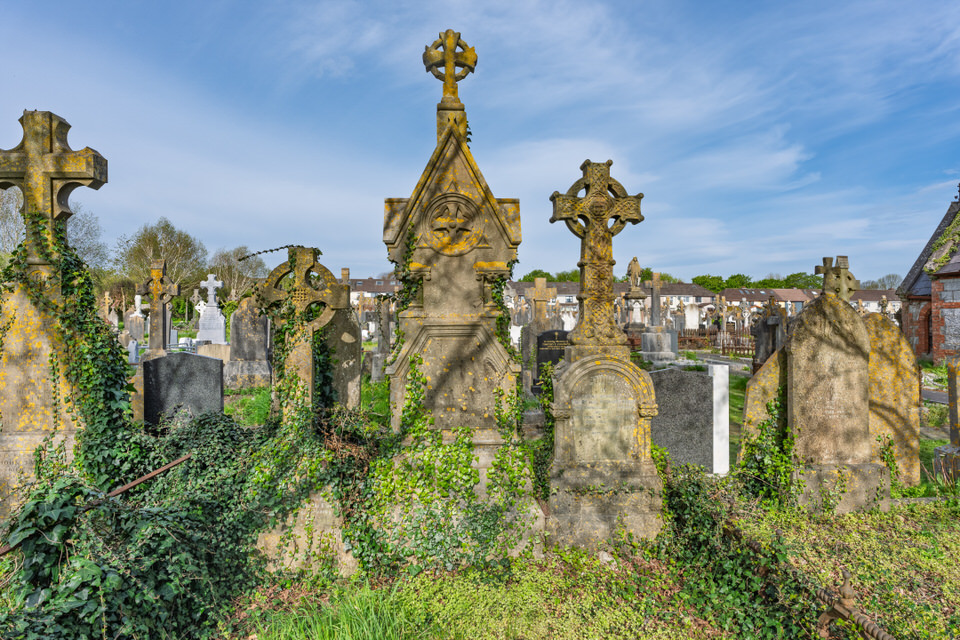 Old Cemetery - Select Image To View Photographs
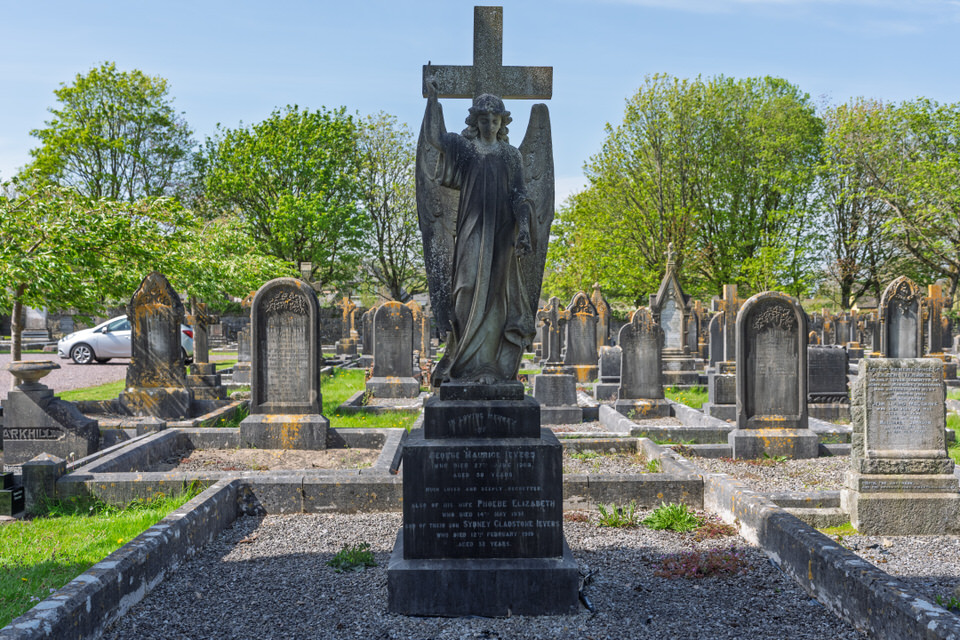 Old Churchyard - Select Image To View Photographs
VIEW HI-RES PHOTOGRAPHS
CORK CITY AND COUNTY
ABOUT THIS CHURCH
GLOBAL INDEX OF PHOTO GALLERIES
APRIL 2026 PHOTO COLLECTION
THE URBAN CARTOGRAPHER
EXCELLENT PICTURE THIS 2017
The Church of Christ the King - Presented By The The Urban Cartographer
Who Is Building An Experience Which Is Getting Better Day By Day