Arbour Hill And The 1916 Memorials - Presented By The Urban Cartographer
LET MISTER SCREEN ASSIST YOU
GLOBAL INDEXThe Urban Cartographer
TECHNICAL STUFFWhile the site acts as a general military cemetery, its primary significance lies in being the final resting place of 14 of the executed leaders of the 1916 Easter Rising. The memorial is notable for its sombre simplicity, contrasting sharply with the Victorian military architecture of the surrounding former prison complex.
EXCELLENT PICTURE THIS 2017
Arbour Hill And The 1916 Memorials - Presented By The Urban Cartographer
Arbour Hill And The 1916 Memorials
Author: Urban Cartographer
|
16. Jan 2026
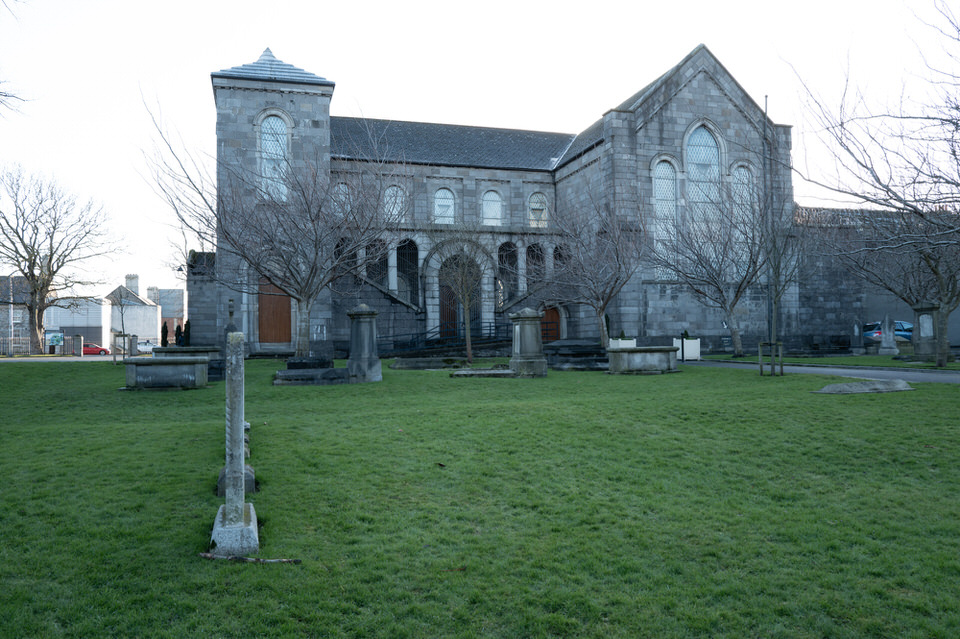
Photographed By William Murphy
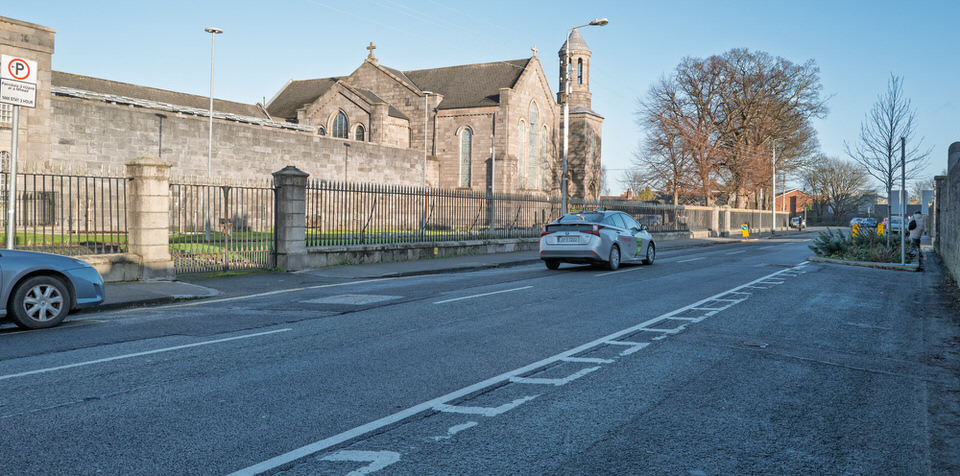
Located in the historic Stoneybatter district of Dublin 7, the memorials at Arbour Hill serve as one of the most significant sites in modern Irish history. While the site acts as a general military cemetery, its primary significance lies in being the final resting place of 14 of the executed leaders of the 1916 Easter Rising. The memorial is notable for its sombre simplicity, contrasting sharply with the Victorian military architecture of the surrounding former prison complex. The focal point of Arbour Hill is the grave of the 14 leaders who were executed by firing squad at Kilmainham Gaol between May 3rd and May 12th, 1916. Following their execution, their bodies were transported to Arbour Hill (then a detention barracks) and buried in a former prison yard. The Grave Site: The bodies lie beneath a low mound on a terrace of Wicklow granite. Unlike traditional cemeteries with individual headstones, this is a mass grave. The leaders were buried in quicklime, which was intended to degrade the remains rapidly, a decision originally made by British authorities to prevent the site from becoming a shrine. The Inscriptions: The names of the 14 leaders are inscribed on the limestone surround of the grave in both Irish and English. The Memorial Wall: Behind the grave stands a curved wall constructed of Ardbraccan limestone. Designed by sculptor Michael Biggs, the wall features the entire text of the 1916 Proclamation of the Irish Republic (Forógra na Poblachta) hand-carved into the stone in both languages. A large gilded cross is centred on this wall, acting as a spiritual focal point. The 14 leaders buried here are Note: Roger Casement, the 16th executed leader, was hanged in London and his remains were repatriated to Glasnevin Cemetery in 1965; Thomas Kent was executed in Cork. Adjoining the cemetery is the Church of the Sacred Heart, which serves as the Church of the Defence Forces. Architecture: The church is architecturally distinct, featuring an entrance porch with external stairs leading to twin galleries. It also possesses a belfry reminiscent of an ancient Irish round tower. Stained Glass: The interior features stained glass windows by the Harry Clarke Studios, adding significant artistic value to the site. Ceremonial Role: The church hosts the annual 1916 Commemoration Mass, attended by the President of Ireland, government officials, and relatives of the signatories, to honour those who died. British Military Graves: The site was originally a cemetery for British military personnel who died in the Dublin area during the 19th and early 20th centuries. Many of these headstones were relocated to the perimeter walls to facilitate the creation of the 1916 memorial park. UN Peacekeepers: There is a memorial garden dedicated to members of the Irish Defence Forces and An Garda Síochána who lost their lives while serving on United Nations peacekeeping missions. 1916 Plaque: On the prison wall opposite the gravesite, a plaque records the names of other individuals who died during the Rising, ensuring the commemoration extends beyond the leadership. Significance and Management The site is managed by the Office of Public Works (OPW) and the Department of Defence. It is a place of quiet reflection, distinct from the busy tourist trail of Kilmainham Gaol. The juxtaposition of the British military prison context with the memorial to the founders of the Irish Republic makes Arbour Hill a complex and poignant symbol of the transition from colonial rule to independence.
Select Image To Visit The Photo Gallery: Arbour Hill And The 1916 Memorials
GALWAY CITY
CORK CITY AND COUNTY
GLOBAL MENU
DUBLIN SOUTHSIDE
DUBLIN NORTHSIDE
URBAN CARTOGRAPHER
EXCELLENT PICTURE THIS 2017
Arbour Hill And The 1916 Memorials - Presented By The Urban Cartographer
Who Is Building An Experience Which Is Getting Better Day By Day