Landseer Street Off Stranmillis Road - Presented By The Urban Cartographer
LET MISTER SCREEN ASSIST YOU
GLOBAL INDEXThe Urban Cartographer
TECHNICAL STUFFDiscover the hidden charm of Landseer Street in Stranmillis, Belfast. From the dog-friendly fireside of The Jeggy Nettle to the ecological "Living Murals" of Wild Belfast, this Edwardian red-brick terrace offers a unique blend of Victorian history and modern urban creativity on the edge of the Botanic Gardens.
EXCELLENT PICTURE THIS 2017
Landseer Street Off Stranmillis Road - Presented By The Urban Cartographer
Landseer Street Off Stranmillis Road
Author: Urban Cartographer
|
08. Feb 2026
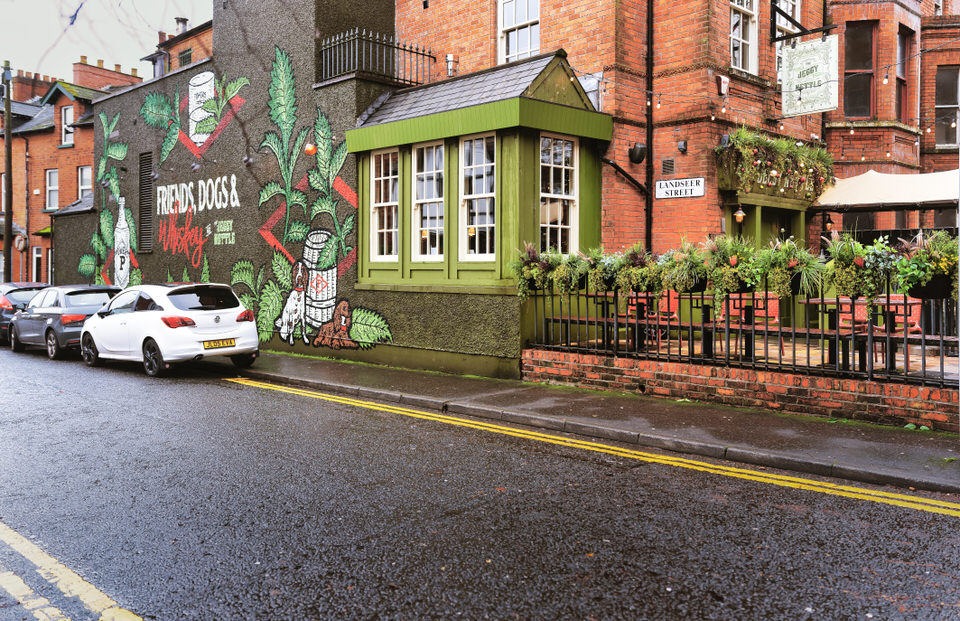
Photographed By William Murphy - Select Image To View Photographs
Select Image To Visit The Photo Gallery: Landseer Street Off Stranmillis Road
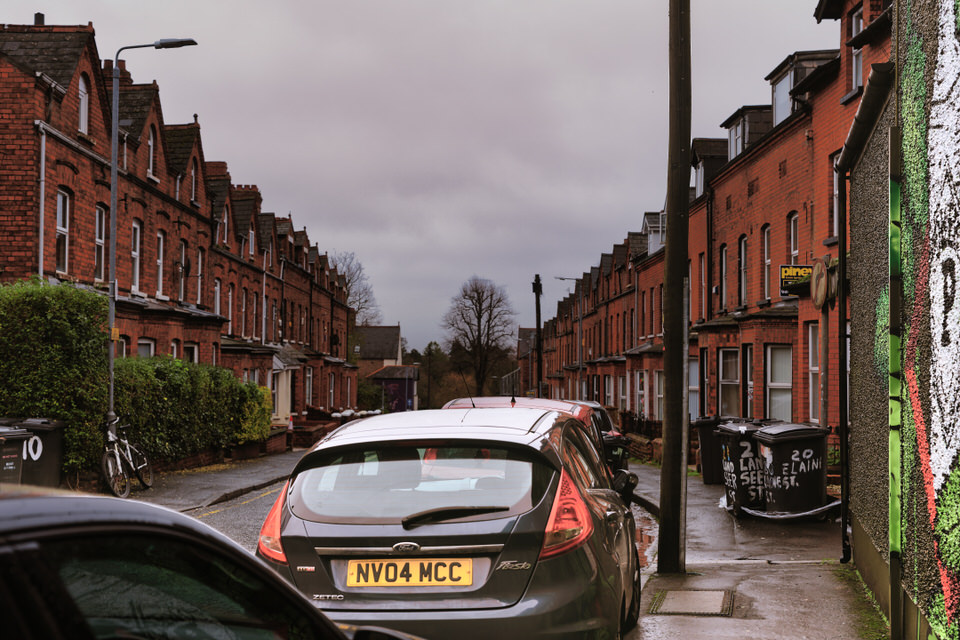
Between Paws and Petals: Discovering Landseer Street
Following a complicated mishap with a bus driver, I found myself lost and unexpectedly wandering up Landseer Street in South Belfast. At first, I didn't realise I was standing at the very boundary of the Botanic Gardens, but as I explored, I discovered a street that perfectly captures the "Town and Gown" spirit of the University Quarter.
A Victorian Legacy in a Modern Village
Landseer Street is a classic red-brick residential terrace in the heart of Stranmillis Village. Officially named on 4 April 1900, it was developed by local landowner T.K. Matthews as Belfast transitioned from rural farmland into a bustling urban suburb. The street is named after Sir Edwin Landseer, the Victorian sculptor famous for the lions at Nelson’s Column—a nod to the era's trend of naming streets after cultural icons.
Today, the street retains its Edwardian charm, though its three-storey terraces now primarily serve as a hub for the student populations of Queen’s University and Stranmillis College. Bordering the Ulster Museum, it offers a "leafier," more upmarket atmosphere than the neighbouring Botanic area, serving as a quiet link between the busy Stranmillis Road and the green expanse of the gardens.
The Stranmillis Anchor: The Jeggy Nettle
At the Stranmillis Road end of the street stands The Jeggy Nettle. More than just a local pub, it acts as the community’s "living room." The pub is famous for its fiercely dog-friendly policy, featuring a "Doggie Wall of Fame" filled with polaroids of four-legged regulars. From "doggie beer" to blankets by the open fire, the welcoming atmosphere here defines the street’s inclusive character.
The pub also provides the street's first artistic landmark. Its side wall features prominent street art that reflects a rustic, botanical aesthetic. Often updated during festivals like Hit the North, these murals signal the entrance to the Village and set a creative tone for the walk ahead.
The Botanic Anchor: "Wild Belfast"
As you reach the opposite end of Landseer Street, the urban brickwork gives way to nature. Here, a striking "Living Mural" commissioned by Wild Belfast decorates the gable wall near the Botanic Gardens entrance.
Unlike the political murals of Belfast’s past, this artwork focuses on local biodiversity, often depicting urban wildlife like swifts or hedgehogs. It is art with a purpose; the mural frequently incorporates "swift bricks" or nesting boxes, providing a home for the birds that frequent the Lagan Valley.
Together, these two murals bookend the street, representing the shift in Belfast’s modern identity—moving away from historical division and toward a celebration of community, creativity, and the natural world.
GALWAY CITY
CORK CITY AND COUNTY
GLOBAL MENU
DUBLIN SOUTHSIDE
DUBLIN NORTHSIDE
URBAN CARTOGRAPHER
EXCELLENT PICTURE THIS 2017
Landseer Street Off Stranmillis Road - Presented By The Urban Cartographer
Who Is Building An Experience Which Is Getting Better Day By Day